
Scores for all instruments: 16,000+ (active and growing), over 236,000 pages.
All genres and levels: Jazz & Blues, Rock & Pop, Classical & Contemporary, Film & Musicals;
books & biographies; methods, études, play-along tracks (MP3) for Jazz & Rock.
Access & benefits: US$15.99 one-time payment, valid for lifetime, full Library access.
Table of Contents
Who was Elvis Presley?
The best sheet music download from our Library.
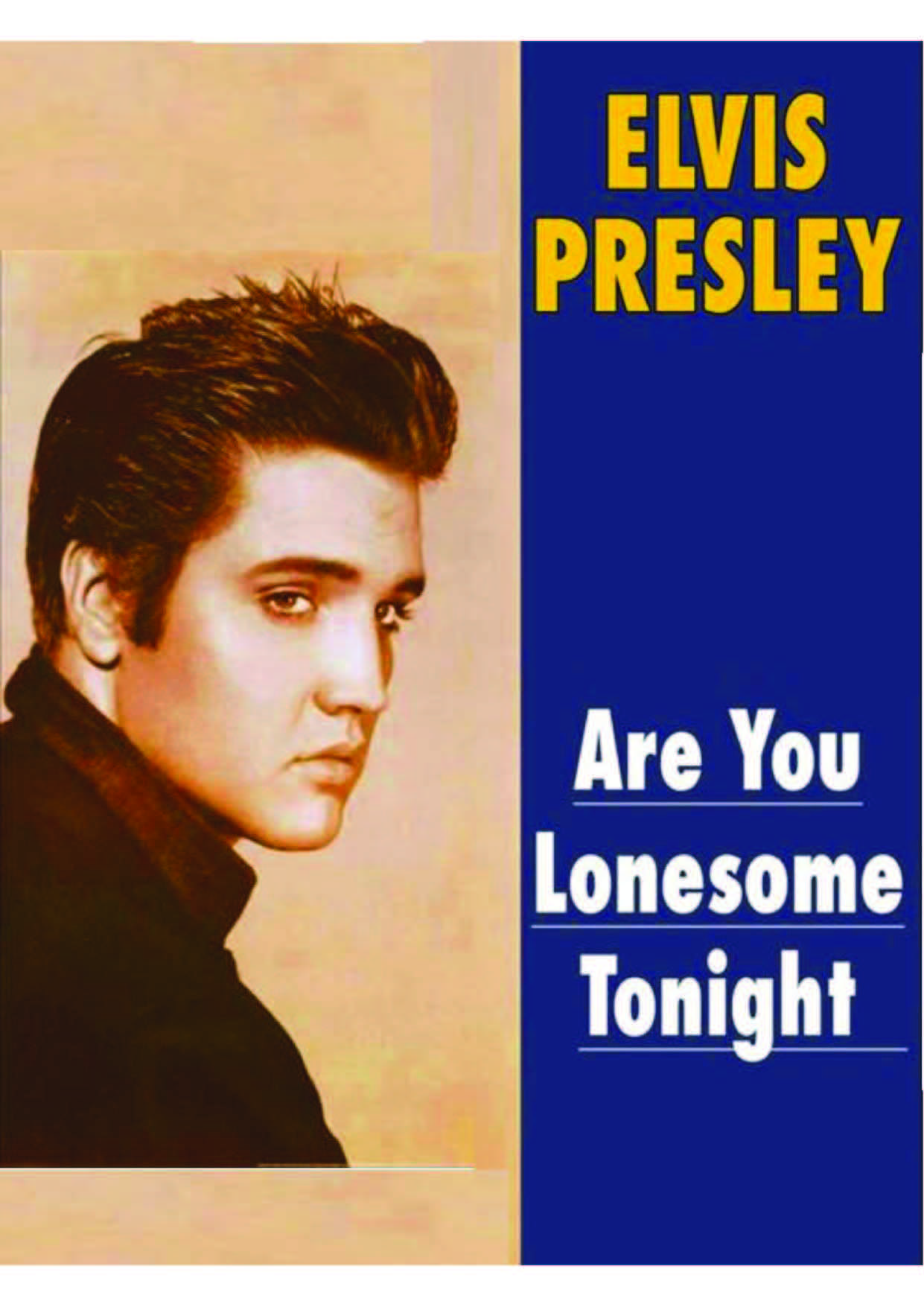

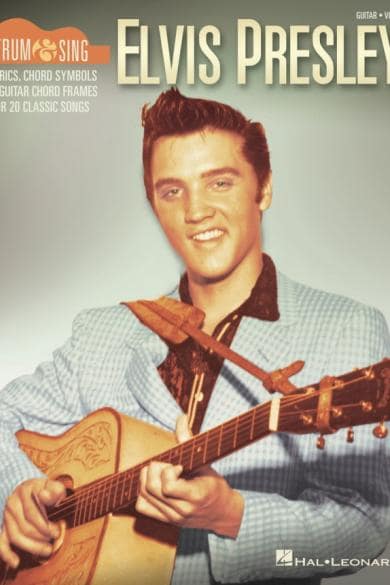
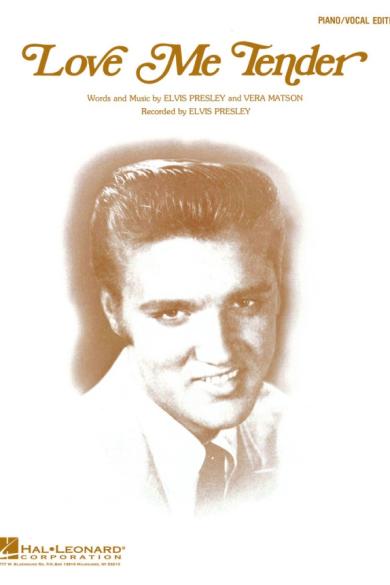
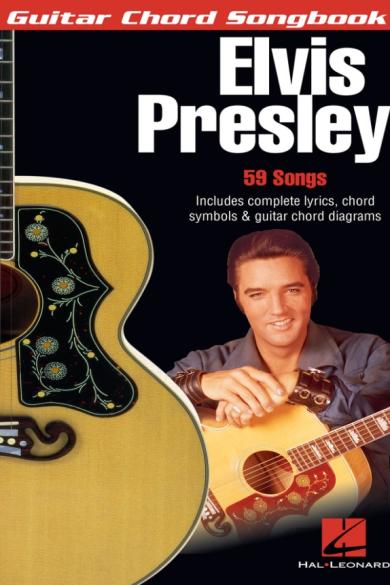
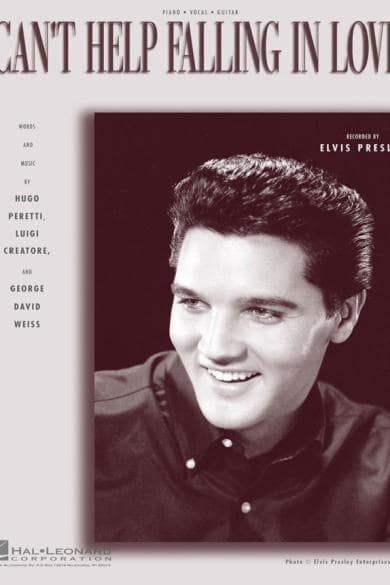
Please, subscribe to our Sheet Music Library.
Elvis Presley: The Architect of Rock and Roll
Few figures in the 20th century command the singular, mythological status of Elvis Aaron Presley. More than a singer, he was a cultural earthquake whose tremors permanently reshaped music, fashion, and the very notion of youth culture. To dissect his career is to trace the birth of rock and roll itself—a fusion of Black rhythm and blues, white country, and sanctified gospel, delivered with a sexually charged performance style that shattered the era’s conservative norms. This article provides an exhaustive examination of the man behind the legend, exploring his biography, his core cadre of musicians, his groundbreaking musical style, his harmonic language, his relationships with other artists, and the sprawling legacy that continues to reverberate decades after his passing.
Biography: From Tupelo to the Throne
Born on January 8, 1935, in a two-room shotgun house in Tupelo, Mississippi, Elvis was a twin; his brother, Jesse Garon, was delivered stillborn, leaving Elvis to grow up as an only child with a profound, lifelong bond with his mother, Gladys. His father, Vernon, worked a series of odd jobs, and the family’s deep poverty meant a childhood steeped in the music of the Assembly of God church, where the young Elvis absorbed the raw, ecstatic power of gospel. A formative moment came at age 10, when he stood on a chair at a radio talent show to sing “Old Shep,” winning fifth prize. The family moved to Memphis, Tennessee, in 1948, immersing him in the fertile musical scene of Beale Street, where bluesmen like B.B. King and Furry Lewis played in juke joints, and where the sounds of black gospel and country boogie bled together.
In 1953, an 18-year-old Elvis Presley walked into Sam Phillips’s Memphis Recording Service (home of Sun Records) to cut a two-sided acetate as a gift for his mother. The story goes that Phillips’s assistant, Marion Keisker, noted, “Good ballad singer. Hold.” A year later, Phillips, searching for a white singer who could sing with the “Negro feel,” paired Elvis with guitarist Scotty Moore and bassist Bill Black. After an uninspired session of ballads, during a break, Elvis launched into a frantic, uptempo version of Arthur Crudup’s “That’s All Right.” Phillips stopped them, asked what they were doing, and famously told them to “back up and do it again.” This 1954 recording became Elvis’s first single, and a regional star was born. A string of Sun singles followed—“Blue Moon of Kentucky” (a bluegrass tune blasted into rockabilly), “Good Rockin’ Tonight”—each a template for a new sound. Colonel Tom Parker, a former carnival barker, became his manager in 1955, and by year’s end, RCA Victor purchased Elvis’s contract for an unprecedented $35,000.
The RCA years exploded with “Heartbreak Hotel” (1956), a No. 1 smash that introduced the world to a ghostly, reverb-drenched sound. National television appearances on shows hosted by Milton Berle, Steve Allen, and Ed Sullivan propelled his fame into hysteria; the Sullivan show famously instructed cameramen to shoot Elvis only from the waist up, a censorship that only amplified his carnal mystique. His film debut in Love Me Tender (1956) birthed a parallel Hollywood career. After a two-year Army stint in Germany (1958-1960), where he met his future wife, Priscilla Beaulieu, Elvis returned to a world of softer pop ballads and increasingly formulaic movies like Blue Hawaii and Viva Las Vegas. By the mid-1960s, Beatlemania and the British Invasion had eclipsed him; his artistic fire seemed buried under vacuous soundtracks and cookie-cutter plots.
The resurrection came with the 1968 Elvis television special, known as the ’68 Comeback. Seated in a small, intimate round with his original band for an unplugged-style jam, clad in black leather, Elvis was raw, humorous, and dangerously vital again. It restored his credibility, paving the way for a triumphant return to live performance in Las Vegas in 1969, backed by a powerhouse band and a full orchestra. The 1970s brought iconic tours, the global satellite broadcast Aloha from Hawaii, and a series of deeply felt but increasingly erratic performances. His health declined due to prescription drug abuse and a gruelling schedule, but he never stopped being a commanding presence. On August 16, 1977, Elvis died at his Memphis mansion, Graceland, at the age of 42. His passing was a global event that transformed a mortal musician into an immortal icon.
Search your favorite sheet music in the Sheet Music Library Catalog
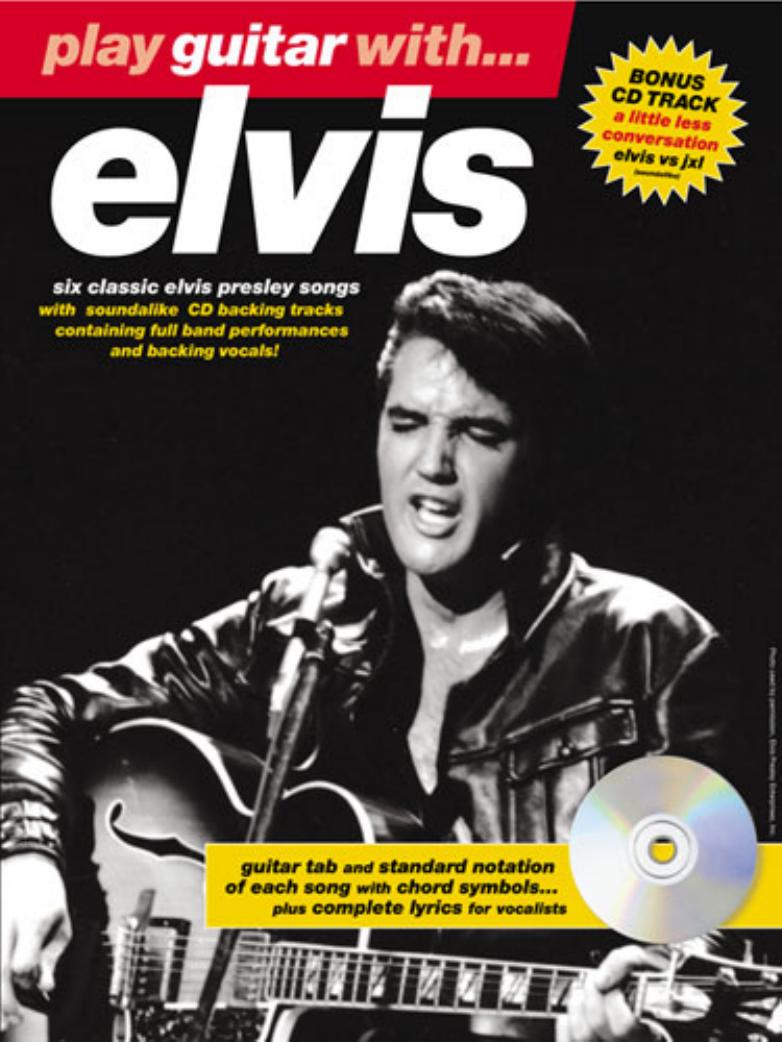
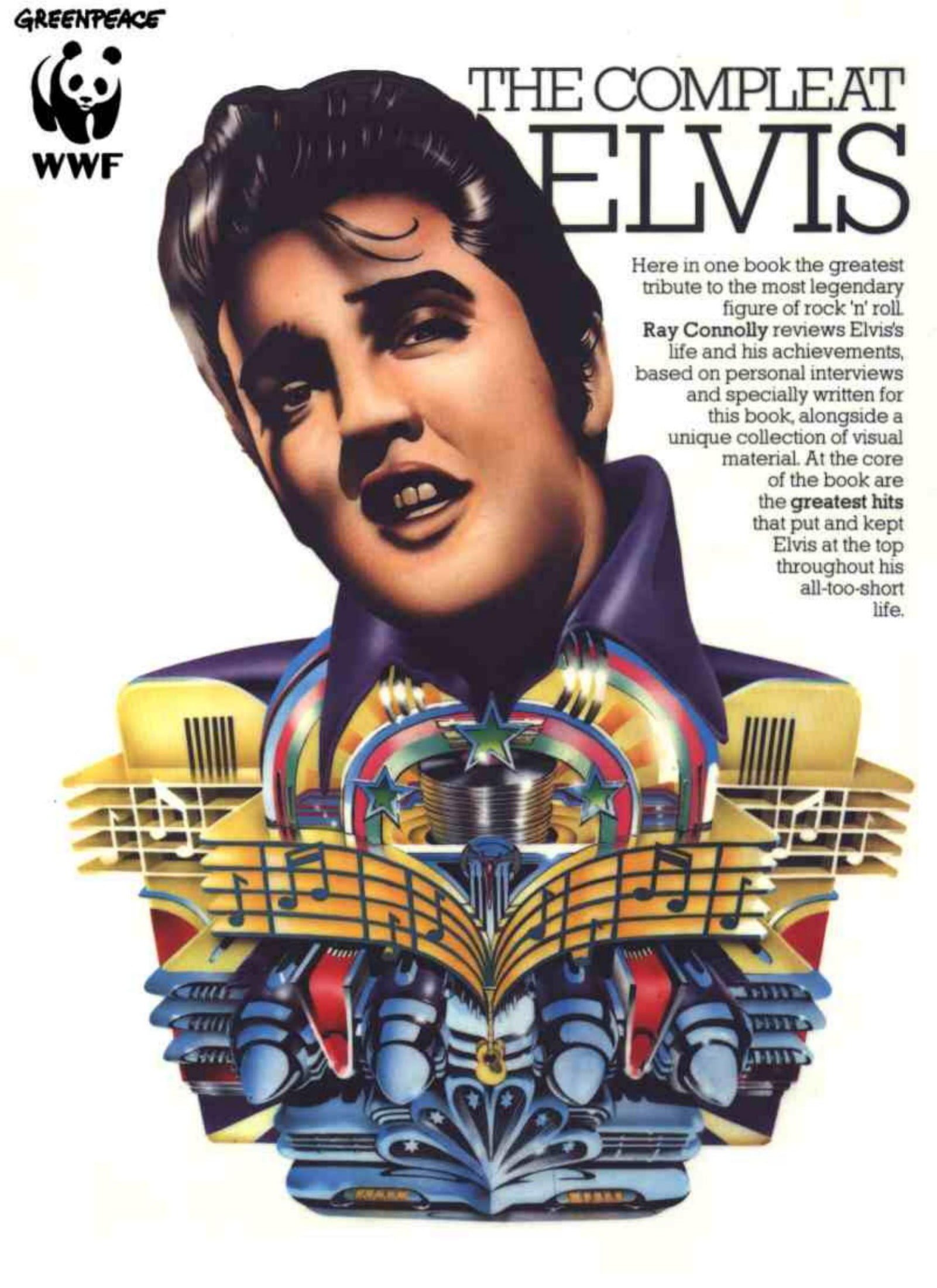
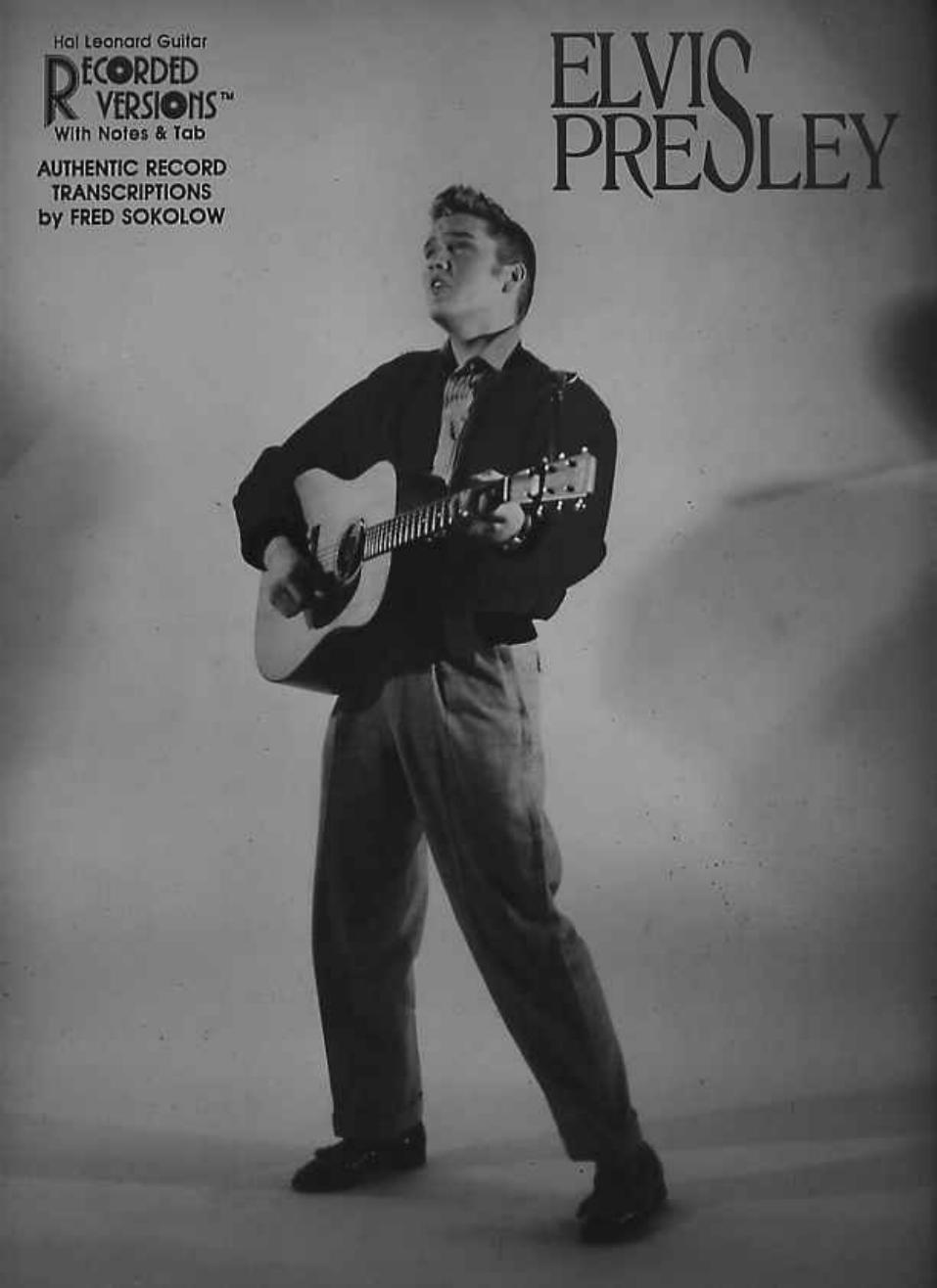
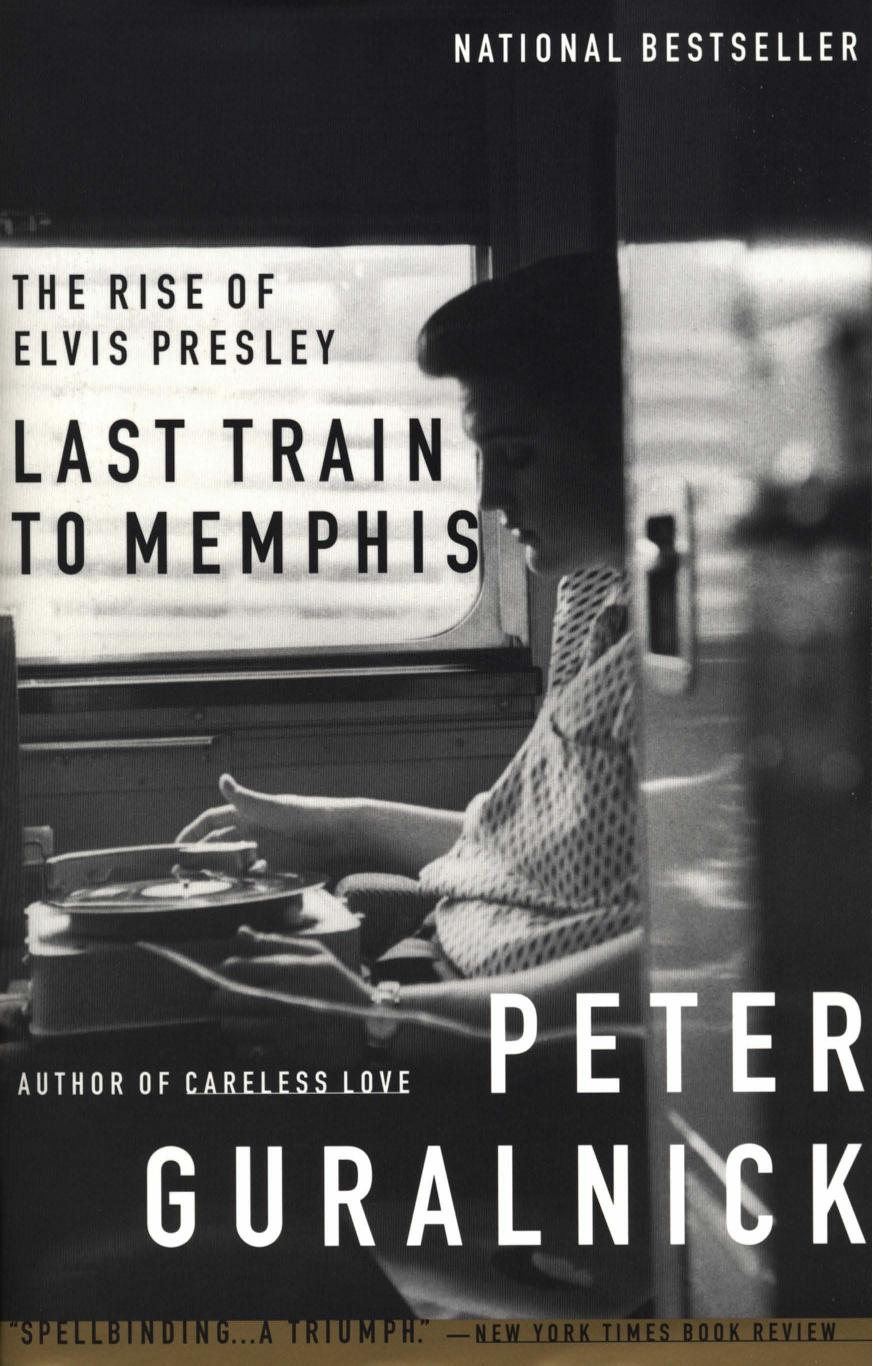

The Band: The Blue Moon Boys and Beyond
Elvis Presley was not a solitary act; his sound was forged by a tight nucleus of sidemen who shaped the very architecture of rock and roll.
Scotty Moore (guitar) is arguably the architect of rockabilly guitar. His crisp, percussive fingerpicking and inventive leads, heavily influenced by Chet Atkins and Merle Travis, gave Elvis’s Sun Sessions their kinetic energy. Moore’s solos on “That’s All Right” and his descending, bell-like lines on “Mystery Train” defined a genre. He used a Gibson ES-295, later a Super 400, with a simple Echosonic amplifier to create his signature slapback delay. Moore was the musical director of the early years, guiding arrangements. He left briefly in 1957 over money but returned for the ’68 Special.
Bill Black (upright bass) provided the percussive slapback that propelled rockabilly. A gregarious foil, his stage antics—riding his bass, clowning around—visualized the music’s joy. Black’s bouncing, slapped rhythm on “Baby, Let’s Play House” is the heartbeat of the Sun sound. He moved on in 1957 to form the Bill Black Combo, scoring hits of his own like “Smokie.”
D.J. Fontana (drums) joined in 1955, adding a muscular, swinging backbeat that had been absent on early Sun cuts. His snare work on “Hound Dog” and the thunderous tom-tom rolls on “Jailhouse Rock” show a big-band sensibility adapted to a new, dangerous tempo. Fontana remained with Elvis into the 1970s.
The Jordanaires were a white gospel quartet who became Elvis’s primary backing vocalists from 1956 to the late 1960s. Their close-harmony “ooo” and “ah” choruses behind “Don’t Be Cruel” and “Are You Lonesome Tonight?” added a smooth, pop-gospel sheen that rounded Elvis’s rockabilly edges for mainstream radio. Their gospel roots resonated deeply with Elvis, who often led them in hymns during breaks.
The TCB Band (Taking Care of Business) defined the Las Vegas and touring years. Formed in 1969, this core group included James Burton on lead guitar, whose chicken-pickin’ Telecaster licks on “Suspicious Minds” and “Polk Salad Annie” brought a country-funk virtuosity. Bassist Jerry Scheff provided a deep, fluid pocket with upright and electric bass, most notably on the rhythmic breakdown of “Suspicious Minds.” Drummer Ronnie Tutt unleashed an explosive, jazz-trained power that drove the 1970s live shows into a frenzy. Pianist Glen D. Hardin laid down boogie-woogie foundations and elegant arpeggios. Backing vocalists The Imperials and later The Sweet Inspirations (featuring Cissy Houston) brought a soul-gospel fervor to his live act, a direct link to his musical roots. Together, they enabled Elvis to stretch songs into epic, karate-kicking, cape-twirling journeys.
Music Style: A Fusion of Three Americas
Elvis’s genius was not invention but synthesis. He blended country music’s storytelling and twang, the raw emotionality of rhythm and blues, and the unrestrained spiritual ecstasy of gospel into a single, combustible sound. His early rockabilly style was defined by a stripped-down instrumentation (electric guitar, slapped upright bass, occasional drums), a driving backbeat, and a slapback echo that gave the recordings a live, explosive feel. Vocally, Elvis possessed an extraordinary baritone with a range spanning over two and a half octaves, but it was his timbre and phrasing that were revolutionary. He could croon a ballad in a velvet, tremolo-laden basso profundo (“Can’t Help Falling in Love”), shiver with operatic vibrato (“It’s Now or Never”), or unleash a frantic, stuttering tenor howl (“Trying to Get to You”). His rhythmic delivery, marked by syncopated hiccups and mumbling, was a direct channeling of the Black gospel and blues he loved, a color that no white singer of his stature had dared to flaunt so blatantly before a pop audience.
His later style deepened into a symphonic pop and country-soul fusion, tackling socially conscious material like “In the Ghetto” and the American Trilogy (“Dixie,” “Battle Hymn of the Republic,” “All My Trials”), a patriotic, quasi-spiritual showstopper that demonstrated his mastery of dynamic and emotional contrast. On stage, his style was aggressive, sensual, and deeply physical, turning performance into a spiritual transmission. The karate-inspired stances and geometric cape flares of the 1970s are as iconic as the flailing hips of 1956.
Chord Progressions and Music Harmony
While often perceived as simple, the harmonic palette of Elvis’s catalog reveals a deep connection to blues, gospel, and popular standards, deployed with an instinctive dramatic flair.
The I-IV-V Blues and Rockabilly Foundation: Many of his rockers are built on the standard 12-bar blues progression (I-I-I-I, IV-IV-I-I, V-IV-I-V). “Hound Dog,” a Big Mama Thornton cover, drives this home in C with a raw I7-IV7-V7 pattern. What separates Elvis’s version is the stop-time rhythm—a harmonized guitar-bass-drum punch on the IV chord that creates explosive tension. “Jailhouse Rock” uses a similar I-IV-V structure but with a flattened VII chord (bVII, Eb in the key of F) as a passing hook, a classic rock move borrowed from blues. “That’s All Right” thrives on a single chord vamp before moving to the IV, with a boogie bassline that blurs major and minor tonality via sliding blue notes on the guitar.
The Descending Gospel and Pop Progression: A signature progression in Elvis’s balladry is the descending line, often found in gospel. “Heartbreak Hotel” is built on a simple I (E) to I7 (E7), moving to the IV (A) but with a descending chromatic bass note (E-D#-C#) that creates an eerie, sinking feeling, matched by the lyric. The song then hits the V (B7) with a dramatic pause, its stark, echoing minimalism inspired by bluesman Jimmie Davis’s style. “Can’t Help Falling in Love,” derived from a 18th-century French melody, employs a classic doo-wop progression: I (D) – V (A7) – vi (Bm) – IV (G) – V (A7) – I (D). This sequence, with its gentle cyclical flow, has become the quintessential love-song progression.
Gospel Harmony and the Dramatic Minor: His gospel training manifested in frequent use of the IV-iv-I cadence (a major subdominant turning minor before resolving to the tonic), a heartbreakingly beautiful movement heard in the emotional climax of “Are You Lonesome Tonight?” He was not afraid of dominant 7th and 9th chords to inject soul; his 1960 hit “It’s Now or Never” (based on “O Sole Mio”) features a sweeping classically-inspired bridge that moves from the dominant V7 through a secondary dominant (V/V, or II7) before resolving, lending the Neapolitan song an operatic grandeur. “Suspicious Minds,” recorded at American Sound Studio with the Memphis Boys, uses a repetitive I-V-vi-IV loop that builds into a false-ending breakdown, where the rhythm section vamps on the IV chord for an extended, hypnotic crescendo—a masterclass in arrangement and tension-release.
Influences: The Voices That Shaped the King
Elvis’s record collection was a map of the American South. His foundational influence was gospel, especially the black quartets like the Golden Gate Quartet and the white-gospel harmony of the Statesmen Quartet, whose bass singer, Jim “Big Chief” Wetherington, Elvis imitated. He worshipped the Southern gospel of the Blackwood Brothers, and his vocal tics—the quivering vibrato, the swooping falsetto leaps—were lifted directly from this tradition. From the blues, he absorbed Arthur “Big Boy” Crudup (writer of “That’s All Right,” “My Baby Left Me”), Big Joe Turner, and Big Mama Thornton. From country, he loved Hank Snow, Ernest Tubb, and the bluegrass of Bill Monroe, whose “Blue Moon of Kentucky” he transformed. The pop crooners of the day—Dean Martin, Roy Hamilton—taught him phrasing and repertoire, while the rhythmic physicality of preachers and performers like Brother Joe May, a black sanctified singer, gave him a model for performance itself. More than any single artist, Elvis was a vessel for the unacknowledged conversations already happening between these genres in the segregated South.
Relationship with Other Artists
Elvis’s relationships with peers were complex, marked by mutual admiration, guarded competition, and cultural crossings. He held immense respect for Little Richard, whose flamboyance and gospel-shouting style directly influenced him; Richard referred to Elvis as “an integrator” and a friend. B.B. King recalled that Elvis knew him and treated him with respect in segregated Memphis, shocking for a white star in the 1950s. Conversely, Otis Blackwell, a black songwriter who penned “Don’t Be Cruel,” “All Shook Up,” and “Return to Sender,” rarely got the public recognition he deserved, though he was well paid, highlighting the era’s complex racial dynamics in music publishing. Elvis’s 1956 pronouncement that “colored folks been singing and playing it for years” regarding rock and roll was a rare, bold acknowledgment for its time.
The arrival of The Beatles signaled a shift. Elvis met them in 1965 in a famously awkward summit at his Bel Air home, jamming briefly on bass. He reportedly felt threatened by their takeover, later petitioning President Nixon to target their drug influence as part of a bizarre badge-collecting scheme. Yet he covered Beatles songs in his live show (“Something,” “Yesterday”), and John Lennon declared, “Before Elvis, there was nothing.” He befriended Tom Jones, with whom he shared a mutual admiration for big voices and Vegas pomp. He was generous to emerging artists; he repeatedly lauded Roy Orbison as the greatest singer in the world and deeply admired Jackie Wilson, whom he called “the complete entertainer.” His gospel soul-mate was J.D. Sumner and the Stamps Quartet, who backed him in his final years and whose impossibly low bass-note finales pushed Elvis’s own voice to new depths.
Works on Film: A Parallel Career
Main article on Wikipedia: Elvis Presley on film and television
Elvis Presley appeared in 31 theatrical films, a body of work that is a testament to his star power and the creative prison built by Colonel Parker. The early films aimed for artistic credibility: Love Me Tender (1956, a Civil War drama), Jailhouse Rock (1957), which contains the iconic choreographed title sequence and is preserved in the National Film Registry, and King Creole (1958), directed by Michael Curtiz (Casablanca), widely considered his finest acting performance as a troubled New Orleans teen. Post-Army, the films descended into predictable formula: an exotic locale, a starlet, a cast of character actors, and a hasty insertion of songs. Blue Hawaii (1961) spawned the monumental soundtrack album, but movies like Kissin’ Cousins and Harum Scarum became self-parodies. Two highlights amid the banality were Viva Las Vegas (1964), a kinetic, brilliantly shot musical co-starring Ann-Margret, with whom he had a volcanic chemistry, and the offbeat Live a Little, Love a Little (1968), which yielded “A Little Less Conversation.” After the 1968 Comeback, he intended to refocus on serious acting, with a role in A Star Is Born opposite Barbra Streisand seriously considered, but Parker’s financial demands and Elvis’s own insecurities killed the project. His final film was the documentary Elvis on Tour (1972), a genuinely artistic split-screen chronicle that won a Golden Globe.
Live Performances: The Reigning Era
Elvis’s live career divides into the shockwave of the 1950s and the imperial spectacle of the 1970s. The 1950s tours were chaotic, deafening affairs of screaming fans, but musically, one can hear the raw, spontaneous brilliance on recordings like Elvis at the Louisiana Hayride. The 1968 Comeback Special remains the watershed: the informal “sit-down” shows with Scotty Moore and D.J. Fontana were a masterclass in charisma and roots music, while the big production “stand-up” numbers climaxed with “If I Can Dream,” a powerhouse plea for hope.
This led to his 1969 Las Vegas debut at the International Hotel, where he assembled the TCB Band and a full orchestra, crafting a high-energy show that blended rock, country, soul, and gospel into a seamless, lavish ceremony. The recording Elvis in Person at the International Hotel captures the frenzy. The apex of his live power was Aloha from Hawaii (January 14, 1973), the first global satellite broadcast by a solo entertainer, seen by an estimated 1.5 billion people. Dressed in the famed American Eagle jumpsuit, Elvis delivered a tight, soaring set culminating in a breathtaking “An American Trilogy” and a majestic “Can’t Help Falling in Love,” all while broadcasting the proceeds to charity. His subsequent tours, documented in Elvis Recorded Live on Stage in Memphis (1974) and the emotionally raw CBS special Elvis in Concert (1977), show an artist of fluctuating health but undiminished spiritual intensity; the latter, filmed just weeks before his death, reveals a bloated, sweating man whose voice, on “Unchained Melody” and “How Great Thou Art,” still touched the divine.
Documentaries and Archival Narratives
Given his cultural weight, a canon of documentaries has sought to interpret the myth. Elvis: That’s the Way It Is (1970) is a pristine vérité look at his return to stage, capturing rehearsals, nerves, and the explosive Vegas opening night. Elvis on Tour (1972) is its more experimental, split-screen follow-up. Posthumously, This Is Elvis (1981) blended narrative reconstruction with footage, while Elvis: The Great Performances (1990) collected iconic clips. The definitive biographical documentary treatment came with The Searcher (2018, HBO), a two-part exploration focusing solely on his artistic journey, stripping away tabloid noise. Baz Luhrmann’s blockbuster Elvis (2022) was not a documentary but a maximalist biographical epic, widely acclaimed for Austin Butler’s transformation and its framing through the exploitative lens of Colonel Parker, introducing his story to a Gen Z audience.
Discography and Most Known Works
Main articles on Wikipedia: Elvis Presley albums discography, Elvis Presley singles discography, and List of songs recorded by Elvis Presley
Elvis’s discography is a labyrinth of studio albums, soundtracks, live records, and compilations spanning over 700 songs. His canon includes:
- The Sun Sessions (1954-55): A mythical collection of five singles including “That’s All Right,” “Blue Moon of Kentucky,” “Good Rockin’ Tonight,” “Baby, Let’s Play House,” and “Mystery Train.” These are the Rosetta Stone of rock.
- Elvis Presley (1956): The first rock and roll album to top the Billboard chart. Tore through “Blue Suede Shoes,” “Tutti Frutti,” and the revolutionary “I Got a Woman.”
- Elvis (1956): A second album masterclass, with the raw “Rip It Up” and the down-home “Old Shep.”
- The “Million Dollar Quartet” (1956, released 1981): A spontaneous Sun Records jam with Elvis, Johnny Cash, Jerry Lee Lewis, and Carl Perkins. A gospel-drenched archival gem.
- A Date with Elvis (1959): Cut before the Army, featuring the intimate “It’s Now or Never” and “Are You Lonesome Tonight?”
- Elvis Is Back! (1960): Post-Army brilliance—a mix of blues (“Reconsider Baby”), pop-operatics, and the swampy “Fever.”
- His Hand in Mine (1960): The first full gospel album, a genre he would return to three more times, producing the magnificent How Great Thou Art (1967) which won a Grammy for Best Sacred Performance.
- From Elvis in Memphis (1969): The comeback studio LP, home to the majestic “In the Ghetto,” the funky “Wearin’ That Loved-On Look,” and the epochal “Suspicious Minds” (released as a single later that year).
- Elvis Country (1971): A concept album of country classics interwoven with “I’m So Lonesome I Could Cry,” showing his holistic approach to genre.
- Moody Blue (1977): His final studio album, capturing a tired but committed artist, with the aching title track and a definitive live “Unchained Melody.”
Key singles beyond those mentioned include “Don’t Be Cruel” (double-sided with “Hound Dog”), “All Shook Up,” “Jailhouse Rock,” “Can’t Help Falling in Love,” “Kentucky Rain,” “Burning Love,” and “The Wonder of You.”
Elvis Presley: The Eternal Flame
Elvis Presley’s legacy is a galaxy of contradictions. He is the undisputed “King of Rock and Roll,” a title that he detested, insisting it belonged to Fats Domino. He is the best-selling solo recording artist in history, with an estimated one billion records sold. His image—the 1950s rebel in pink and black, the 1968 leather-clad resurrection, the 1970s caped superhero—remains immediately recognizable across all generations. His mansion, Graceland, is the second-most visited private home in America after the White House, a pilgrimage site for millions. He fundamentally integrated American music, bringing a black-founded vernacular into white homes at a time of violent segregation, and while the debate on cultural appropriation versus appreciation continues, his own voice clearly and humbly credited his debt to black artists. He was inducted into the Rock and Roll Hall of Fame in its inaugural class of 1986, the Country Music Hall of Fame, and the Gospel Music Hall of Fame—the only artist so triply honored.
His influence carved the path for every rock star persona that followed, from the Beatles’ leather-and-sass to Bruce Springsteen’s working-class gospel, from the raw sexuality of Jim Morrison to the showmanship of Michael Jackson (who married his daughter Lisa Marie). The global cottage industry of Elvis impersonators—from serious tribute artists like Shawn Klush to ironic postmodern jesters—keeps his performance language alive as a continuous folk art. In death, he became a uniquely American secular saint, glowing on velvet paintings, in a thousand “sightings,” and in the collective memory of a world that will forever hear that voice—a blend of Tupelo dirt, Beale Street blues, and heavenly choir—and remember the moment the 20th century found its voice.
Browse in the Sheet Music Library:
Or browse in the categories menus & download the Library Catalog PDF:
Elvis Presley - My Way (Aloha From Hawaii, Live in Honolulu, 1973)
Elvis Presley "My Way" from Aloha From Hawaii, Live in Honolulu, 1973. Elvis Presley made television and entertainment history with his Elvis, Aloha from Hawaii concert, performed at the Honolulu International Center Arena on January 14, 1973. It was beamed live via Globecam Satellite to various countries, on a delayed basis to approximately thirty European countries and it first aired in America that April 4th on NBC in edited form. The American broadcast version included four "insert" songs that were shot just after the concert. In all, the concert was seen in over forty countries by close to 1.5 billion people, a global ratings smash. Never before had one performer held the world's attention in such a way. Aloha from Hawaii presents Elvis Presley at the pinnacle of his superstardom, giving one of the most outstanding concert performances of his career.