
Scores for all instruments: 16,000+ (active and growing), over 236,000 pages.
All genres and levels: Jazz & Blues, Rock & Pop, Classical & Contemporary, Film & Musicals;
books & biographies; methods, études, play-along tracks (MP3) for Jazz & Rock.
Access & benefits: US$15.99 one-time payment, valid for lifetime, full Library access.
Table of Contents
하루키 에세이 ‘포트레이트 인 재즈’ 속 음악 모음집
A Collection of Music from Haruki Murakami's Essay 'Portrait in Jazz'
Search your favorite sheet music in the Sheet Music Library Catalog
Haruki Murakami’s essay collection Portrait in Jazz (and its sequel) features 55 intimate essays on jazz legends, paired with specific album recommendations and tracks compiled into popular Spotify playlists and YouTube collections.
Featured Artists & Essential Tracks
- Chet Baker: Let’s Get Lost
- Charlie Parker & Dizzy Gillespie: Bloomdido
- Billie Holiday: When You’re Smiling
- Art Blakey: No Hay Problema
- Miles Davis: Walkin'
- Bill Evans Trio: My Foolish Heart
- Thelonious Monk: Jackie-Ing
- Duke Ellington: Rocks In My Bed
- Fats Waller: Jitterbug Waltz
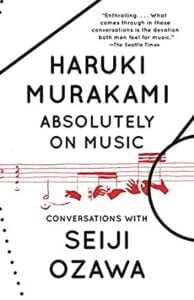
Please, subscribe to our Sheet Music Library. Sheet music should be accessible and affordable for all musicians, from professionals to absolute beginners.
PLAYLIST | 00:00 Chet Baker Quartet - Isn’t It Romantic? (feat. Russ Freeman)
from ≪Chet Baker Quartet≫ 쳇 베이커
쳇 베이커의 음악에서는 청춘의 냄새가 난다. 재즈의 역사에 이름을 남긴 뮤지션은 수없이 많지만, ‘청춘’의 숨결을 이토록 선명하게 느끼게 하는 연주자가 달리 있을까? 03:29 Benny Goodman - Moonlight On The Ganges
from ≪Benny Goodman Presents Eddie Sauter Arrangements≫ 베니 굿맨
예를 들면 <문라이트 온 더 갠지스>에서 굿맨의 클라리넷 솔로는 상당히 첨예하고 모던한 색채를 띠고 있으며, 거기에는 ‘그저 달콤하고 오락적인 재즈라고 평가받고 싶지 않다’는 기백 같은 것이 담겨 있다. 06:42 Charlie Parker - Bloomdido (feat. Buddy Rich, Thelonious Monk)
from ≪Bird and Diz≫ 찰리 파커
앨범 첫머리에 담겨 있는 <블룸디도>에서 인트로를 연주하는 짜릿짜릿한 심벌즈 소리만 들어도 나도 모르게 흐뭇해진다. 정말 좋습니다. 찰리 파커에 대해 쓴다면서 버디 리치 얘기만 늘어놓고 말았다. 10:08 Herb Geller - Jitterbug Waltz (composed by Fatz Waller)
from ≪Fire In The West≫ 패츠 월러
먼 옛날, 1940년대 초엽에 작곡된 오래된 곡인데, 흐물흐물 올라갔다 내려왔다, 사람을 깔보는 듯한 색다른 음형의 멜로디에다 어째 기묘한 코드 진행, 음악으로서 새로운 것인지 고리타분한 것인지, 단순한 것인지 복잡한 것인지, 성실한 것인지 불성실한 것인지, 들으면 들을수록 아리송해진다. 15:58 Art Blakey’s Jazz Messengers - No Problem (1st Version)
from ≪Les liaisons dangereuses≫ 아트 블레이키
콘서트 후, 블레이키의 초기 레코드를 구입해서 몇 번이나 들었다. <레 리에종 당제루즈>가 들어 있는 폰타나에서 나온 레코드다. 이 음악을 들으면 내 한 시대의 어떤 상황이 알알이 되살아난다. 그 배경의 색깔 역시 검정이다. 23:19 Stan Getz - Move (Live)
from ≪Stan Getz at Stroryville≫ 스탠 게츠
나는 지금까지 많은 소설을 탐독했고 다양한 재즈를 탐닉했다. 그러나 최종적으로는 스콧 피츠제럴드야말로 소설이고, 스탠 게츠야말로 재즈라고 생각하고 있다. 29:24 Billie Holiday - When You’re Smiling [vocal]
from ≪The Golden Years≫ 빌리 홀리데이
젊었을 때는 빌리 홀리데이를 꽤나 들었다. 그 나름으로 감동도 했다. 하지만 빌리 홀리데이가 얼마나 멋진 가수인지를 정말로 알게 된 것은 훨씬 훗날의 일이다. 그러니 나이를 먹는다는 것도 그리 나쁜 일만은 아니다. 32:15 Chu Berry & Cab Calloway & His Orchestra - At The Clam-Bake Carnival
from ≪Chu≫ 캡 킬러웨이
이쯤 되면 캡 캘러웨이란 인물이 지니고 있는 특이함은 시대를 초월하고 음악 스타일을 초월하여 일종의 전설이 될 수밖에 없다. 어디까지가 실체이고 어디까지가 반복된 이미지인지 그것조차 구분할 수 없을 정도다. 34:45 Charles Mingus - A Foggy Day
from ≪Pithecanthropus Erectus≫ 찰스 밍거스
그 재즈 바에서 찰스 밍거스의 ≪피테칸트로푸스 에렉쿠스≫ 레코드를 실제로 틀어주었는지 어땠는지는 사실 기억나지 않는다. 하지만 LP ≪피테칸트로푸스 에렉쿠스≫를 들을 때마다 그 바가 문득문득 떠오른다. 그 시절 신주쿠 가부키초의 풍경이 내 머릿속에서 되살아난다. 계절은 겨울이다. 42:32 Bobby Hackett and His Jazz Band - I Guess I’ll Have To Change My Plan (feat. Jack Teagarden)
from ≪Coast Concert≫ 잭 티가든
이 레코드는 캐피털사가 ‘딕시랜드재즈 페스티벌’ 때문에 웨스트 코스트를 방문한 해킷을 스튜디오로 초대해, 그 자리에 모인 뮤지션 중에서 마음에 드는 멤버와 함께 연주하고 싶은 곡을 마음껏 연주하도록 배려한 가운데 밤을 새워가며 녹음한 것이다. 이렇게 즉흥적으로 모이면 아무리 개성이 강한 ‘개인주의자들’이라도 정말이지 멋지게 일한다. 45:52 Bill Evans Trio - My Foolish Heart (Live)
from ≪Waltz for Debby≫ 빌 에번스
앨범 ≪왈츠 포 데비≫는 CD 말고, 옛날처럼 몸을 사용하여 LP로 듣는 것을 좋아한다. 이 앨범은 한 면당 세 곡쯤 듣고서 일단 바늘을 들고 물리적으로 한숨을 돌려야 비로소 본래의 ≪왈츠 포 데비≫라는 작품이 된다고 나는 생각한다. 모든 트랙이 다 멋지지만 내가 좋아하는 것은 <마이 풀리시 하트>. 달콤한 곡이다. 50:49 Bix Beiderbecke - Singin’ The Blues
from ≪Bix Beiderbecke 1927-1929≫ 빅스 바이더벡
빅스의 음악을 들어본 사람이면 우선 ‘이 음악은 누구에게도 아첨하지 않는다’는 점을 이내 느낄 수 있을 것이다. (…) 빅스가 가만히 응시하는 것은 악보도 아니요 청중도 아닌, 생의 심연 속에 깃들어 있는 은밀한 음악의 핵 같은 것이다. 53:47 Julian Cannonball Adderley - The Song My Lady Sings (Live)
from ≪Cannonball Adderley Live!≫ 줄리언 캐넌볼 애덜리
캐넌볼이 색소폰을 연주하면 하나하나의 음표가 들쭉날쭉하게 일어나서는 살며시 바닥을 가로질러 이쪽으로 온다. 그리고 마음의 결로, 조그맣고 보드라운 손을 내민다. 1:09:09 Duke Ellington - Rocks in My Bed (feat. Ivie Anderson) [vocal]
from ≪In a Mellotone≫ 듀크 엘링턴
듀크 엘링턴이 남긴 방대한 레코드 중에서 어느 한 장을 고르려 할 때, 우리는 마치 만리장성 앞에 선 야만족처럼 압도적인 무력감에 사로잡히게 된다. 그러니 과감하게 개인적으로 가겠다. 감히 용기를 내어 한정하자면, 내가 좋아하는 엘링턴은 1939년 후반에서 1940년대 전반에 걸쳐, 그렇게 ‘난해’하지도 않고 그렇게 와일드하지도 않은, 재미있고 세련된 엘링턴이다. 1:12:16 Ella Fitzgerald - These Foolish Things (feat. Oscar Peterson) [vocal]
from ≪Ella & Louis Again≫ 엘라 피츠제럴드
잘 들어보면 엘라와 피터슨의 <디즈 풀리시 싱스>에는 몇 군데 감동이 고조되는 부분이 있음을 알 수 있다. 특히 “A tinkling piano in the next apartment…..”, 이쯤에서 배경에 깔리는 피아노의 선율은 언제 들어도 ‘아, 좋다’란 느낌이 든다. 예술이다. 소설 같으면 두말 않고 나오키 상을 주고 싶은 연주다. 1:19:54 Miles Davis - Walkin’ (Live)
from ≪’Four’ & More≫ 마일스 데이비스
그 어떤 인생에도 ‘잃어버린 하루’가 있다. ‘오늘을 경계로 내 안의 무언가가 변해버리리라. 그리고 아마도 두 번 다시 원래의 나로 돌아가는 일은 없으리라’ 하고 마음으로 느끼는 날 말이다. (…) <워킹>을 들으면서(그것은 마일스가 녹음한 곡 중에서 가장 무겁고 공격적인 <워킹>이다), 내 몸이 지금 아무런 아픔도 느끼고 있지 않다는 것을 알았다. 적어도 한동안, 마일스가 뭐에 홀린 것처럼 무언가를 짓찢고 있는 동안, 나는 무감각한 시간을 보낼 수 있었다. 위스키를 한 잔 더 주문했다. 꽤 오래전 이야기다. 1:28:04 Charlie Christian - Breakfast Feud
from ≪Charlie Christian Memorial Album≫ 찰리 크리스천
크리스천의 연주를 듣다 보면 “어, 이건 바니 케슬이잖아. 이건 또 허브 엘리스고. 이건 케니 버렐인데” 하고 놀라는 일이 많다. 크리스천의 연주 속에서 후대의 기타리스트를 발견하는 셈이다. 1:31:12 Eric Dolphy - The Baron
from ≪Out There≫ 에릭 돌피
이 레코드가 녹음된 것은 1960년 팔월, 전통을 강조하듯 보수적이었던 1950년대가 드디어 막을 내리고, 존 에프 케네디가 대통령으로 선출되기 조금 전의 일이다. 재능을 인정받지 못해 오래도록 그늘에서 생활해야 했던 에릭 돌피에게도 이 무렵부터 조명이 비춰지기 시작했다. 음악적으로도 상당한 비약을 이루었다. 그러나 그가 자신의 재능을 마음껏 발휘할 수 있었던 기간은 너무 짧았다. 그는 1964년 유월 심장 발작으로 이 세상을 떠나고 만다. 우리는 많게나 적게나, 모두 우주의 변경에 살고 있는지도 모른다. 에릭 돌피를 들을 때마다 그런 생각이 든다. 1:34:08 Count Basie - Shiny Stockings (Live)
from ≪Basie in London≫ 카운트 베이시
’카운트 베이시의 음악을 듣는다’는 행위에도 물론 철학이 따른다. 그것은 바로, 카운트 베이시의 음악은 사정이 허락하는 한 큰 소리로 듣는 편이 좋다는 것이다. 그렇게 거창한 철학은 아니다. 하지만 틀림없는 진실이다. 왜냐하면 카운트 베이시가 빚어내는 음악에 담긴 가장 훌륭한 특질은 그 음악적 ‘풍압’에 있기 때문이다. *이후의 수록곡들은 본 댓글의 대댓글로 이어집니다. *곡명 아래 적힌 글은 모두 무라카미 하루키 '포트레이트 인 재즈'(문학사상, 김난주 역) 속에서 옮겨 적은 글입니다. *특정 곡이 아닌 음반만 언급된 경우 임의로 추천곡을 선정했습니다. *본 플레이리스트에 삽입된 중간 광고는 음원의 저작권자가 설정한 정책으로 자동 삽입되는 것이며, 해당 광고 시청으로 발생하는 수익은 각 곡의 저작권자에게 귀속됩니다.

Soundtrack List:
- 1
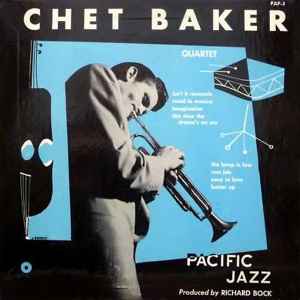 Chet Baker QuartetChet Baker Quartet
 - 2
 Benny Goodman Presents Arrangements By Eddie SauterBenny Goodman And His Orchestra
 - 3
 Bird And DizBird (28), Diz*
 - 4
 Fire In The WestHerb GellerOn the chapter "Fats Waller"
 - 5
 Les Liaisons Dangereuses 1960Art Blakey's Jazz Messengers*, Barney Wilen
 - 6
 At StoryvilleStan Getz
 - 7
 The Golden YearsBillie Holiday
 - 8
 "Chu"Chu Berry And His Stompy StevedoresOn the chapter "Cab Calloway"
 - 9
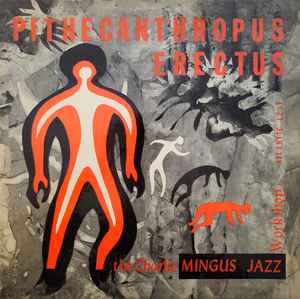 Pithecanthropus ErectusThe Charlie Mingus Jazz Workshop*
 - 10
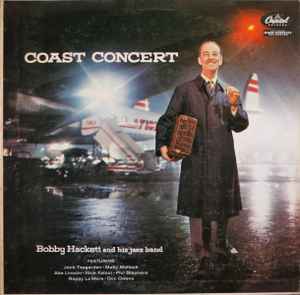 Coast ConcertBobby Hackett And His Jazz BandOn the chapter "Jack Teagarden"
 - 11
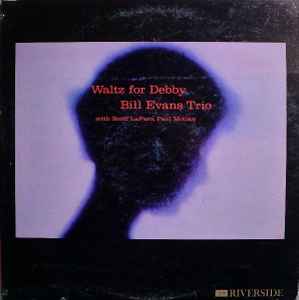 Waltz For DebbyBill Evans Trio*, Scott LaFaro, Paul Motian
 - 12
 The Bix Beiderbecke Story / Volume 2 - Bix And TramBix Beiderbecke
 - 13
 Cannonball Adderley-Live!Cannonball Adderley
 - 14
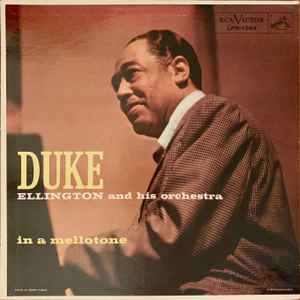 In A MellotoneDuke Ellington And His Orchestra
 - 15
 Ella And Louis Again (Volume Two)Ella*, Louis*
 - 16
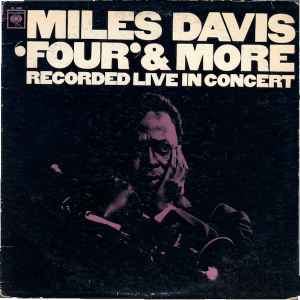 'Four' & More (Recorded Live In Concert)Miles Davis
 - 17
 Solo Flight • The Genius Of Charlie ChristianCharlie Christian
 - 18
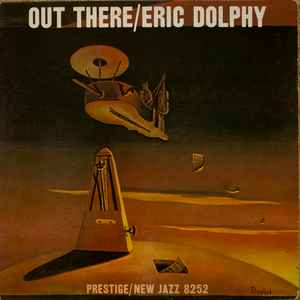 Out ThereEric Dolphy
 - 19
 Basie In LondonCount Basie Orchestra
 - 20
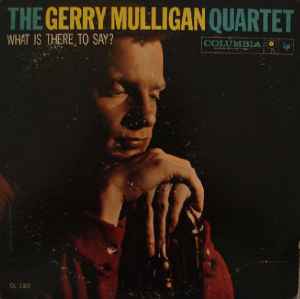 What Is There To Say?Gerry Mulligan Quartet
 - 21
 After MidnightNat 'King' Cole And His Trio*
 - 22
 At NewportDizzy Gillespie
 - 23
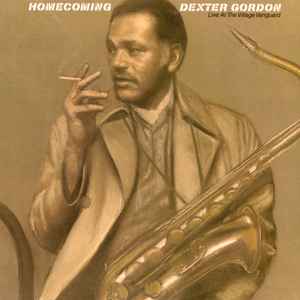 Homecoming - Live At The Village VanguardDexter Gordon
 - 24
 A Portrait Of Louis Armstrong 1928Louis Armstrong25 copies from €6.16
 - 25
 5 By Monk By 5Thelonious Monk Quintet*
 - 26
 Pres And TeddyThe Lester Young-Teddy Wilson Quartet
 - 27
 The BridgeSonny Rollins
 - 28
 Song For My Father (Cantiga Para Meu Pai)The Horace Silver Quintet
 - 29
 At Mister Kelly'sAnita O'Day
 - 30
 ConcordeThe Modern Jazz Quartet
 - 31
 Mr. Wilson (The Fabulous Teddy Wilson At The Piano)Teddy Wilson
 - 32
![Music Made Famous By Glenn Miller [Silver Jubilee Album]](https://i.discogs.com/E0z9N3MHdJ9aHrLhJBAY2kOFg6AAHCLeRg2ltoyG-x4/rs:fit/g:sm/q:40/h:300/w:300/czM6Ly9kaXNjb2dz/LWRhdGFiYXNlLWlt/YWdlcy9SLTc3Mjcy/NjktMTQ0NzUzNDg2/MC04MTE0LmpwZWc.jpeg) Music Made Famous By Glenn Miller [Silver Jubilee Album]Tex Beneke, Ray Eberle, The Modernaires, Paula KellyOn the chapter "Glenn Miller"
Music Made Famous By Glenn Miller [Silver Jubilee Album]Tex Beneke, Ray Eberle, The Modernaires, Paula KellyOn the chapter "Glenn Miller" - 33
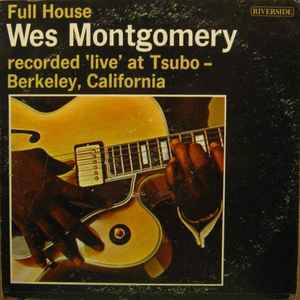 Full HouseWes Montgomery
 - 34
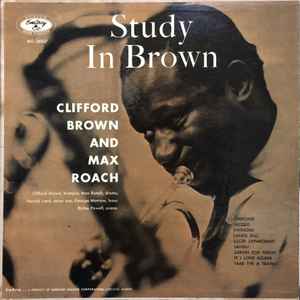 Study In BrownClifford Brown And Max Roach
 - 35
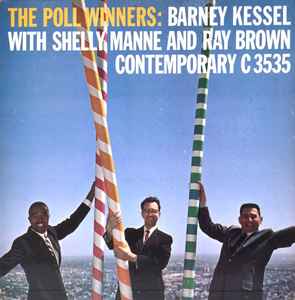 The Poll WinnersThe Poll WinnersOn the chapter "Ray Brown"
 - 36
 Olé TorméMel Tormé, Billy May
 - 37
 At The Black Hawk Vol. 1Shelly Manne & His Men
 - 38
 DuetChristy*, Kenton*
 - 39
 DjangologyDjango Reinhardt, The Quintet Of The Hot Club Of France*, Stephane Grappelly*
 - 40
 Norman Granz' Jazz At The Philharmonic (Vol. 16)Norman Granz' Jazz At The Philharmonic*On the chapter "Oscar Peterson"
 - 41
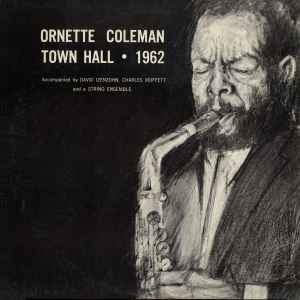 Town Hall • 1962Ornette Coleman
 - 42
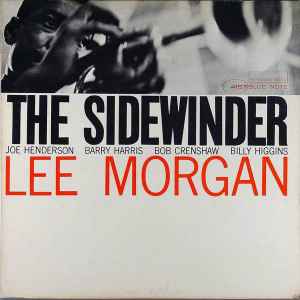 The SidewinderLee Morgan
 - 43
 Little Jimmy Rushing And The Big BrassJimmy Rushing And His Orchestra
 - 44
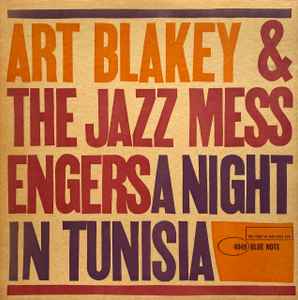 A Night In TunisiaArt Blakey & The Jazz MessengersOn the chapter "Bobby Timmons"
 - 45
 Gene Krupa Plays Gerry Mulligan ArrangementsGene Krupa
 - 46
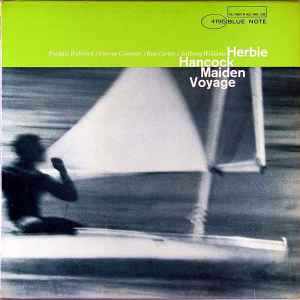 Maiden VoyageHerbie Hancock
 - 47
 You Better Know It!!!Lionel Hampton
 - 48
 Windows OpenedHerbie Mann
 - 49
 Memphis In June / The Riddle SongHoagy Carmichael, Josh White2 copies from €12.76
 - 50
 Music For The Late Hours: The Tony Bennett Song BookThe Ralph Sharon TrioOn the chapter "Tony Bennett"
 - 51
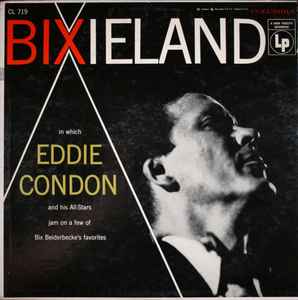 BixielandEddie Condon And His All-Stars
 - 52
 Storyville Presents Jackie And RoyJackie And Roy*
 - 53
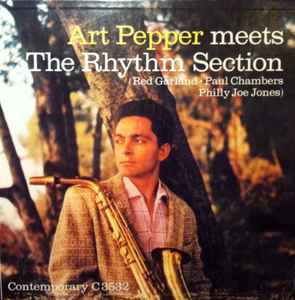 Art Pepper Meets The Rhythm SectionArt Pepper
 - 54
 Swing Easy! And Songs For Young LoversFrank Sinatra
 - 55
 Dream Of YouHelen MerrillOn the chapter "Gil Evans"
Browse in the Sheet Music Library:
Or browse in the categories menus & download the Library Catalog PDF:
Haruki Murakami, a jazz fan?
Haruki Murakami’s deep obsession with jazzshapes both who he is as a person and how he constructs his novels. He doesn't just listen to jazz; he views it as the very foundation of his identity and his literary style.
The roots of his lifelong passion stem from a few pivotal life chapters:
Murakami’s obsession began in January 1964. As a 15-year-old in Kobe, he attended a live concert by Art Blakey and the Jazz Messengers. Hearing legends like Wayne Shorter and Freddie Hubbard perform live completely blew his mind. As he later recalled, "I had never heard such amazing music. I was hooked." From that moment on, jazz became his primary lens for experiencing the world.
Before he ever wrote a single line of professional fiction, Murakami was a music entrepreneur. In 1974, to avoid working a standard corporate office job, he and his wife Yōko opened a jazz cafe and bar in Tokyo called Peter Cat.
He spent seven years washing dishes, mixing drinks, and spinning vinyl from morning to night just so he could be completely surrounded by the music. It was actually at a table in Peter Cat after hours that he scribbled out his very first novel.
Murakami famously states that he never actually learned how to write from other authors. Instead, he learned how to write from jazz. He structurally translates musical elements directly onto the page:
- Rhythm: He believes a story must have a steady, natural pulse to keep a reader turning pages.
- Melody: To Murakami, this means arranging words so flawlessly that they seamlessly match the internal rhythm.
- Harmony: The deep, subconscious emotional layers that support his narratives.
- Improvisation: He writes by getting into a psychological "flow state," letting the narrative unfold freely from his mind just like a jazz soloist improvising on stage.
His love for the genre is reflected in his staggering physical collection. Murakami owns over 10,000 jazz vinyl records in his private study. He listens to them continuously while working, which explains why iconic records and jazz history organically bleed into the plots of masterpieces like Norwegian Wood, Kafka on the Shore, and 1Q84.
Stan Getz and John Coltrane represent two opposite poles of the jazz spectrum, and Haruki Murakami uses them in entirely different ways to shape the atmosphere, themes, and narrative styles of his individual books.
Where Getz brings a sense of cool detachment and bittersweet lyricism, Coltrane provides intense, hypnotic, and world-altering gravity.
Stan Getz: The Master of "Cool Distance"
Murakami has written extensively about his fascination with Stan Getz. For Murakami, Getz’s saxophone represents a unique blend of emotional lyricism and a light, unpretentious touch. In his writing, Getz is used to evoke nostalgia, urban isolation, and "cool" emotional defense mechanisms.
- A Wild Sheep Chase & Hard-Boiled Wonderland and the End of the World: In these earlier novels, tracks like Getz’s "Jumpin' With Symphony Sid" provide the backdrop for Murakami's trademark lonely, jazz-loving protagonists. Getz's music embodies a state of being "alone but comfortable"—the perfect soundtrack for characters navigating strange, surreal urban underworlds without losing their composure.
- Kafka on the Shore: The legendary bossa-nova collaboration album Getz/Gilberto is explicitly mentioned in the text. Murakami weaves this music into the narrative to create a soft, sun-drenched, yet deeply melancholic atmosphere that mirrors characters who are caught between their chaotic realities and a peaceful, alternative subconscious world.
- The Prose Style Influence: Murakami famously noted that he learned how to write with a "certain feeling of distance" from Getz. Getz's music doesn't forcefully demand your attention; it flows naturally, a technique Murakami adopted by using simple, unhurried prose that quietly slides into deep emotional territory without being overly melodramatic.
John Coltrane: The Hypnotic and Transcendent Force
If Stan Getz is a cool breeze, John Coltrane is a psychological thunderstorm. Murakami uses Coltrane to signal profound internal shifts, obsession, or the darker undercurrents of the human psyche.
Kafka on the Shore: Coltrane's rendition of "My Favorite Things" acts as a literal psychological trigger in the book. Murakami describes the intense impact of the track on a deeply visceral level:
"Somewhere along the line Coltrane's soprano sax runs out of steam. Now it's McCoy Tyner's piano solo I hear... The patient, repeating music ever so slowly breaks apart the real, rearranging the pieces. It has a hypnotic, menacing smell..."
Here, Coltrane doesn't just provide background ambiance—his dense, improvisational style actively mirrors the psychological "breaking apart" of reality that the characters experience as they cross over into surreal, magical realms.
Norwegian Wood: Set in the late 1960s against the backdrop of student protests, Coltrane is used as a generational and historical marker. Murakami explicitly writes, "Death had already taken John Coltrane, who was joined now by so many others." Here, Coltrane’s passing symbolizes the death of an optimistic, revolutionary era. Later, the fiery character Midori uses Coltrane to criticize pseudo-intellectual university students, noting they "all get off listening to John Coltrane" to look radical, contrasting superficial trends with Coltrane's actual raw, spiritual intensity.
Summary Comparison
| Jazz Musician | Narrative Function in Murakami's Books | Core Emotional Vibe | Key Book Appearments |
|---|---|---|---|
| Stan Getz | Evokes nostalgia, personal space, and urban solitude. | Lyrical, bittersweet, detached, and "cool". | Kafka on the Shore, A Wild Sheep Chase |
| John Coltrane | Signals psychological breakdown, spiritual shifts, or historical gravity. | Intense, hypnotic, transcendent, and heavy. | Kafka on the Shore, Norwegian Wood |
Haruki Murakami's Bibliography
Main article on Wikipedia: Haruki Murakami bibliography Novels
- 1979: Hear the Wind Sing
- 1980: Pinball, 1973
- 1982: A Wild Sheep Chase
- 1985: Hard-Boiled Wonderland and the End of the World
- 1987: Norwegian Wood
- 1988: Dance Dance Dance
- 1992: South of the Border, West of the Sun
- 1994–1995: The Wind-Up Bird Chronicle
- 1999: Sputnik Sweetheart
- 2002: Kafka on the Shore
- 2004: After Dark
- 2009–2010: 1Q84
- 2013: Colorless Tsukuru Tazaki and His Years of Pilgrimage
- 2017: Killing Commendatore
- 2023: The City and Its Uncertain Walls
- 2026: The Tale of Kaho
Short story collections
- 1981: Let's Meet in a Dream
- 1993: The Elephant Vanishes
- 2000: after the quake
- 2006: Blind Willow, Sleeping Woman
- 2014: Men Without Women
- 2020: First Person Singular