
Scores for all instruments: 16,000+ (active and growing), over 236,000 pages.
All genres and levels: Jazz & Blues, Rock & Pop, Classical & Contemporary, Film & Musicals;
books & biographies; methods, études, play-along tracks (MP3) for Jazz & Rock.
Access & benefits: US$15.99 one-time payment, valid for lifetime, full Library access.
Table of Contents
Jimi Hendrix: The Electric Guitar's Supreme Architect
Biography
James Marshall "Jimi" Hendrix was born Johnny Allen Hendrix on November 27, 1942, at Seattle's King County Hospital. His father, James "Al" Hendrix, later renamed him James Marshall. He grew up in a poverty-stricken, broken home in Seattle, a childhood marked by hand-to-mouth existence and a father who was often authoritarian and hard-working. His mother, who was separated from Al Hendrix, drank herself to death before Jimi was sixteen years old. As a shy kid, he plucked at a broken ukulele, and his father would hit him for playing left-handed. When Jimi was thirteen, his father taught him to play an acoustic guitar.
The best sheet music download from our Library.
Please, subscribe to our Sheet Music Library. Sheet music should be accessible and affordable for all musicians, from professionals to absolute beginners.
In 1959, Hendrix dropped out of high school and enlisted in the U.S. Army, becoming a reluctant recruit of the 101st Airborne. His military career was undistinguished; he was discharged in 1962 after injuring his back in a parachute jump. Despite the unremarkable army career, the travel involved exposed him to many different types of music.
Search your favorite sheet music in the Sheet Music Library Catalog


After his discharge, Hendrix found his way to the rough-and-tumble rhythm and blues club circuit, playing as a sideman with the likes of Little Richard, Ike and Tina Turner, the Isley Brothers, and Sam & Dave. None of these bandleaders knew what to make of his spotlight-stealing rock guitar experimentation, the likes of which had never been heard before. From 1962 to 1966, he learned to please a crowd, deal with racism, and navigate shady music industry characters, all while evolving his own astonishing style.
In New York's Greenwich Village, Hendrix played in a tiny basement club, the Café Wha?, where he was "discovered" by Chas Chandler, the ex-bass player from The Animals. Chandler couldn't believe his ears and quickly offered his services as a manager. In 1966, he brought Hendrix to London, where The Jimi Hendrix Experience was formed with bassist Noel Redding and drummer Mitch Mitchell. Almost instantly, the likes of Pete Townshend and Eric Clapton were enthralled by him.
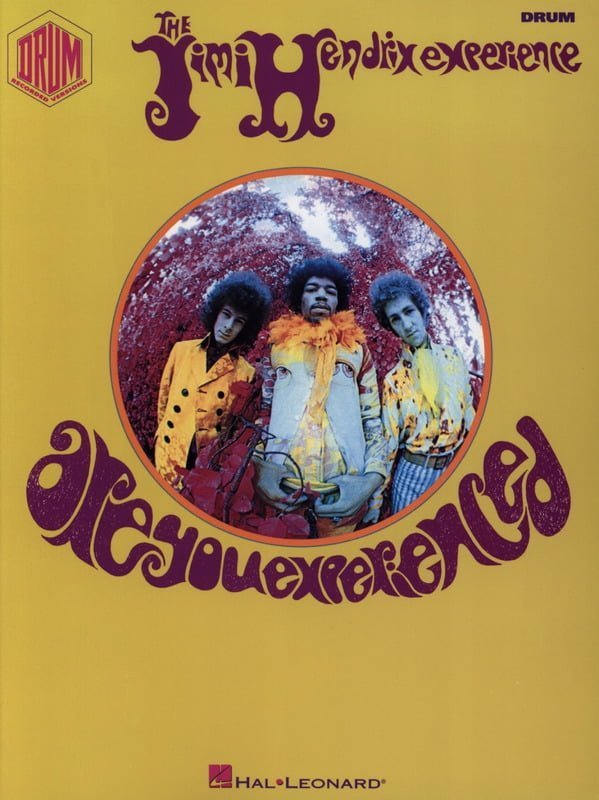
The Experience's first single, "Hey Joe," spent ten weeks in the UK charts, peaking at No. 6 in early 1967. This was quickly followed by their debut album, Are You Experienced?, a psychedelic musical compilation featuring anthems of the generation like "Purple Haze," "The Wind Cries Mary," and "Foxey Lady". Although Hendrix experienced overwhelming success in Britain, it wasn't until he returned to America in June 1967 that he ignited the crowd at the Monterey International Pop Festival with his incendiary performance of "Wild Thing," literally setting his guitar on fire.
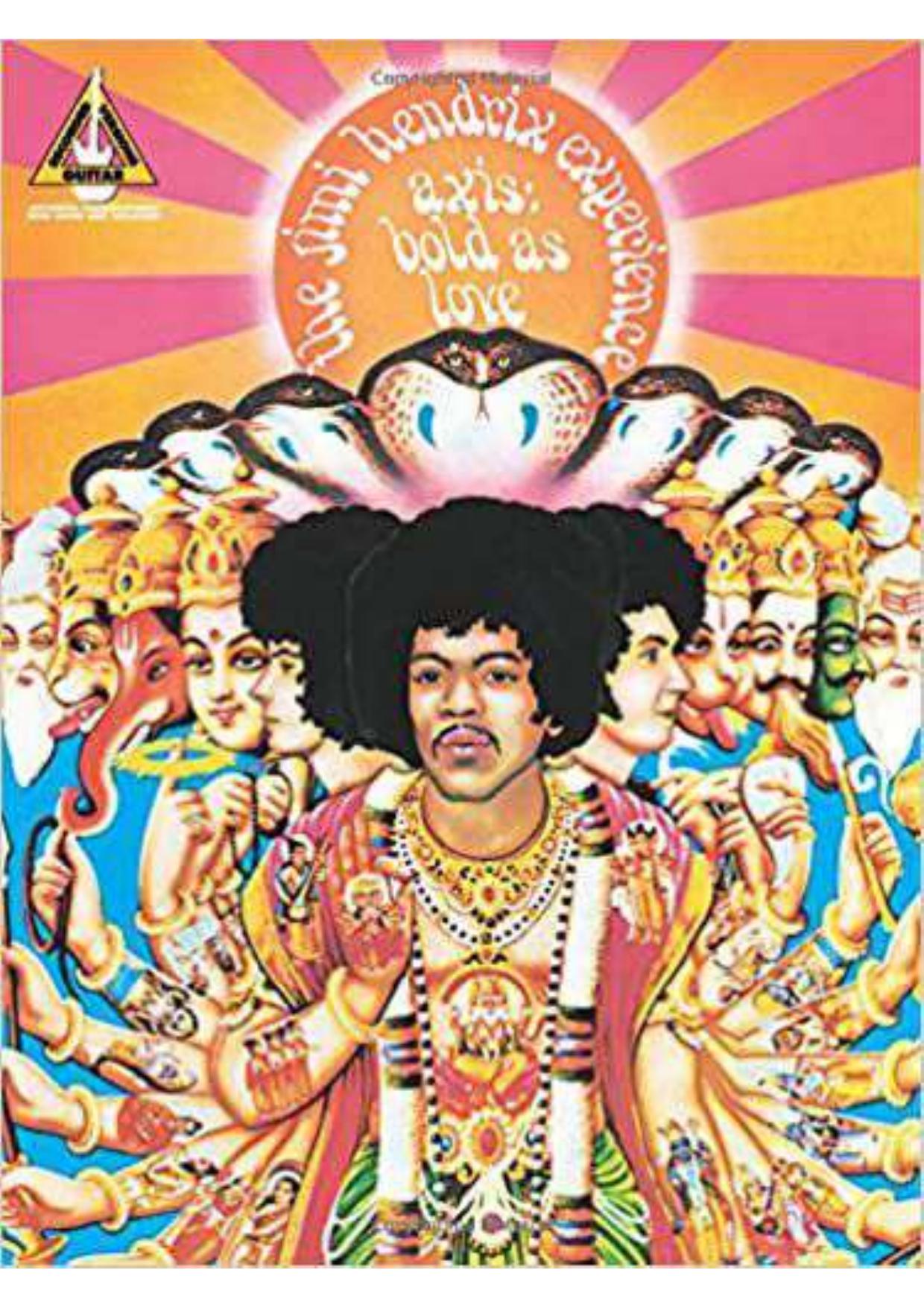
Hendrix followed up Are You Experienced? with Axis: Bold As Love in 1967 and Electric Ladyland in 1968. By 1968, he had taken greater control over the direction of his music, spending considerable time working the consoles in the studio. Unable to read or write music, he used the recording studio like no artist before him, obsessed with preserving every idea on magnetic tape.
At the time of his death on September 18, 1970, in London, Jimi Hendrix was 27 years old and had a mainstream career of just four years. He died from barbiturate-related asphyxia, choking on his own vomit in the back of an ambulance. His father, Al Hendrix, later set up Experience Hendrix, a company aimed at preserving Jimi's legacy.
Musical Style and Technique
Jimi Hendrix is by all estimations the ultimate guitar hero, and his innovative style remains unparalleled. Behind his unique playing was not only virtuoso skill but also a wealth of then-new techniques, which he used either first or at least like no other.
Hendrix was a massively influential left-handed guitarist who played a right-handed Fender Stratocaster strung upside down. His "upside down" playing style meant that his volume and tone knobs, pickup switch, and whammy bar were more easily within reach, allowing for seamless control during performance. His large hands wrapped around the neck, with his thumb effortlessly providing bass notes, affording a chord-melody fluency that set him apart.
His technique was revolutionary. Hendrix took all the techniques that were in the guitar vocabulary at the time — including string bending, vibrato, and trills — and took them to the next level. His way of articulating these techniques was very vocal or flute-like, making the guitar sing, cry, and scream. He was the first to fully exploit the tonal possibilities of the vibrato lever (whammy bar), making it an important stylistic element of his playing. His famous version of the American national anthem at Woodstock is unthinkable without this technique.
Hendrix often preferred a really "wobbly" sound to the guitar — piling on the wah-wah, tremolo bar, feedback, and Univibe (or phasing in the studio), so that the actual notes often get submerged under a wave of sound. He hijacked the wah-wah pedal — an effects pedal that changes the tone and frequency of an electric guitar — and became its biggest proponent. In the opening of "Voodoo Child (Slight Return)," he puts his hand across the strings to mute the sound, strumming a "wacka-wacka" rhythm while moving his foot on the pedal gradually from an open position to a down position. He also adds distortion and tape echo, creating a sound that would become synonymous with the theme from Shaft a decade later.
Feedback, in Hendrix's hands, wasn't a chaotic byproduct; it was a force to be summoned and tamed, like a surfer riding an immense, unpredictable wave. He manipulated it with movement, touch, and volume control, sculpting pure sound. His relationship with inventors and pioneering use of new effects — from phasing, "reverse-input" wah, and backward solos — demonstrated his dedication to timbral expression.
Hendrix's physical gestures weren't just part of his stage presence; they were integral to his sound, melding performance with sonic expression. He sometimes played his guitar with his tongue and teeth, overwhelming his audience with various technical tricks. While some critics argue that his reliance on showbiz gimmicks like playing with his teeth was a drawback, for Hendrix, the visual presentation was as important as the music, or rather they went hand-in-hand. His importance lies as much in his overall musical vision as in his guitar skills.

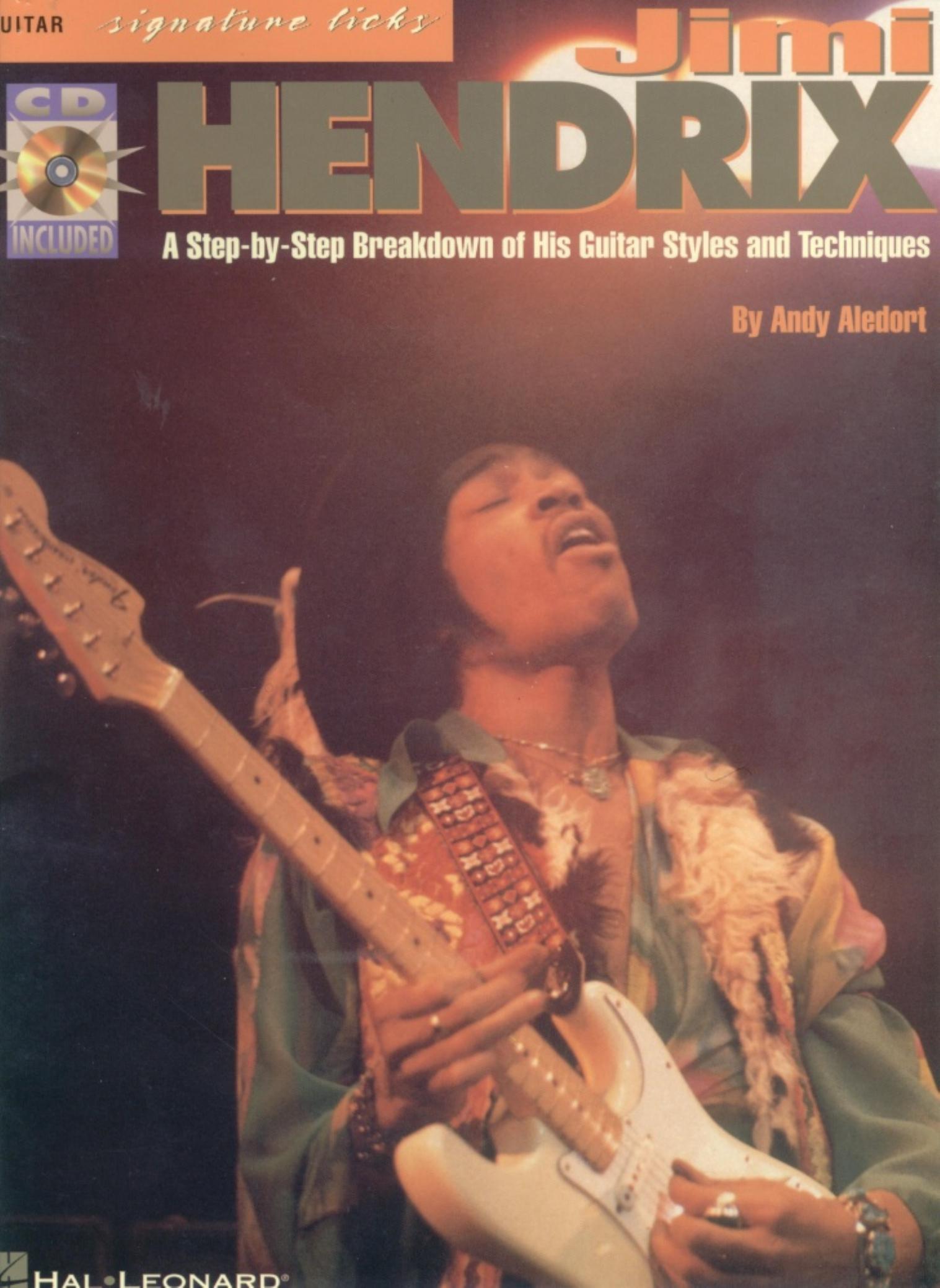

Hendrix was a big fan of using pentatonic scales — scales that use only five notes, as opposed to seven. He almost exclusively used minor and major pentatonic scales, something he picked up from his heroes B.B. King, Muddy Waters, and Buddy Guy. He thought of his solos in a compositional way, dividing them into distinct sections rather than just playing blues licks.
Harmony and the "Hendrix Chord"
Jimi Hendrix's harmonic language was as revolutionary as his technique, and at its center lies the famous "Hendrix chord." This signature musical element is an E7#9 chord — a dominant seventh with an augmented ninth — that Hendrix used in songs like "Purple Haze" and "Foxey Lady".
In "Purple Haze," the second single released on March 17, 1967, Hendrix opens new musical horizons. The first remarkable element is a loop composed solely of major chords: E major, G major, A major. The note G, sometimes sharp (in E major) and sometimes natural (in G major), gives a bluesy side to this hazy riff. Instead of beginning his verse with a simple E major chord, Hendrix stretches it, sensitizes it by adding a fourth note — a seventh, a D note that in the context has no business being there. He even adds a G natural that dissonates, grating against the G sharp and giving an even more tense and nervous quality to the first E major chord. This is the chord known as the "dominant seventh with an augmented ninth" (7#9) — the Hendrix chord.
Hendrix adored this ambivalent, dissonant chord that doesn't resolve in an academic manner. What the #9 adds is a note that functions as both a major third and a minor third simultaneously — G# and G natural sitting on top of each other in the same voicing. Most harmony works by choosing a side; this chord refuses to. By using this as the tonic "home" chord, Hendrix defies the expectation that dissonance should resolve. Instead, he establishes tension as a permanent state, shaping the song's bittersweet, angular harmonic flavor. The Hendrix chord itself is an example of contrastive valence — an expressivity created by the superimposition of oppositional musical intent.
This bittersweet flavor occurs throughout his work. He physically bends and explores the notes between the major and minor 3rd. His use of microtonal inflections, vibrato, expressive slides, and vocal-like phrasing elevates the dissonance beyond harmony alone — it becomes a feature of his entire expressive vocabulary.
Hendrix's use of this chord was not entirely without precedent. The 7#9 chord appears in the blues from which he came, in jazz, and even in classical music, such as in Debussy's "Feuilles Mortes," used to evoke other hazy musical atmospheres. The Beatles also used it in "The Word". But Hendrix generalized its use in a way no one had before, making it his signature.
His compositional strategies were sometimes misinterpreted through the lens of tonal harmony. In analysis of "Little Wing," for example, the belief that Hendrix's music is governed by the rules of tonal harmony can lead to implausible interpretations. Hendrix's music often operated in modal relationships rather than strict tonal frameworks, and his harmonic vocabulary was as instinctive as it was sophisticated. His solo in "Purple Haze" uses the chords E5, F#5, and D5 and the melodic notes of the Dorian mode — a perfectly balanced scale of major and minor scale degrees.
Best Songs and Compositions
Discography
Main articles on Wikipedia: Jimi Hendrix discography, Jimi Hendrix posthumous discography, and List of songs recorded by Jimi Hendrix
The Jimi Hendrix Experience
- Are You Experienced (1967)
- Axis: Bold as Love (1967)
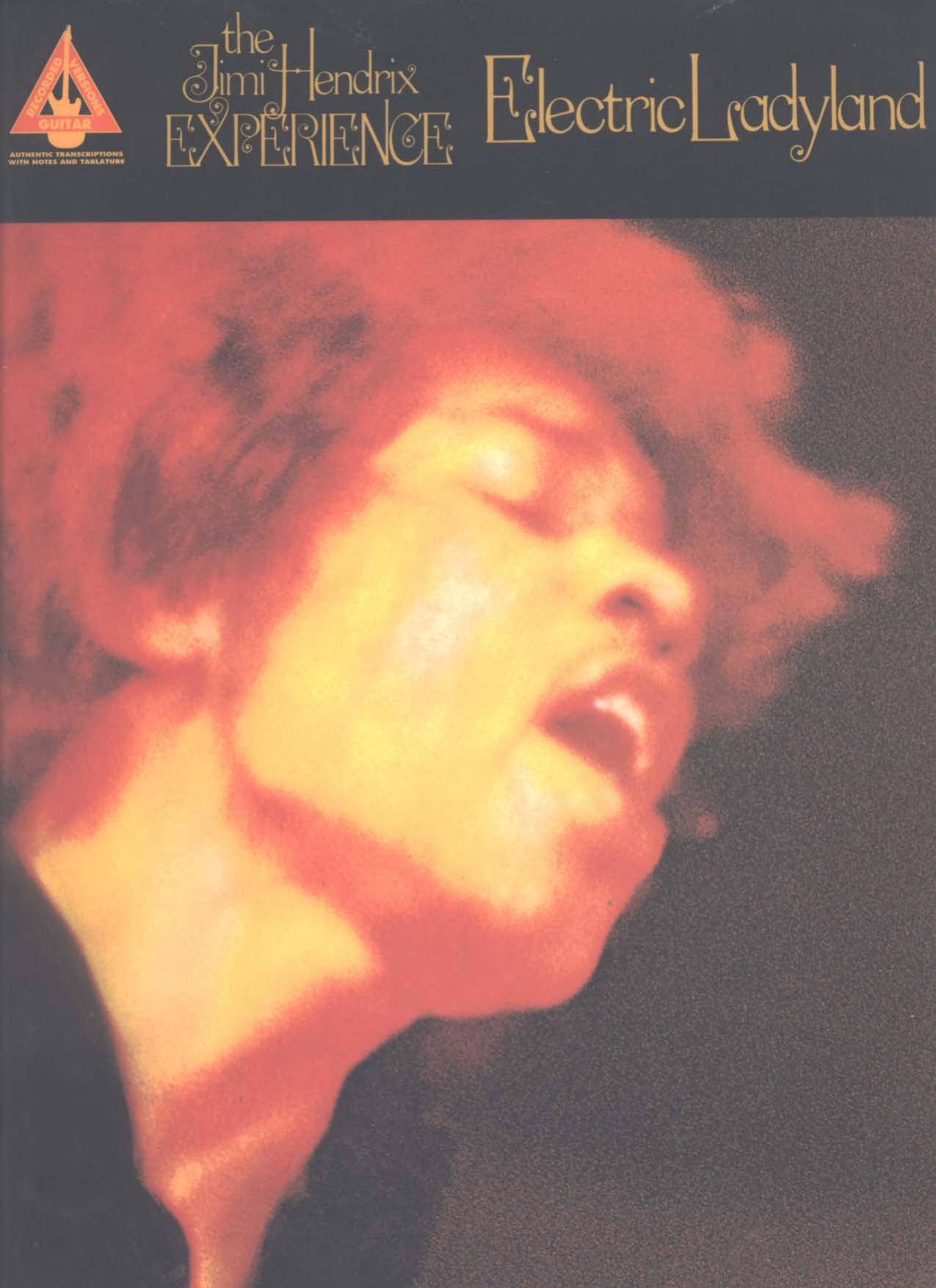
- Electric Ladyland (1968)
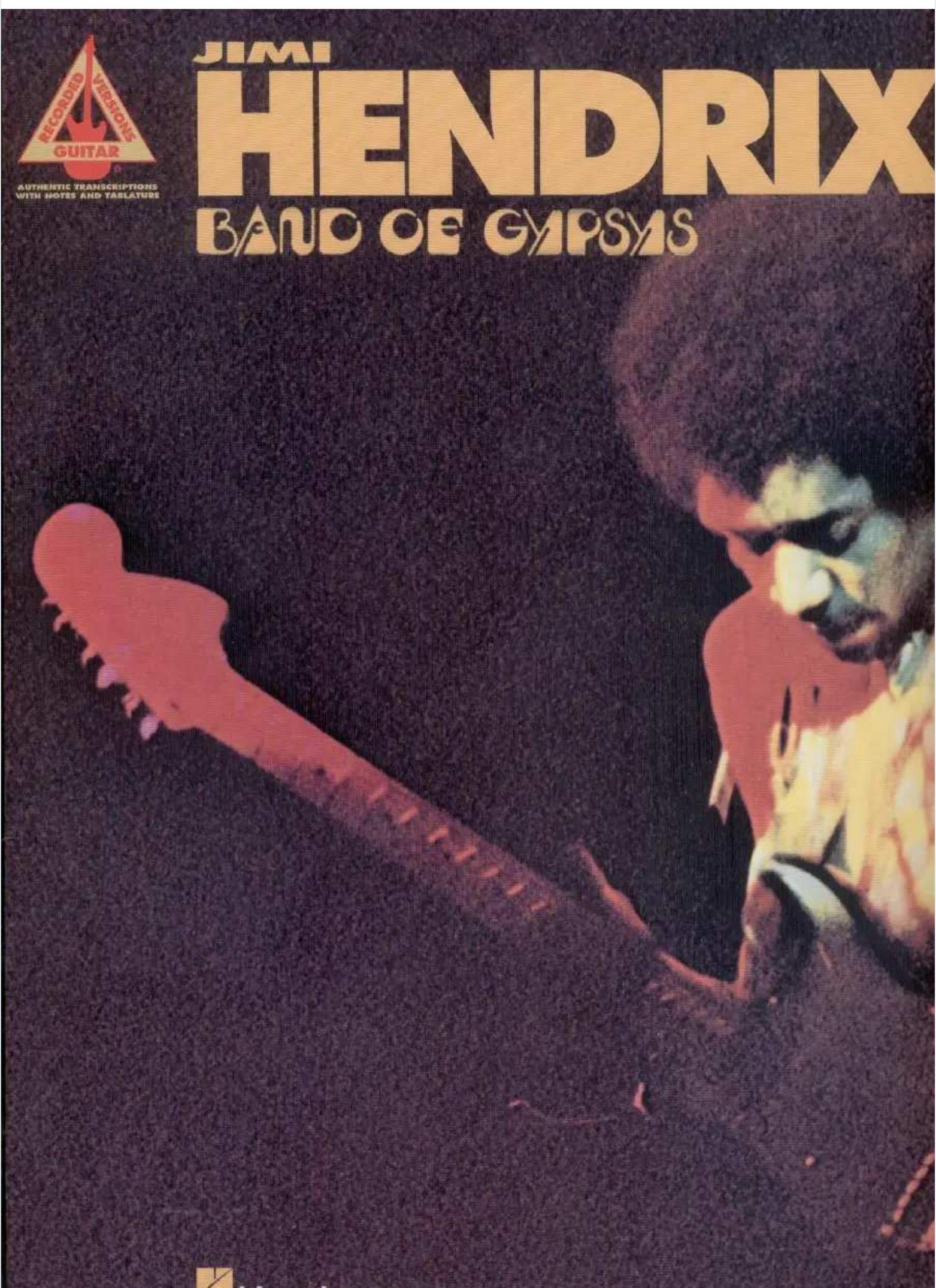
- Band of Gypsys (1970)
Jimi Hendrix's catalog is remarkably deep given his short career. He finished only three studio albums with the Experience — Are You Experienced?, Axis: Bold as Love, and Electric Ladyland — and one live record with Band of Gypsys. Yet the quality and influence of his compositions remain unmatched.
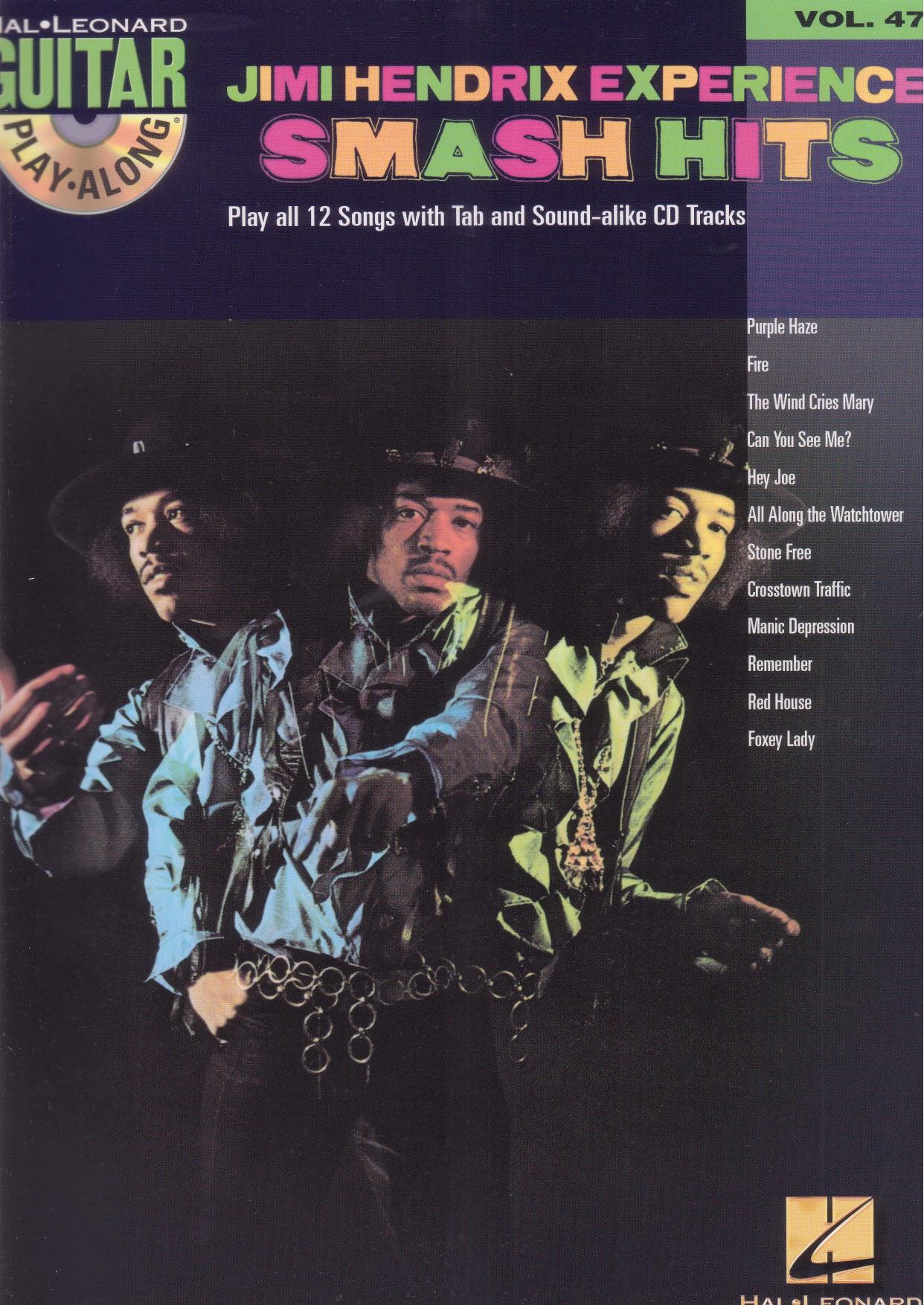
"Purple Haze" (1967) is arguably his most iconic song. Released as the second single, it opens with the revolutionary E7#9 chord that would become synonymous with his name. The song is a psychedelic love song whose name was inspired by a variety of marijuana. It showcased his ability to blend blues, rock, and psychedelia into something entirely new.
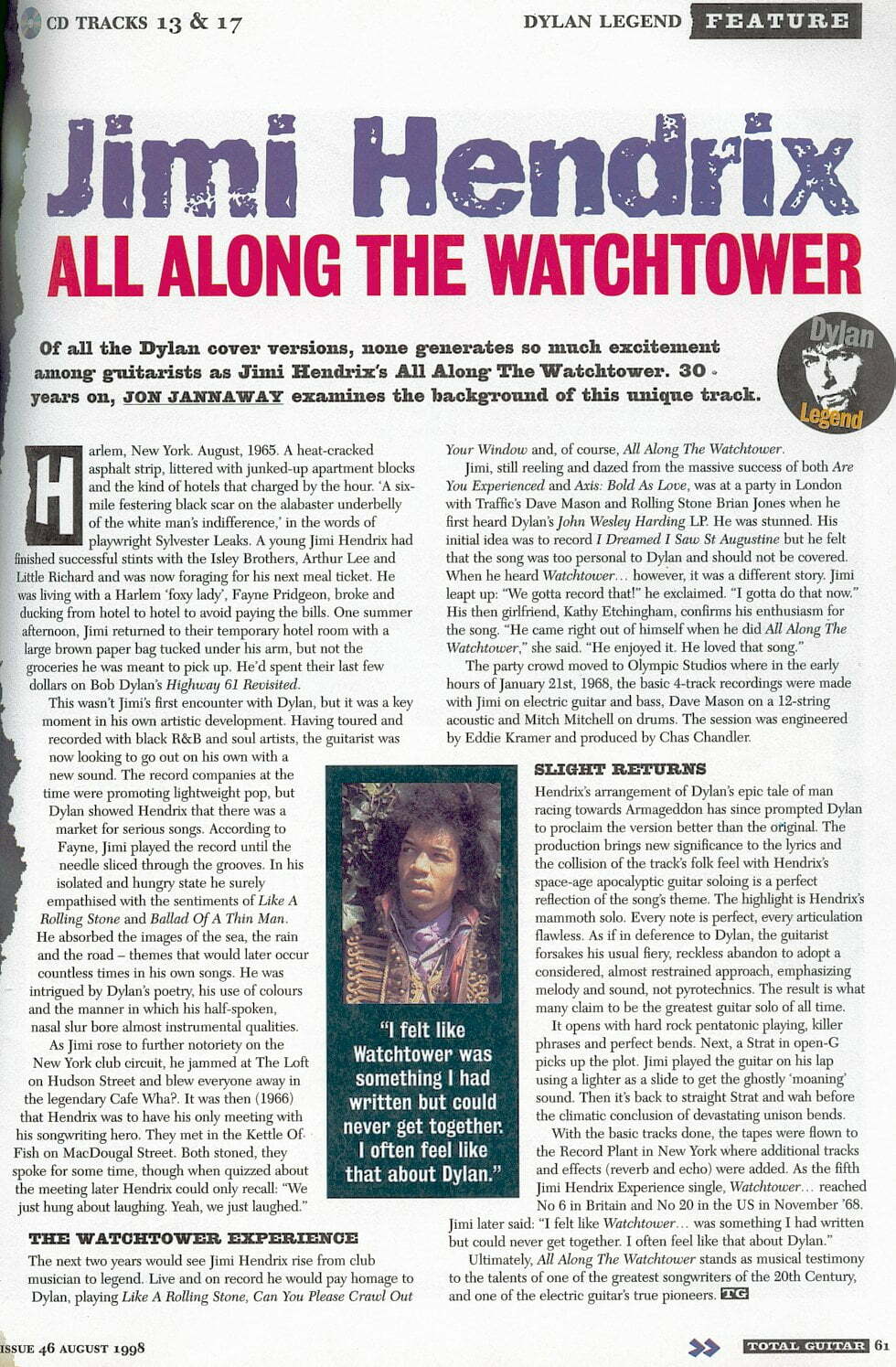
"All Along the Watchtower" (1968) is one of Hendrix's greatest recordings and one of the most celebrated covers of Bob Dylan's original. Hendrix took all the techniques in the guitar vocabulary — string bending, vibrato, and trills — and took them to the next level, making the guitar vocal and flute-like rather than aggressive and machine gun-like. There are essentially three guitar solos throughout the song, and each one sounds like new material, even though he's only working with the five notes of the pentatonic scale. Bob Dylan himself was so impressed that he began performing the song in Hendrix's arrangement.
"Voodoo Child (Slight Return)" (1968) opens with a wash of weird and wonderful effects. The wah-wah sound at the beginning, combined with distortion and tape echo, creates a sonic landscape that would influence countless guitarists. The guitar licks use the minor pentatonic scale, and Hendrix creates an ostinato — a repeated melodic passage — whose rhythm is then picked up by drummer Mitch Mitchell.
"Little Wing" (1967) is often cited as the best example of Hendrix in mellow mode. It has been analyzed extensively for its harmonic sophistication, though some scholars caution against interpreting it through strict tonal harmony rules. The song features Hendrix's most lyrical playing, blending rhythm and lead in a way that was unprecedented.
"The Wind Cries Mary" (1967) was the Experience's third single, written after a spat with his then-girlfriend Kathy (Mary) Etchingham about her cooking. Fittingly, this make-up song is tasteful, containing all the ingredients that elevated Hendrix far above his psychedelic peers. The solo is the most beautiful playing in his entire discography, blending double-stops, rhythm and lead, major and minor harmony, and spacious, lyrical phrasing with breathtaking dynamic range. Chas Chandler recalled that it was recorded, including five guitar overdubs, in just twenty minutes.
"Bold As Love" (1967) is the beautiful closing title track on Axis: Bold As Love, featuring Hendrix's most effortlessly pretty rhythm guitar performance. A loose groove blasts off into a psychedelic sunset after the second chorus, before a false ending gives way to a key change and a heavily phased coda. Hendrix referred to the stereo phasing technique as the sound he had been "hearing in his dreams".
"Hey Joe" (1966) was the Experience's first single and spent ten weeks in the UK charts. Though a cover, Hendrix's arrangement transformed the song into a showcase for his guitar prowess and established his sound in Britain.
Other essential tracks include "Foxey Lady," which features the Hendrix chord prominently; "Manic Depression," with its unusual 3/4 waltz time; "Crosstown Traffic," a funk-rock masterpiece; "Castles Made of Sand," a gentle, philosophical ballad; "Machine Gun," a live improvisation from the Band of Gypsys that stands as one of the most powerful anti-war statements in rock; and "Red House," a straight blues that demonstrated his deep roots in the tradition.
Music in Films
Jimi Hendrix appeared in several commercially released films of concerts and documentaries about his career. Two popular 1960s music festival films stand out: Monterey Pop (1968) and Woodstock (1970). His performance at Monterey Pop, where he set his guitar on fire, became one of the defining moments of the 1960s rock festival era.
A short documentary, Experience (1968), also known as See My Music Talking, was screened during his lifetime. At the time of his death, two concert films were in development. Jimi Plays Berkeley (1971) was the first film featuring Hendrix to be issued posthumously. A second, tentatively titled The Last Experience, was a film of the last British concert of the Jimi Hendrix Experience. However, legal difficulties prevented its release. Over the years, many concert films and documentaries have been released.
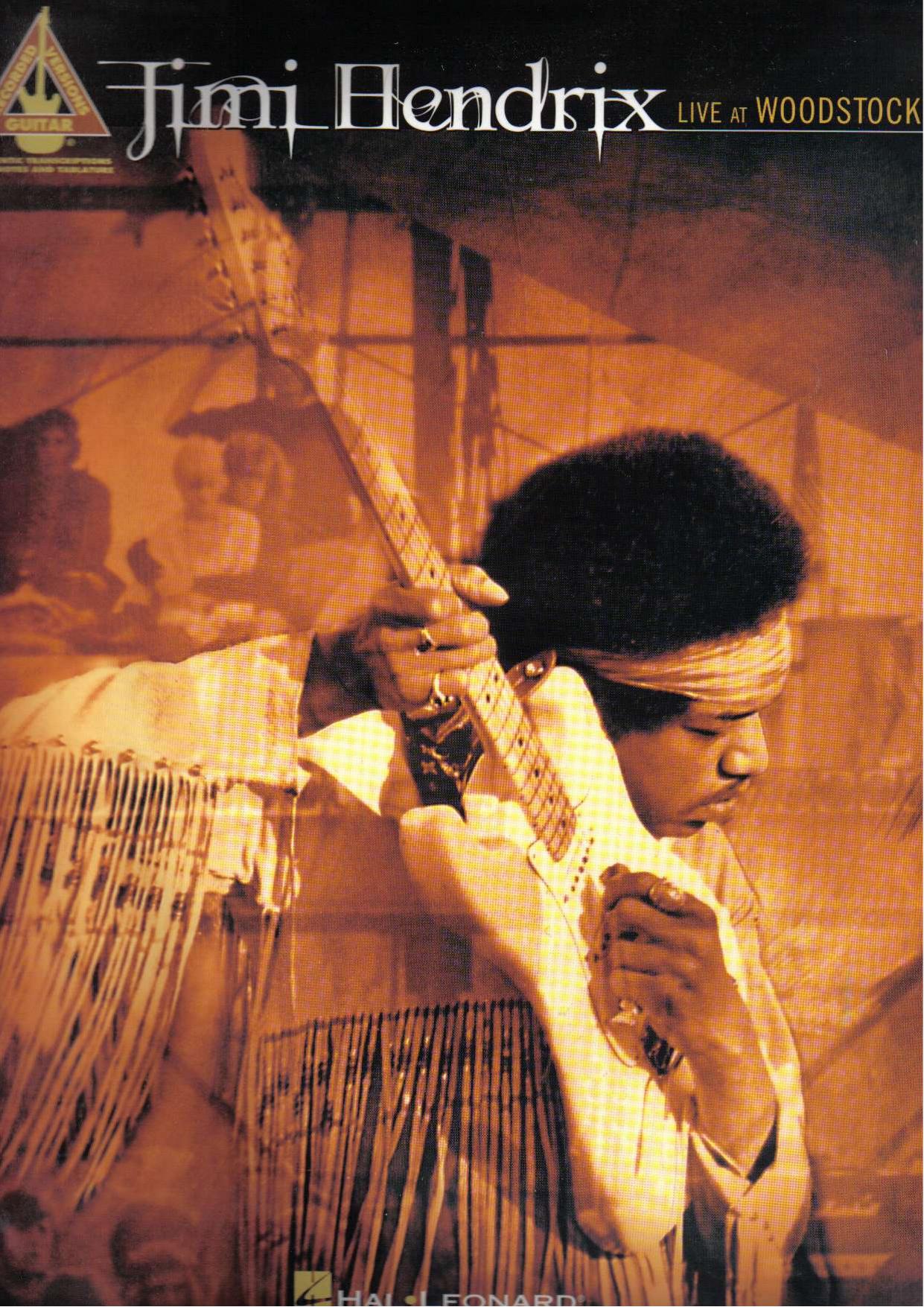
His filmography includes Psych-Out (1968), a psychedelic film in which he appeared as himself. More recent films featuring his music and archival footage include Music, Money, Madness…Jimi Hendrix In Maui (2022), which chronicles the Experience's storied visit to Maui in 1970 for the countercultural film Rainbow Bridge. Jimi Hendrix: Live at Woodstock (1999) and The Jimi Hendrix Experience: Live at Monterey (2007) are also notable releases. His music has appeared in numerous films, including A Bronx Tale (1993) and Look Who's Talking (1989).
Collaborations with Other Musicians
Jimi Hendrix's collaborative spirit was as expansive as his musical vision. Throughout his career, he worked with and planned to work with some of the most innovative musicians of his era.
One of the most tantalizing "what-ifs" in music history is the proposed supergroup featuring Hendrix, jazz trumpeter Miles Davis, and Paul McCartney. In a telegram sent to McCartney at The Beatles' Apple Records in London on October 21, 1969, Hendrix wrote: "We are recording and LP together this weekend in NewYork. How about coming in to play bass stop call Alvan Douglas 212-5812212. Peace Jimi Hendrix Miles Davis Tony Williams". The telegram, complete with typographical errors, is part of the Hard Rock Cafe memorabilia collection. Tony Williams, the American jazz drummer famous for his work with Davis' "Second Great Quintet," would have been on drums. Unfortunately, McCartney was on a Scottish holiday and didn't return for another two weeks, and the collaboration never materialized. Long-time Hendrix engineer Eddie Kramer said of the potential collaboration: "It would have been phenomenal. Lord knows where it may have gone. Those huge egos in the studio at the same time. I would have loved to have done that one. But it was not to be".
Hendrix also expressed admiration for Nina Simone, revealing in a 1970 Guitar Player interview that she was one of the artists he went out of his way to hear, along with the band Mountain.
During his years as a sideman, Hendrix played with Little Richard, Ike and Tina Turner, the Isley Brothers, and Sam & Dave. He also collaborated with bassist Billy Cox and drummer Buddy Miles, who became the rhythm section of Band of Gypsys. Other collaborators included guitarist Stephen Stills (appearing on "Woodstock" and "$20 Fine"), Johnny Winter (on "Things I Used to Do"), and saxophonist Lonnie Youngblood. His journeys into jazz included work with Miles Davis, John McLaughlin, and Rahsaan Roland Kirk; his excursions into blues involved B.B. King, Johnny Winter, and Buddy Guy; and he even backed early rap pioneers The Last Poets.
Influences and Legacy
Hendrix's own influences were myriad, drawing from blues, soul, rock, and jazz. His musical heroes included blues pioneers such as B.B. King and Howlin' Wolf, as well as Elvis Presley and Chuck Berry. His many influences also included the blues showman T-Bone Walker, Muddy Waters, and Bob Dylan. His love of Bob Dylan's music was a significant overlooked aspect of his art.
The legacy of Jimi Hendrix is immeasurable. He is credited with revolutionising guitar-playing and modern music in his few short years. Rolling Stone ranked him first on its list of the "100 Greatest Guitarists of All Time," and the Rock and Roll Hall of Fame described him as "arguably the greatest instrumentalist in the history of rock music". He transformed rock music, established himself as the greatest guitarist of all time, and left a rich legacy of original songs and dazzling recordings.
Since his death, more than 300 albums have been released in his name. Everyone from Motörhead to Metallica, The Pretenders to Prince, has acknowledged their debt to him. Artists who wouldn't have played the instrument the same way if it wasn't for Hendrix include Prince, Eddie Hazel of Funkadelic, Ernie Isley, Slash, Mike McCready, and Kirk Hammett. He shaped the future of music from hard rock to funk to jazz.
Pete Townshend of The Who recalls the immediate impact Hendrix had on musicians and fans alike: "What was striking Eric [Clapton] and I at the time was just Jimi's astonishing voice on the guitar. What you were hearing when you listened to Jimi Hendrix was a connection to outer space. The longing, the deep distant longing of space". One fan's tribute captures the sentiment of many: "To me, Jimi remains the single most important influence on the entire music scene, and there will NEVER be another like him".
Additional Information and Facts
Jimi Hendrix was born Johnny Allen Hendrix but was renamed James Marshall by his father. He loved science fiction and often based his songs on interplanetary landscapes and alien wanderers. He had an incredible sense of humour, was extremely earthy, and could play the blues like nobody else.
Unable to read or write music, Hendrix used the recording studio like no artist before him. His desire to preserve his ideas on magnetic tape became an obsession, whether through hotel room demos, nightclub jam sessions recorded on his hulking Sony or Teac open reel machines, or formal sessions at Olympic, The Record Plant, or his own Electric Lady Studios.
His preferred electric guitar was the Fender Stratocaster, although he liked to smash or burn it occasionally on stage. Not least thanks to Hendrix, this guitar is still one of the best known and best-selling instruments today, almost unchanged since his time.
Hendrix was only alive for 27 years, and his career really only spanned four years. In that short timeframe, he became one of the most influential guitarists in history. Before Hendrix, there was Eric Clapton, B.B. King, Albert King, and Muddy Waters — but every electric guitarist who came after Hendrix took something from his style of playing. He raised the bar in terms of technique and sound, developing a sonically opulent way of playing the guitar. If we consider Hendrix the Leonardo da Vinci of the electric guitar, his body of work is his Mona Lisa.
A postal stamp was issued in his honor in 2014, and he remains a fashion icon as much as a musical one. His live sets at Woodstock and the Isle of Wight have gone down as some of the greatest nights in musical history.
Hendrix's influence extends beyond music into philosophy and cultural studies. In his brief career, he exemplified the interaction of technology and art, as seen in his use of feedback, varieties of noise, and backwards reel-to-reel playing. His relationship with the Black Power movement and his love of Bob Dylan's music are among the overlooked aspects of his art that scholars continue to explore.
In the end, Jimi Hendrix was not merely a guitarist — he was a sound creator, a sonic architect who expanded the expressive potential of the electric guitar beyond what anyone had imagined possible. He took the blues of his heroes and transformed it into something cosmic, something that spoke of "the longing, the deep distant longing of space". His music remains as vital and revolutionary today as it was when he first set the world aflame, and his legacy as the greatest guitarist of all time remains unchallenged.
Browse in the Sheet Music Library:
Or browse in the categories menus & download the Library Catalog PDF: