
Scores for all instruments: 16,000+ (active and growing), over 236,000 pages.
All genres and levels: Jazz & Blues, Rock & Pop, Classical & Contemporary, Film & Musicals;
books & biographies; methods, études, play-along tracks (MP3) for Jazz & Rock.
Access & benefits: US$15.99 one-time payment, valid for lifetime, full Library access.
Table of Contents
Who was Joe Pass (1929-1994)?
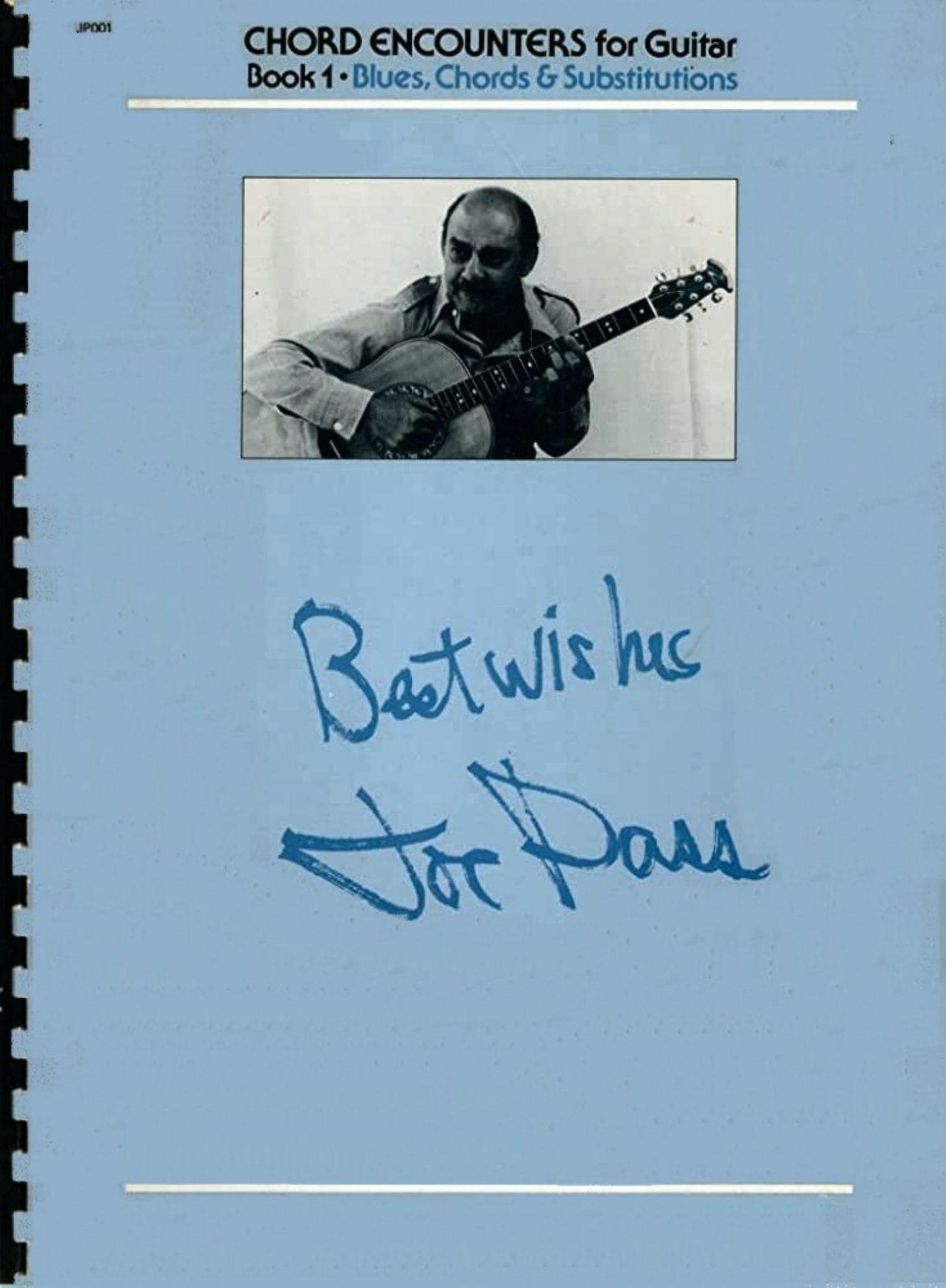
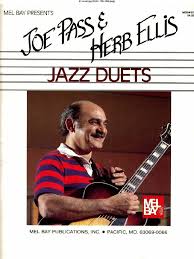


Joe Pass: The Unassuming Virtuoso Who Redefined the Jazz Guitar
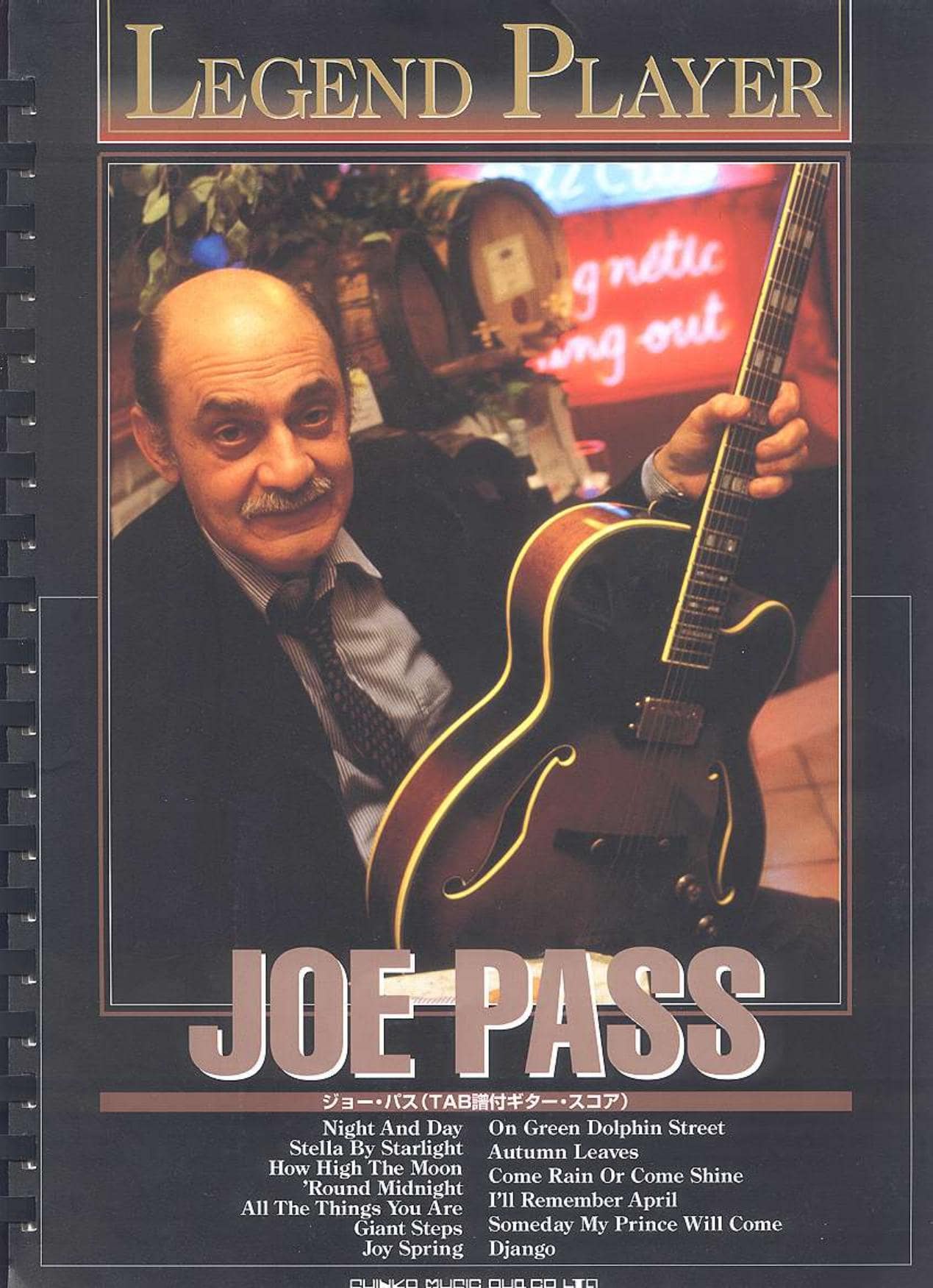
Joe Pass occupies a singular position in the history of jazz guitar. He was not merely a great player; he was a transformative figure who elevated the instrument to unprecedented heights of solo expression, demonstrating that a single guitarist could conjure the harmonic depth of a pianist, the rhythmic drive of a bassist, and the melodic invention of a horn player—all at once. In the words of New York Magazine, "Joe Pass looks like somebody's uncle and plays guitar like nobody's business. He's called 'the world's greatest' and often compared to Paganini for his virtuosity. There is a certain purity to his sound that makes him stand out easily from other first-rate jazz guitarists". Veteran jazz writer Scott Yanow conferred upon him the titles of "the ultimate bebop guitarist," "the epitome of virtuoso guitarists," and "one of the top jazz voices of his generation".
Yet Pass's journey to that pinnacle was neither linear nor easy. It was a path marked by extraordinary youthful discipline, a devastating detour into addiction, a remarkable redemption, and ultimately a prolific creative output that continues to influence guitarists across genres. This article traces his full biography, examines his revolutionary technique and harmonic language, surveys his finest recordings and compositions, explores his work in film music, documents his celebrated collaborations, and assesses his enduring legacy.
Please, subscribe to our Sheet Music Library. Sheet music should be accessible and affordable for all musicians, from professionals to absolute beginners.
The best sheet music download from our Library.
Biography: From Johnstown to the World Stage
Early Life and Prodigious Beginnings
Joe Pass was born Joseph Anthony Jacobi Passalacqua on January 13, 1929, in New Brunswick, New Jersey, to Sicilian immigrant parents. His family soon relocated to Johnstown, Pennsylvania, where he spent most of his youth. His father, Mariano, a steelworker with a deep love of music, presented his son with a Harmony guitar costing $17 for his ninth birthday. The story Joe loved to tell—that he had asked for the guitar after seeing Gene Autry in a Western film—was, like many of his tales, likely embellished. As he admitted, he might have preferred the horse.
What is certain is the extraordinary discipline imposed upon him. His father, though not a professional musician, possessed an unerring instinct for what was necessary. He encouraged Joe to transcribe jazz songs by ear, to adapt non-guitar music to the instrument, and to drill technique relentlessly: scales, modal patterns, chromatic sequences. The regime was severe. Joe was required to practice six hours daily—two before school, two after, and another four after dinner. When his father caught him engaged in other activities, he would receive kicks, leading Joe to joke years later, "I always had to tuck in my behind. Dad's command was: play, play, play!".
By age fourteen, Pass was already gigging at parties and dances, earning $5 per night—more than his steelworker father. It was around this time that jazz entered his life, introduced through the recordings of Django Reinhardt, whose music was beginning to reach American shores. Reinhardt's virtuosity both inspired and intimidated young guitarists in equal measure. Pass's primary influences, however, would come to include Charlie Christian, the electric guitar pioneer whose work with Benny Goodman electrified the jazz world, as well as the bebop-inflected playing of Barney Kessel, Tal Farlow, and Jimmy Raney. Later, Wes Montgomery would join Reinhardt and Christian as the "big three" in his pantheon of guitar inspirations.
Search your favorite sheet music in the Sheet Music Library Catalog

New York, Addiction, and Redemption
In the mid-1940s, while still a teenager, Pass was sent to New York City to study with the guitar legend Harry Volpe. However, upon discovering that Pass was already the superior improviser, Volpe shifted the focus to sight-reading—a subject that held little interest for the young musician. Nonetheless, the energy of New York's jazz scene had captivated him. He soon moved back permanently, performing in clubs with bands led by Tony Pastor and Charlie Barnet. His talent was undeniable, but so too were the temptations of the era.
The 1950s proved catastrophic for Pass. He descended into drug addiction, spending over a decade working in Chicago, New Orleans, Las Vegas, and Casper, Wyoming—not to build a career, but primarily to support his habit. He served time in prison, and his musical potential seemed destined to remain unfulfilled. As Vintage Guitar magazine observed, "Had he not been plagued by drug addiction and incarcerations in the '50s – the era of Kessel, Burrell, and Montgomery – Pass would have been a prominent innovator".
The turning point came in 1960, when Pass landed in Los Angeles seeking studio work. In 1961, he entered the Synanon Foundation in Santa Monica, a rehabilitation program that would change his life. By 1962, clean and sober, he made his first record, Sounds of Synanon, an album that showcased his remarkable abilities and announced the arrival of a major talent.
The Pablo Years and International Acclaim
Despite his triumphant return, Pass remained a relatively obscure figure through much of the 1960s, recording for Pacific Jazz and World Pacific and working as a studio musician. His fortunes changed decisively in 1972 when the legendary impresario Norman Granz discovered him. Granz, who had managed Ella Fitzgerald and Oscar Peterson and founded the Verve label, was launching a new venture called Pablo Records. Pass became the label's central artist.
The year 1973 proved pivotal. Granz recorded Pass alone in the studio with a simple directive: play. The resulting album, Virtuoso, became a landmark of solo jazz guitar. Released in December 1973, it outsold every other Pablo release, establishing Pass as the avatar of unaccompanied jazz guitar. The album's success launched a series—Virtuoso No. 2 (1976), Virtuoso No. 3 (1977), Virtuoso Live! (1991), and Virtuoso in New York (2004)—and cemented his reputation as the most recorded guitarist in jazz history.
Pass's health began to decline in the early 1990s. Diagnosed with liver cancer in 1992, he initially responded to treatment and continued performing. He performed for the final time on May 7, 1994, with fellow guitarist John Pisano at a Los Angeles nightclub. Pisano later recalled that after the performance, Pass said simply, "I can't play anymore." Pass died sixteen days later, on May 23, 1994, at the age of 65.
Musical Style and Technique: The Art of the Impossible
The Solo Guitar Revolution
Joe Pass's most significant contribution to jazz was his revolutionary approach to solo guitar. While Kenny Burrell, Tal Farlow, and Johnny Smith had foreshadowed the solo jazz guitar medium, none defined it with such depth and fervor. Virtuoso marked the pinnacle of solo jazz guitar performance, an album that demonstrated what a single guitarist could achieve without accompaniment.
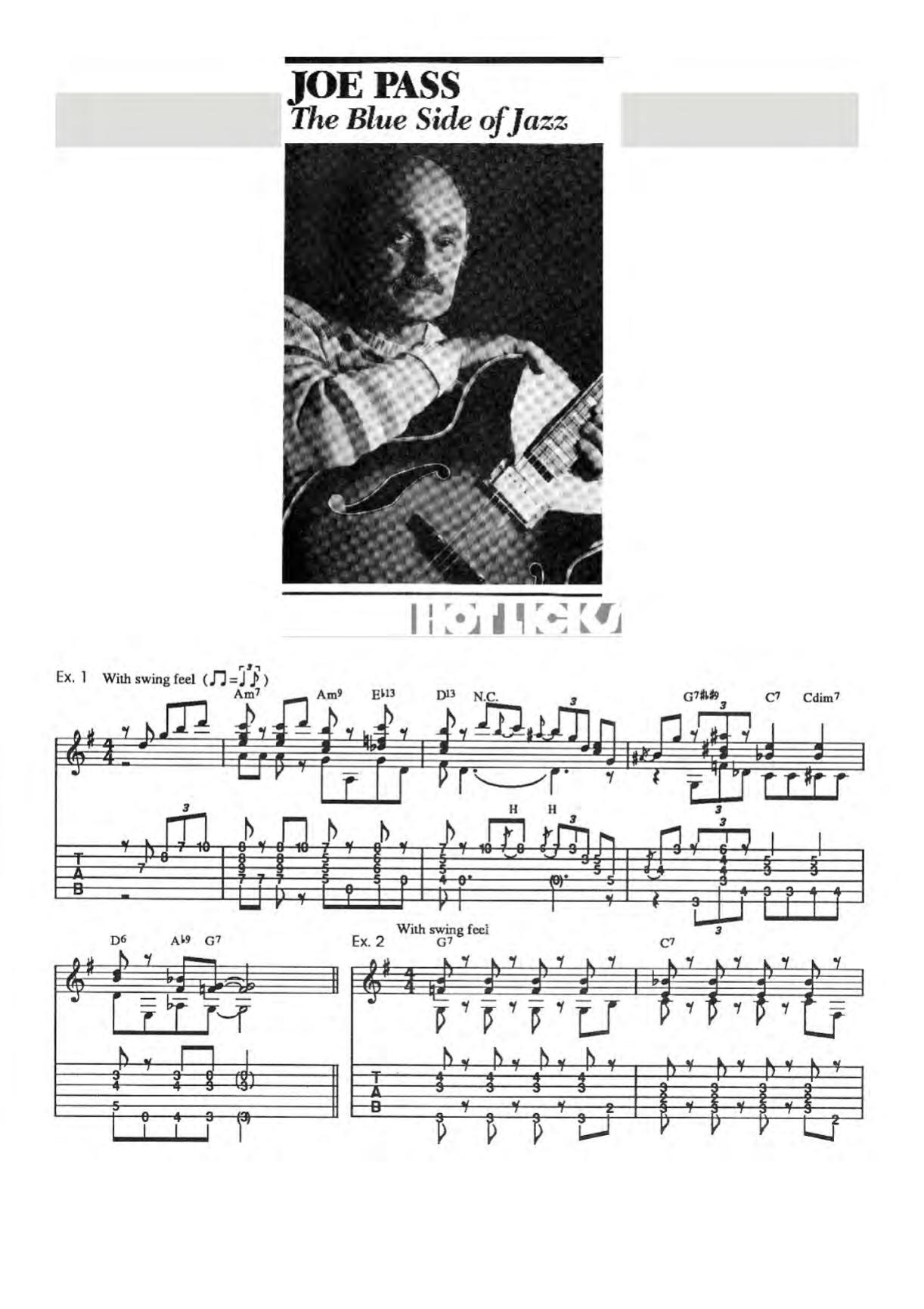
Pass's solo style was essentially pianistic in conception. He approached the guitar as if it were a keyboard instrument, integrating bass lines, chordal accompaniment, and melody simultaneously. His left hand would hold chord shapes while his right-hand thumb maintained a walking bass line, and his fingers executed melodic passages and counterpoint. This technique, known as fingerstyle or fingerpicking, allowed him to create the illusion of multiple instruments playing at once.
Right-Hand Technique: Fingers vs. Pick
One of the most distinctive aspects of Pass's technique was his gradual abandonment of the guitar pick. In his early years, like most jazz guitarists, he used a plectrum. But as his focus shifted increasingly toward solo performance, he recognized the limitations of a pick for achieving the independence of voices he desired. In his 60s, he made a decisive change: "Playing with your fingers is much better for solo guitar. You can get counterpoint, add bass lines. I decided to sacrifice playing fast with a pick to play music with my fingers".
Pass employed a hybrid approach, combining fingerstyle playing with occasional use of a pick for faster passages. Observers who saw him perform live noted that he mostly played fingerstyle, using a pick only for one or two exceptionally fast tunes. His right-hand technique allowed him to articulate melodies with clarity while simultaneously plucking bass notes with his thumb and chording with his other fingers, creating a remarkably full sound.
Harmonic Language and Chord Melody
Pass was an absolute master of fretboard harmony and chord melody. His harmonic vocabulary was vast, drawing on the full resources of bebop, swing, and the Great American Songbook. He had an extraordinary ability to reharmonize standard tunes, embedding passing chords and substitutions that seemed to surround and envelop the melody.
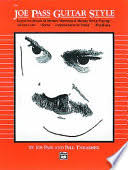
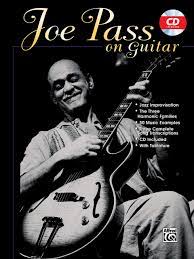
His published guitar methods reveal the systematic nature of his harmonic thinking. Joe Pass Guitar Style divides his approach into sections on chord construction, embellishment, substitution, connection, and symmetric chords, followed by melody studies covering chord scales, altered scales, whole tone scales, and chord resolutions. Joe Pass on Guitar provides "a complete overview of 'The Three Harmonic Families' and the lines, scales, and chord superimpositions and substitutions that comprise this view of Joe's jazz language".
In his solo arrangements, Pass demonstrated an integration of single notes, attention to voice leading, plucked chords, quick runs, arpeggiations, counterpoint, and pianistic textures. His opening phrases in "Night and Day," for example, move seamlessly from hybrid picking to plectrum lines and fingerpicked chording, exploiting block-chord passages, diminished-scale patterns, and surprising octave leaps.
Improvisational Approach
Pass's improvisational style was rooted in bebop but transcended any single idiom. He could swing fiercely at fast tempos while displaying exceptional harmonic imagination on ballads. His single-note playing was world-class, characterized by crisp double-time improvisation, rippling arpeggios, and off-the-cuff counterpoint.
A crucial aspect of his improvisational philosophy was his approach to time and rubato. In solo performances, he played in free time with great rubato feeling, allowing the music to breathe and unfold naturally. As he told an interviewer, "When I solo, I'm thinking mostly about my own harmonies than the time feel". This prioritization of harmonic exploration over strict time-keeping gave his solo work a unique, almost orchestral quality.
Versatility and Adaptability
Pass's adaptability was legendary. He was welcome in virtually any musical setting, capable of playing with small groups, backing singers, or performing in studio orchestras. He worked with a remarkable range of artists, from jazz giants like Count Basie, Duke Ellington, and Dizzy Gillespie to singers including Frank Sinatra, Sarah Vaughan, and Ella Fitzgerald. This versatility stemmed from his deep understanding of harmony and rhythm, as well as his technical command of the instrument.
Best Songs and Compositions
Further information on Wikipedia: Joe Pass discography
Joe Pass's recorded output is vast, encompassing over twenty albums as a leader and appearances on approximately fifty more. While he was primarily an interpreter of standards rather than a prolific composer, his original compositions and definitive interpretations of jazz standards form the core of his legacy.
Landmark Albums
Virtuoso (1973) remains the essential Joe Pass recording. Recorded in a single session on August 28, 1973, at MGM Studios in Los Angeles, the album consists of eleven standards and one original, "Blues for Alican". The tracklist includes definitive solo readings of "Night and Day," "Stella by Starlight," "'Round Midnight," "Cherokee," and "Sweet Lorraine." The album's success was unprecedented for a solo jazz guitar recording, and it remains one of the best-selling albums in the genre's history.
For Django (1964) is another cornerstone of Pass's discography. Recorded as a tribute to Django Reinhardt, the album features Pass's quartet performing Reinhardt's compositions alongside related material. Although Pass was more strongly influenced by Charlie Christian than by Reinhardt, he had no difficulty fitting into the gypsy jazz idiom, and the album stands as one of the finest tributes to the Belgian guitarist ever recorded.
The Trio (1973), recorded live at the London House in Chicago with Oscar Peterson on piano and Niels-Henning Ørsted Pedersen on bass, won the 1975 Grammy Award for Best Jazz Performance by a Group. The album features extended performances of Peterson's "Blues Etude" and "Chicago Blues," showcasing Pass's ability to interact with world-class improvisers in a drummerless trio format.
Original Compositions
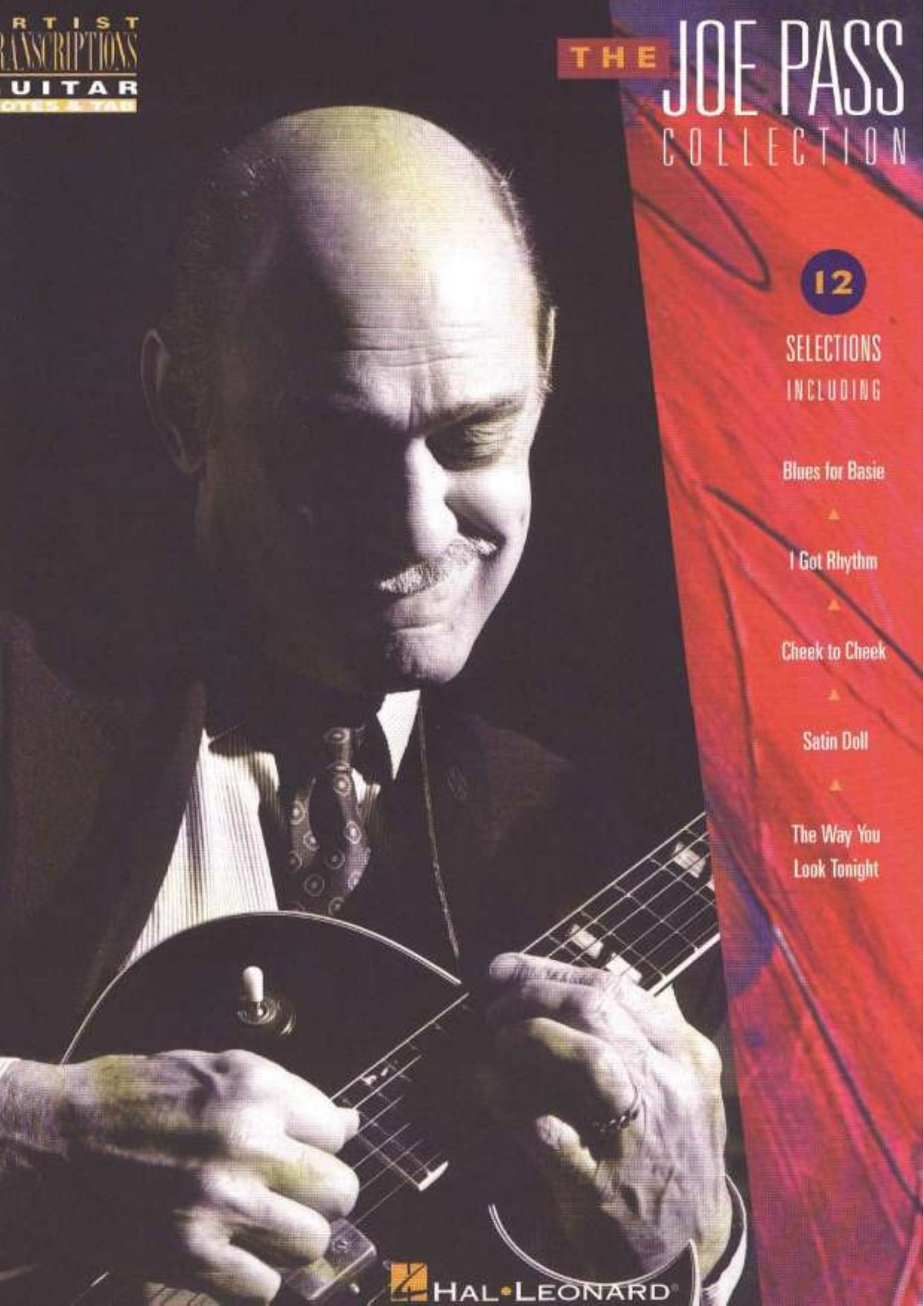
While Pass is best known for his interpretations, several of his originals have become jazz standards. "Blues for Alican," from Virtuoso, is a blues head that demonstrates his compositional economy and melodic gifts. "For Django" and "Django" are tributes to his early influence. Other notable originals include "C.E.D.," "Cavalerie," "Blues for Basie," and "A Foxy Chick and a Cool Cat".
The Virtuoso Series
The Virtuoso albums form a body of work without parallel in jazz guitar. Virtuoso No. 2 (1976) continued the solo format with standards including "Cherokee" and "Autumn Leaves." Virtuoso No. 3 (1977) featured Pass's solo interpretations of songs associated with Fred Astaire. Virtuoso Live! (1991) captured the solo experience in concert, while Virtuoso in New York (recorded 1975, released 2004) offered further solo material from the same fertile period. Additionally, I Remember Charlie Parker (1979), Blues for Fred (1988), Songs for Ellen (1992), and Meditation (1992) continued the solo guitar tradition established by the Virtuoso series.
Film Music and Motion Picture Themes
Joe Pass's work in film music is less well-known than his jazz recordings but constitutes a fascinating dimension of his career. Like many versatile studio musicians, he contributed to motion picture soundtracks and recorded albums of film themes.
12 String Guitar (Great Motion Picture Themes)
In 1964, Pass recorded 12 String Guitar (Great Motion Picture Themes) for World Pacific Records. The album featured Pass performing popular film themes of the day on a twelve-string guitar, an instrument he did not typically play. The tracklist included "Charade," "Sunday in New York," "Carnaval" from Black Orpheus, "Lawrence of Arabia," "Love Theme of Tom Jones," "How the West Was Won," and "Call Me Irresponsible". The album demonstrates Pass's adaptability and his ability to find jazz expression within the constraints of popular material.
A Sign of the Times
A Sign of the Times (1965) continued Pass's engagement with film and popular music, featuring "The Phoenix Love Theme (Senza Fine)" from the 20th Century-Fox film The Flight of the Phoenix, alongside contemporary pop songs like "Nowhere Man" and "Dindi". The album, subtitled "The Guitar and Orchestra of Joe Pass," placed Pass in a lush orchestral setting, a contrast to his solo work.
Studio Work and Soundtracks
Beyond these dedicated albums, Pass contributed to numerous film and television soundtracks as a studio musician. He played in studio orchestras for television shows hosted by Pearl Bailey, Leslie Uggams, and Donald O'Connor. His ability to read music, adapt to any style, and deliver flawless performances made him a first-choice session player throughout the 1960s and beyond.
Collaborations: The Art of Musical Conversation
Ella Fitzgerald
Pass's most celebrated partnership was with Ella Fitzgerald. Between 1973 and 1986, they recorded four duet albums: Take Love Easy (1973), Fitzgerald and Pass... Again (1976), Easy Living (1986), and Speak Love (1983). These albums capture an extraordinary musical intimacy, with Pass providing harmonically rich, rhythmically supple accompaniment that perfectly frames Fitzgerald's voice.
The Oxford Reference guide to Fitzgerald and Pass... Again observes that while "Joe Pass' virtuoso solo albums receive a lot of attention, the guitarist actually shines brighter in tandem with Ella Fitzgerald". Their partnership was characterized by mutual listening and responsiveness; Pass did not merely accompany but engaged in genuine musical dialogue, offering counter-melodies and harmonic suggestions that inspired Fitzgerald's improvisations. They also performed together live, including a celebrated concert at the Palais des Congrès in Paris in 1976.
Oscar Peterson
Pass's collaboration with pianist Oscar Peterson was equally significant. They first recorded together as a trio with bassist Niels-Henning Ørsted Pedersen on The Trio (1973), which won a Grammy. They also recorded The Giants with Ray Brown on bass. These drummerless trios placed extraordinary demands on the musicians, requiring them to generate swing and momentum without percussion. Pass rose to the challenge, his comping and soloing matching Peterson's volcanic energy note for note.
As All About Jazz noted, "The now famous collaboration with Peterson manifested in two drummerless trios... that would become the vehicle in which Pass would change the history of hard bop".
Herb Ellis
Pass's partnership with fellow guitarist Herb Ellis produced three albums: Joe's Blues (recorded 1968, released 1998), Jazz/Concord (1974), and Two for the Road (1974). These duet recordings showcase two masters of the instrument engaging in spirited musical conversation. The interplay between Pass's more modern, harmonically adventurous style and Ellis's swing-based, blues-inflected playing created a compelling contrast. Their duets—including "Bonnie," "Jazz Waltz," "Some of These Days," and "G Blues"—have become staples of the guitar duo repertoire.
John Pisano
Pass frequently collaborated with guitarist John Pisano, particularly in the later years of his career. Their duet album Duets (1991) and live performances together demonstrated Pass's continued creativity and his generosity as a musical partner. Pisano was present at Pass's final performance in 1994, a testament to their deep musical and personal bond.
Other Collaborations
Pass's collaborative reach extended far beyond these primary partnerships. He recorded with saxophonist Zoot Sims (Blues for Two), organist Richard "Groove" Holmes, pianist Les McCann (the 1962 sessions collected on Something Special), and many others. As a sideman, he accompanied Sarah Vaughan, Carmen McRae, Joe Williams, and Billy Eckstine, among others. His ability to adapt to any musical context made him one of the most in-demand guitarists of his generation.
Influences and Legacy
Musical Influences
Pass's early influences were the gypsy phenomenon Django Reinhardt and the great Goodman discovery Charlie Christian. Although he never really emulated Reinhardt's style, the Belgian guitarist's virtuosity and improvisational freedom left an indelible mark. Charlie Christian's single-note lines and horn-like phrasing provided a model for Pass's own bebop-inflected improvisations. Tal Farlow, Barney Kessel, and Jimmy Raney "remained the 'big three' in his pantheon of guitar inspirations".
Crucially, Pass also drew inspiration from pianists—especially Bud Powell, Al Haig, and Art Tatum. This pianistic orientation explains much about his approach to the guitar. He sought to achieve on his instrument what Tatum achieved on piano: a complete, self-sufficient musical statement that could stand alone without accompaniment.
Legacy
Joe Pass's legacy is multifaceted. First and foremost, he established solo jazz guitar as a legitimate and profound medium of expression. Before Virtuoso, few guitarists dared to perform unaccompanied; after Virtuoso, solo guitar became a viable path for serious jazz musicians. As Vintage Guitar magazine put it, "An essential album, Virtuoso marked the pinnacle of solo jazz-guitar performance. Had he not been plagued by drug addiction... Pass would have been a prominent innovator".
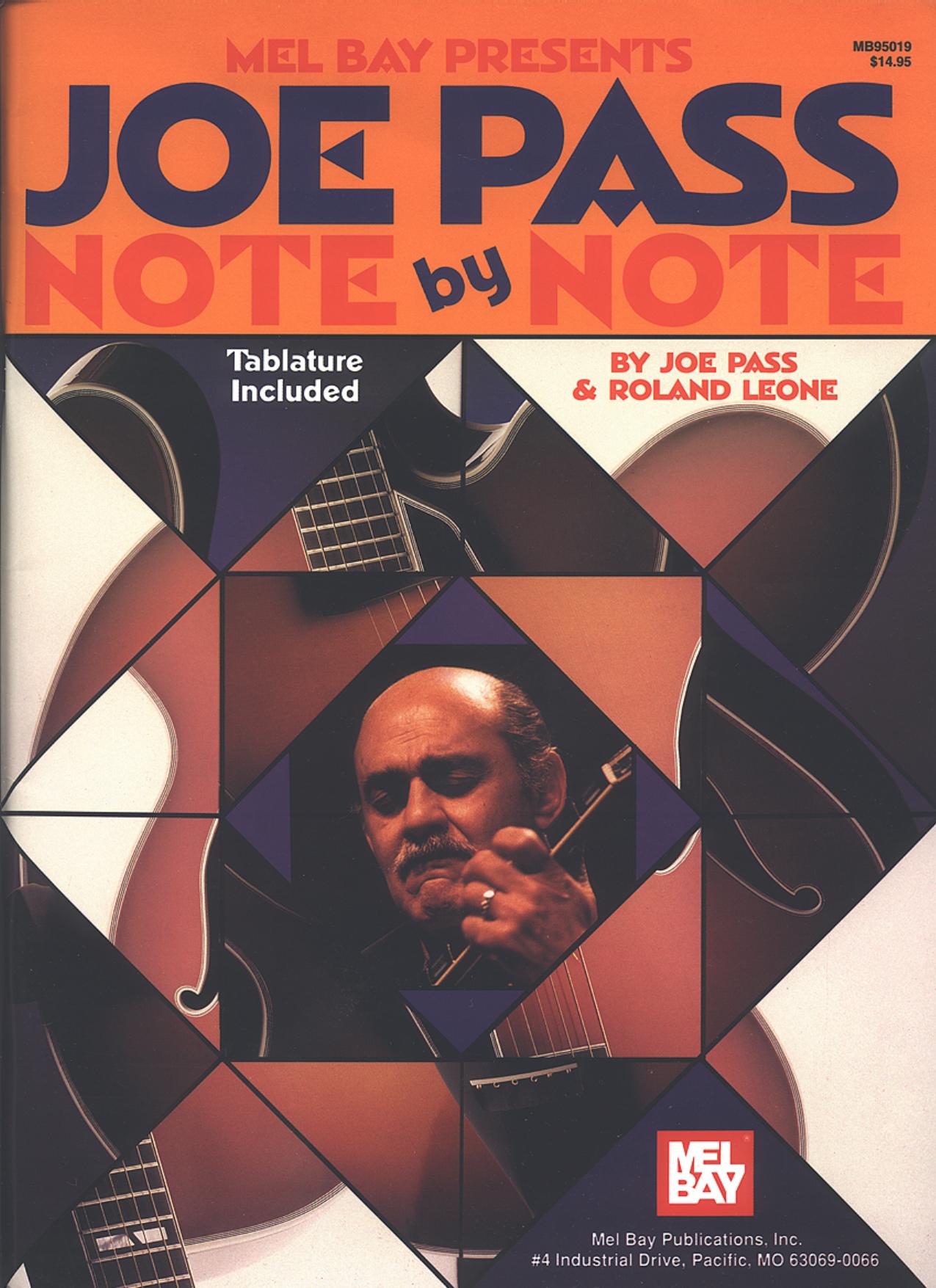
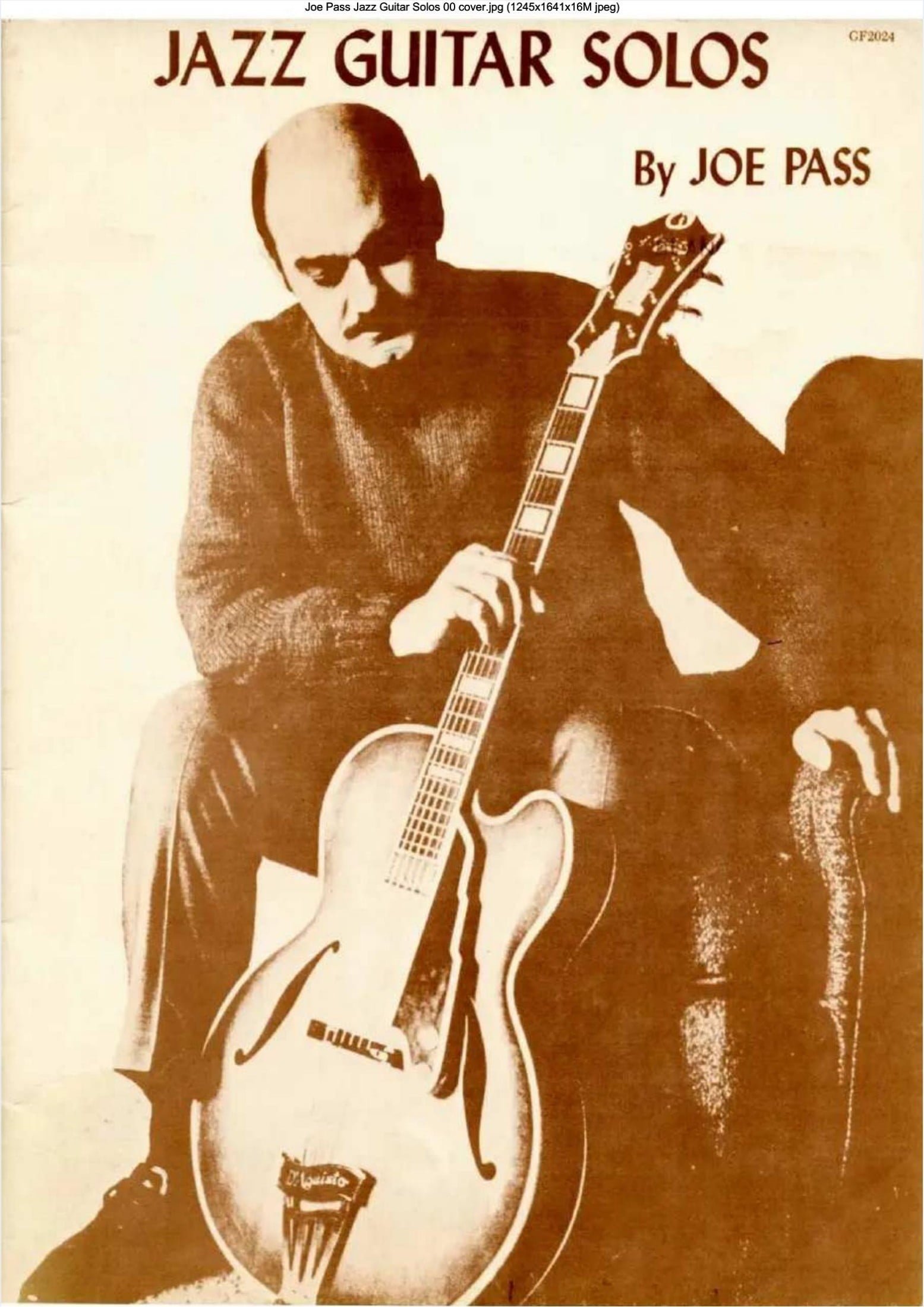
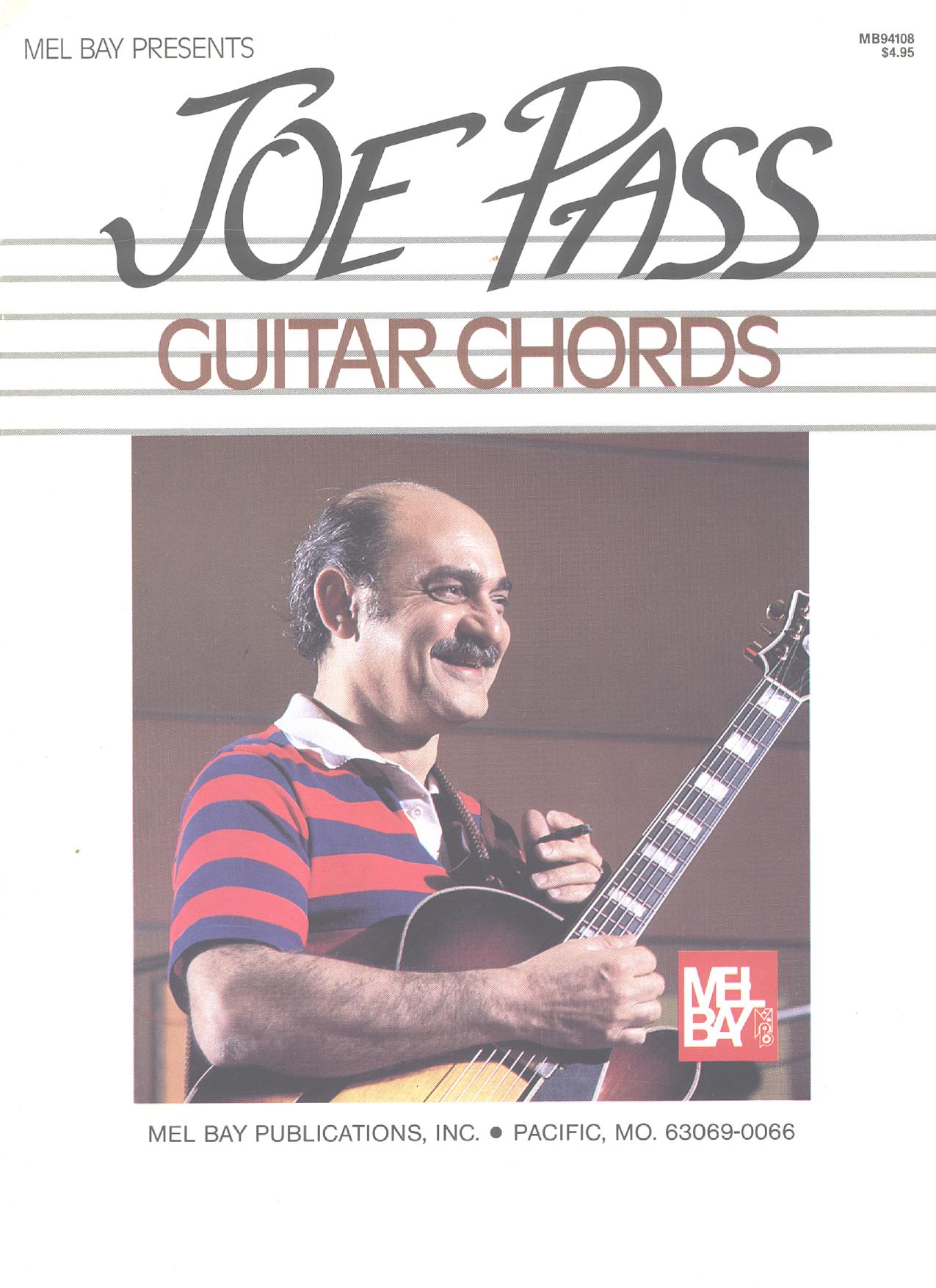
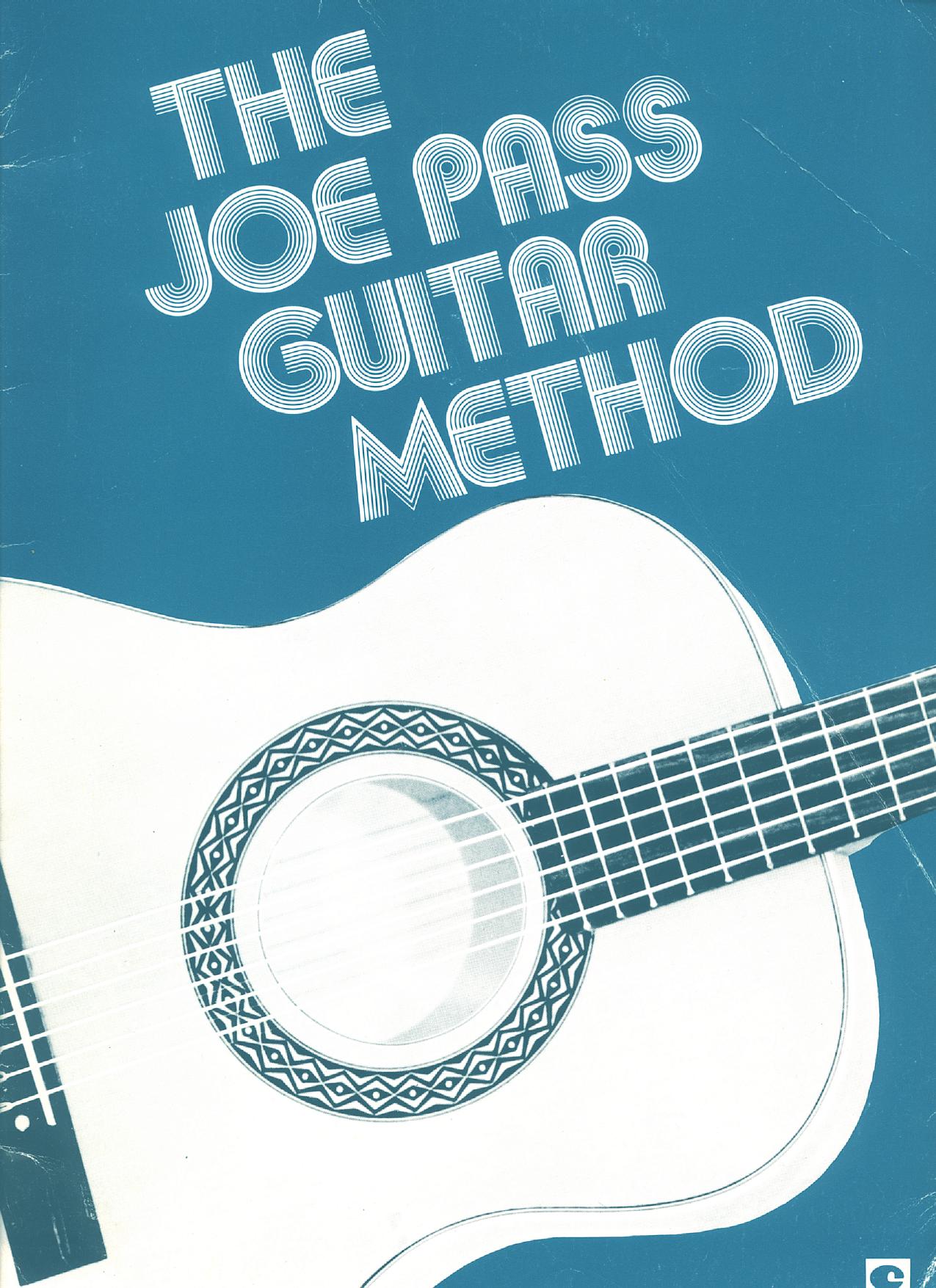
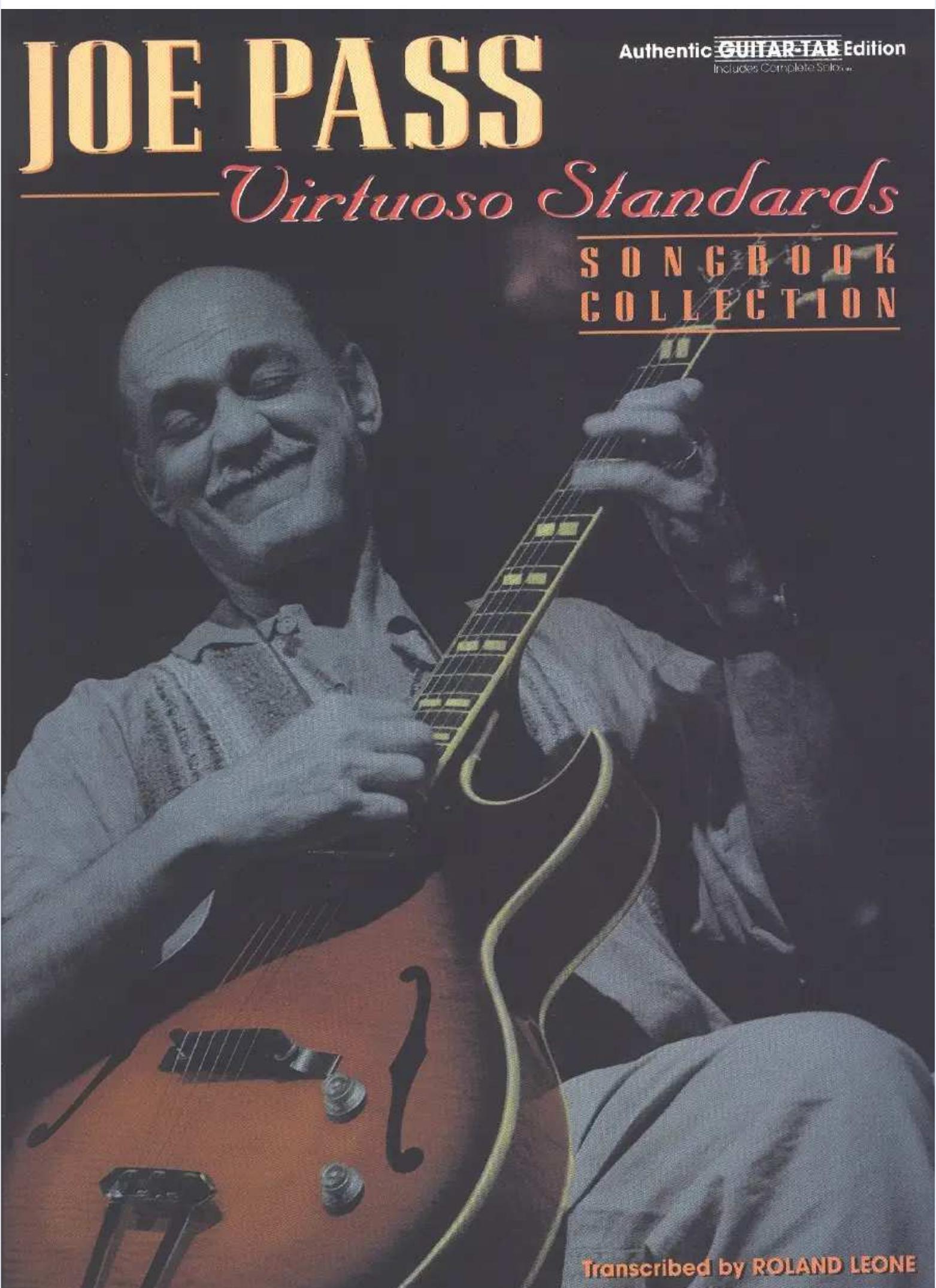
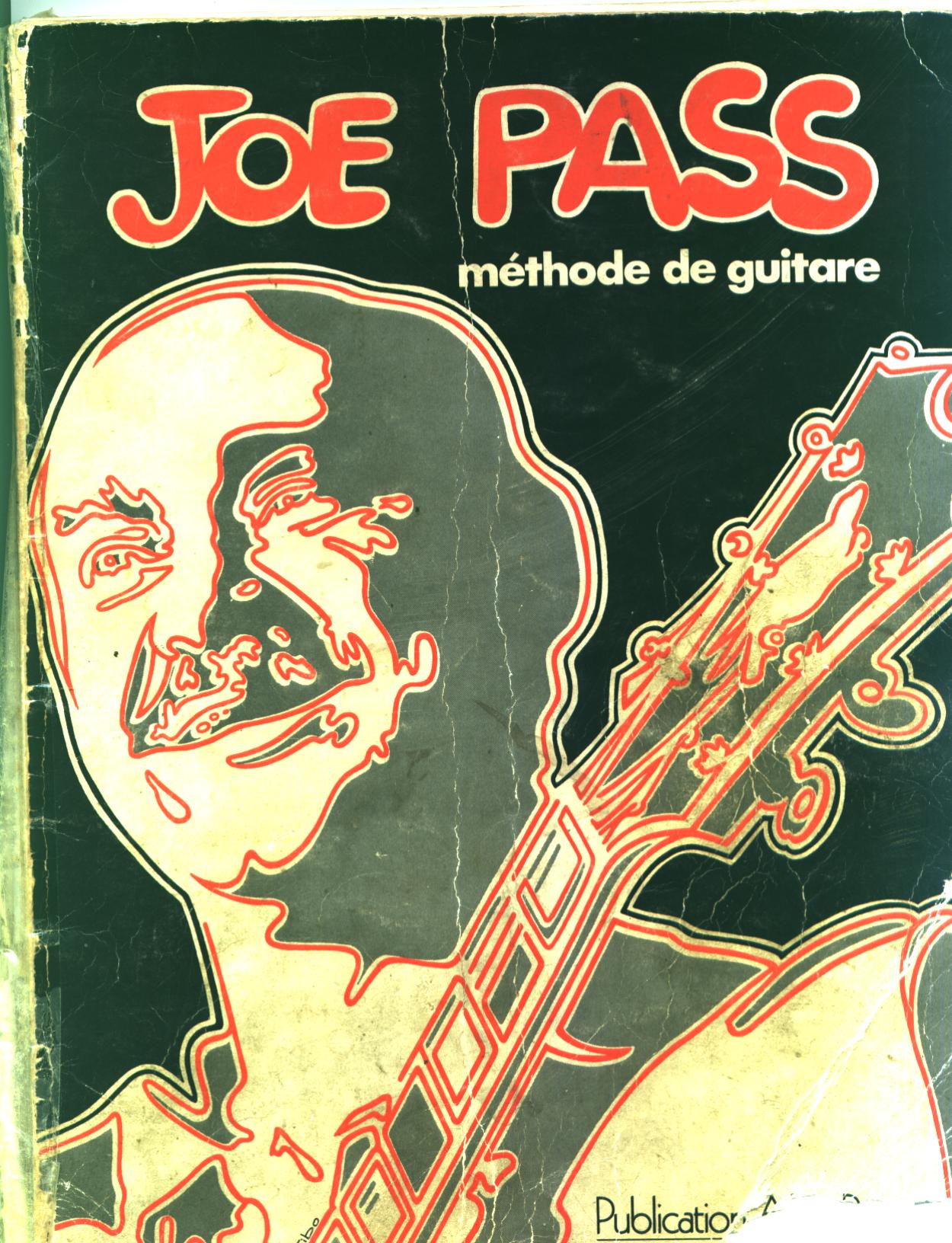
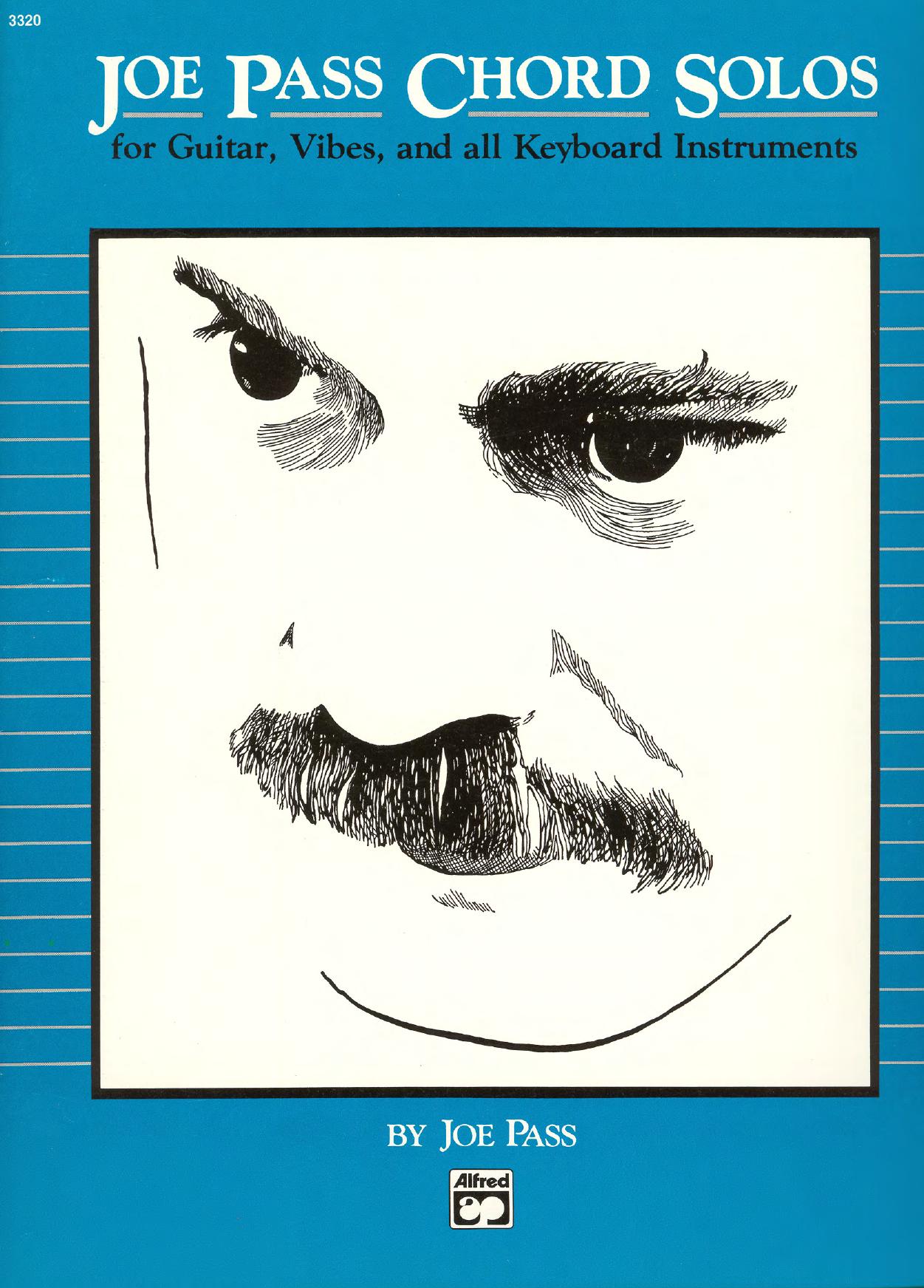
Second, Pass was a tireless educator. His guitar methods—Joe Pass Guitar Style, Joe Pass Guitar Method, Joe Pass Guitar Chords, and Joe Pass on Guitar—remain standard pedagogical texts. These books codify his harmonic and improvisational approaches, making his insights accessible to subsequent generations. His instructional video An Evening with Joe Pass further extended his teaching reach.
Third, Pass's recorded legacy continues to influence guitarists across genres. His Virtuoso albums are studied by aspiring jazz guitarists as benchmarks of technical and harmonic achievement. His duet recordings with Ella Fitzgerald are models of accompaniment and musical conversation. His collaborations with Oscar Peterson demonstrate the highest levels of improvisational interaction.
Fourth, Pass's personal story—from prodigious childhood through addiction to redemption and eventual world acclaim—serves as an inspiration. He was, as the Los Angeles Times noted, "the most recorded guitarist in jazz history, and arguably the most gifted". Yet he remained humble, insisting he was "not trying to make history, not trying to be the best guitar player in the world".
Critical Assessment
Pass's critical standing rests on several pillars. He was, first, a complete guitarist—technically flawless, harmonically sophisticated, rhythmically propulsive, and melodically inventive. Guitar Player magazine wrote: "Some people operate the guitar. Joe Pass really played it". He was, second, a supreme accompanist. Singers revered him for his sensitivity and responsiveness. He was, third, a dedicated educator who generously shared his knowledge. And he was, fourth, a survivor whose late-blooming career demonstrated that redemption and artistic fulfillment are possible even after decades of struggle.
Additional Information and Interesting Facts
Guitars and Equipment
Pass's primary instrument for much of his career was a Gibson ES-175, a classic archtop jazz guitar. He also played a D'Aquisto archtop, which he often opted to play miked without amplification, continuing a practice he had begun with the recording of "But Beautiful". His string choice typically featured medium flatwounds, which contributed to his warm, mellow tone.
Practice Philosophy
Despite his childhood regimen of six daily hours of practice, Pass claimed he largely abandoned formal practice as a professional. "It's not that I don't have to practice," he said in 1992, "just that I'm lazy, basically, and I do a lot of playing when I'm playing solo... I always intend to practice, and I start for a day or two, then I stop and read the newspaper or Time magazine". Whether this was genuine candor or characteristic self-deprecation, it reflected his belief that performance itself was the most meaningful form of practice.
Recorded Legacy
Pass's discography is enormous. As a leader, his albums include Sounds of Synanon (1962), For Django (1964), Intercontinental (1970), Virtuoso (1973), The Trio (1973), Live at Donte's (1974), Portraits of Duke Ellington (1975), Virtuoso No. 2 (1976), Virtuoso No. 3 (1977), I Remember Charlie Parker (1979), Blues for Fred (1988), Summer Nights (1989), Virtuoso Live! (1991), Duets (1991), and My Song (1993), among many others.
The Synanon Recordings
Sounds of Synanon (1962) holds a special place in Pass's story. Recorded with fellow patients at the Synanon rehabilitation facility, the album announced his return from the depths of addiction. It stands as a testament to both his musical genius and his personal redemption.
Recognition
Pass was honored with a Grammy Award in 1975 for The Trio with Oscar Peterson and Niels-Henning Ørsted Pedersen. He was inducted into the Guitar Player Hall of Fame and remains a perennial presence in polls of the greatest jazz guitarists of all time. His influence extends beyond jazz to rock, fusion, and contemporary guitarists who have studied his solo arrangements and harmonic techniques.
Joe Pass was, in the truest sense, a musician's musician. He did not seek fame or acclaim, yet he achieved both through sheer artistry and dedication to his craft. He transformed the jazz guitar from an ensemble instrument into a vehicle for complete musical expression, demonstrating that a single guitarist could command the harmonic resources of a piano, the rhythmic drive of a bass, and the melodic invention of a horn. His collaborations with Ella Fitzgerald, Oscar Peterson, and Herb Ellis remain models of musical interaction at the highest level. His guitar methods continue to educate and inspire. And his recordings—particularly the Virtuoso series—stand as enduring testaments to what is possible when technical mastery, harmonic imagination, and emotional depth converge in a single artist.
As New York Magazine observed, "There is a certain purity to his sound that makes him stand out easily from other first-rate jazz guitarists". That purity, combined with his extraordinary musicianship and his remarkable personal journey, ensures that Joe Pass will be remembered not only as one of the greatest jazz guitarists of the twentieth century, but as one of the most important figures in the history of the instrument itself.