Scores for all instruments: 16,000+ (active and growing), over 236,000 pages.
All genres and levels: Jazz & Blues, Rock & Pop, Classical & Contemporary, Film & Musicals;
books & biographies; methods, études, play-along tracks (MP3) for Jazz & Rock.
Access & benefits: US$15.99 one-time payment, valid for lifetime, full Library access.
Table of Contents
John Legend: A Comprehensive Biography of Music, Artistry, and Legacy
John Legend stands as one of the most accomplished and versatile artists of the 21st century. An American singer, songwriter, pianist, record producer, and actor, he has transcended the traditional boundaries of popular music to become a cultural force whose influence extends from the recording studio to Broadway, from film soundtracks to social activism. Born John Roger Stephens on December 28, 1978, in Springfield, Ohio, Legend has built a career that spans more than two decades, earning him the prestigious EGOT status—winning an Emmy, Grammy, Oscar, and Tony Award—making him the first African American man to achieve this grand slam of entertainment honors. His journey from a church choir in Ohio to the world's most prestigious stages is a testament to his extraordinary talent, relentless work ethic, and unwavering artistic vision.
The best sheet music download from our Library.
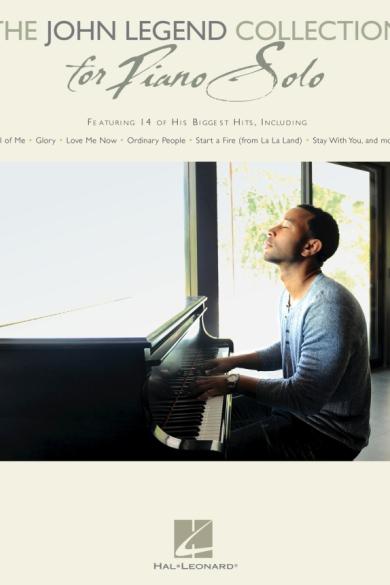
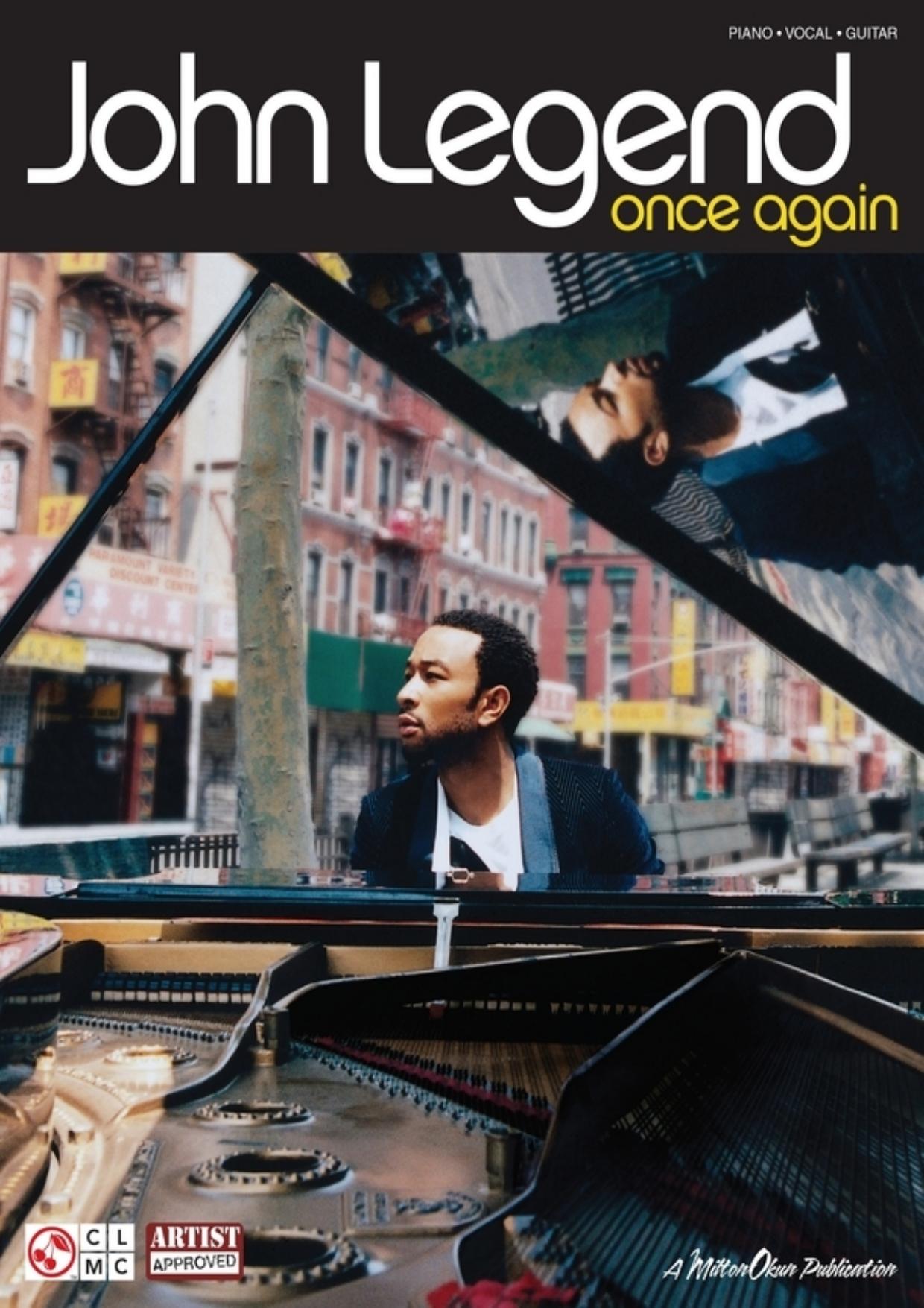
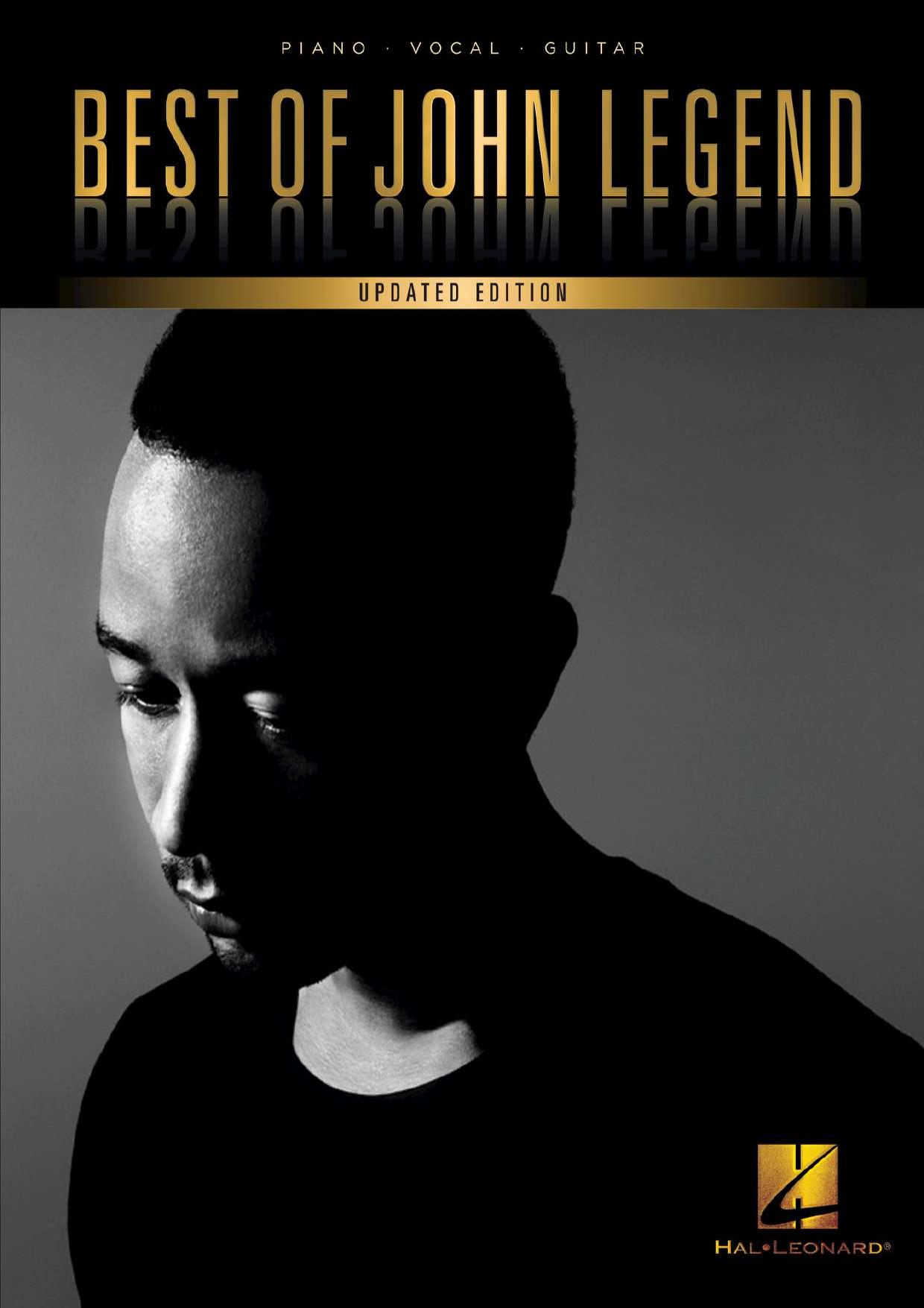
Early Life and Musical Foundations
John Legend's musical journey began in the most humble of settings: the church. Born to Ronald Stephens, a factory worker, and Phyllis Stephens, a seamstress and church choir director, young John was immersed in gospel music from his earliest years. He began playing piano at the age of four and was already arranging music for his church by the time he was a young boy. His mother's role as choir director meant that gospel music was not merely a pastime but a foundational language through which he understood melody, harmony, and the emotional power of song.
Please, subscribe to our Sheet Music Library. Sheet music should be accessible and affordable for all musicians, from professionals to absolute beginners.
His intellectual gifts were apparent early on. Legend was a spelling bee champion by age ten and skipped two grades in school due to his academic prowess. He attended North High School in Springfield, Ohio, graduating as salutatorian of his class at just sixteen years old. Despite being offered admission to Harvard University and scholarships to Georgetown University and Morehouse College, he chose to attend the University of Pennsylvania in Philadelphia, where he studied English and graduated with a Bachelor of Arts degree in 1999.
Search your favorite sheet music in the Sheet Music Library Catalog
At the University of Pennsylvania, Legend's musical identity began to crystallize. He served as president and musical director of the university's co-ed a cappella group, the Counterparts, and was tapped by Lauryn Hill to play piano on her hit single "Everything Is Everything". This early professional experience, alongside his rigorous academic training, instilled in him a discipline and work ethic that would define his career. Yet, as he later reflected, he was not yet ready for the spotlight. After graduation, he worked as a management consultant in Boston and New York, writing songs at night and performing in clubs—a period he describes as "living a double life".
The turning point came through a former college roommate who introduced him to an up-and-coming artist named Kanye West. The two immediately connected, with West employing Legend to sing hooks on his demos in exchange for beats for Legend's own songs. It was during these collaborative sessions that the poet J. Ivy remarked that John's smooth, elastic vocals sounded "like one of the legends," prompting West to rechristen him John Legend. Initially hesitant to adopt such a grandiose name, Legend ultimately embraced it as an act of audacity—a belief in his own potential that would become a recurring theme in his career.
Musical Style and Technique
Vocal Characteristics and Range
John Legend's voice is a distinctive instrument that defies easy categorization. He has described himself as naturally a "second tenor or baritone," a self-assessment that reveals the fundamentally warm, grounded quality of his singing voice. His vocal range spans approximately three octaves, from a low E2 to a high G5, though his most comfortable and expressive register lies in the rich middle territory of his voice. What sets Legend apart is not the sheer span of his range but the tonal quality and emotional intelligence with which he deploys it.
Critics have noted that Legend's voice possesses a "touch of grain" that he learned to use expressively from studying the great soul singers who came before him. His approach is characterized by restraint and control—he eschews unnecessary vocal fireworks in favor of an intimate, conversational style that draws listeners into the emotional core of a song. This quality has been described as "approachable, not overbearing," a vocal presence that feels both sophisticated and deeply human.
Legend's technical foundation is rooted in his classical training and gospel upbringing, but his stylistic sensibility is distinctly contemporary. He moves fluidly between his chest voice—which carries the warmth and weight of a traditional baritone—and his falsetto, which he uses to add ethereal textures to his arrangements. In his MasterClass on songwriting, Legend explained that when creating backing vocal arrangements, he will sing all the parts in falsetto to demonstrate to his backing vocalists what he expects from them. This technique allows him to layer harmonies that sit above his lead vocal, creating a lush, multidimensional sound.
Harmonic Language and Compositional Approach
Legend's harmonic language is a sophisticated blend of gospel, jazz, and classic R&B traditions. His approach to chord progressions is both instinctual and deeply informed by music theory. As he explains, different chords communicate different emotions to listeners—for example, B-flat major can convey "love, hope, and optimism for the future". This awareness of the emotional weight of harmony is central to his compositional process.
When arranging harmonies, Legend thinks carefully about the relationship between the vocal lines and the underlying chords. He explains that when the piano is playing a B-flat major chord, he wants his backing vocalists to be singing notes that fit within that chord—the tonic (B-flat), the third (D-natural), and the fifth (F-natural). However, he also recognizes the expressive potential of deviating from the chord tones. Adding a fourth (E-flat) or a sixth (G) can create different moods, while a major seventh (A-natural) or a dominant seventh (A-flat) can introduce tension and complexity.
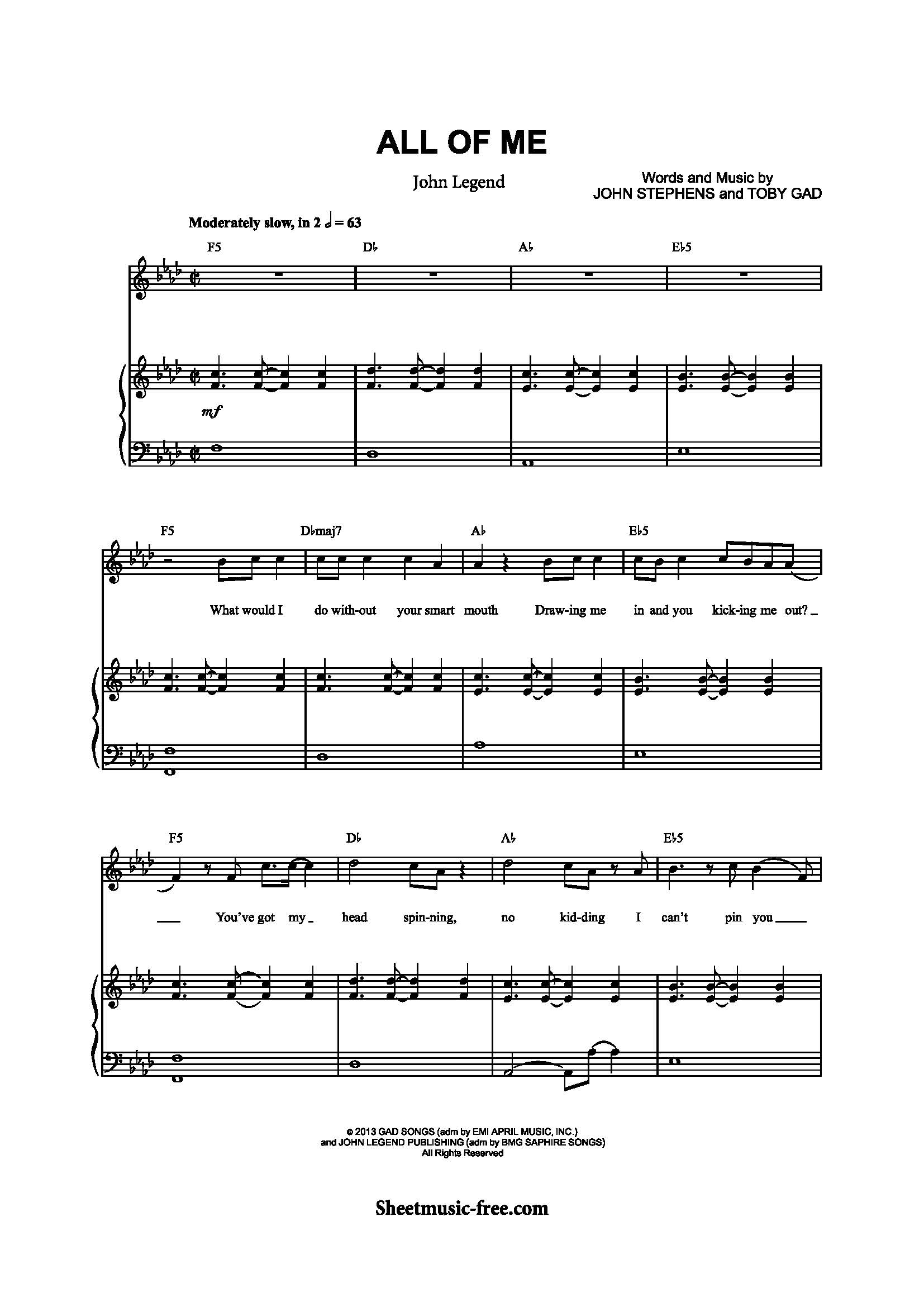
This sophisticated harmonic sensibility is evident in his most famous compositions. "All of Me," for instance, is built on a chord progression that draws on jazz-influenced harmony while maintaining the accessibility of pop music. The song is in the key of F minor and features chords including D-sharp, G-sharp, F minor, C-sharp, and A-sharp minor, creating a rich harmonic tapestry that supports the song's emotional intensity. The use of the minor key gives the song a bittersweet quality that perfectly matches its lyrics about unconditional love and vulnerability.
Legend's compositional process often begins with chord progressions, which he uses as a foundation for melody and lyrics. In his MasterClass, he demonstrates how he builds vocal arrangements on top of chord structures, ensuring that every harmonic element serves the emotional intent of the song. This systematic yet intuitive approach has resulted in a body of work that is both commercially successful and artistically credible—a rare combination in contemporary popular music.
Best Songs and Compositions
Discography
Main article on Wikipedia: John Legend discography
Studio albums
- Get Lifted (2004)
- Once Again (2006)
- Evolver (2008)
- Wake Up! (with the Roots) (2010)
- Love in the Future (2013)
- Darkness and Light (2016)
- A Legendary Christmas (2018)
- Bigger Love (2020)
- Legend (2022)
- My Favorite Dream (2024)
- Muse (2026)
"Ordinary People" (2004)
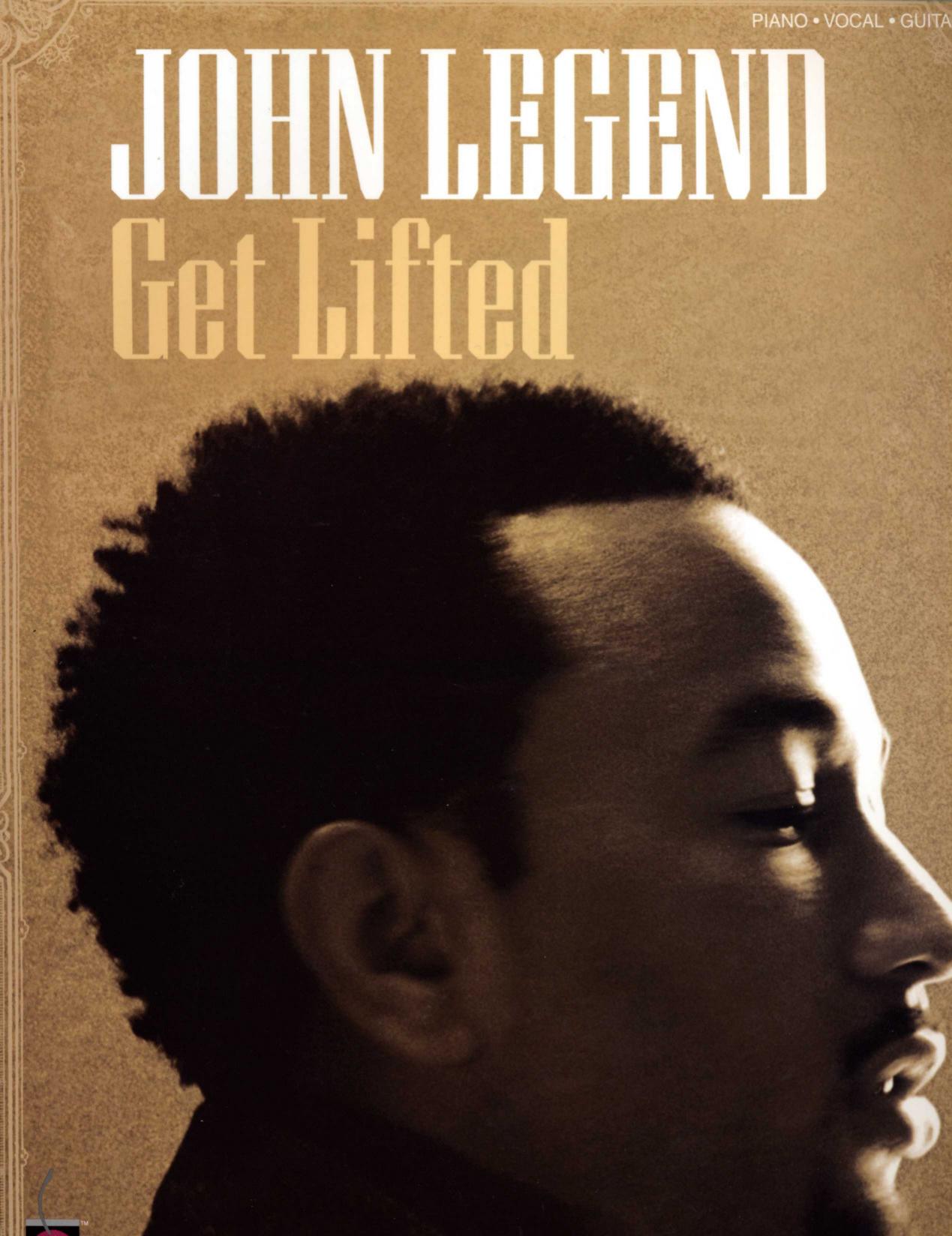
The song that launched John Legend's career remains one of his most enduring achievements. "Ordinary People" was the centerpiece of his debut album "Get Lifted" and won him the Grammy Award for Best Male R&B Vocal Performance. The song is a sparse, piano-driven ballad that showcases Legend's ability to convey profound emotion through restraint. Its lyrics explore the complexities of a relationship that is neither extraordinary nor simple—just ordinary, and therefore universally relatable. The song's success demonstrated that Legend's blend of classic soul songwriting and contemporary production sensibilities could resonate with a mass audience.
"All of Me" (2013)
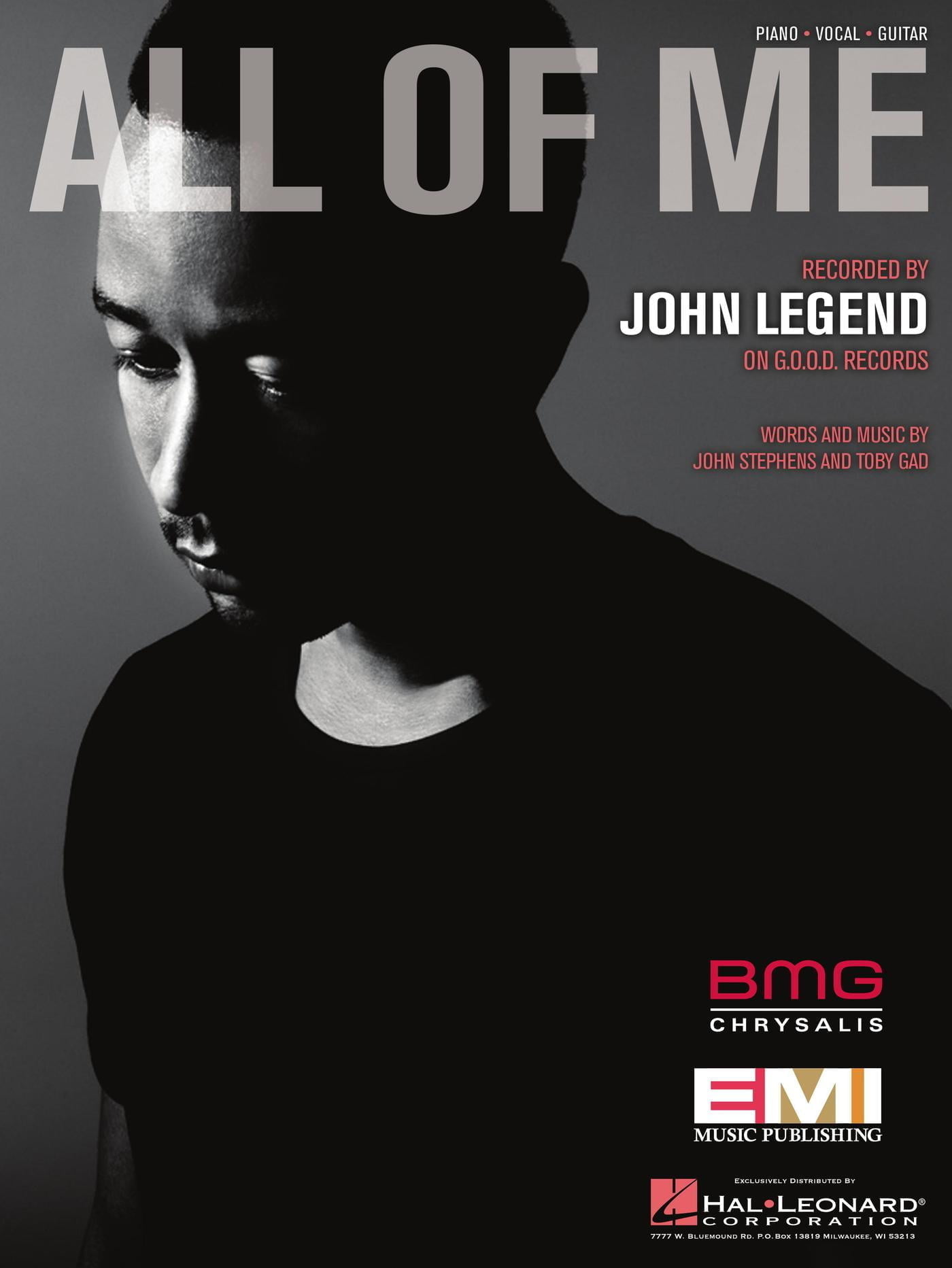
Perhaps Legend's most commercially successful song, "All of Me" became a global phenomenon, topping the Billboard Hot 100 and spending 23 consecutive weeks in the chart's top ten. Written as a tribute to his then-fiancée Chrissy Teigen, the song was completed in just three hours, with Legend and co-writer Toby Gad "bouncing lyrics back and forth" in a natural flow. The song's power lies in its simplicity and sincerity—Legend's voice, accompanied primarily by piano, delivers a declaration of unconditional love that has become a modern wedding standard. The song has sold 3.6 million copies in the UK alone and is approaching two billion streams on Spotify.
"Glory" (2014)
Legend's collaboration with rapper Common for the film "Selma" earned him both a Golden Globe and an Academy Award for Best Original Song. "Glory" is a powerful anthem that connects the civil rights struggles of the 1960s to contemporary movements for justice. The song's gospel-infused arrangement and stirring lyrics—"One day, when the glory comes / It will be ours, it will be ours"—captured the spirit of the film and resonated deeply with audiences worldwide. The Oscar-winning performance of "Glory" at the 87th Academy Awards, delivered on the Edmund Pettus Bridge in Selma, Alabama, became one of the most memorable moments in the award show's history.
"Love Me Now" (2016)
From the album "Darkness and Light," "Love Me Now" is a celebration of love in the present moment, acknowledging life's uncertainties while embracing the joy that love brings. The song's uplifting melody and anthemic chorus demonstrate Legend's ability to craft songs that are both intimate and universal.
"Green Light" (2008)
Featuring André 3000, "Green Light" represented a stylistic departure for Legend, incorporating funk and hip-hop influences into his sound. The song peaked within the top 30 of the Billboard Hot 100 and received double platinum certification. It showcased Legend's willingness to experiment with different genres while maintaining his distinctive vocal identity.
"Save Room" (2006)
From his second album "Once Again," "Save Room" is a smooth, organ-driven track that pays homage to classic soul while updating the sound for contemporary audiences. The song's catchy hook and polished production demonstrated Legend's growing confidence as a recording artist.
Film Music and Soundtrack Contributions
John Legend's contributions to film music extend beyond his work as a recording artist. He has curated soundtracks, written original songs for films, and even appeared as an actor in musical productions.
"12 Years a Slave" Soundtrack (2013)
Legend was tasked with curating the soundtrack for Steve McQueen's harrowing historical drama "12 Years a Slave," working in conjunction with legendary film composer Hans Zimmer. The resulting album brought together artists from different genres, including Alicia Keys, Alabama Shakes, and Chris Cornell, all of whom were touched by the film's powerful depiction of slavery. Legend's own contribution was a rendition of the traditional spiritual "Roll Jordan Roll," performed with the film's cast. Reflecting on the project, Legend said, "I was so moved when I saw it. I felt every minute of it and was so inspired to contribute to the music of the soundtrack".
"Selma" and "Glory" (2014)
Legend's most significant film music contribution came with "Glory," the song he co-wrote with Common for Ava DuVernay's "Selma." The song was written as "a labor of love in honor of this magnificent film and the incredible men and women" who participated in the civil rights movement. The song won the Academy Award for Best Original Song, and its performance at the Oscars—delivered on the same bridge where Dr. Martin Luther King Jr. and the marchers of the civil rights movement had stood fifty years earlier—became a defining cultural moment.
"La La Land" (2016)
In Damien Chazelle's modern musical "La La Land," Legend appeared as the character Keith, the bandleader who offers Sebastian (Ryan Gosling) a path to commercial success. Legend performed the song "Start a Fire," which he co-wrote with composer Justin Hurwitz, Marius De Vries, and Angelique Cinelu. The synth-jazz song marks a turning point in the film's narrative, representing the tension between artistic integrity and commercial ambition. Legend's performance of the song at the 89th Academy Awards was one of the evening's highlights.
Other Film Contributions
Legend contributed the song "Someday" to the soundtrack of the 2007 film "August Rush" and "Who Did That to You" to Quentin Tarantino's "Django Unchained" (2012), for which he won a Black Reel Award for Best Song. He also contributed the closing credits ballad "Start" to "Southside with You" (2016), a film about Barack and Michelle Obama's first date, for which he served as executive producer. In 2010, his song "Shine" for the documentary "Waiting for 'Superman'" also won a Black Reel Award.
Collaborations with Other Musicians
Kanye West
The collaboration between John Legend and Kanye West is foundational to both artists' careers. They met through a mutual friend in New York, and their creative partnership began with Legend singing hooks on West's demos in exchange for beats. West was the first person to sign Legend to his GOOD Music label, and the two worked simultaneously on their debut albums—Legend's "Get Lifted" and West's "The College Dropout"—with each artist contributing to the other's work. Legend has credited West with helping to "put a modern spin" on his debut, noting that "I was more of an old soul and I think, left to my own devices, my [music would have been different]". Despite their subsequent artistic and personal divergences, their early collaboration produced some of the most influential music of the 2000s.
The Roots
In 2010, Legend collaborated with the Philadelphia hip-hop band The Roots on the album "Wake Up!"—a collection of soul covers from the 1960s and 1970s that addressed social and political themes. The album featured covers of songs by Donny Hathaway, Bill Withers, Marvin Gaye, and Harold Melvin & the Blue Notes, among others. The collaboration was both a critical and commercial success, winning three Grammy Awards, including Best R&B Album. The BBC praised the album as "a masterclass in how to respectfully update and enhance classic music".
Common
Legend's partnership with rapper Common on "Glory" for the film "Selma" represents one of his most significant collaborations. The song, which won the Academy Award for Best Original Song, demonstrated the power of hip-hop and soul music to address profound social issues. Their performance of the song at the Oscars, introduced by David Oyelowo and Oprah Winfrey, was a powerful moment of artistic and political expression.
Other Notable Collaborations
Legend has collaborated with a remarkable array of artists across genres. He performed with Meghan Trainor on her single "Like I'm Gonna Lose You," which peaked at number seven on the Billboard Hot 100. He collaborated with Norah Jones on the 2025 single "Summertime Blue," a duet that Jones described as a long-awaited meeting of two "singer-songwriter-pianists with a combined 23 Grammy Awards". He has also worked with Alicia Keys, Jay-Z, Lauryn Hill, André 3000, Lil Wayne, Killer Mike, Tems, and many others. In 2024, he released a 20th-anniversary edition of "Get Lifted" featuring new collaborations with Black Thought, Tems, Killer Mike, and Lil Wayne.
Influences
John Legend's musical influences are deeply rooted in the classic soul and R&B traditions of the 1960s and 1970s. He has consistently cited Stevie Wonder and Marvin Gaye as his primary artistic inspirations. In interviews, he has described Stevie Wonder as "my favourite overall musician because he was producing and writing great original material for so long," while identifying Marvin Gaye as "my favourite voice out of those people". The influence of both artists is evident in Legend's work: from Wonder, he inherited a sense of melodic invention and a willingness to experiment with different genres; from Gaye, he learned the art of vocal intimacy and the power of restraint.
Legend has also acknowledged the influence of Bob Marley, whose reggae he imitates in his song "No Other Love". The New York Times noted that as a singer, Legend is "approachable, not overbearing, using the touch of grain in his voice in ways he learned from Stevie Wonder, Marvin Gaye and Bob Marley". This ability to draw from multiple traditions while maintaining a distinctive voice is central to Legend's artistry.
Beyond these individual artists, Legend's musical foundations are rooted in the gospel music he absorbed in his childhood church. His mother's role as choir director meant that gospel harmonies and the emotional intensity of spirituals were woven into his musical DNA. His classical training at the University of Pennsylvania added another layer of sophistication to his musical vocabulary, while his immersion in Philadelphia's vibrant music scene exposed him to hip-hop, neo-soul, and the city's rich tradition of R&B.
Legacy and Impact
EGOT Status and Awards
John Legend's most visible legacy is his unprecedented awards success. He is one of only nineteen people in history to achieve EGOT status, and he holds the distinction of being the first African American man and the second-youngest person ever to do so. His awards include thirteen Grammy Awards, an Academy Award, a Golden Globe, a Tony Award, and four Emmy Awards. He won his first Grammy Awards in 2006 for Best New Artist, Best R&B Album for "Get Lifted," and Best Male R&B Vocal Performance for "Ordinary People". He completed his EGOT in 2018 when he won an Emmy for producing "Jesus Christ Superstar Live in Concert".
Impact on R&B and Popular Music
Legend's impact on contemporary R&B is difficult to overstate. When he emerged in the mid-2000s, he represented a return to the classic values of soul music—strong melodies, sophisticated harmonies, and emotionally direct lyrics—while incorporating the production techniques and rhythmic sensibilities of hip-hop. The St. Louis American noted that Legend "managed to loosen the grip Usher had on the male R&B lane—a reign that stretched from the last three years of the 20th century to the first four years of the 21st century". His debut album "Get Lifted" bridged genres with its blend of R&B, neo-soul, and hip-hop, earning him three Grammys and a permanent place in the cultural conversation.
Legend's influence extends beyond his own recordings. He has been a mentor to younger artists through his role as a coach on "The Voice," where he has emphasized the importance of having "a point of view that's interesting and distinct and personal". He has also been a vocal advocate for artists' rights and has used his platform to speak out on issues of social justice.
Social Activism and Philanthropy
John Legend's legacy is not confined to music. He has been a committed activist and philanthropist throughout his career. In 2007, he founded the Show Me Campaign, an organization dedicated to providing quality education to every child and addressing systemic issues in the criminal justice system. In 2014, he launched FREEAMERICA, a campaign to end mass incarceration and invest in local communities to advance racial equity. The organization works to amplify the voices of those impacted by the criminal justice system and funds formerly incarcerated entrepreneurs through a program called Unlocked Futures.
Legend has also been active in the movement for educational equity and has used his platform to support various social causes. He has performed at benefit concerts, used his social media presence to raise awareness about issues ranging from gun violence to voting rights, and has testified before Congress on issues related to criminal justice reform. His commitment to social justice reflects the influence of artists like Marvin Gaye, whose music was both deeply personal and profoundly political.
John Legend
Broadway and Acting
In addition to his music career, John Legend has made significant contributions to Broadway and television. In 2017, he won a Tony Award for co-producing the Broadway revival of August Wilson's "Jitney". The following year, he portrayed Jesus Christ in NBC's live adaptation of the rock opera "Jesus Christ Superstar," earning an Emmy nomination for his acting performance and winning an Emmy as a producer of the show. He has also written songs for "SpongeBob SquarePants: The Broadway Musical".
Personal Life
John Legend married model and television personality Chrissy Teigen in 2013. The couple has four children and has been open about their experiences with fertility challenges and pregnancy loss. Their relationship has been a source of inspiration for some of Legend's most personal songs, including "All of Me." In 2019, Legend was named People magazine's Sexiest Man Alive.
Recent Work
Legend continues to be a prolific artist. His album "Bigger Love" (2020) won the Grammy Award for Best R&B Album. He released "Legend" in 2022 and has announced a new album, "Muse," produced entirely by Pharrell Williams, for release in 2026. He continues to tour, record, and advocate for social justice, demonstrating that his creative and philanthropic energies remain as vital as ever.
John Legend's career is a testament to the power of talent, persistence, and authenticity. From his early days playing piano in a Springfield, Ohio church to his current status as one of the most decorated artists in entertainment history, he has consistently defied expectations and transcended boundaries. His musical style—a sophisticated blend of gospel, soul, R&B, and hip-hop—has produced some of the most enduring songs of the past two decades, from the intimate vulnerability of "Ordinary People" to the universal declaration of "All of Me" to the political power of "Glory." His collaborations with artists as diverse as Kanye West, The Roots, Common, and Norah Jones demonstrate his generosity as a musician and his willingness to engage with different traditions and perspectives.
Beyond his artistic achievements, Legend's legacy includes his tireless advocacy for social justice, his commitment to criminal justice reform, and his support for educational equity. He has used his platform not merely for self-promotion but for the advancement of causes he believes in, following in the tradition of the artists who inspired him. As he continues to evolve as a musician, producer, and activist, John Legend remains a singular figure in American culture—a legend not only in name but in the depth and breadth of his contributions to music, film, theater, and society.
John Legend - All of Me
Browse in the Sheet Music Library:
Or browse in the categories menus & download the Library Catalog PDF: