
Scores for all instruments: 16,000+ (active and growing), over 236,000 pages.
All genres and levels: Jazz & Blues, Rock & Pop, Classical & Contemporary, Film & Musicals;
books & biographies; methods, études, play-along tracks (MP3) for Jazz & Rock.
Access & benefits: US$15.99 one-time payment, valid for lifetime, full Library access.
Table of Contents
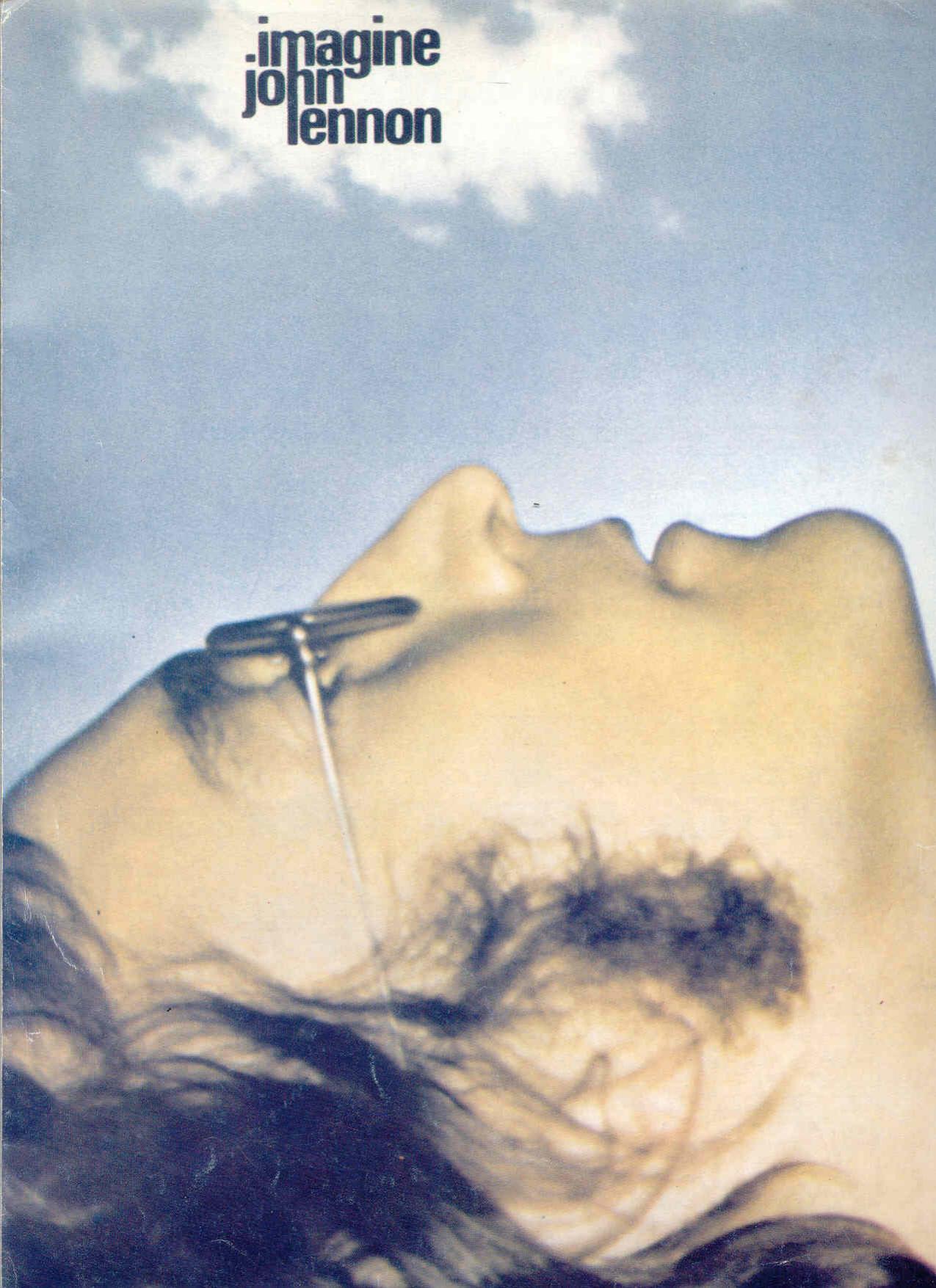
Imagine · John Lennon
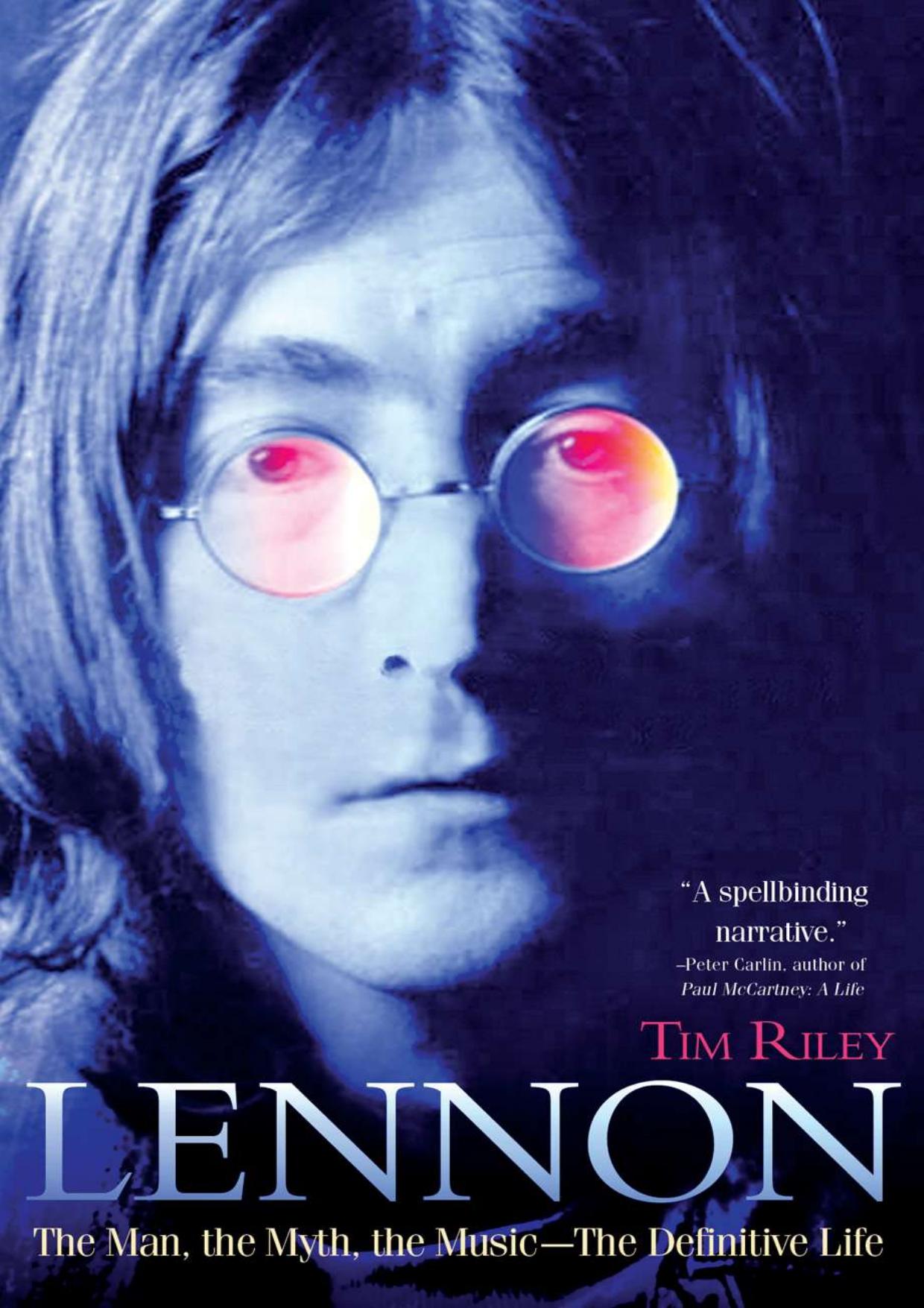
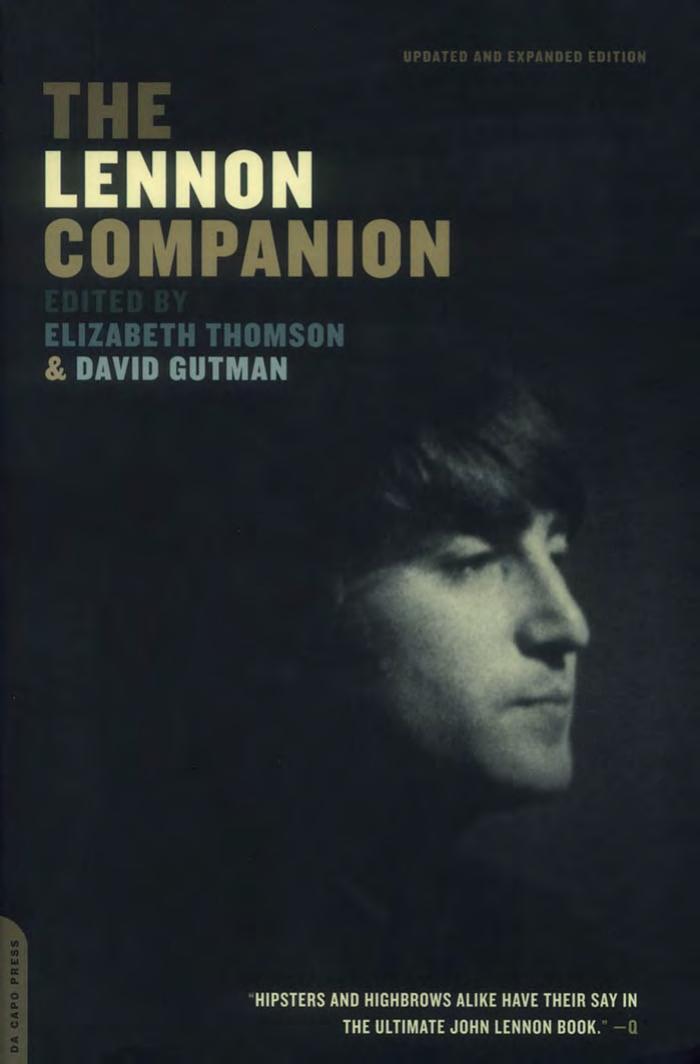
John Lennon: A Comprehensive Biography of Music, Artistry, and Legacy
Please, subscribe to our Sheet Music Library. Sheet music should be accessible and affordable for all musicians, from professionals to absolute beginners.
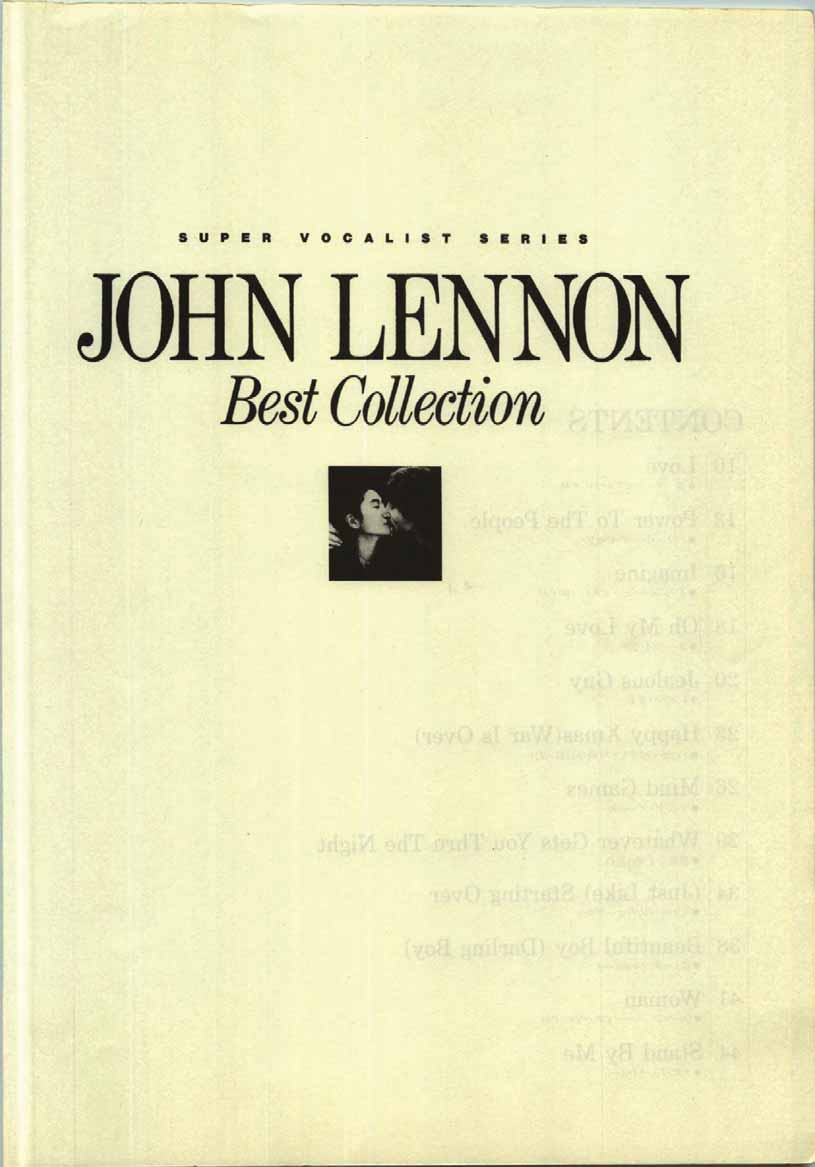
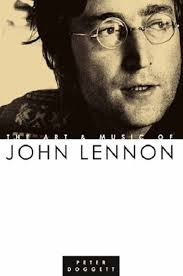
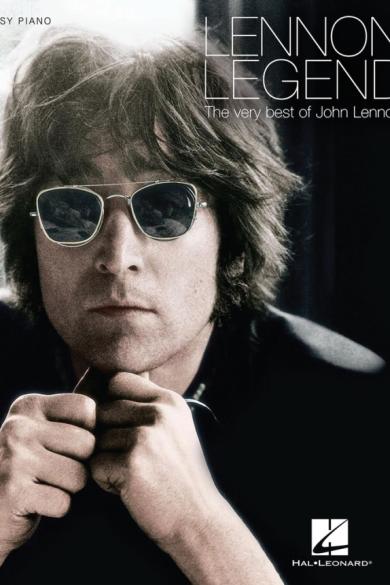
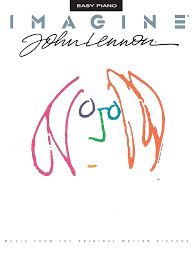

The best sheet music download from our Library.
John Lennon stands as one of the most influential and transformative figures in the history of popular music. As a founding member of The Beatles, a prolific solo artist, a peace activist, and a cultural provocateur, Lennon reshaped not only the sound of rock music but also its role as a vehicle for personal expression and political commentary. Born John Winston Lennon on October 9, 1940, in Liverpool, England, he rose from a working-class background marked by family disruption to become a global icon whose music and message continue to resonate more than four decades after his death on December 8, 1980. His songwriting partnership with Paul McCartney produced some of the most enduring compositions of the twentieth century, while his solo work—from the raw emotional catharsis of Plastic Ono Band to the utopian vision of "Imagine"—established him as an artist of extraordinary depth and honesty.
Search your favorite sheet music in the Sheet Music Library Catalog




Early Life and Formative Years
John Winston Lennon was born at Oxford Street Maternity Hospital in Liverpool on October 9, 1940, during a German air raid in World War II. He was the only child of Julia Stanley, a cinema usherette, and Alfred (Freddy) Lennon, a merchant seaman. His parents' marriage was troubled, and Alfred was often away at sea; he left for good in 1942. Julia's precarious circumstances led to a family decision that John would be raised by her sister Mary—known to John as Aunt Mimi—in the respectable Liverpool suburb of Woolton, where Mary's husband George Smith ran a dairying business.
Lennon was bright and bookish as a child, inquisitive about religion and fond of listening to the radio, particularly The Goon Show. However, he found little interest in formal education, and at Quarry Bank High School his lack of application was coupled with a determined campaign of rebellion against what he perceived as petty discipline and a tedious curriculum. His school performance sank steadily, and only his interest in art survived; his "Daily Howl" exercise book, containing satirical verses and cruel caricatures of teachers, foreshadowed the style and content of his later published works, In His Own Write (1964) and A Spaniard in the Works (1965).
Despite the separation from his parents, Lennon remained close to his mother Julia, who encouraged his musical interests and taught him his first guitar chords. Tragedy struck in 1958 when Julia was killed in a road accident right outside Mimi's home—a loss that would profoundly shape Lennon's later resentments and neuroses, and contribute to a pervasive sense of alienation and pain in much of his music.
At age sixteen, Lennon founded a skiffle band called The Quarrymen, named after his school. A fifteen-year-old Paul McCartney joined in 1957, followed by George Harrison a year later. After leaving school, Lennon attended art college in Liverpool, where he met fellow student Stuart Sutcliffe, who joined the group on bass. With new drummer Pete Best and a new name—The Beatles—they secured a residency in Hamburg, where they honed their skills playing wild, all-night concerts. Sutcliffe left in 1961 to concentrate on painting but died shortly afterward of a brain haemorrhage, an event that deeply affected Lennon.
The Beatles Era
The Beatles' rise to global fame is one of the most remarkable stories in popular music history. After being famously turned down by Decca, the group secured a recording contract with EMI, with Ringo Starr replacing Pete Best on drums. Their first single, "Love Me Do," reached a modest number 17, but the follow-up, "Please Please Me," topped the UK chart. Beatlemania was born.
Lennon's role within The Beatles was multifaceted. Britannica notes that while the group was essentially a joint venture between the practical pop adept Paul McCartney and the alienated rock-and-roll rebel Lennon, as a disruptive cultural force, "they always bore Lennon's stamp". His forthright candor transformed songs like "You've Really Got a Hold on Me" and "Getting Better," and his role as the candid provocateur was unmatched—only Lennon would have observed "We're more popular than Jesus now" or returned his MBE in protest at the British government's support for the Vietnam War.
By the mid-1960s, The Beatles were the world's biggest band, and Lennon and McCartney's songwriting skills were developing at breathtaking speed. With producer George Martin, they expanded the parameters of pop music, achieving new levels of sophistication on albums like Rubber Soul and Revolver. They gave up touring for good after Lennon's "more popular than Jesus" comment provoked death threats in the United States. The band's career peaked in 1967 with the release of Sgt. Pepper's Lonely Hearts Club Band, but that same year saw the death of their manager Brian Epstein from a drugs overdose.
Lennon's personal life was also in turmoil. He left his first wife, Cynthia Powell—whom he had married in 1962 and with whom he had a son, Julian—for the avant-garde artist Yoko Ono. They married in 1969, shortly before embarking on their famous series of "bed-ins" aimed at spreading a message of world peace. Relations within The Beatles became strained, and in 1970 the band split.



Solo Career and Artistic Evolution
By the time The Beatles disbanded, Lennon's solo career was already well underway. His first solo release, 1969's "Give Peace a Chance," was recorded with Yoko Ono while he was still in The Beatles and garnered worldwide attention. The Plastic Ono Band's "Cold Turkey" described the pain of heroin withdrawal, and Lennon performed "Instant Karma" on Top of the Pops with cropped hair as an anti-war protest.
1971 was his most productive year as he moved to New York and released the acclaimed solo albums Plastic Ono Band and Imagine. Plastic Ono Band featured "Working Class Hero" and "Mother," in which he screamed out for his late parents—a world away from his Beatles work. The album emerged from "primal scream" psychotherapy sessions and poured out deeply personal childhood and adolescent bitterness. Imagine's title track became synonymous with Lennon after his death, while the album also contained the bitter attack on Paul McCartney, "How Do You Sleep?," and "Jealous Guy".
Lennon's 1973 album Mind Games explored the problems he was having with Yoko, and the couple separated for a time. During this period, known as his "lost weekend," Lennon relocated to Los Angeles and collaborated with figures like Harry Nilsson and David Bowie. After a five-year break from recording, he returned in 1980 with Double Fantasy, released just weeks before his death. The album, which featured the hit "(Just Like) Starting Over" and "Woman," won the Grammy Award for Album of the Year posthumously.
Musical Style and Technique
Vocal Characteristics and Songwriting Approach
John Lennon's songwriting was characterized by a remarkable emotional honesty and a willingness to confront difficult subjects—from his own psychological pain to the political issues of the day. His lyrics could be bitingly cynical, deeply vulnerable, or utopian in their optimism, often within the same song. As Yoko Ono observed, "John didn't have a narrow talent. He had all the different emotions he was able to express in his songs".
His compositional process was often spontaneous. Ono recalled that Lennon "wasn't one of those writers who'd write from ten until 12 in the morning. He used to think of an idea when we were in a plane or something. He just writes it down. And at the time he writes it down, he's already got the melody". This intuitive approach, combined with his sharp intellect and emotional intensity, produced songs that felt both immediate and timeless.
Lennon's vocal style was equally distinctive. His voice possessed a raw, nasal quality that could shift from tender vulnerability to aggressive defiance within a single phrase. On "Twist and Shout," he delivered one of rock's most iconic vocal performances despite suffering from a cold; on "Strawberry Fields Forever," his voice takes on a dreamy, almost disembodied quality; and on "Mother," he screams with a primal anguish that few vocalists have matched. This emotional range—from the gentle croon of "Jealous Guy" to the searing rage of "How Do You Sleep?"—remained one of his defining characteristics throughout his career.
Guitar Playing and Instrumental Technique
While John Lennon is rarely thought of as a session musician, his guitar playing was a fundamental component of The Beatles' sound. His role was primarily rhythmic rather than lead, laying down solid grooves, establishing harmonic foundations, and providing a backdrop for George Harrison's riffs and solos. Lennon mainly played electric guitar but also played acoustic on both ballads and up-tempo numbers, using simple eighth-note strum patterns copied from early rock 'n' rollers like Buddy Holly.
The most important part of recreating Lennon's style is to play aggressively, paying attention to his use of minor chords, often in major progressions. His primitive and driving rhythm style took 1950s rock 'n' roll sensibilities and brought them into the mainstream for a new generation. In The Beatles' two-guitar lineup, Lennon often played partial or alternate chord voicings to complement Harrison. He frequently used barre chords to work his way around the fretboard, and his use of consistent down-strumming, iconic riff writing, and almost reckless abandon in his pick attack can be heard throughout rock, metal, and punk music.
Lennon also made significant contributions to the use of feedback as a musical element—he practically discovered it when he left his electro-acoustic guitar leaning against an amplifier. His Chuck Berry-influenced soloing on "Long Tall Sally" showcased double-stops and raucous string bends, demonstrating that while he was primarily a rhythm guitarist, he could deliver a compelling lead when the occasion demanded.
Harmony and Compositional Innovation
Harmonic Language
Lennon's harmonic language was both sophisticated and instinctive. He had a particular affinity for using chords that fell outside the conventional diatonic framework, creating moments of tension and release that gave his songs their distinctive character. As one analysis notes, "Lennon in particular began to play with chromatic lines in many of his compositions," and his intentional mixture of pentatonic minor scales with parallel majors and minors became a signature feature of The Beatles' music.
The harmonic design of many Lennon compositions is built around a recitation tone—a kind of vocal pedal point—with chords shifting beneath it. In "Lucy in the Sky with Diamonds," for instance, as the D sounds in the vocal, it is supported first by a B-flat major triad, then a C-major triad, and then an F-major triad, with the phrase ending as Lennon slides down to a B-flat. This technique creates a sense of harmonic ambiguity and floating instability that perfectly matches the song's psychedelic imagery.
Analysis of "Imagine"
"Imagine" offers a masterclass in Lennon's harmonic craftsmanship. The song is in C major and draws heavily on a I-IV-V harmonic structure—the chords C, F, and G—but Lennon adds subtle harmonic touches that give the piece a beautiful mood of its own. The piano opening is one of the most iconic in music, with soft chords featuring a pulsing C pedal in the tenor register.
At the very opening, three beats of C major are followed by one of C major 7—an exquisite touch that feels much more stable than a dominant 7th while moving elegantly to the third of the following F major chord. A poignant hint of the 9th (a D in the C major chord) appears at the point of resolution, creating a sense of serene yet somewhat restless musing as the lyrics begin.
The bass movement between the Cs and Fs is broken in bars 8-12 of the verse, where an F chord moves to A with an E bass, then to D minor 7 over C, before a dominant pedal on "living for today." The scalic downward movement of the bass from F-E-D-C provides perfect balance, maintaining the feeling of serenity and stability that holds throughout the song. In the chorus, Lennon introduces a chord built on the third—E major, followed by E dominant—a mediant chord that is rarely encountered and feels almost melodic when heard.
Harmonic Complexity in "Strawberry Fields Forever"
"Strawberry Fields Forever" demonstrates Lennon's willingness to push harmonic boundaries. As one scholarly analysis notes, "Lennon's use of four-six chords in the intro comes from the world of classical music, but a series of successive parallel four-six chords is not consistent with the traditional rules of harmony and creates a sense of instability". This harmonic experimentation, combined with the song's shifting tonal centers and unconventional structure, made it one of the most innovative recordings of the 1960s and a landmark in psychedelic music.
Best Songs and Compositions
Beatles Era Masterpieces
"In My Life" (1965) is one of Lennon's most beloved compositions, a restrained folk ballad that evokes the passivity of memory and loss. Its generally subdued use of percussion and moderate tempo combine with a then-unique section of pseudo-Baroque counterpoint played by George Martin on piano. The song's lyrics, reflecting on past loves and friendships, represent some of Lennon's most tender and reflective writing.
"Strawberry Fields Forever" (1967) is widely regarded as one of the greatest achievements in popular music. Written during the filming of How I Won the War in Almería, Spain, the song was inspired by Lennon's childhood memories of sneaking off to play in the gardens of a girl's orphanage. Lennon said, "I wrote 'Strawberry Fields' there. I was there for six weeks and it gave me time to think and to be separate from the others but still be working". The song's innovative production, including its famous mellotron introduction and backwards tape effects, set new standards for studio experimentation.
"A Day in the Life" (1967) is the climactic finale of Sgt. Pepper's Lonely Hearts Club Band and one of Lennon's most ambitious compositions. The song's structure—alternating between Lennon's dreamlike verses and McCartney's jaunty middle section—creates a surreal narrative that captures the anxieties and absurdities of modern life. The orchestral crescendo that bridges the two sections remains one of the most dramatic moments in rock music.
"Revolution" (1968) showcased Lennon's political engagement, with its famous declaration "You say you want a revolution / Well, you know / We all want to change the world." The song's harder-edged rock sound marked a departure from The Beatles' psychedelic period and anticipated the more confrontational tone of Lennon's solo work.
Solo Masterpieces
"Imagine" (1971) is Lennon's signature solo song and one of the most recognizable compositions in popular music. Written in one morning on a Steinway in his bedroom, with lyrics inspired by poems by Yoko Ono, the song envisions a world of peace beyond borders, religious denominations, and restrictive social orders. Its message of hope and unity has made it an anthem for peace movements worldwide, and it remains Lennon's most enduring solo achievement.
"Working Class Hero" (1970) is a stark acoustic ballad from Plastic Ono Band that critiques the British class system and the ways in which society molds individuals into conformists. Its blunt language and raw delivery make it one of Lennon's most powerful political statements.
"Mother" (1970) is perhaps Lennon's most emotionally devastating solo recording. Written about the loss of his parents—his mother Julia's death and his father's absence—the song builds to a primal scream of "Mama, don't go / Daddy, come home," capturing the anguish of childhood abandonment with almost unbearable intensity.
"Jealous Guy" (1971) is a tender confession of insecurity and possessiveness, with one of Lennon's most vulnerable vocal performances. Originally written as "Child of Nature" during The Beatles' stay in India, the song was reworked for Imagine and later became a hit for Bryan Ferry in the 1980s.
"Woman" (1980) was released as the second single from Double Fantasy and became a posthumous number one hit. Written as a tribute to Yoko Ono, the song expresses gratitude and apology in equal measure, with Lennon singing "Woman, I know you understand / The little child inside the man."
"Beautiful Boy (Darling Boy)" (1980) was written for Lennon's son Sean, then five years old, and partially inspired by the writings of French psychologist Émile Coué. The song extols the simple joy of fatherhood, with Lennon offering the now-famous reassurance: "Life is what happens to you while you're busy making other plans."
Film Music and Acting
"How I Won the War" (1967)
John Lennon's most significant acting role outside of The Beatles' films came with Richard Lester's 1967 black comedy How I Won the War, his first non-musical acting role. Fitted with glasses that would become his signature look, Lennon starred as Gripweed alongside Michael Crawford and Roy Kinnear. During the six weeks of filming in Almería, Spain, Lennon had considerable free time between takes, which he used to write "Strawberry Fields Forever". He later said, "It did me a lot of good to get away, and it was a withdrawal".
"Imagine" Film (1972)
In 1972, Lennon and Yoko Ono co-directed, co-wrote, and co-starred in the film Imagine, a surrealistic visual companion to the Imagine album. The film features cameos by Andy Warhol, Fred Astaire, Miles Davis, and George Harrison, among others. Described as "an indie music video compilation of all the Imagine album songs, plus some from Ono's Fly," the film includes the famous proto-music-video clip of the title song. The film was restored and remixed in 2018 for theatrical screenings in Dolby Atmos surround sound, with Ono serving as producer and creative director.
"Imagine: John Lennon" Documentary (1988)
The 1988 documentary Imagine: John Lennon, directed by Andrew Solt, chronicled Lennon's life and musical career. It features previously unreleased recordings, including an acoustic demo of "Real Love" taped in 1979 and a rehearsal take of "Imagine" from mid-1971. The film was commissioned by Yoko Ono in 1986, and although none of the three former Beatles agreed to participate, they reportedly mostly approved of it. The soundtrack was successful in the United States, reaching No. 31 on the charts.
The Beatles' Films
Lennon also composed and performed music for The Beatles' films, including A Hard Day's Night (1964), Help! (1965), and Yellow Submarine (1968). The Beatles won an Academy Award for Best Original Song Score for the documentary Let It Be (1970), with Lennon sharing in the honor.
Collaborations with Other Musicians
Paul McCartney
The Lennon-McCartney partnership is the most celebrated songwriting collaboration in the history of popular music. Together they wrote more than 200 songs, propelling The Beatles to unprecedented heights and experimenting with their sound in ways that revolutionized rock and inspired bands across various musical genres. While their partnership was not without tension—Lennon's "How Do You Sleep?" was a bitter attack on McCartney following The Beatles' breakup—their creative chemistry produced an extraordinary body of work that continues to be studied and admired.
Yoko Ono
Lennon's collaboration with Yoko Ono extended far beyond their personal relationship. From their early experimental albums together—Unfinished Music No. 1: Two Virgins (1968) and Unfinished Music No. 2: Life with the Lions (1969)—to their joint work on Double Fantasy (1980), Ono was Lennon's most consistent creative partner during his solo career. Her influence pushed him toward more avant-garde and politically engaged work, and their collaborations on tracks like "Give Peace a Chance" and "Happy Xmas (War Is Over)" remain among his most enduring songs.
Elton John
Elton John collaborated with Lennon on the 1974 hit "Whatever Gets You thru the Night," which became Lennon's first solo number one hit in the United States. The song featured Elton John on vocals and keyboards. Lennon joined Elton John onstage at Madison Square Garden later that year to perform the song and two Beatles classics, marking his last concert appearance. Elton John later reflected, "It was a dream come true".
David Bowie
Lennon co-wrote and performed on David Bowie's 1975 hit "Fame," which topped the charts and became one of Bowie's most iconic songs. Lennon contributed acoustic guitar and backing vocals to the recording, and his influence helped shape the song's funk-inflected sound.
Frank Zappa
On June 6, 1971, Lennon and Yoko Ono joined Frank Zappa and the Mothers of Invention onstage at the Fillmore East in New York. The nearly twenty-five minutes of improvisational performance were recorded and later released—without Zappa's consent—on Lennon's 1972 album Some Time in New York City and later on Zappa's 1992 live album Playground Psychotics. This collaboration showcased Lennon's willingness to experiment with avant-garde and improvisational music.
The Dirty Mac
In December 1968, Lennon assembled what was arguably the first supergroup in rock history. The Dirty Mac—featuring Eric Clapton on guitar, Keith Richards on bass, and Mitch Mitchell of The Jimi Hendrix Experience on drums—performed "Yer Blues" for The Rolling Stones Rock and Roll Circus television special. The event never aired due to The Rolling Stones' decision, and was not released until 1996.
Influences
Early Rock 'n' Roll
Lennon's musical foundations were built on the rock 'n' roll of the 1950s. He famously said, "Before Elvis, there was nothing," acknowledging the transformative impact of Elvis Presley's music on his generation. His early playing style was heavily influenced by US rock 'n' roll, rockabilly, and skiffle, and he cited Buddy Holly, Chuck Berry, and Little Richard as key inspirations.
Bob Dylan
The most significant influence on Lennon's development as a songwriter was Bob Dylan. Lennon recalled hearing Dylan for the first time in Paris in 1964: "For three weeks in Paris, we didn't stop playing it. We all went potty about Dylan". Dylan's introspective, personal approach to lyric writing had a profound effect on Lennon. He said, "I think it was Dylan who helped me realise that—not by any discussion or anything, but by hearing his work". Songs like "I'm a Loser" and "You've Got to Hide Your Love Away" were direct products of this influence, with Lennon himself describing them as "me in my Dylan period".
Other Influences
Lennon was also influenced by the Everly Brothers, Roy Orbison, and Smokey Robinson, whose song "You've Really Got a Hold on Me" Lennon covered with a vocal candor that transformed the song. In his later career, he was inspired by new wave artists like The B-52s, whose 1978 single "Rock Lobster" helped inspire his return to music after his five-year hiatus.
Legacy and Impact
Musical Influence
John Lennon's impact on popular music is immeasurable. The New York Times noted that "since he was murdered outside the Dakota, 30 years ago in December, Lennon has remained a powerful presence in the culture, both for his songwriting and performances as a Beatle and for his post-Beatles life as a peace crusader, born-again feminist and alternately strident and affecting solo artist". His innovations in songwriting, recording techniques, and the integration of personal and political themes into popular music set standards that continue to influence artists across genres.
The Lennon-McCartney songwriting partnership "propelled the Liverpool-based pop group to international stardom and unparalleled commercial success". As Bill Harry, author of The John Lennon Encyclopaedia, observed, "Lennon was a great influence on many people at a formative time in their lives". His role in The Beatles was essential from the beginning as a leader, but also crucial in the band's eventual disintegration, reflecting his complex and often contradictory nature.
Awards and Honors
Lennon's achievements have been recognized with numerous awards. He won seven Grammy Awards, including two Lifetime Achievement Awards, along with five BRIT Awards, twenty-one NME Awards, fifteen Ivor Novello Awards, and an Academy Award. He was posthumously inducted into the Songwriters Hall of Fame in 1987 and twice into the Rock and Roll Hall of Fame—as a member of The Beatles in 1988 and as a solo artist in 1994. His album Double Fantasy won the Grammy Award for Album of the Year in 1981, just weeks after his death.
Cultural Legacy
Beyond his musical achievements, Lennon's legacy includes his role as a peace activist and cultural icon. His 1969 "bed-in for peace" with Yoko Ono, his return of his MBE in protest of British involvement in the Vietnam War, and his famous "Imagine" lyrics all contributed to his image as a voice for peace and social justice. The anniversary of his death remains a moment of global reflection, and his music continues to inspire new generations of artists and activists.
Yoko Ono has served as the trusted guardian of Lennon's legacy, overseeing the release of remastered albums, archival projects, and the restoration of his films. In 2010, she reflected on the importance of keeping his music and message alive: "It is important that new generations continue to discover John's music and the message behind it".
John Lennon's life and work represent a singular chapter in the history of popular culture. From his earliest days as a rebellious schoolboy in Liverpool to his final years as a peace activist in New York, he consistently challenged conventions, both musical and social. His songwriting—whether the introspective "In My Life," the psychedelic "Strawberry Fields Forever," the raw "Mother," or the utopian "Imagine"—continues to resonate because it speaks to fundamental human experiences: love, loss, hope, anger, and the search for meaning. As a member of The Beatles, he helped redefine what popular music could be; as a solo artist, he explored the boundaries of personal expression; and as a cultural figure, he used his platform to advocate for peace and justice. More than four decades after his death, John Lennon remains a vital presence in our culture—a testament to the enduring power of his music and the clarity of his vision.
Browse in the Sheet Music Library:
Or browse in the categories menus & download the Library Catalog PDF:
Discography
Main articles on Wikipedia: John Lennon discography and List of songs recorded by John Lennon
See also: The Beatles albums discography and The Beatles singles discography
Studio albums
- Unfinished Music No. 1: Two Virgins (with Yoko Ono, Apple, 1968)
- Unfinished Music No. 2: Life with the Lions (with Yoko Ono, Zapple, 1969)
- Wedding Album (with Yoko Ono, Apple, 1969)
- John Lennon/Plastic Ono Band (Apple, 1970)
- Imagine (Apple, 1971)
- Some Time in New York City (with Yoko Ono, Apple, 1972)
- Mind Games (Apple, 1973)
- Walls and Bridges (Apple, 1974)
- Rock 'n' Roll (Apple, 1975)
- Double Fantasy (with Yoko Ono, Geffen, 1980)
- Milk and Honey (Posthumous with Yoko Ono, Polydor, 1984)