
Table of Contents
Scores for all instruments: 16,000+ (active and growing), over 236,000 pages.
All genres and levels: Jazz & Blues, Rock & Pop, Classical & Contemporary, Film & Musicals;
books & biographies; methods, études, play-along tracks (MP3) for Jazz & Rock.
Access & benefits: US$15.99 one-time payment, valid for lifetime, full Library access.
Mark Harrison's biography
Please, subscribe to our Sheet Music Library. Sheet music should be accessible and affordable for all musicians, from professionals to absolute beginners.


From Southern England to Los Angeles
Mark Harrison studied classical piano as a child and was playing in rock bands in his native Southern England by his teenage years. In the 1980s he began writing music for television and commercials, including a piece used for British Labour Party election ads, and he appeared on the BBC while becoming a fixture on London’s pub-rock circuit.
In 1987 he relocated to Los Angeles to work in the U.S. music business. There he quickly became a first-call sideman and collaborator, performing with John Molo (Bruce Hornsby band), Jay Graydon (Steely Dan), and Jimmy Haslip (Yellowjackets), among many others. He formed the Mark Harrison Quintet in 1999 as an outlet for his melodic, groove-oriented contemporary jazz writing, and he has also played on the club and festival circuit with the Steely Dan tribute band Doctor Wu.
As an educator, Harrison taught at the renowned Grove School of Music for six years, instructing hundreds of students from around the world, and joined the University of Southern California’s Popular Music faculty during the 2013–14 school year alongside figures such as Patrice Rushen, Ndugu Chancler, and Alphonso Johnson. He now runs a busy private teaching studio whose students include Grammy winners, hit songwriters, members of the Boston Pops and L.A. Philharmonic, and touring musicians with major acts.
Musical Style and Technique
The best sheet music download from our Library.

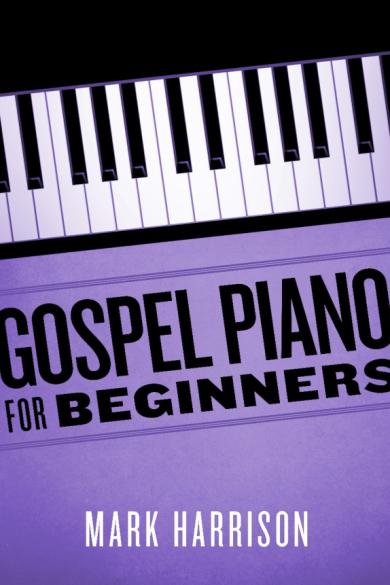


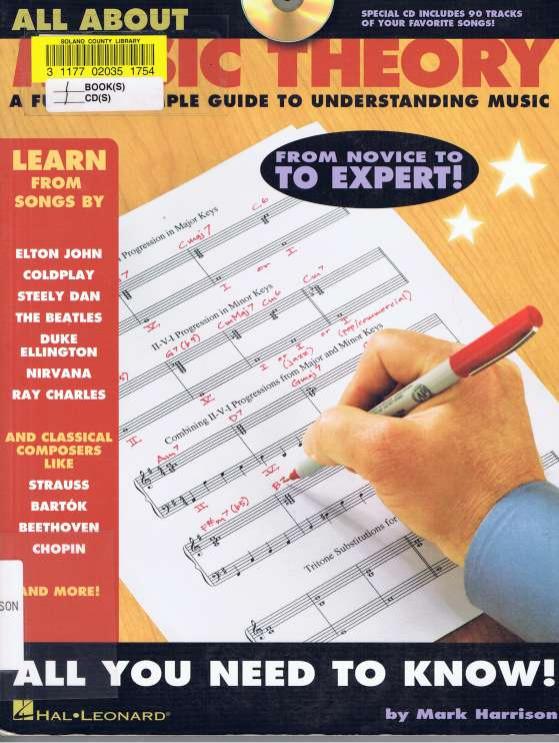
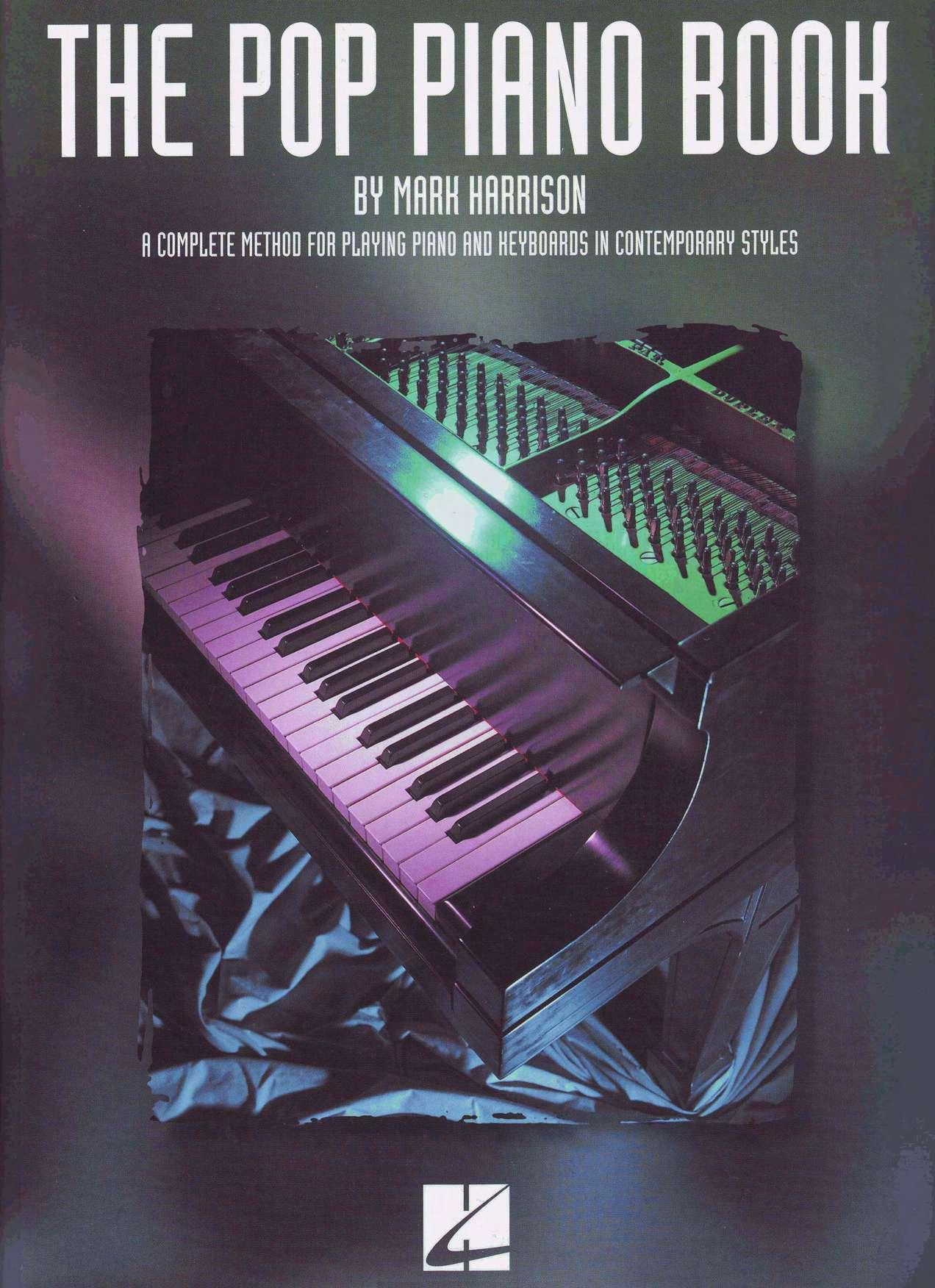
Harrison’s playing and writing sit at the intersection of contemporary jazz, funk, R&B, pop, and gospel, with a strong emphasis on groove, melodic clarity, and practical harmonic sophistication. His quintet material ranges from hard funk (“Get In Line”) to gentle lyricism (“Conundrum”) and joyous shuffle grooves (“So Far So Good”). As a keyboardist, he is known less for flashy virtuosity than for voice-leading, rhythmic comping, and stylistically appropriate part-creation—the very skills he codifies in his method books.
His educational writing stresses spontaneous keyboard-part creation: rhythmic and harmonic concepts are applied in all keys and then developed into specific solutions for rock, pop, ballad, funk, new age, country, and gospel styles. In the Piano Zen material he breaks down triad patterns, melody creation from major, minor, and pentatonic scales, seventh-chord usage, and expansion into more sophisticated harmony and rhythm. His gospel keyboard work specifically addresses the harmonic vocabulary of slow 3/4 gospel and up-tempo 4/4 gospel with syncopation and blended gospel harmonies.
Search your favorite sheet music in the Sheet Music Library Catalog


Harmony and Theoretical Approach
Harrison’s harmonic teaching is built around contemporary shape concepts, voicings, and practical application rather than abstract theory alone. The Contemporary Music Theory series—especially Level Three—covers dominant and diminished chords, chord tones, voicings, polychords, and harmonization of melodies, all aimed at the pop and jazz musician. The Pop Piano Video Total Keyboard Harmony Package extends this into nearly seven hours of instruction on using voicings to interpret chord symbols and progressions and applying them across rhythmic styles.
His harmonic language as a composer reflects that same philosophy: functional harmony with a strong rhythmic identity, jazz-informed extended chords used for color rather than display, and melodies that remain singable over funk, shuffle, ballad, and Latin-tinged grooves.
Best Compositions and Recordings
The Mark Harrison Quintet has released three albums—Road Ahead, Are We There Yet?, and Just Add Water—that represent the core of his original compositional catalog.
| Album | Notable tracks | Character |
|---|---|---|
| Road Ahead | “Sinaloa Shuffle,” “Madera Drive,” “First Light,” “Waiting For June,” “Sea Prism,” “Phasers on Stun” | Debut; great melodies and grooves |
| Are We There Yet? | “Fries With That,” “Green Bananas,” “Swing For The Fences” | Hot R&B/funk, boogie-woogie inspiration, uplifting ballad |
| Just Add Water | “Get In Line,” “Conundrum,” “So Far So Good,” “So To Speak,” “Gotta Keep Movin’,” “Snakes And Ladders” | Hard funk, gentle lyricism, joyous shuffle |
These are not standards in the pop sense, but they are the clearest recorded statement of Harrison as a composer-bandleader: groove-first contemporary jazz with strong melodic hooks and arrangements designed for interactive ensemble playing.
Music in Film and Television
Harrison’s screen-music work has been primarily in television and commercial music rather than feature-film scoring. His TV credits include Saturday Night Live, The Montel Williams Show, American Justice, Celebrity Profiles, America’s Most Wanted, True Hollywood Stories, and the British documentary program Panorama. He also wrote music for British television and commercials in the 1980s, including the Labour Party campaign piece.
There is a separate Mark Harrison credit associated with the SpongeBob SquarePants theme, but that is not the same L.A.-based educator-composer profiled here. In short: documented film scoring is not a major part of this Harrison’s catalog; television and advertising music is.
Collaborations
Harrison’s collaborative footprint is broad and split between performance, recording, and education:
- Jay Graydon (Steely Dan) — performing and recording.
- John Molo (Bruce Hornsby band) — performing.
- Jimmy Haslip (Yellowjackets) — performing.
- The Mark Harrison Quintet — his own contemporary jazz band, formed in 1999.
- Doctor Wu — Steely Dan tribute band, current live work.
- USC Popular Music faculty — worked alongside Patrice Rushen, Ndugu Chancler, and Alphonso Johnson.
A separate British Mark Harrison has collaborated with Paddy Milner, Charles Benfield, and Paul Tkachenko in a roots/blues context, but those credits belong to the other artist of the same name.
Influences and Legacy
Harrison’s influences are refracted through his work rather than stated as a list: contemporary jazz, funk, R&B, gospel, and pop keyboard traditions, plus the harmonic vocabulary of Steely Dan-adjacent sophisticated pop and the groove language of L.A. session music. His biography—classical piano, British pub rock, TV music, L.A. jazz-funk—explains why his writing and teaching refuse to treat those styles as separate boxes.
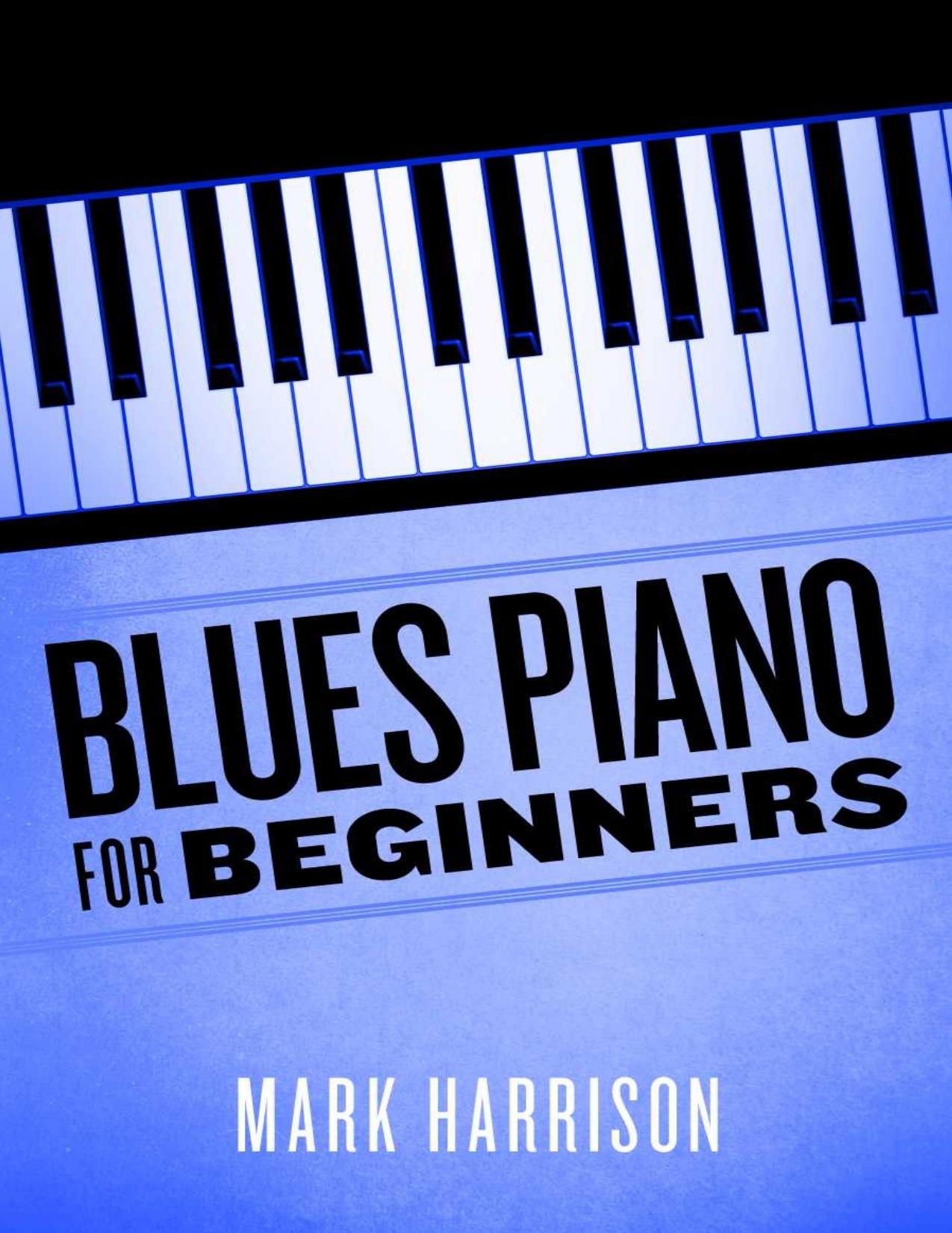
His legacy is arguably strongest in education. His instruction books are used by thousands of musicians in more than twenty countries, are recommended by Berklee College of Music for all incoming students, and have been endorsed by Keyboard Magazine, Jazz Times, and Performing Musician Magazine. Titles such as The Pop Piano Book, Contemporary Music Theory (Levels 1–3), Gospel Keyboard Styles, Smooth Jazz, R&B Keyboard, Blues Piano for Beginners, Modern Pop Keyboard, and Piano Zen have made him one of the most widely read contemporary keyboard pedagogues. He has also written master-class articles for Keyboard and How To Jam magazines.
For a musician who began in British pub rock and moved into L.A. jazz-funk, Harrison’s lasting influence may be less as a household-name recording artist and more as a systematizer of practical contemporary keyboard language—someone who gave generations of players a working method for harmony, voicings, groove, and stylistic authenticity.
Additional Notes
- Based in: Los Angeles, California.
- Primary instruments: Piano and keyboards.
- Bands: Mark Harrison Quintet; Doctor Wu (Steely Dan tribute).
- Teaching posts: Grove School of Music (six years); USC Popular Music faculty (2013–14); private studio.
- Official resource: harrisonmusic.com for educational products and online lessons.
- Name disambiguation: The British roots singer-guitarist Mark Harrison (albums including The Panoramic View, The Road to Liberty, Willing to Be Lucky) is a different artist from the L.A.-based keyboardist-educator discussed here.
List of Mark Harrison's books and methods
Blues Piano For Beginners by Mark Harrison
Boogie Woogie Piano For Beginners by Mark Harrison
Gospel Piano For Beginners by Mark Harrison
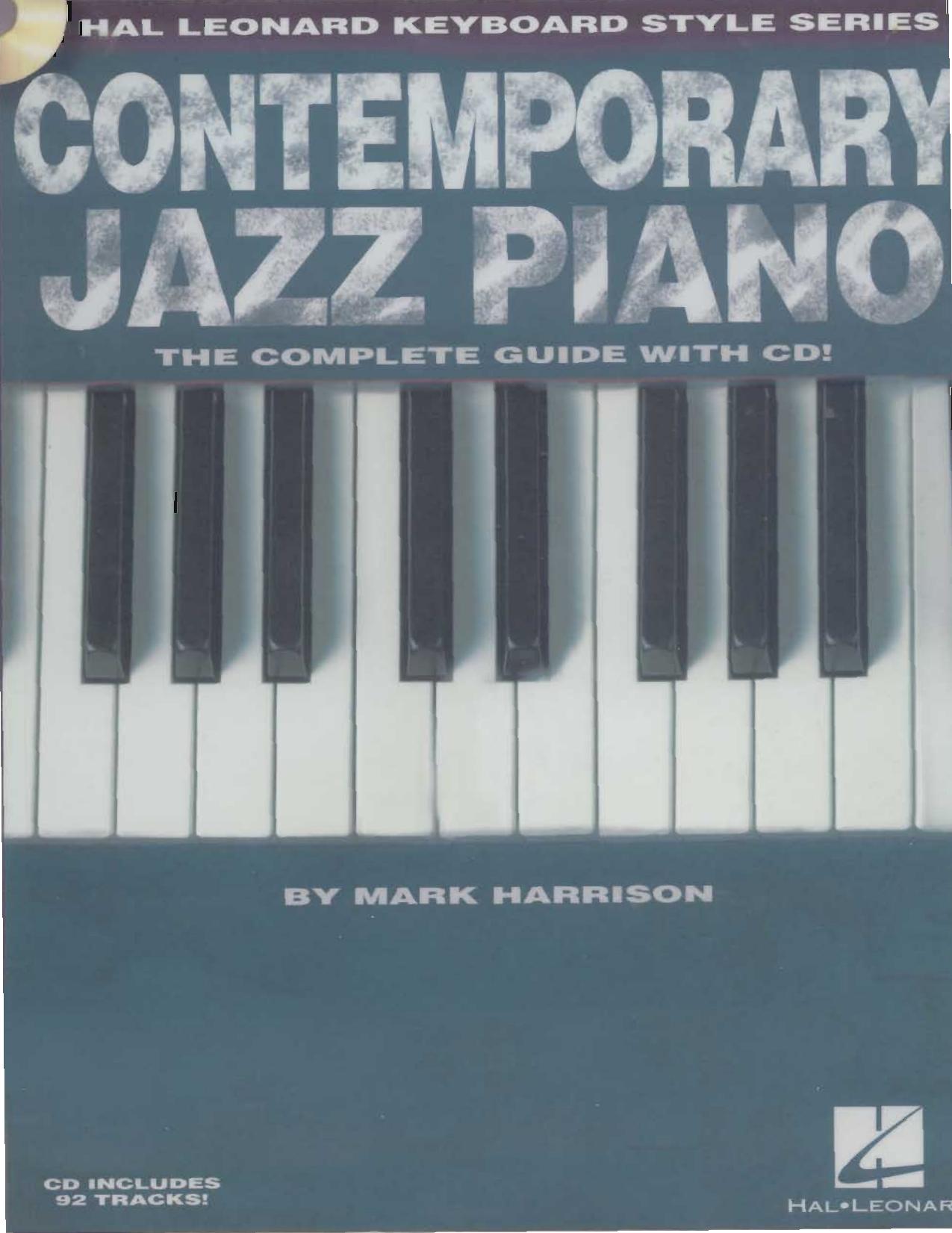
Mark Harrison - Contemporary Jazz Piano
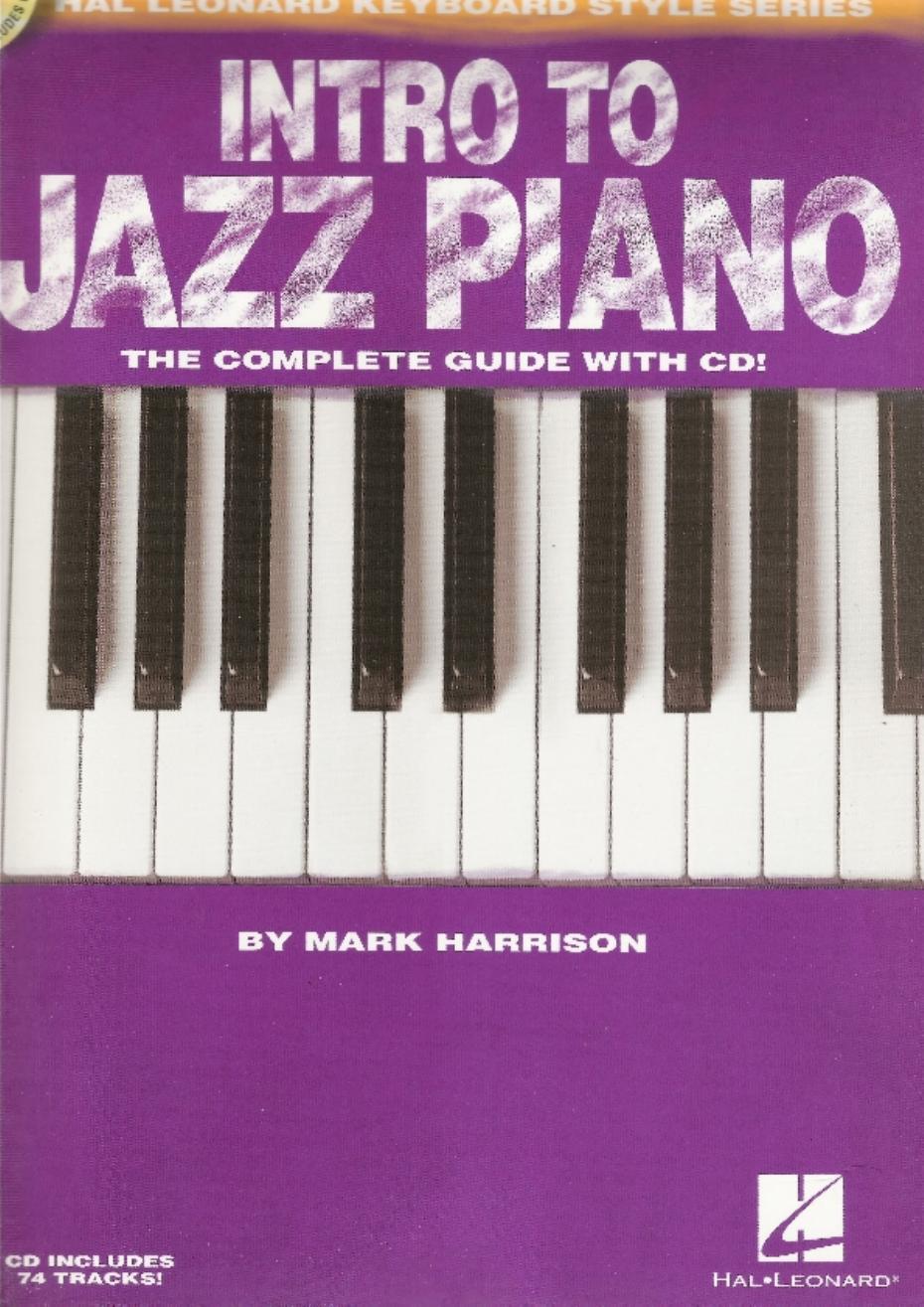
Mark Harrison - Intro to Jazz Piano
Mark Harrison - R&B Keyboard (with audio MP3)
Mark Harrison - Smooth Jazz piano (PDF + MP3 audio tracks)
Mark Harrison Beginning Rock Keyboard (PDF + MP3 audio tracks)
Mark Harrison Blues Piano (PDF + MP3 audio tracks)
Mark Harrison Contemporary Music Theory Level One A Complete Harmony And Theory Method For The Pop And Jazz Musician
Mark Harrison Contemporary Music Theory Level Two A Complete Harmony And Theory Method For The Pop And Jazz Musician
Mark Harrison Country Piano (PDF + MP3 audio tracks)
Mark Harrison Funk Keyboard For Beginners
Mark Harrison Jazz Blues Piano (PDF + MP3 audio tracks)
Music Theory, All About - A Fun And Simple Guide To Understanding Music By Mark Harrison
Piano Styles Of 23 Pop Masters (Mark Harrison ) Secrets of the great contemporary players
Pop Piano Book, The By Mark Harrison
Browse in the Sheet Music Library:
Or browse in the categories menus & download the Library Catalog PDF: