
Scores for all instruments: 16,000+ (active and growing), over 236,000 pages.
All genres and levels: Jazz & Blues, Rock & Pop, Classical & Contemporary, Film & Musicals;
books & biographies; methods, études, play-along tracks (MP3) for Jazz & Rock.
Access & benefits: US$15.99 one-time payment, valid for lifetime, full Library access.
Table of Contents
Happy birthday, Neil Young, born on this day in 1945
Please, subscribe to our Sheet Music Library. Sheet music should be accessible and affordable for all musicians, from professionals to absolute beginners.
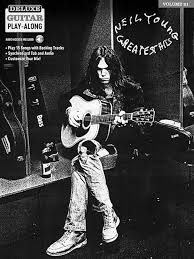
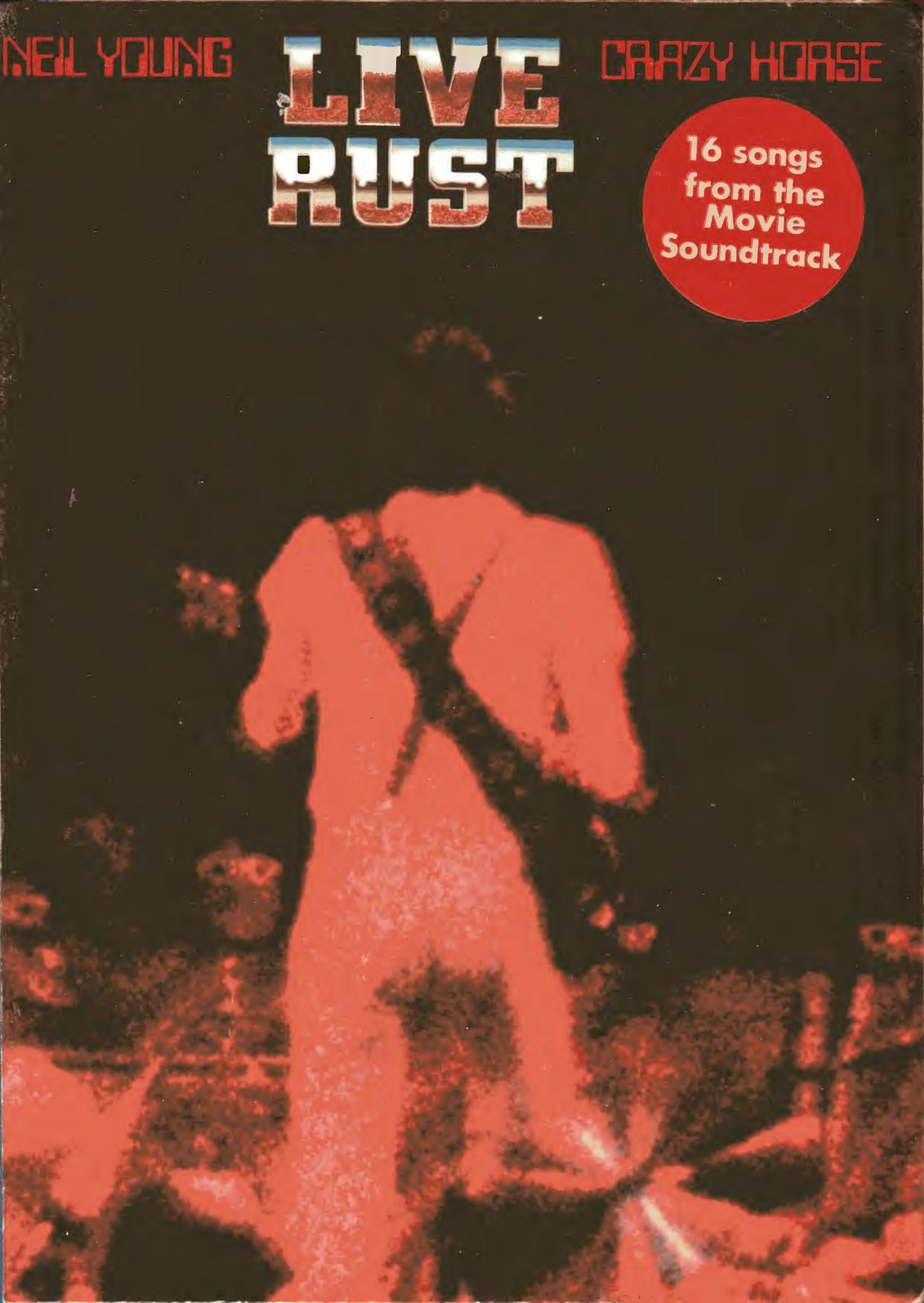

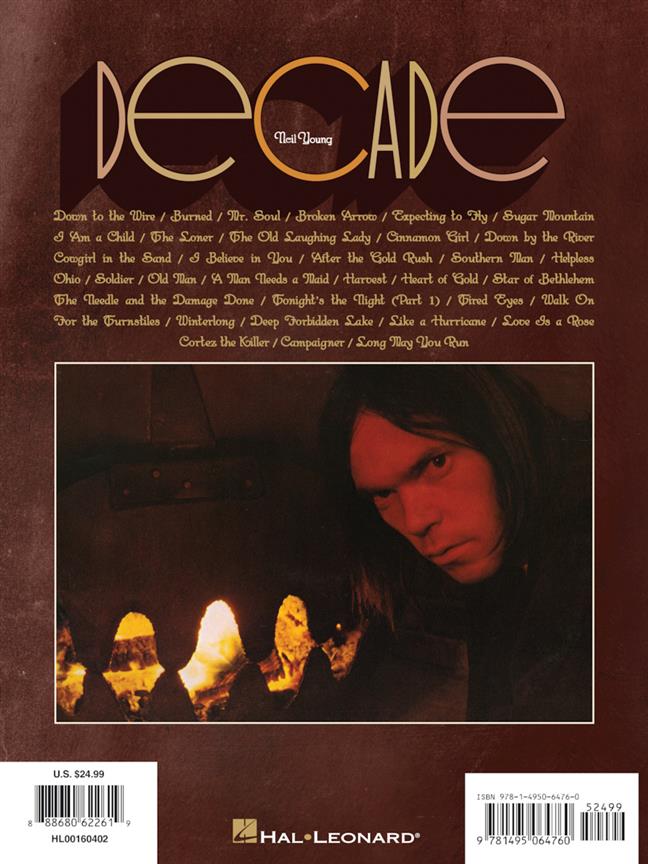
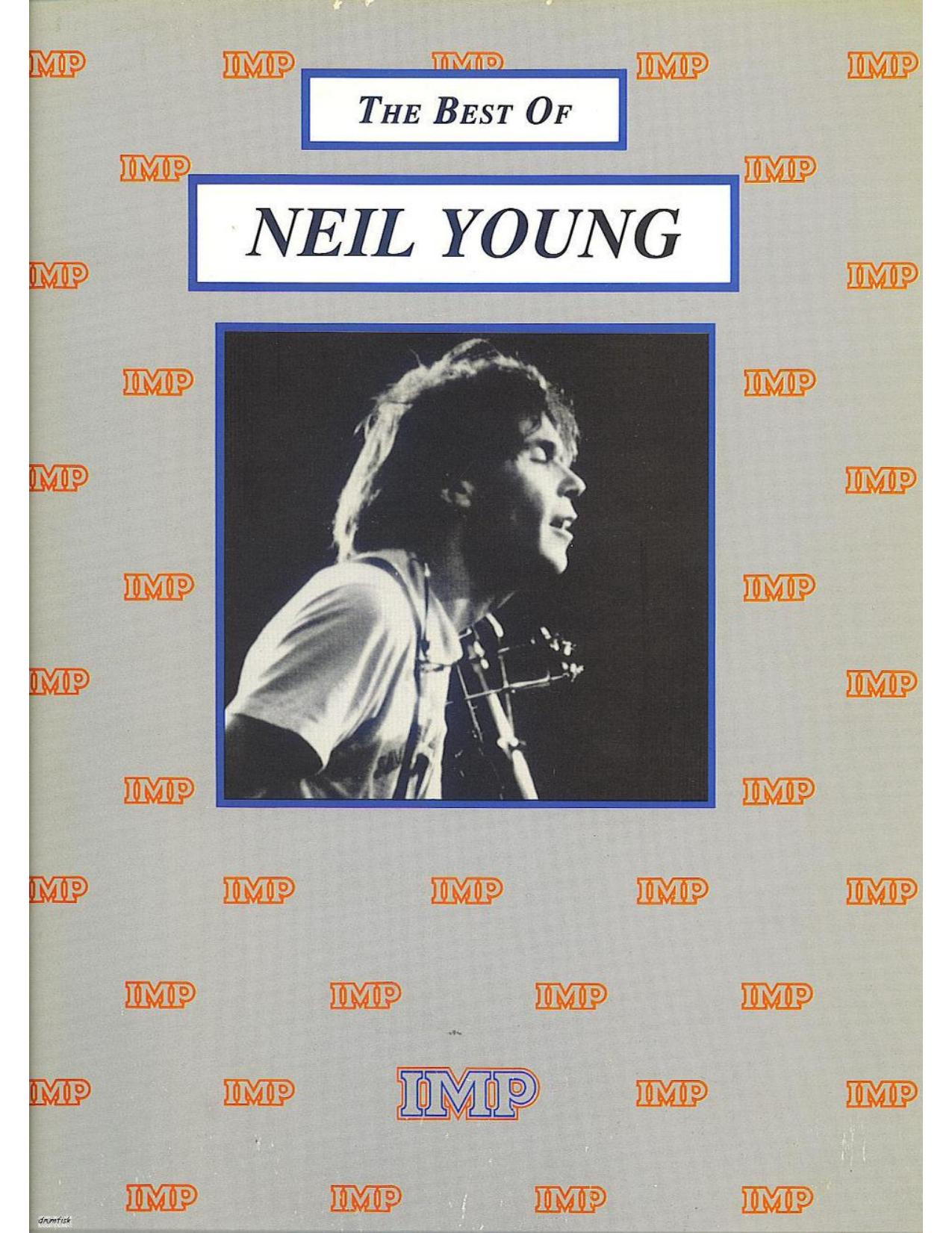
The best sheet music download from our Library.
For the price of a single songbook, get a full Sheet Music Library!
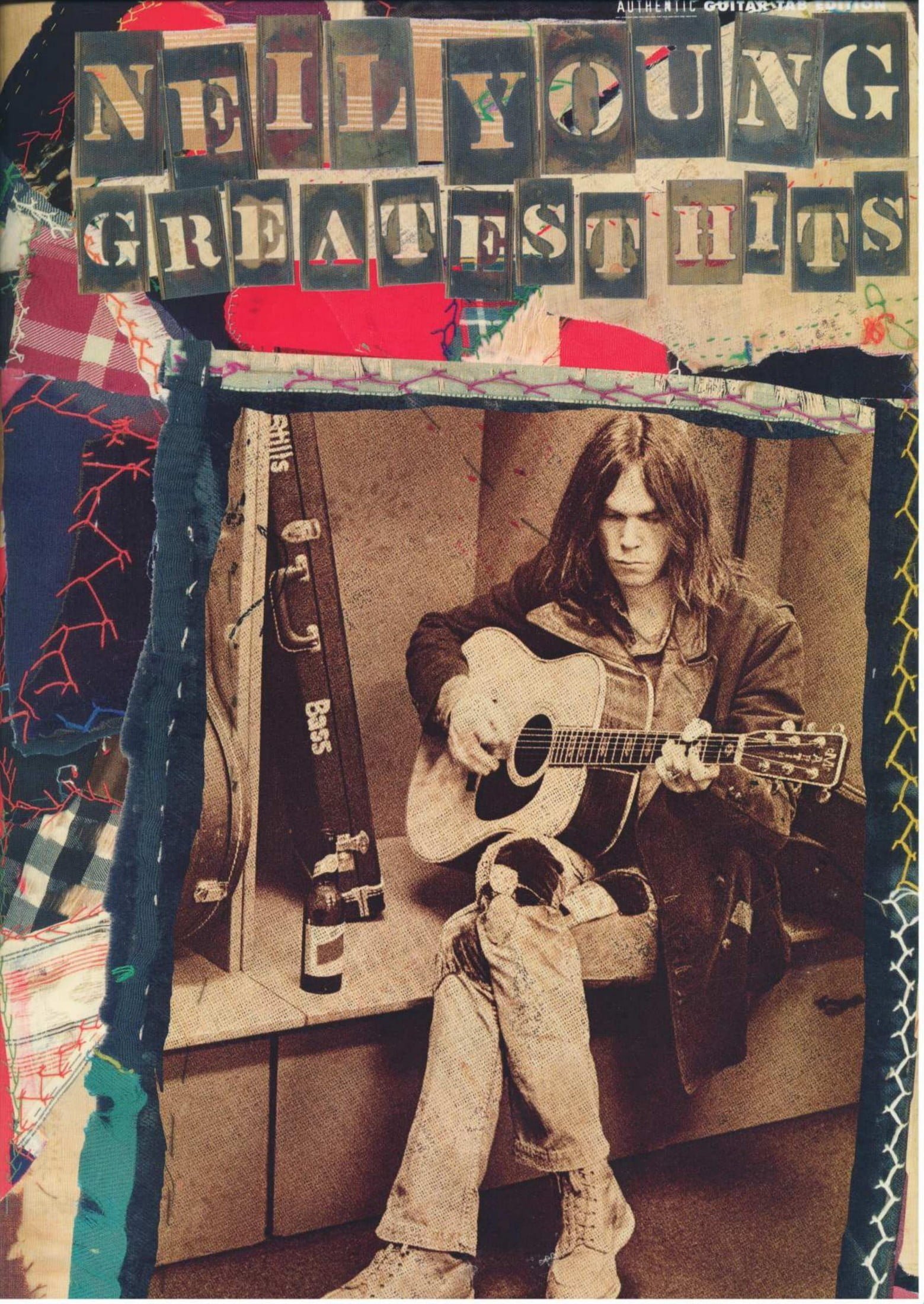
Neil Young: The Restless Heart of Rock and Roll
Born on November 12, 1945, in Toronto, Ontario, Neil Percival Young is a singular force in popular music—an artist whose restless curiosity, uncompromising vision, and raw emotional honesty have defined a career spanning more than six decades. As a singer, songwriter, guitarist, pianist, harmonica player, film director, and activist, Young has never been content to repeat himself. From the folk-rock breakthroughs of Buffalo Springfield and the supergroup heights of Crosby, Stills, Nash & Young to the ragged glory of Crazy Horse and a bewildering array of solo experiments, he has built one of the most eclectic and influential catalogs in rock history.
His signature high tenor voice—quavering, vulnerable, and instantly recognizable—and his deeply personal lyrics have earned him a permanent place among the great storytellers of his generation. This article explores the full arc of Neil Young’s life and work, from his childhood in Canada through his latest archival projects, examining the musical style, harmonic language, landmark compositions, cinematic pursuits, and collaborative spirit that have cemented his legacy as the "Godfather of Grunge" and one of the most important artists of the rock era.
Search your favorite sheet music in the Sheet Music Library Catalog
Early Life and the Road to Buffalo Springfield
Neil Young was born in Toronto to Scott Alexander Young, a journalist and sportswriter, and Edna Blow Ragland "Rassy" Young. Shortly after his birth, the family moved to rural Omemee, Ontario, which Young later described as a "sleepy little place". His early childhood was marked by a traumatic event: in the late summer of 1951, he contracted polio during the last major outbreak of the disease in Ontario, leaving him partially paralyzed on his left side. The family wintered in Florida during his convalescence, and Young eventually recovered, though the experience of illness and physical vulnerability would echo through his later work.
When Young was twelve, his parents divorced after his father's extramarital affairs, and he moved with his mother to Winnipeg, Manitoba, while his brother stayed with their father in Toronto. It was in Winnipeg that Young's musical education accelerated. He idolized Elvis Presley and absorbed a wide range of influences, including Link Wray, Lonnie Mack, The Ventures, Chuck Berry, Hank Marvin, Little Richard, and Johnny Cash. He began playing music on a plastic ukulele before graduating to the guitar, and by his teens he was performing in local bands.
Young's first stable band was the Squires, who had a local hit called "The Sultan" and played hundreds of shows across Manitoba and Ontario. While playing at The Flamingo in Winnipeg, he met Stephen Stills, whose band The Company was performing at the same venue; the two became friends, a relationship that would later reshape the course of rock music. After leaving the Squires, Young worked the folk clubs of Winnipeg, where he met Joni Mitchell and wrote some of his earliest enduring songs, including "Sugar Mountain," a meditation on lost youth to which Mitchell responded with "The Circle Game". The Winnipeg band The Guess Who scored a Canadian Top 40 hit with Young's "Flying on the Ground is Wrong," his first major success as a songwriter.
In 1966, Young joined the Rick James-fronted Mynah Birds in Toronto, a band that briefly secured a Motown record deal before James was arrested for being AWOL from the Navy Reserve. After the group disbanded, Young and bassist Bruce Palmer pawned the band's equipment, bought a Pontiac hearse, and drove to Los Angeles. There, a chance encounter in traffic on Sunset Boulevard reunited Young with Stephen Stills, and along with Richie Furay and Dewey Martin, they formed Buffalo Springfield.
Buffalo Springfield was a volatile but brilliant fusion of folk, country, psychedelia, and rock, driven by the twin lead guitars of Stills and Young. Their self-titled debut sold well after Stills's topical song "For What It's Worth" became a hit, aided by Young's melodic harmonics on electric guitar. The band helped create the genres of folk rock and country rock, but internal tensions, management distrust, and Palmer's deportation hastened their demise.
Their second album, Buffalo Springfield Again (1967), featured "Mr. Soul," a cynical commentary on the music industry that showcased Young's songwriting and the fierce guitar competition between him and Stills. The group split in May 1968, leaving behind a legacy that would earn them induction into the Rock and Roll Hall of Fame in 1997—though Young pointedly skipped the ceremony, writing that the event "has nothing to do with the spirit of Rock and Roll".
Going Solo, Crazy Horse, and the Supergroup Years
After Buffalo Springfield, Young signed a solo deal with Reprise Records and released his self-titled debut in January 1969 to mixed reviews. He was dissatisfied with the album, later calling it "overdubbed rather than played". For his next record, he recruited three musicians from a band called the Rockets—guitarist Danny Whitten, bassist Billy Talbot, and drummer Ralph Molina—who became Crazy Horse. Everybody Knows This Is Nowhere (1969) was recorded in just two weeks and includes "Cinnamon Girl," "Cowgirl in the Sand," and "Down by the River," all reportedly written in bed while Young nursed a high fever. The album's raw, extended guitar workouts and garage-band energy made Young an icon and established Crazy Horse as his ideal backing band for electric explorations.
In parallel, Young joined Crosby, Stills & Nash after Stills extended an invitation, but only on the condition that he become a full member rather than a sideman. The quartet, renamed Crosby, Stills, Nash & Young, debuted at Woodstock in August 1969 and released Déjà Vu in March 1970, which topped the charts. The album's sessions were contentious, particularly between Young and Stills, but produced enduring songs including Young's "Helpless". Following the Kent State shootings on May 4, 1970, Young wrote "Ohio" in a burst of outrage; the song was recorded and released as a single almost immediately, becoming a lasting anthem of protest.
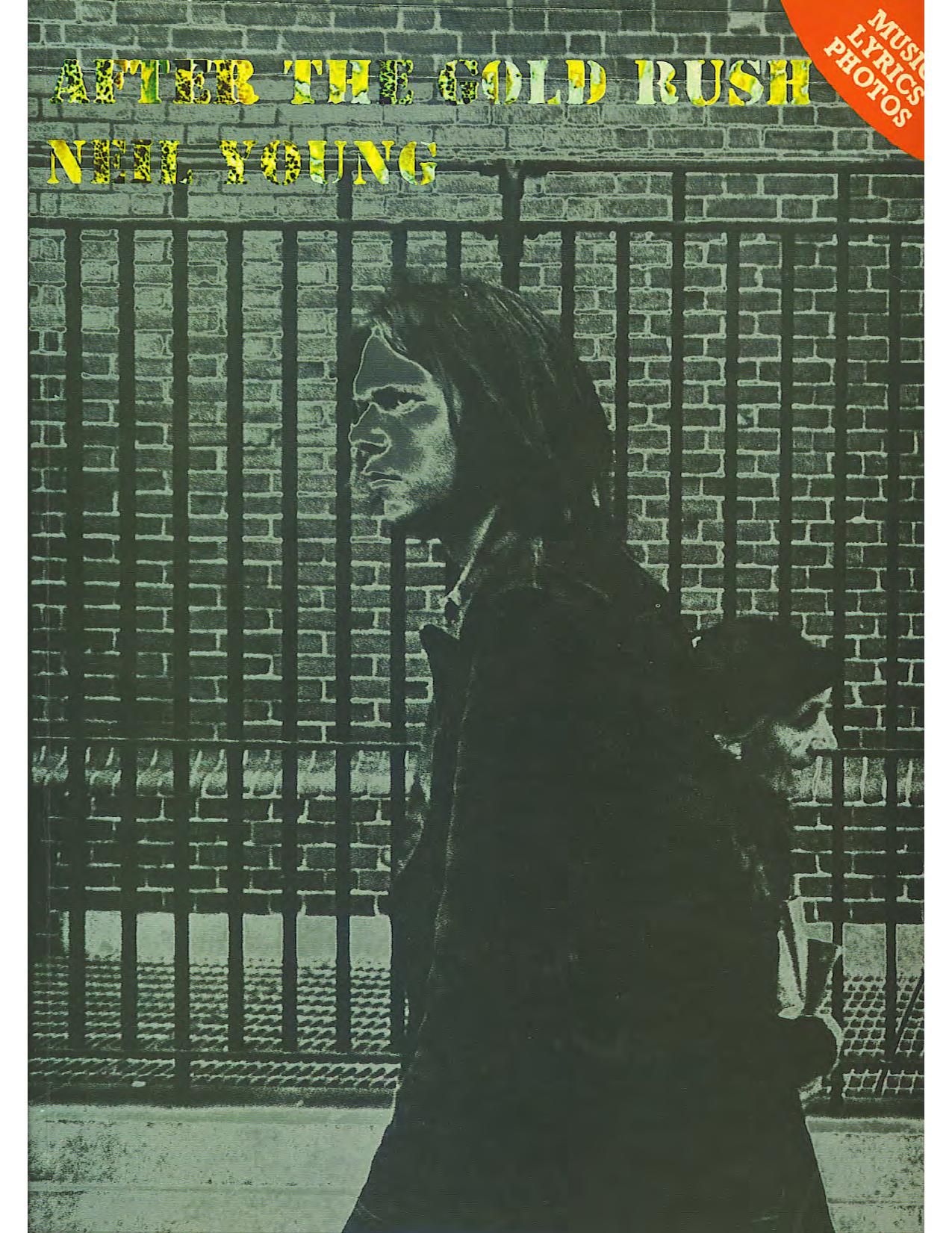
Young's third solo album, After the Gold Rush (1970), was recorded with a wide range of collaborators including Nils Lofgren, Stephen Stills, and CSNY bassist Greg Reeves. Less amplified than its predecessor, it showcased Young's folk and country leanings and his growing lyrical sophistication. The album's title track, a surreal piano ballad about environmental decay and lost ideals, became one of his most beloved compositions.
The Ditch Trilogy and the Peak of the 1970s
The enormous commercial success of Harvest (1972)—which produced the chart-topping single "Heart of Gold"—might have tempted a lesser artist to repeat the formula. Instead, Young deliberately turned away from the mainstream with a trilogy of emotionally raw, uncompromisingly personal albums: Time Fades Away (1973), On the Beach (1974), and Tonight's the Night (1975). Often referred to as the "Ditch Trilogy," these records alienated some fans and confused critics but underscored Young's singular artistry. Tonight's the Night, a harrowing meditation on death and drug addiction recorded in 1973 but shelved for nearly two years, is widely regarded as one of his darkest and most powerful works.
Young returned to more melodic territory with Zuma (1975), which featured the epic "Cortez the Killer," a haunting reflection on the Spanish conquest of the Aztec empire. The late 1970s also saw the release of Comes a Time (1978), a return to the balanced country-folk sound that had always been one of his central heartbeats. The album included a cover of Ian & Sylvia's "Four Strong Winds," a song Young invested with such longing and reverence that it became his own.
The decade culminated in Rust Never Sleeps (1979), a split acoustic/electric album recorded with Crazy Horse that captured the ferocious, distorted guitar sound that would earn Young the nickname "Godfather of Grunge". The album's electric side, featuring "Hey Hey, My My (Into the Black)," was a direct precursor to the grunge movement of the 1990s, and its acoustic side included the haunting "My My, Hey Hey (Out of the Blue)". The accompanying concert film, Rust Never Sleeps, directed by Young under his pseudonym Bernard Shakey, remains a landmark of the concert-movie genre.
The 1980s: Experimentation and Controversy
The 1980s were a period of restless experimentation for Young, often to the bewilderment of his record label, Geffen. Trans (1982) incorporated vocoders, synthesizers, and electronic beats—a sound partly inspired by Young's efforts to communicate with his son Ben, who has cerebral palsy. The album was lambasted at the time but has since been reevaluated as a fascinating and heartfelt experiment. He followed it with Everybody's Rockin' (1983), a neo-rockabilly album credited to Neil Young and the Shocking Pinks that clocked in at under twenty-five minutes and further confounded expectations. Geffen Records famously sued Young for making "deliberately uncommercial" albums, a dispute that was eventually settled.
Despite the commercial turbulence, Young continued to release compelling work, including Freedom (1989), which featured the anthemic "Rockin' in the Free World" and signaled a return to the fiery, politically engaged rock that had defined his best work. The song, a critique of the George H. W. Bush era, became a staple of his live shows and was later covered by Pearl Jam, cementing his connection to the next generation of rock musicians.
The 1990s: Godfather of Grunge and a Creative Renaissance
The 1990s brought Young a remarkable creative and commercial renaissance. Ragged Glory (1990), recorded with Crazy Horse, was a masterful return to form—a distortion-heavy, raw, and grungy album that solidified his status as the "Godfather of Grunge". The album's feedback-soaked aesthetic resonated with the emerging alternative rock scene, and Young's influence on bands like Nirvana and Pearl Jam became a recurring theme in the press. Kurt Cobain famously quoted Young's lyric "It's better to burn out than to fade away" in his suicide note, a tragic affirmation of Young's generational reach.
Young's collaboration with Pearl Jam on Mirror Ball (1995) was a logical extension of this mutual admiration. The album, recorded with Pearl Jam as his backing band, captured the raw energy of the grunge era while remaining unmistakably a Neil Young record. That same year, Young was inducted into the Rock and Roll Hall of Fame as a solo artist, with Eddie Vedder delivering the induction speech.
Harvest Moon (1992) offered a gentler counterpoint, reuniting Young with many of the musicians from Harvest for a collection of warm, acoustic love songs. The album's title track became a standard, and its enduring popularity demonstrated that Young's melodic gifts were as potent as ever. In 1995, Young also contributed the haunting, Oscar-nominated song "Philadelphia" to Jonathan Demme's film of the same name, showcasing his ability to channel profound emotion into a cinematic context.
The 2000s and Beyond: Concept Albums, Political Fire, and Archival Projects
The new millennium found Young as prolific and unpredictable as ever. Greendale (2003) was a concept album and accompanying film that told the story of a fictional California town and its environmental and social struggles. Prairie Wind (2005) was a reflective, acoustic album recorded in Nashville, and its creation was interrupted when Young suffered a brain aneurysm in March 2005; he recovered and completed the record. The following year, Living with War (2006) was a fierce, "metal folk" protest album that directly criticized the Iraq War and the Bush administration, featuring songs like "Let's Impeach the President".
Young's political activism has been a constant thread throughout his career. He was a co-founder of Farm Aid in 1985, alongside Willie Nelson and John Mellencamp, to support American family farmers. He has been a vocal advocate for environmental causes, touring in vehicles powered by vegetable oil and writing albums like The Monsanto Years (2015) that attack corporate greed and genetically modified organisms. In 2022, he made headlines by demanding that Spotify remove his music in protest of podcaster Joe Rogan's COVID-19 misinformation, a decision that underscored his willingness to sacrifice commercial interests for his principles.
Musical Style and Harmony: A Singular Voice
Neil Young's musical style is notoriously difficult to categorize, and that is precisely its strength. His work frequently combines folk, rock, country, blues, and electronic elements into a sound that is instantly identifiable yet perpetually surprising. At the heart of this sound is his voice: a high tenor that is "almost a countertenor, kind of wobbly around the edges, as though he were working hard to stay on the melody". This vulnerability—the sense that his voice might crack or break at any moment—is central to his emotional power. Whether he is delivering the tender longing of "Harvest Moon" or the ragged fury of "Hey Hey, My My," his voice remains a vehicle for naked, unguarded expression.
His guitar playing is equally distinctive. With Crazy Horse, he developed a style characterized by heavily distorted, abrasive tones, long feedback-drenched solos, and an instinctive, emotion-over-technique approach that prioritizes feel over flash. His work on Rust Never Sleeps and Ragged Glory is often cited as a template for grunge, and his signature guitar, a heavily modified 1953 Gibson Les Paul known as "Old Black," is one of the most recognizable instruments in rock. In acoustic settings, his fingerpicking and harmonica playing create a sparse, intimate atmosphere that contrasts sharply with his electric work.
Harmonically, Young's music defies easy categorization. His practices "are neither narrowly modal nor tonal, but display a subtle blend of the two frameworks". He frequently uses modal mixture, shifting between major and minor tonalities within a single song to create emotional tension and ambiguity. "Heart of Gold," for example, is built on a simple five-chord progression in E minor (Em7, D, Em, C, G), but its emotional effect comes from the contrast between tonal and modal harmonic movement.
'In the chorus, the verse's major-axis motion pivots to a rocking modal motion, forming an Aeolian cadence that gives the song its distinctive blend of melancholy and resolve. "The Loner" is built on a modal D guitar riff with intricate chord changes that move from a major key in the verses to a minor-seventh vibe in the bridge, creating a sweet, bittersweet effect. Young's use of minor sevenths and his tendency to let chords group into pairs are recurring features of his harmonic vocabulary, contributing to the dreamy, suspended quality that pervades much of his best work.
The Essential Songs: A Legacy in Composition
Main article on Wikipedia: Neil Young discography and filmography
See also: Crazy Horse (band) § Discography; Buffalo Springfield § Discography; and Crosby, Stills, Nash & Young discography
Any attempt to distill Neil Young's catalog to a handful of essential songs is necessarily incomplete, but certain compositions stand as landmarks of his artistry. "Sugar Mountain" (1964, released 1968) is an early masterpiece, a lament for lost youth that he wrote in his Winnipeg folk-club days and that Joni Mitchell answered with "The Circle Game". "Mr. Soul" (1967) captures the cynical energy of Buffalo Springfield, with Young's distorted guitar solo—famously left out of sync by 187 milliseconds in the final mix—becoming an accidental hallmark of the song's raw power. "Down by the River" (1969) is a long, raw-edged guitar blitzkrieg around lyrics about murder, establishing the template for the extended Crazy Horse jams that would become a live staple.
"Ohio" (1970) remains one of the most powerful protest songs ever written, recorded and released within days of the Kent State shootings. "After the Gold Rush" (1970) is a surreal, piano-driven ballad that uses simple backing to transport the listener through a time travel of environmental decay, held together by the sheer conviction of Young's performance. "Heart of Gold" (1972) was Young's only No. 1 single and remains one of his most enduring melodies, a gentle, acoustic meditation that contrasts with the harder-edged material that surrounded it. "The Needle and the Damage Done" (1972) is a stark, haunting acoustic lament for friends lost to heroin, recorded live and included on Harvest.
"Cortez the Killer" (1975) is a sprawling, atmospheric epic that reflects on the Spanish conquest with a mixture of awe and sorrow, featuring one of Young's most lyrical guitar solos. "Like a Hurricane" (1977) is a soaring, romantic rocker built on a hypnotic chord progression and a searing guitar lead. "Hey Hey, My My (Into the Black)" (1979) and its acoustic counterpart "My My, Hey Hey (Out of the Blue)" are the definitive statements of Young's philosophy of artistic integrity, with the line "It's better to burn out than to fade away" becoming a generational slogan. "Rockin' in the Free World" (1989) is a furious indictment of American social policy that has lost none of its relevance, while "Harvest Moon" (1992) is a tender, mature love song that demonstrates his enduring melodic gift.
Music for the Cinema: Soundtracks and Directed Films
Neil Young's relationship with film is as idiosyncratic as his relationship with the music industry. Under the pseudonym Bernard Shakey, he has directed or co-directed a series of films that range from straightforward concert documents to surreal, experimental narratives. His directorial debut, Journey Through the Past (1973), was a fragmented, impressionistic blend of concert footage and narrative vignettes that confounded critics but has since been recognized as an extension of his creative restlessness.
Rust Never Sleeps (1979) is a more conventional concert film, capturing Crazy Horse at their most ferocious, and remains a fan favorite. Human Highway (1982) was an ambitious, big-budget anti-nuclear fiasco that has nonetheless acquired a cult following. Greendale (2003) translated the concept album into a musical film about the struggles of a small town, and CSNY/Déjà Vu (2008) documented the supergroup's contentious 2006 reunion tour.
Young's contributions to other directors' films have been equally memorable. For Jonathan Demme's Philadelphia (1993), he wrote and performed the title song, a haunting, near-falsetto ballad that earned an Academy Award nomination and stands as one of his most emotionally direct compositions. For Jim Jarmusch's Dead Man (1995), he created an entirely improvised, solo electric guitar score that Jarmusch described as "masterfully, beautifully damaged rock-and-roll music—perfect imperfection".
The score, built around Young's distinctive, distorted guitar lines, is "at times percussive and violent, at others bleakly poetic, and always—to invoke an unavoidable cliché—raw," perfectly matching the film's surreal, monochrome western atmosphere. Dead Man remains the only release of its kind in Young's catalog, a purely instrumental work of immense atmospheric power.
Collaborations: Crazy Horse, CSNY, Pearl Jam, and Beyond
Collaboration has been a defining feature of Young's career, and his most important musical partnership is undoubtedly with Crazy Horse. Billy Talbot, Ralph Molina, and the late Danny Whitten (later replaced by Frank "Poncho" Sampedro) provided the raw, intuitive backing that allowed Young to explore the outer limits of electric guitar expression. The chemistry between Young and Crazy Horse is one of the great band relationships in rock, capable of both thunderous noise and fragile beauty.
Crosby, Stills, Nash & Young represented a different kind of collaboration—a clash of strong personalities and exceptional talents that produced some of the era's most enduring music. Young's contributions to Déjà Vu, including "Helpless" and "Ohio," demonstrated his ability to elevate an already formidable group. The partnership was never easy, and the quartet has reunited and fractured multiple times over the decades, but their influence on folk rock and the singer-songwriter movement is immeasurable.
In the 1990s, Young found kindred spirits in Pearl Jam, whose members had grown up idolizing him. The Mirror Ball album was a genuine collaboration, with Pearl Jam serving as Young's backing band and co-writing several tracks. Young also collaborated with Pearl Jam on songs like "Act of Love" and "Fuckin' Up," and the relationship helped introduce him to a new generation of fans. More recently, he has been backed by Promise of the Real, a band featuring Lukas and Micah Nelson (sons of Willie Nelson), who have brought a youthful energy and adventurous spirit to his later work.
Beyond these core partnerships, Young has worked with a staggering array of artists, including Linda Ronstadt, James Taylor, Emmylou Harris, and Booker T. Jones. His willingness to collaborate across generational and genre lines is a testament to his enduring curiosity and his respect for musical kinship wherever he finds it.
Activism, Awards, and Enduring Legacy
Neil Young's legacy extends far beyond his recorded output. As a co-founder of Farm Aid, he has helped raise millions of dollars for family farmers since 1985. He and his former wife Pegi Young founded The Bridge School in 1986, an educational program for children with severe speech and physical impairments, and the annual Bridge School Benefit Concerts became a beloved institution, drawing a who's who of rock and folk artists including Bruce Springsteen, Pearl Jam, R.E.M., Willie Nelson, and CSNY. Young's environmental activism has been equally persistent, from his vegetable-oil-powered tour buses to his protests against corporate agriculture and his advocacy for high-resolution audio through the Pono music player, an ambitious but ultimately commercially troubled attempt to improve digital sound quality.
His awards and honors are numerous. Young has received multiple Grammy Awards, including his first in 2010 and another in 2011, and he has won seven Juno Awards. He was inducted into the Canadian Music Hall of Fame in 1982 and the Rock and Roll Hall of Fame twice: in 1995 as a solo artist and in 1997 as a member of Buffalo Springfield. He was made an Officer of the Order of Canada in 2009 and received the Order of Manitoba in 2006. In 2023, Rolling Stone named him No. 30 on its list of the 250 greatest guitarists of all time, and he appears on the magazine's list of the 100 greatest musical artists. Twenty-one of his albums and singles have been certified Gold or Platinum by the RIAA.
But perhaps the most meaningful measure of Young's legacy is his influence on other artists. He is the "Godfather of Grunge" not because he invented the genre, but because his distorted, emotionally raw approach to the electric guitar provided a blueprint for the bands that would define the 1990s. Kurt Cobain and Eddie Vedder both cited him as a crucial inspiration, and his political outspokenness and social awareness have influenced artists from Blind Melon and Phish to Pearl Jam and Nirvana. His refusal to be constrained by genre, commercial expectations, or even his own past is a model of artistic integrity that few artists have matched.
Since 2006, Young has been meticulously curating the Neil Young Archives, a sprawling project that encompasses live albums, reissues, and box sets. Archives Vol. I (1963–1972) was released in 2009, Vol. II (1972–1976) in 2020, and Vol. III (1976–1987) in 2024, each offering fans a deep dive into his creative process through unreleased songs, alternate versions, and full-length films. The Archives project is a fitting capstone to a career defined by prolific output and a stubborn commitment to documenting every facet of his musical life.
Neil Young
Neil Young once described songs as being "like animals"—elusive, wild, and requiring patience and respect to capture. That philosophy has guided every phase of his extraordinary career. From the folk clubs of Winnipeg to the grunge-soaked stages of the 1990s and the archival depths of the 2020s, he has followed his muse wherever it led, never sacrificing honesty for accessibility or comfort for innovation. He is a guitarist who can summon hurricanes of noise and a songwriter who can break your heart with a single whispered line. He is a Canadian who became an American citizen in 2020, a move that reflected his deep engagement with the country's politics and culture even as he remained a fierce critic of its failures. At 81, he remains active, releasing new music and touring with the Chrome Hearts, still raging against injustice and still searching for the next song rabbit to emerge from its hole.
Neil Young's legacy is not merely a catalog of great songs, though that catalog is formidable. It is a testament to the possibility of a life lived entirely on one's own terms—restless, contradictory, generous, ornery, and profoundly human. In a career that has spanned more than sixty years and over sixty albums, he has never stopped being Neil Young, and that, in the end, is his greatest achievement.
Browse in the Sheet Music Library:
Or browse in the categories menus & download the Library Catalog PDF:
The Very Best of Neil Young
Track List:
00:00:00 Neil Young - Heart of Gold 00:03:07 Neil Young - Old Man 00:06:31 Neil Young - Rockin' in the Free World 00:11:13 Neil Young - Harvest Moon 00:16:17 Neil Young - After the Gold Rush 00:20:03 Crosby, Stills, Nash & Young - Helpless 00:23:40 Neil Young - Southern Man 00:29:11 Crosby, Stills, Nash & Young - Woodstock 00:33:05 Neil Young - The Needle and the Damage Done 00:35:08 Crosby, Stills, Nash & Young - Deja Vu 00:39:20 Neil Young - Harvest