Scores for all instruments: 16,000+ (active and growing), over 236,000 pages.
All genres and levels: Jazz & Blues, Rock & Pop, Classical & Contemporary, Film & Musicals;
books & biographies; methods, études, play-along tracks (MP3) for Jazz & Rock.
Access & benefits: US$15.99 one-time payment, valid for lifetime, full Library access.
Table of Contents
Nina Simone: The High Priestess of Soul – A Comprehensive Biography and Musical Analysis
Few artists in the twentieth century embodied the concept of "fusion" as completely, or as fiercely, as Nina Simone. Born Eunice Kathleen Waymon, she was a classically trained piano prodigy whose dreams of the concert hall were derailed by racial prejudice, only to be reborn as one of the most singular and uncompromising voices in American music.
Hailed as the "High Priestess of Soul," Simone defied easy categorization, weaving together classical, jazz, blues, gospel, folk, and pop into a sound that was entirely her own. Her music was not merely entertainment; it was testimony, protest, and a profound expression of Black identity and female autonomy.
Nina Simone's powerful lyrics often tackled issues like civil rights, love, and personal struggle, resonating deeply with audiences around the world. Her fearless stance against social injustices made her an icon of the civil rights movement, inspiring countless activists and musicians alike. The emotional depth of her performances captivated listeners, leaving an indelible mark on the music landscape. Even decades after her passing, her influence continues to echo, reminding us of the transformative power of art in the pursuit of justice and equality.

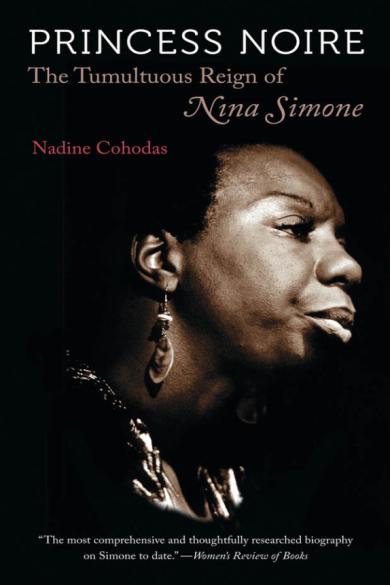

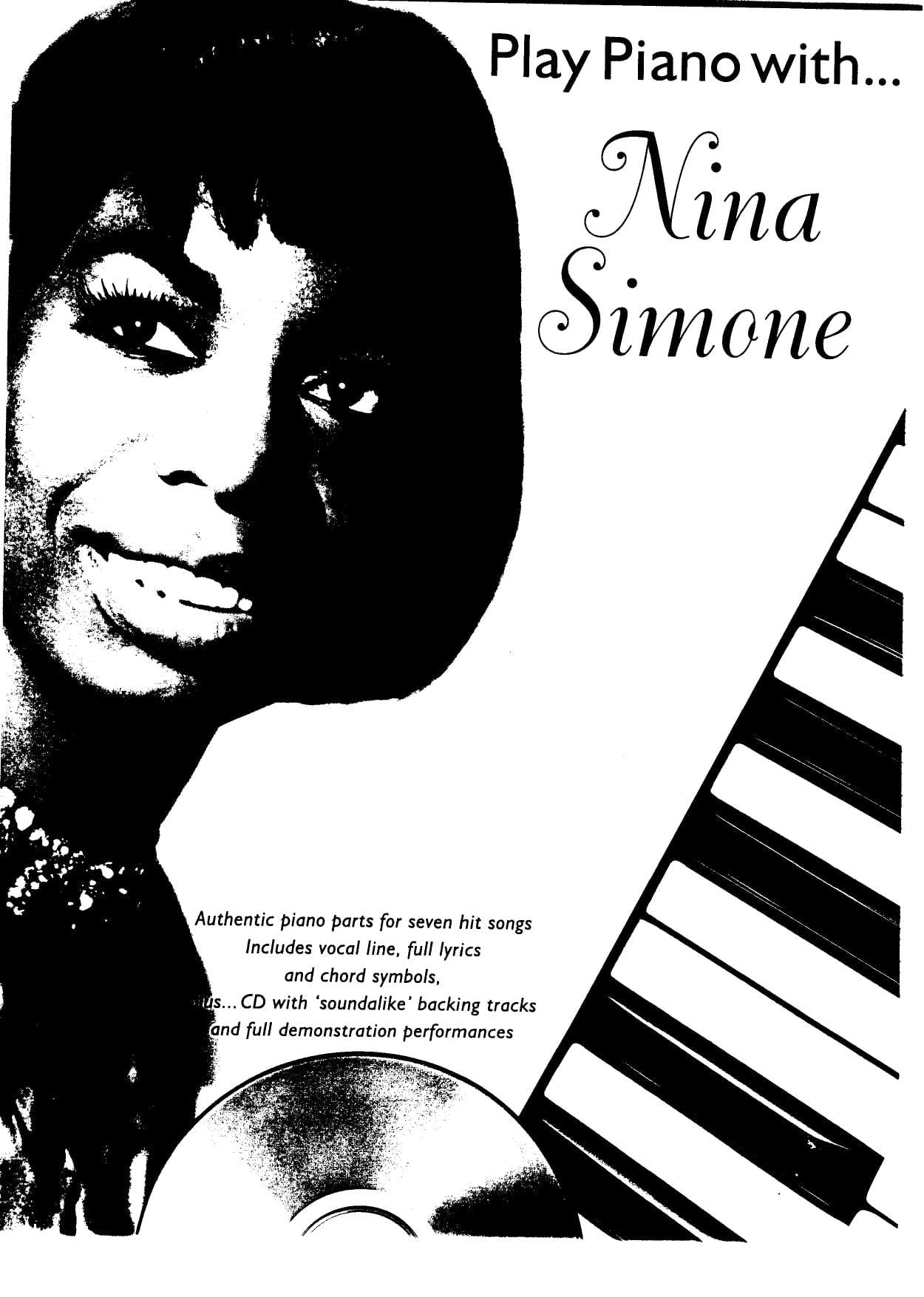
Biography: From Prodigy to Icon
Nina Simone was born Eunice Kathleen Waymon on February 21, 1933, in Tryon, North Carolina. She was the sixth of eight children born to John Davan Waymon, a handyman and Methodist minister, and Mary Kate Waymon, a housekeeper and minister. Her musical gifts were evident extraordinarily early. She began playing the piano by ear at around age three and was soon playing at her local church. Recognizing her talent, a local white piano teacher, Muriel Mazzanovich, took Simone under her wing and trained her rigorously in the classical tradition, with the community pooling resources to pay for her lessons.
Simone's ambition was singular: to become America's first Black concert pianist. After graduating high school, she studied briefly at the Juilliard School in New York, a rare opportunity for a Black woman in the 1950s. However, her application to the prestigious Curtis Institute of Music in Philadelphia was rejected. Simone was convinced that racial prejudice was the reason, a devastating blow that would shape the rest of her life and career.
In search of steady income, Simone began playing piano and singing at a nightclub in Atlantic City in 1954. To prevent her mother, a strict Methodist, from discovering she was playing "the devil's music," she adopted the stage name "Nina Simone"—"Nina" from a former boyfriend and "Simone" after the French actress Simone Signoret. It was here, in the smoky clubs of Atlantic City, that she reluctantly began to sing, forever changing the trajectory of her career.
Her 1958 debut album, Little Girl Blue, for Bethlehem Records, was a critical success and spawned her first and only Top 20 hit, a haunting rendition of George Gershwin's "I Loves You, Porgy". As the 1960s progressed, Simone became increasingly involved in the Civil Rights Movement. The 1963 bombing of the 16th Street Baptist Church in Birmingham, Alabama, which killed four young girls, catalyzed her most explicitly political work. Her enraged response, "Mississippi Goddam," became a defining anthem of the movement. During this period, she was also close friends with prominent Black intellectuals and artists, including Langston Hughes, James Baldwin, and Lorraine Hansberry.
Despite her artistic triumphs, Simone's personal life was turbulent. In 1961, she married Andrew Stroud, a New York police detective who became her manager. Their ten-year marriage was marked by physical and sexual abuse. Disillusioned with the racism in America, she left the country in the 1970s, living as a global nomad in Barbados, Liberia, Switzerland, and the Netherlands, before finally settling in France. Nina Simone passed away on April 21, 2003, in Carry-le-Rouet, France, after a long battle with breast cancer.
Musical Style: A Genre-Defying Hybrid
Nina Simone's music is a testament to the power of stylistic hybridity. She refused to be confined to a single genre, and her repertoire was a vast, eclectic tapestry that included jazz standards, blues laments, gospel-inflected spirituals, folk protest songs, pop covers, and show tunes. The through-line in all her work was her unmistakable contralto voice and her virtuosic, classically informed piano playing.
Her vocal delivery was characterized by its raw emotional honesty and dramatic range. She could move from a soft, vulnerable whisper to a guttural, roaring growl within a single phrase. As one critic noted, her voice was "low and rich but its power, proven on tracks like 'I Put a Spell on You,' lies in its sudden intensity". She used silence as a musical element and was a master of phrasing, often reshaping a melody to extract every ounce of meaning from a lyric. This interpretative prowess meant that even when she was covering another artist's song, she made it entirely her own. As Entertainment Weekly observed, "Simone’s arrangements, informed by her classical training, and her phrasings, drawn from jazz, re-cast the compositions entirely".
Harmony and Technique: The Classical Foundation
The key to understanding Nina Simone's unique artistry lies in her classical training. Her piano technique was the bedrock upon which her entire musical identity was built. Unlike many jazz or pop pianists, her approach was deeply rooted in the Baroque and Classical traditions, particularly the contrapuntal complexity of Johann Sebastian Bach.
An in-depth musicological analysis of her 1960 performance of "Love Me Or Leave Me" on The Ed Sullivan Show reveals how she strategically inserted "textural, melodic, and harmonic allusions to Bachian counterpoint within the structure of the song". Her piano solos in the song are a form of stylistic hybridity, where she synthesizes the conventions of a classical fugue with the structure of a popular song, creating something entirely new. However, as scholar Michèle Duguay argues, these are not mere imitations of Bach; they are original compositions that use "quartal harmonies and dissonant second-elements found more often in Jazz and Blues than in Bach's writing". This fusion of Baroque counterpoint with blues and jazz harmony is a defining feature of her style.
Her playing was also highly dynamic and physical. She could be "fierce and blocky as you’d expect from a jazz artist," and at other times "heavily arpeggiated and almost baroque as you’d expect from a classical musician". Her left hand often functioned as an anchor, providing rhythmic and harmonic drive, while her right hand wove intricate, ornamented melodies. This technical mastery gave her the freedom to be unpredictable, allowing her playing to erupt into "sudden bursts of forte" that perfectly matched the dramatic intensity of her vocals.
The Best Songs and Compositions: A Selected Survey
Nina Simone's discography is vast, but a selection of her recordings stands out as essential listening, each showcasing a different facet of her genius.
- "I Loves You, Porgy" (1958): Her breakout hit from Little Girl Blue. Simone strips away the theatrical grandeur of the Gershwin original, replacing it with a stark, poignant emotional honesty. Her "amber vibrato" communicates a profound sense of both eros and need.
- "Mississippi Goddam" (1964): A furious, rollicking protest song written in response to the Birmingham church bombing and the murder of Medgar Evers. Recorded live at Carnegie Hall, the song's raw power and righteous anger made it a Civil Rights anthem. Simone's piano playing here is percussive and driving, "plunk[ing] the piano with a righteous power that threatened to pummel injustice into dust".
- "Sinnerman" (1965): A traditional African-American spiritual that Simone transformed into a sprawling, ten-minute epic. It features a "very swift piano pattern and drum accompaniment," building through numerous crests and valleys before culminating in a primal, ecstatic scat solo. It is a masterclass in tension and release, showcasing her gospel roots and her ability to build a song into a transcendent experience.
- "Feeling Good" (1965): Written by Anthony Newley and Leslie Bricusse for the musical The Roar of the Greasepaint – The Smell of the Crowd, Simone's version is now the definitive one. She delivers the song with a confident, sassy swagger, turning it into a declaration of personal and sexual liberation. Its prominent use in numerous films and commercials has made it one of her most recognizable recordings.
- "Four Women" (1966): A haunting, a cappella-style original composition from the album Wild Is the Wind. The song paints stark portraits of four Black women—Aunt Sarah, Safronia, Sweet Thing, and Peaches—each representing different stereotypes and struggles, and collectively illustrating the complexity and pain of Black female identity in America.
- "To Be Young, Gifted and Black" (1969): Inspired by the title of a play by her friend Lorraine Hansberry, this became a powerful anthem of Black pride and self-determination. It has been covered by artists from Aretha Franklin to Solange Knowles, cementing its status as a standard.
- "I Put a Spell on You" (1965): Her mesmerizing cover of the Screamin' Jay Hawkins classic became so iconic that she used it as the title of her autobiography. It perfectly captures her ability to bewitch an audience with her vocal power.
- "Don’t Let Me Be Misunderstood" (1964): While many artists have covered this song, Simone's version is unparalleled in its expression of regret and remorse. Her reading "isolates the narrator’s sense of regret," making redemption feel "crushingly out of reach".
Nina Simone in Film: Soundtracks and Documentaries
Nina Simone's music has had a profound second life on the silver screen, with her songs appearing in countless films, television shows, and video games. Her music is frequently used to add emotional depth, political weight, or a sense of timeless cool to a scene.
Her recordings have been featured in a diverse array of films, including La Femme Nikita (1990), Point of No Return (1993), Shallow Grave (1994), The Big Lebowski (1998), Before Sunset (2004), Watchmen (2009), Hunt for the Wilderpeople (2016), and Nobody (2021). Her song "Feeling Good" was famously used in a promotional campaign for the TV series Six Feet Under, and "Take Care of Business" serves as the closing theme for the film The Man from U.N.C.L.E. (2015).
Beyond her music being used in soundtracks, Simone's own life has been the subject of several films. The Oscar-nominated documentary What Happened, Miss Simone? (2015), directed by Liz Garbus, is a comprehensive and intimate portrait of her life and artistry, featuring previously unreleased archival footage. Another documentary, The Amazing Nina Simone (2015), was made with the cooperation of her siblings. A controversial biopic, Nina (2016), starring Zoe Saldaña, was widely criticized for its historical inaccuracies and the casting of a lighter-skinned actress in the lead role.
Collaborations: Langston Hughes and Beyond
While Simone was a fiercely independent artist, she found key collaborators who helped shape her work. Her most significant creative partnership was with the poet and playwright Langston Hughes. The two first met in 1949 when Hughes gave a lecture at Simone's high school, and they later became close friends after she moved to New York. Hughes was a crucial mentor and advocate, encouraging Simone to record "I Put a Spell on You" and writing lyrics for her. Their most famous collaboration was "Backlash Blues," a song that became a staple of her repertoire and a powerful statement of Black resistance. Hughes provided the poetic fire, and Simone supplied the musical force, creating a work that "soundtracked what was then a nascent Black Power movement".
Simone also recorded material by other songwriters who were part of her intellectual circle. She set lyrics by Abbey Lincoln to music, including "Blues for Mama". Her 1960 album Nina Simone and Her Friends was a compilation that also featured jazz singers Carmen McRae and Chris Connor, though the songs were recorded separately. In her later years, she collaborated with a stable of talented sidemen, including guitarist Al Schackman, who worked with her for over four decades and was a key architect of her live sound.
Awards and Honors
During her lifetime, Nina Simone's genius was not fully recognized by the mainstream music industry. She was nominated for four Grammy Awards but never won a competitive Grammy. However, her cultural impact has been increasingly honored in the years since her death.
Her awards and honors include:
- Grammy Hall of Fame Award (2000): For her recording of "I Loves You, Porgy".
- Honorary Doctorate from the Curtis Institute of Music (2003): The very institution that had rejected her as a young woman named her an honorary doctor of music and humanities.
- Rock and Roll Hall of Fame Induction (2018): She was inducted in a ceremony where Mary J. Blige called her "bold, strong, feisty and fearless," and Lauryn Hill performed "Feeling Good" in tribute.
- Grammy Lifetime Achievement Award (2017): Awarded posthumously in recognition of her extraordinary contributions to music.
- Other Inductions: She has also been inducted into the North Carolina Music Hall of Fame (2009), the National Rhythm & Blues Hall of Fame (2021), and the Library of Congress (2019).
- Rolling Stone's 200 Greatest Singers of All Time (2023): Ranked at #21.
Nina Simone: Influences and Legacy
Nina Simone's legacy is immense and far-reaching. She is often cited by artists from diverse musical fields as a source of inspiration. Her influence can be heard in the work of classic rock artists like John Lennon and Jeff Buckley, soul singers like Mary J. Blige and Erykah Badu, and hip-hop artists such as Talib Kweli, Common, Kanye West, and Lauryn Hill.
Her impact on hip-hop is particularly profound. Contemporary hip-hop artists frequently sample her music, invoking her as both a "heuristic and musical material that recalls a particularly radical moment of American culture". Kanye West famously sampled her rendition of "Strange Fruit" for his song "Blood on the Leaves," connecting his modern-day commentary to the historical trauma of lynching that Simone so powerfully conveyed. Her tradition of socially active self-definition and "sonic black radicalism" continues to provide a blueprint for artists who see their music as a vehicle for political and social change.
Beyond specific samples and covers, Simone's legacy is one of artistic integrity. She demonstrated that a musician could be uncompromisingly political, emotionally raw, and intellectually rigorous while still creating art of the highest order. She showed that a classically trained virtuoso could find a home in popular music without diluting her technique, and that a Black woman could command a stage with absolute authority. As the BBC noted, "that mixture of classical training with pop (and protest) echoes down through the years". Her voice—that "soft, slightly sour" instrument capable of both infinite tenderness and terrifying rage—remains a benchmark for emotional authenticity in popular music.
Nina Simone once said, "I live in both worlds, the black and white world… I’m a woman. My secret self is between these worlds". This liminality—between classical and popular, between jazz and blues, between entertainer and activist—was not a weakness but the very source of her power. She transformed the pain of rejection and the fury of injustice into a body of work that continues to console, provoke, and inspire. She was, and remains, a singular force: a genius who turned her "spiritual assignment" into an enduring soundtrack for liberation.
Listen to Nina Simone music on Spotify
Browse in the Sheet Music Library:
Or browse in the categories menus & download the Library Catalog PDF:
Discography
Main article on Wikipedia: Nina Simone discography
Studio albums
- Little Girl Blue (1959)
- The Amazing Nina Simone (1959)
- Nina Simone at Town Hall (Live and studio) (1959)
- Forbidden Fruit (1961)
- Nina Simone Sings Ellington (1962)
- Broadway-Blues-Ballads (1964)
- I Put a Spell on You (1965)
- Pastel Blues (1965)
- Wild Is the Wind (1966)
- High Priestess of Soul (1967)
- Nina Simone Sings the Blues (1967)
- Silk & Soul (1967)
- Nina Simone and Piano (1969)
- To Love Somebody (1969)
- Here Comes the Sun (1971)
- Emergency Ward (Live and studio) (1972)
- Baltimore (1978)
- Fodder on My Wings (1982)
- Nina's Back (1985)
- A Single Woman (1993)