
Table of Contents
Scores for all instruments: 16,000+ (active and growing), over 236,000 pages.
All genres and levels: Jazz & Blues, Rock & Pop, Classical & Contemporary, Film & Musicals;
books & biographies; methods, études, play-along tracks (MP3) for Jazz & Rock.
Access & benefits: US$15.99 one-time payment, valid for lifetime, full Library access.
Pink Floyd Wish You Were Here Piano Solo sheet music, Noten, partitura, spartiti, partition, 楽譜
Please, subscribe to our Sheet Music Library. Sheet music should be accessible and affordable for all musicians, from professionals to absolute beginners.
The best sheet music download from our Library.
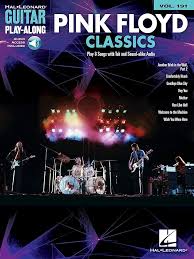
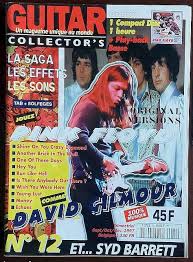
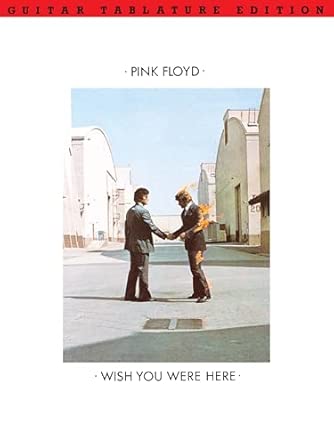
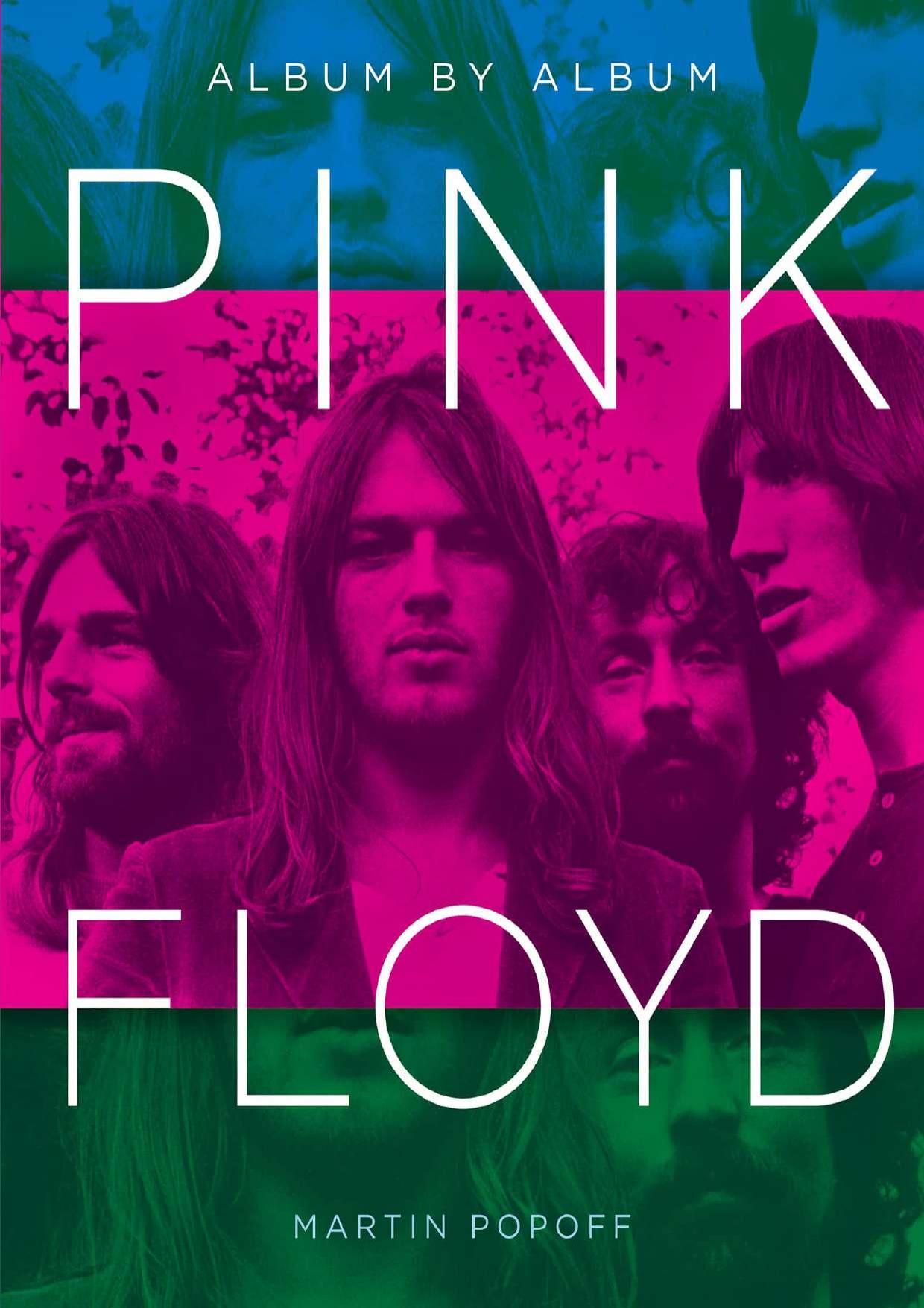
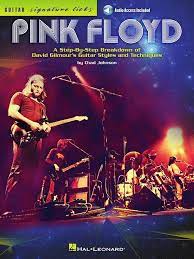
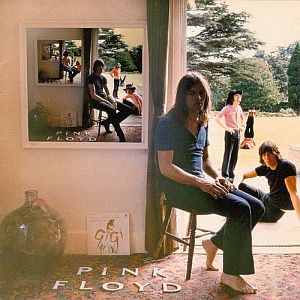
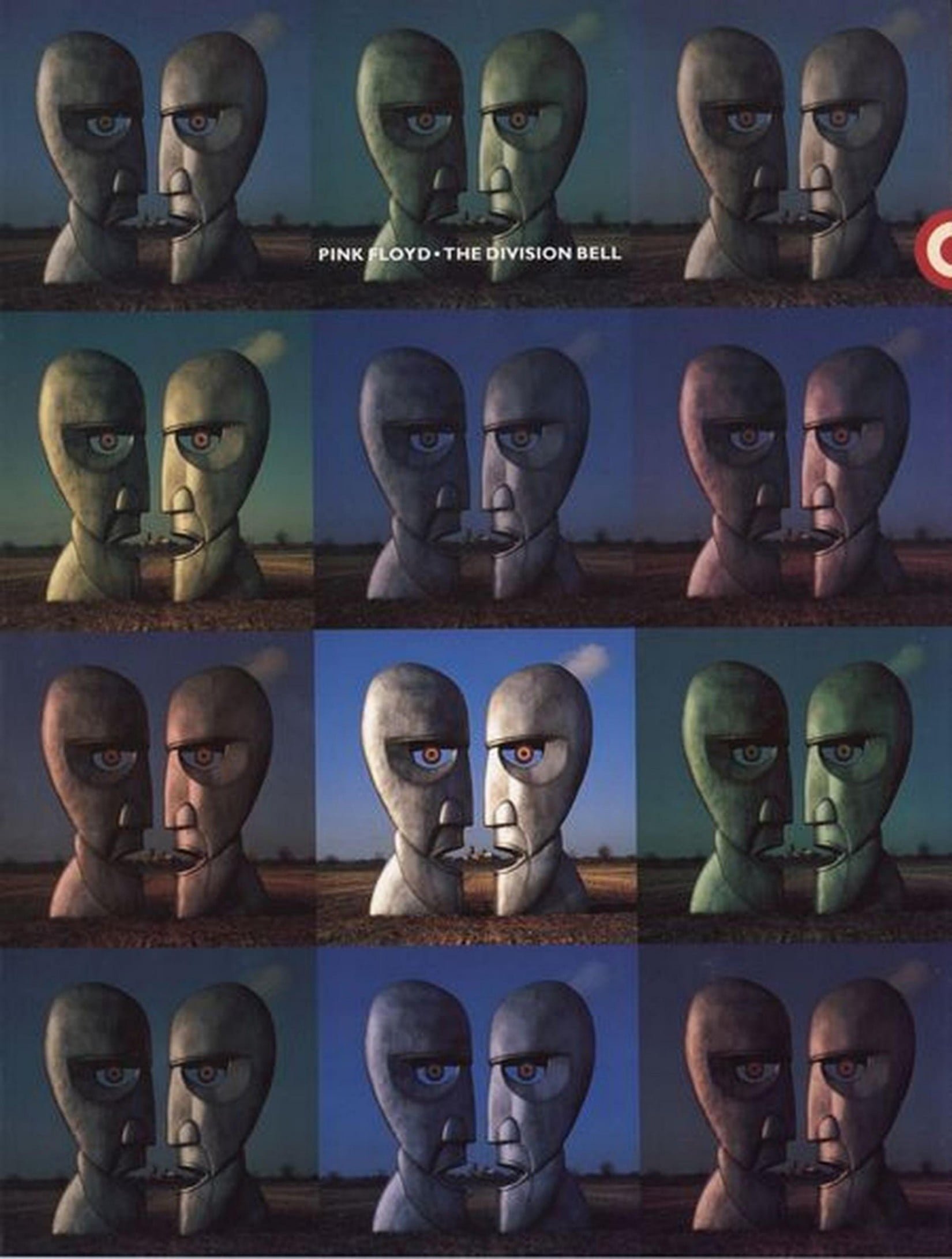

Search your favorite sheet music in the Sheet Music Library Catalog
Echoes Through Time: The Sonic Odyssey of Pink Floyd
Pink Floyd isn't just a band; it's an immersive sonic universe, a cultural touchstone, and a benchmark for artistic ambition in rock music. Emerging from the psychedelic crucible of mid-60s London, they evolved into progressive rock titans, masters of atmospheric soundscapes, lyrical depth, and monumental concept albums. Their journey is one of dazzling innovation, internal turbulence, and the creation of some of the most enduring and influential music of the 20th century.
I. Biography: From the Tea Rooms to the Dark Side
- The Psychedelic Genesis (1965-1968): Formed in London in 1965 by architecture students Roger Waters (bass, vocals), Nick Mason (drums), Richard Wright (keyboards, vocals), and the charismatic, enigmatic Syd Barrett (guitar, lead vocals). Initially named The Tea Set, then The Pink Floyd Sound (after bluesmen Pink Anderson and Floyd Council), they quickly became darlings of the underground UFO Club scene. Barrett was the undisputed leader and primary songwriter, penning whimsical, yet unsettling psychedelic pop gems like "Arnold Layne" and "See Emily Play," and the groundbreaking, kaleidoscopic debut album The Piper at the Gates of Dawn (1967). His guitar work was innovative and unpredictable, drenched in echo and distortion.
- The Barrett Eclipse and Transition (1968-1970): Barrett's mental health, exacerbated by LSD use, deteriorated rapidly. His behavior became increasingly erratic, making live performances impossible. Guitarist and vocalist David Gilmour was brought in early 1968 initially to cover for Barrett, but Barrett soon left permanently. This traumatic loss fundamentally shaped the band's future sound and thematic preoccupations (loss, madness, alienation). Waters gradually assumed the primary songwriting role alongside Gilmour and Wright. Albums like A Saucerful of Secrets (1968) and the film soundtrack More (1969) showcased a move towards extended, atmospheric instrumentals and experimentation. Ummagumma (1969) was a double album split between live recordings and experimental solo pieces by each member, highlighting their individual sonic explorations. Atom Heart Mother (1970) featured a side-long orchestral suite, pushing their ambition further.
- Consolidation and Mastery (1971-1975): This period saw Pink Floyd hit their creative and commercial stride. Meddle (1971) was a pivotal album, featuring the epic, side-long "Echoes," a masterpiece of dynamics, atmosphere, and musical cohesion that defined their mature sound. Obscured by Clouds (1972), another film soundtrack, was a more song-based precursor. Then came the era-defining "Big Four":
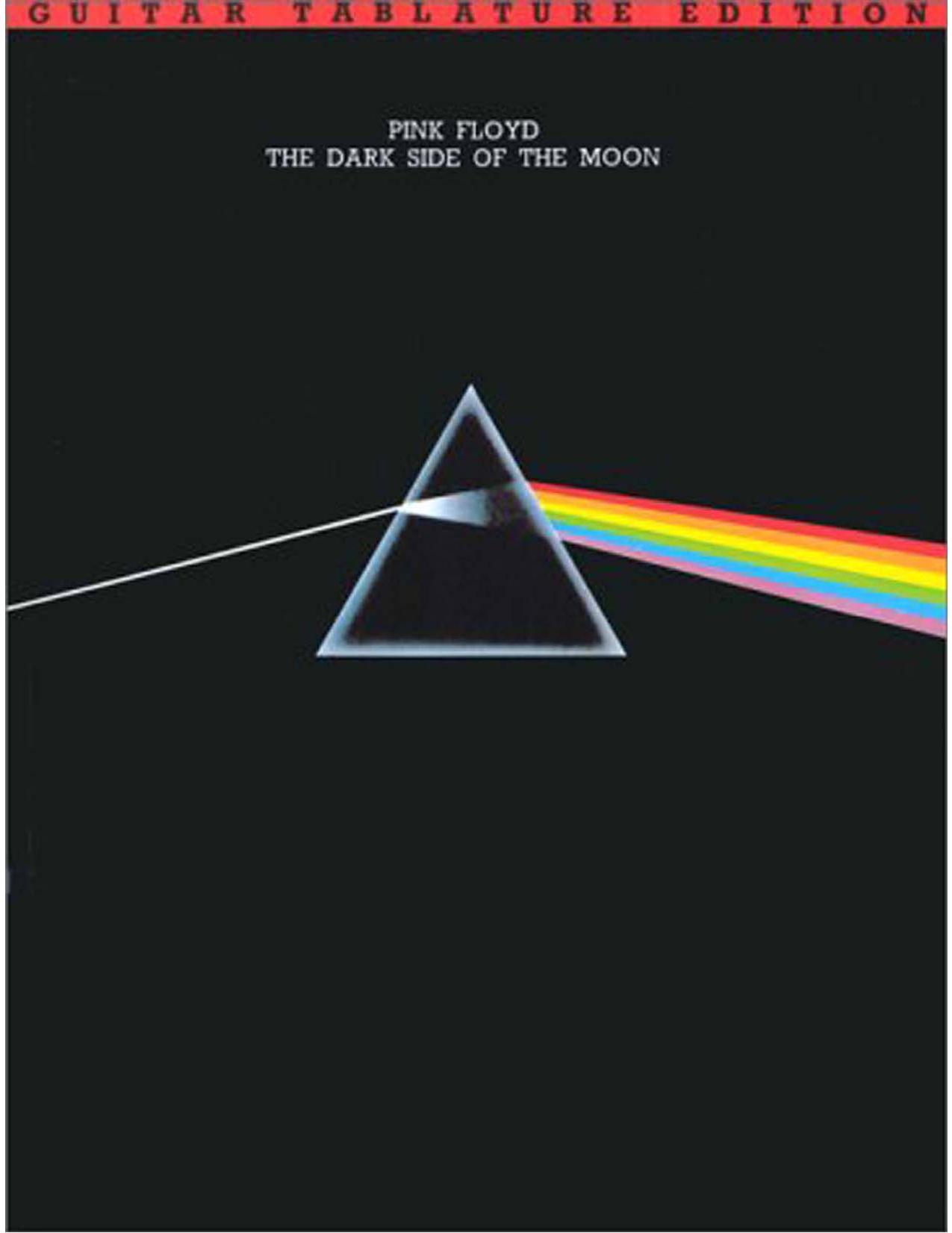
- The Dark Side of the Moon (1973): A flawless concept album exploring themes of time, money, madness, and death. Its seamless flow, innovative use of sound effects (clocks, cash registers, heartbeats), lush harmonies, saxophone (Dick Parry), and Clare Torry's wordless vocals on "The Great Gig in the Sky" created an unparalleled immersive experience. It became one of the best-selling albums of all time, spending over 970 weeks on the Billboard chart.
- Wish You Were Here (1975): A poignant tribute and critique centered on the absence of Syd Barrett ("Shine On You Crazy Diamond") and the alienation of the music industry ("Welcome to the Machine," "Have a Cigar"). Richly textured and emotionally resonant.
- Animals (1977): A biting socio-political allegory based on Orwell's Animal Farm, casting humans as Dogs, Pigs, and Sheep. Musically darker, heavier (especially Gilmour's guitar), and dominated by three extended tracks. Waters' lyrical and conceptual dominance became more pronounced.
- The Wall (1979): A sprawling rock opera exploring isolation, trauma, fascism, and self-destruction, heavily autobiographical for Waters. Featuring the anthemic "Another Brick in the Wall (Part 2)," the soaring "Comfortably Numb," and complex character development. Immensely successful but created in an atmosphere of intense internal conflict, leading to Wright's dismissal during recording (he returned as a salaried musician for the tour).
- The Waters Era and Fracture (1980-1985): The Wall tour was a massive, elaborate spectacle, but tensions boiled over. Waters increasingly saw himself as the band's sole visionary. The Final Cut (1983) was effectively a Waters solo album with contributions from Gilmour and Mason, a bleak, anti-war statement dominated by Waters' vocals and lyrics. Wright was absent. The band effectively fractured, with Waters declaring Pink Floyd defunct in 1985.
- The Gilmour-Led Renaissance (1987-1994): Gilmour and Mason, later rejoined by Wright, controversially continued as Pink Floyd, winning a legal battle with Waters over the name. A Momentary Lapse of Reason (1987) was a successful comeback, leaning more towards Gilmour's melodic, atmospheric style ("Learning to Fly," "On the Turning Away"). The Division Bell (1994) was a stronger, more cohesive effort exploring communication breakdown ("Keep Talking" featuring Stephen Hawking) and felt like a genuine band album ("High Hopes," "Marooned" - instrumental Grammy winner). Massive world tours followed both albums.
- Final Echoes and Legacy (1994-Present): The band entered a long hiatus after The Division Bell tour. One-off reunions occurred: the 2005 Live 8 performance (with Waters) was historic but didn't lead to a full reunion. Richard Wright died in 2008. The final Pink Floyd studio album, The Endless River (2014), was largely instrumental, built from The Division Bell sessions, serving as a tribute to Wright. Syd Barrett died in 2006, Roger Waters and David Gilmour continue successful solo careers, often marked by public disagreements. Pink Floyd's legacy as innovators and sonic architects remains untarnished.
II. Music Style: Painting with Sound
Pink Floyd's sound is instantly recognizable, characterized by:
- Atmosphere and Texture: A paramount concern. They created vast, immersive sonic landscapes using:
- Slow Tempos and Sustained Notes: Allowing sounds to breathe and resonate.
- Innovative Use of Effects: Heavy reliance on reverb, delay (echo), phasing, flanging, and tape manipulation (looping, reverse effects). Gilmour's guitar tone, often clean and sustained, defined by Echoplex and Big Muff Pi fuzz, is iconic.
- Synthesizers and Keyboards: Wright was a master of texture, using Hammond organ, Farfisa, Mellotron, and later, pioneering analog (VCS 3, EMS Synthi A) and digital synths (Yamaha CS-80, Kurzweil) to create washes of sound, haunting pads, and melodic leads.
- Sound Effects: Integrated seamlessly as musical elements – clocks, helicopters, wind, voices, footsteps, breaking glass.
- Extended Compositions: Moving beyond the verse-chorus structure towards long-form suites ("Echoes," "Shine On You Crazy Diamond," "Dogs," "Sheep") with multiple sections, instrumental passages, and thematic development.
- Progressive Rock Foundations: Embracing complexity while prioritizing mood and accessibility:
- Unconventional Song Structures: Avoiding predictable pop formats.
- Dynamic Range: Shifting dramatically from quiet, intimate passages to explosive, powerful crescendos.
- Instrumental Virtuosity: Focused on serving the song's atmosphere rather than technical showboating. Gilmour's emotive, lyrical solos are prime examples.
- Conceptual Ambition: Albums conceived as unified wholes, often with overarching narratives or themes.
- Lyrical Depth: Exploring existential themes: alienation, madness, time, death, greed, war, the pressures of society, and the human condition. Often bleak, but also introspective and philosophical. Waters' lyrics became increasingly direct and political post-Dark Side.
- Harmonic Sophistication: Utilizing extended chords (7ths, 9ths, 11ths, suspensions), modal interchange, and chromaticism within often deceptively simple frameworks.
III. Prog Rock Licks & Guitar Style (Gilmour Focus)
David Gilmour's guitar work is the emotional core of much of Pink Floyd's music. While not a shredder, his phrasing, tone, and melodic sense are unparalleled:
- Bending and Vibrato: Gilmour's slow, wide, deeply expressive string bends and controlled vibrato are his signature ("Comfortably Numb" solos, "Time" solo). He bends into notes with immense feeling.
- Economy and Space: Master of saying more with less. His solos are often constructed from relatively few notes, placed perfectly within the space ("Breathe" solo, "Shine On You Crazy Diamond" themes).
- Pentatonic with Flavor: Primarily using minor and major pentatonic scales, but adding "blue" notes (flattened 5ths), major 3rds over minor chords, and chromatic passing tones for sophistication and tension/release ("Money" solo).
- Modal Playing: Utilizing Dorian mode prominently (e.g., "Dogs" main riff - E Dorian: E-F#-G-A-B-C#-D), creating a distinct, slightly exotic flavor.
- Slide Guitar: Used sparingly but effectively for ethereal or bluesy textures ("One of These Days," parts of "Dogs," "The Great Gig in the Sky" intro).
- Rhythmic Feel: His rhythm playing is often understated but incredibly precise and groove-oriented, using triads, arpeggios, and chord fragments ("Breathe," "Wish You Were Here" acoustic).
- Tone: The foundation: often a Fender Stratocaster (Black or Red) into Hiwatt amps with WEM cabinets. Key effects: Big Muff Pi (sustain, singing lead tone), Electro-Harmonix Electric Mistress (flanger/chorus - "Animals" era), MXR Phase 90 (phaser - "Have a Cigar"), BOSS CE-2 Chorus (later era), and Binson Echorec or Roland Space Echo (delay/echo - essential for the signature spaciousness). Clean tones often featured compression and subtle modulation.
IV. Chord Progressions and Music Harmony: Beyond the Blues
While rooted in blues-rock early on, Pink Floyd's harmony evolved into something rich, atmospheric, and often deceptively complex:
- Modal Progressions: Moving away from strict functional harmony (I-IV-V). Progressions often center around a tonal center without strong dominant resolution. Echoes (C# minor/Aeolian feel), Dogs (E Dorian), Breathe (F Lydian - F-G-Am).
- Extended Chords & Sus Chords: Creating lush, ambiguous textures:
- "Breathe" (Verse): Fmaj7 - Cmaj7 - Dsus2 - Dmin7 - Gm7 - C7sus4 - Fmaj7. The sus chords (Dsus2, C7sus4) create suspension and openness. The lack of a strong V-I cadence contributes to the floating feel.
- "Shine On You Crazy Diamond (Part I)" Intro: Em - G - A - C - D - Em. Simple triads, but the progression (i-III-IV-VI-VII-i) avoids traditional resolution, feeling cyclical and yearning. Heavy use of delay/reverb makes it vast.
- "Great Gig in the Sky": Built largely around a repeating pattern of Cm - Ab - Eb - Bb (i-VI-III-VII in C minor), creating a soulful, gospel-tinged foundation for the vocal improvisation.
- Chromatic Movement: Using chords connected by half-steps for tension and unease:
- "Us and Them" Verse: Dm - Dm(maj7) - Dm7 - Dm6 - G7 - Gmaj7 - Cmaj9 - F#m7b5 - B7 - Em7 - A7. The descent from Dm through its variations and the chromatic shift to F#m7b5 is sophisticated and evocative.
- "Another Brick in the Wall (Part 1)": D minor drone with chromatic bass movement (D-C#-C-B) creating unsettling dissonance.
- Bass Pedals: Waters frequently used drones or pedal points in the bass (a sustained note over changing chords) to create harmonic tension and grounding, especially in atmospheric sections ("One of These Days" - D pedal, "Echoes" intro - Bb pedal).
- Planing: Moving chord shapes in parallel (often diminished or augmented) for a dreamlike or unsettling effect (used in psychedelic era, and atmospheric sections later).
V. Influences: Roots and Branches
- Early Influences: American Blues (Robert Johnson, Howlin' Wolf), R&B, Rock 'n' Roll (Elvis, Chuck Berry), British Skiffle. Syd Barrett was heavily influenced by English whimsy (Edward Lear, Lewis Carroll) and avant-garde.
- Psychedelic Era: The Beatles (Revolver, Sgt. Pepper), The Beach Boys (Pet Sounds), The Byrds, free jazz, electronic musique concrète pioneers (Stockhausen, Pierre Henry).
- Progressive Development: Classical music (minimalism, orchestration), Jazz (improvisational freedom, Miles Davis' modal work), Avant-garde electronic music. Bands like Soft Machine and The Nice were contemporaries pushing similar boundaries.
VI. Legacy: Architects of Modern Sound
Pink Floyd's impact is immeasurable:
- Album as Art: They perfected the concept album, elevating the LP format to a cohesive artistic statement, influencing countless artists across genres.
- Sound Design & Production: Pioneers of studio-as-instrument. Their innovative use of effects, tape manipulation, and spatial audio (quadraphonic, later surround sound) set new standards for recording and production. Engineers like Alan Parsons were crucial.
- Live Spectacle: Revolutionized rock concerts with elaborate light shows (early liquid light projections), groundbreaking stage design (The Wall), inflatables (the pig), quadraphonic sound, and later, lasers. Set the template for modern arena/stadium production.
- Progressive & Art Rock: Cornerstone of the progressive rock movement. Directly influenced bands like Radiohead, Tool, Porcupine Tree, Dream Theater, Muse, Sigur Rós, and countless ambient/electronic artists.
- Ambient & Electronic Music: Their atmospheric textures and extended instrumental passages were foundational for ambient music (Brian Eno cited them) and electronic soundscaping.
- Cultural Pervasiveness: Their music permeates film, TV, and popular consciousness. The Dark Side of the Moon remains a cultural phenomenon. Themes of alienation and societal critique remain powerfully relevant.
VII. Major Works (Albums - Studio & Key Live)
- The Piper at the Gates of Dawn (1967)
- A Saucerful of Secrets (1968)
- Soundtrack from the Film More (1969)
- Ummagumma (1969) [Live & Studio]
- Atom Heart Mother (1970)
- Meddle (1971)
- Obscured by Clouds (1972)
- The Dark Side of the Moon (1973)
- Wish You Were Here (1975)
- Animals (1977)
- The Wall (1979)
- The Final Cut (1983)
- A Momentary Lapse of Reason (1987)
- The Division Bell (1994)
- The Endless River (2014)
- Pulse (1995) [Live - Captures Division Bell tour]
- Is There Anybody Out There? The Wall Live 1980–81 (2000) [Live]
VIII. Filmography: Visualizing the Sound
- Soundtrack Albums: More (1969), Obscured by Clouds (1972), Zabriskie Point (1970 - some tracks used).
- Feature Films:
- Pink Floyd: Live at Pompeii (1972) - Director's Cut (1974): A seminal concert film shot in the ancient Roman amphitheater, featuring Meddle and Dark Side material. Essential viewing.
- Pink Floyd The Wall (1982): Directed by Alan Parker, based on the album. A harrowing, visually stunning animated/live-action film starring Bob Geldof.
- Documentaries & Concert Films:
- The Story of Wish You Were Here (2012): Excellent documentary on the album's creation.
- The Pink Floyd and Syd Barrett Story (2003): Covers the early years and Barrett's legacy.
- Pink Floyd: The Dark Side of the Moon (Classic Albums Series) (2003): In-depth look at the making of the album.
- Pink Floyd: Pulse (1995): Immense concert film of the Division Bell tour.
- David Gilmour: Live at Pompeii (2017): Gilmour's solo return to Pompeii.
- Roger Waters: The Wall (2014): Film of Waters' massive solo tour of the album.
- Pink Floyd: Their Mortal Remains (2017): Companion film to the V&A exhibition.
IX. Discography (Core Studio Albums)
- The Piper at the Gates of Dawn (1967)
- A Saucerful of Secrets (1968)
- Soundtrack from the Film More (1969)
- Ummagumma (1969)
- Atom Heart Mother (1970)
- Meddle (1971)
- Obscured by Clouds (1972)
- The Dark Side of the Moon (1973)
- Wish You Were Here (1975)
- Animals (1977)
- The Wall (1979)
- The Final Cut (1983)
- A Momentary Lapse of Reason (1987)
- The Division Bell (1994)
- The Endless River (2014)
X. Essential Links: Seeing and Hearing the Legacy
- Documentaries:
- The Story of Wish You Were Here: https://www.youtube.com/watch?v=0MdsF_6ojd0 (Often available in parts)
- Pink Floyd and Syd Barrett Story: https://www.youtube.com/watch?v=z1O9P5ZMpQE (Often available in parts)
- Classic Albums: The Dark Side of the Moon: (Available on various streaming platforms/DVD)
- Iconic Performances:
- "Comfortably Numb" (Pulse - 1994): The definitive live version: https://www.youtube.com/watch?v=7jMlFXouPk8
- "Echoes" (Live at Pompeii - 1972): Raw and powerful: [https://www.youtube.com/watch?v=G3g8g
Browse in the Sheet Music Library:
Or browse in the categories menus & download the Library Catalog PDF: