
Scores for all instruments: 16,000+ (active and growing), over 236,000 pages.
All genres and levels: Jazz & Blues, Rock & Pop, Classical & Contemporary, Film & Musicals;
books & biographies; methods, études, play-along tracks (MP3) for Jazz & Rock.
Access & benefits: US$15.99 one-time payment, valid for lifetime, full Library access.
Table of Contents
Who is Pink Floyd (f. 1965)?
Pink Floyd: Architects of Sonic Architecture and the Human Condition
Pink Floyd stands as one of the most monumental and influential forces in the history of popular music. Their name conjures images of prismatic light, a floating pig, a wall of cardboard boxes, and the haunting visage of a man screaming behind a black triangle. Yet beyond these iconic images lies a body of work that has redefined the boundaries of rock music. From their humble beginnings as London's premier psychedelic house band to their status as stadium-filling prophets of alienation and existential dread, Pink Floyd's journey is a story of artistic evolution, personal tragedy, and relentless sonic experimentation.
Please, subscribe to our Sheet Music Library. Sheet music should be accessible and affordable for all musicians, from professionals to absolute beginners.
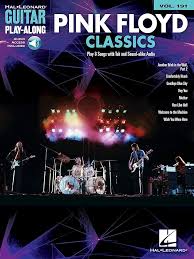
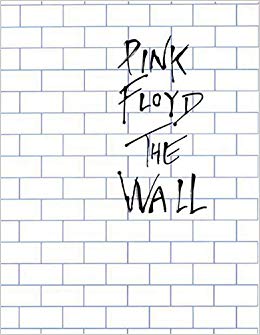

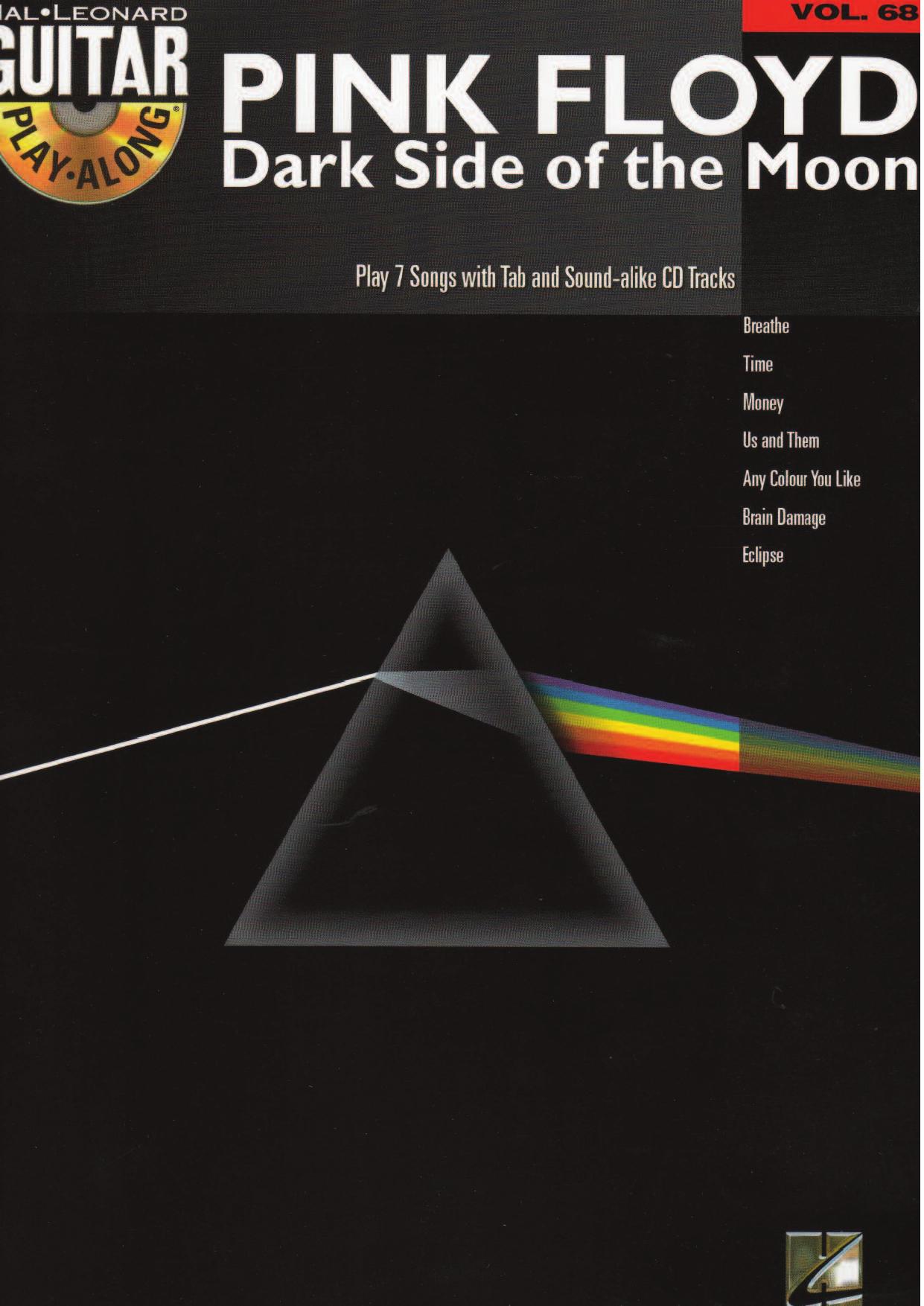
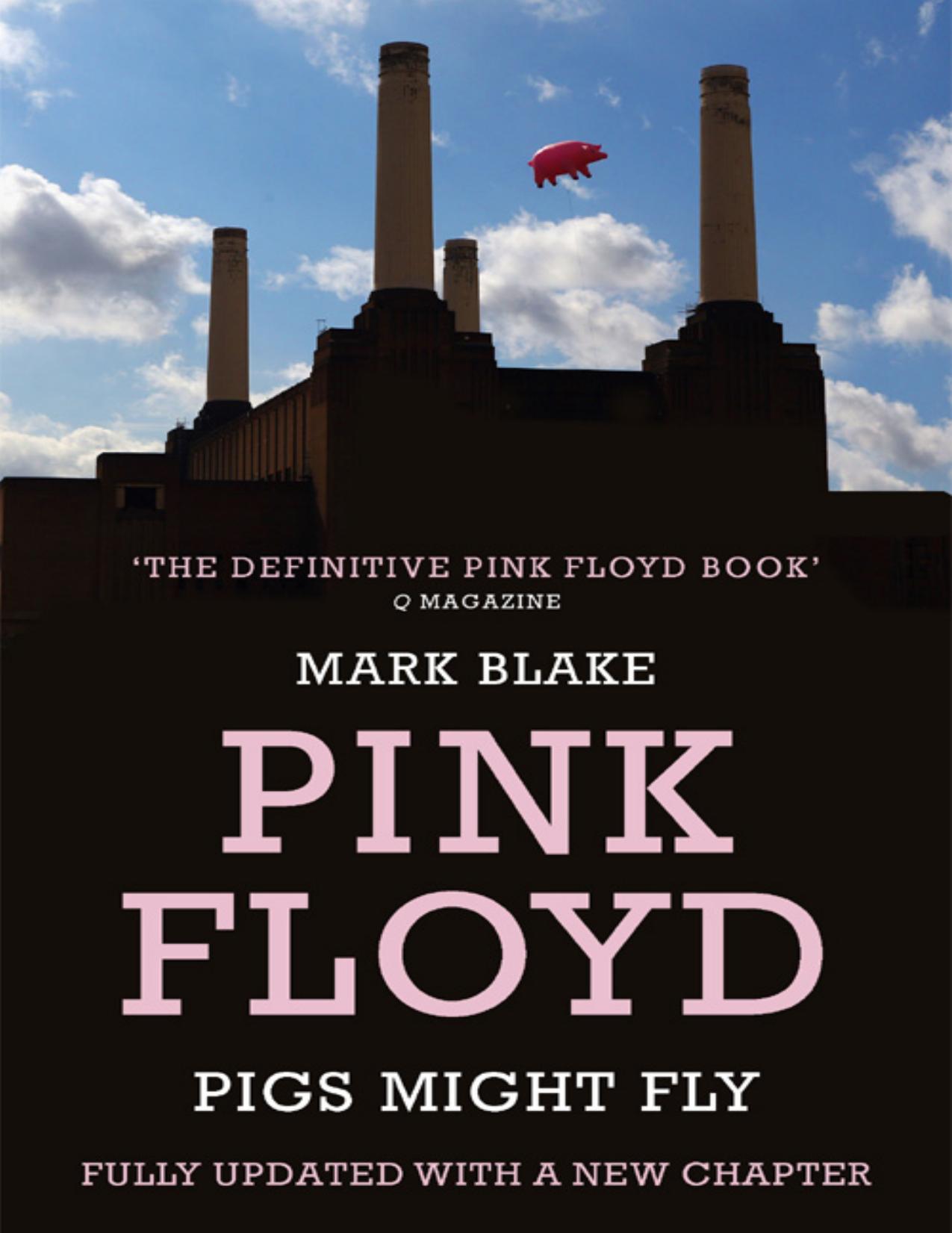
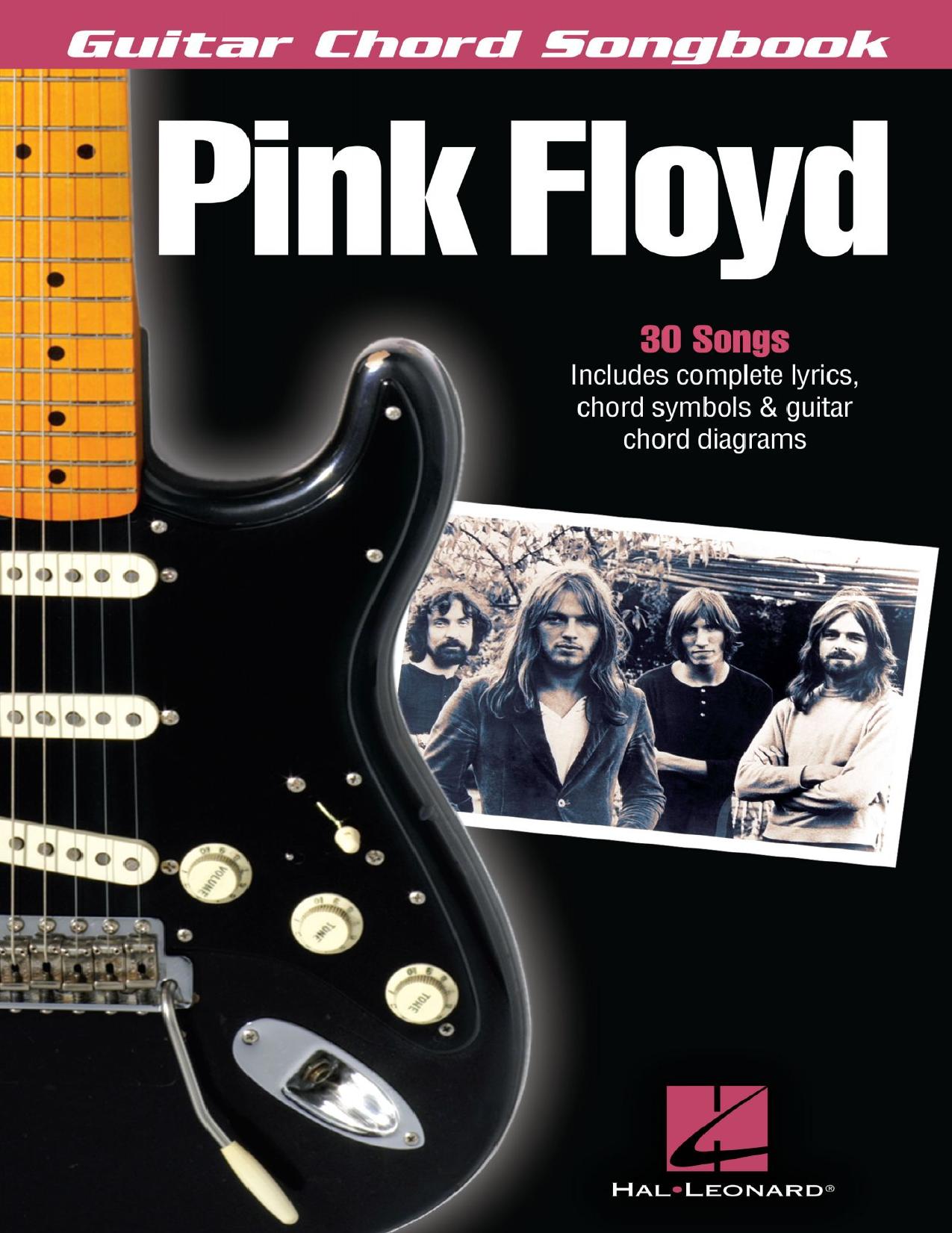
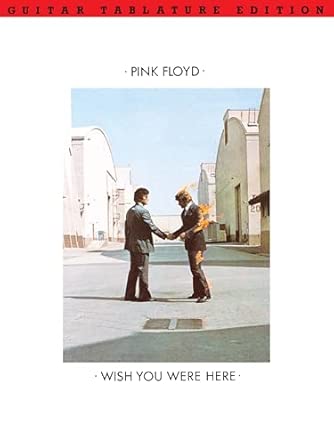

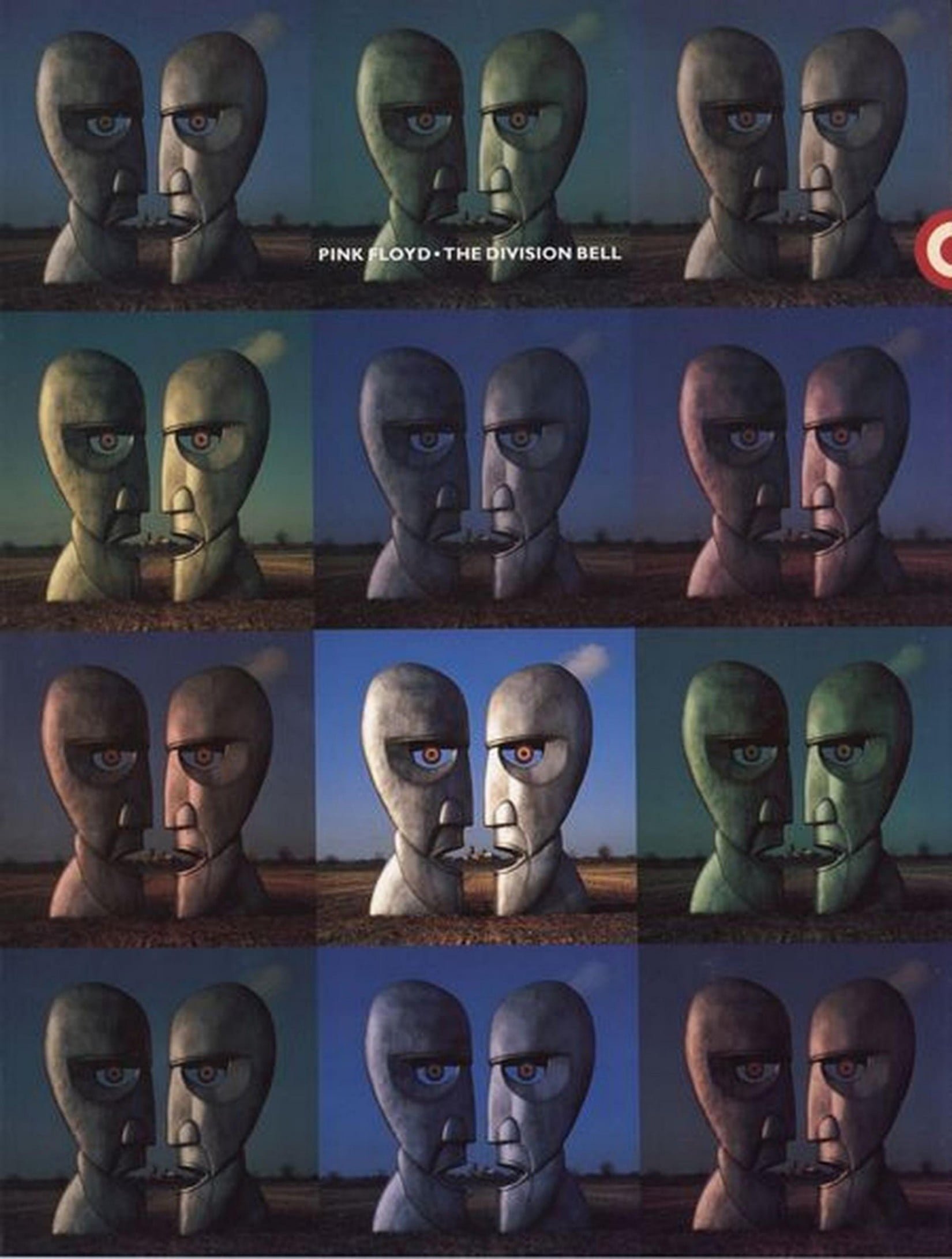
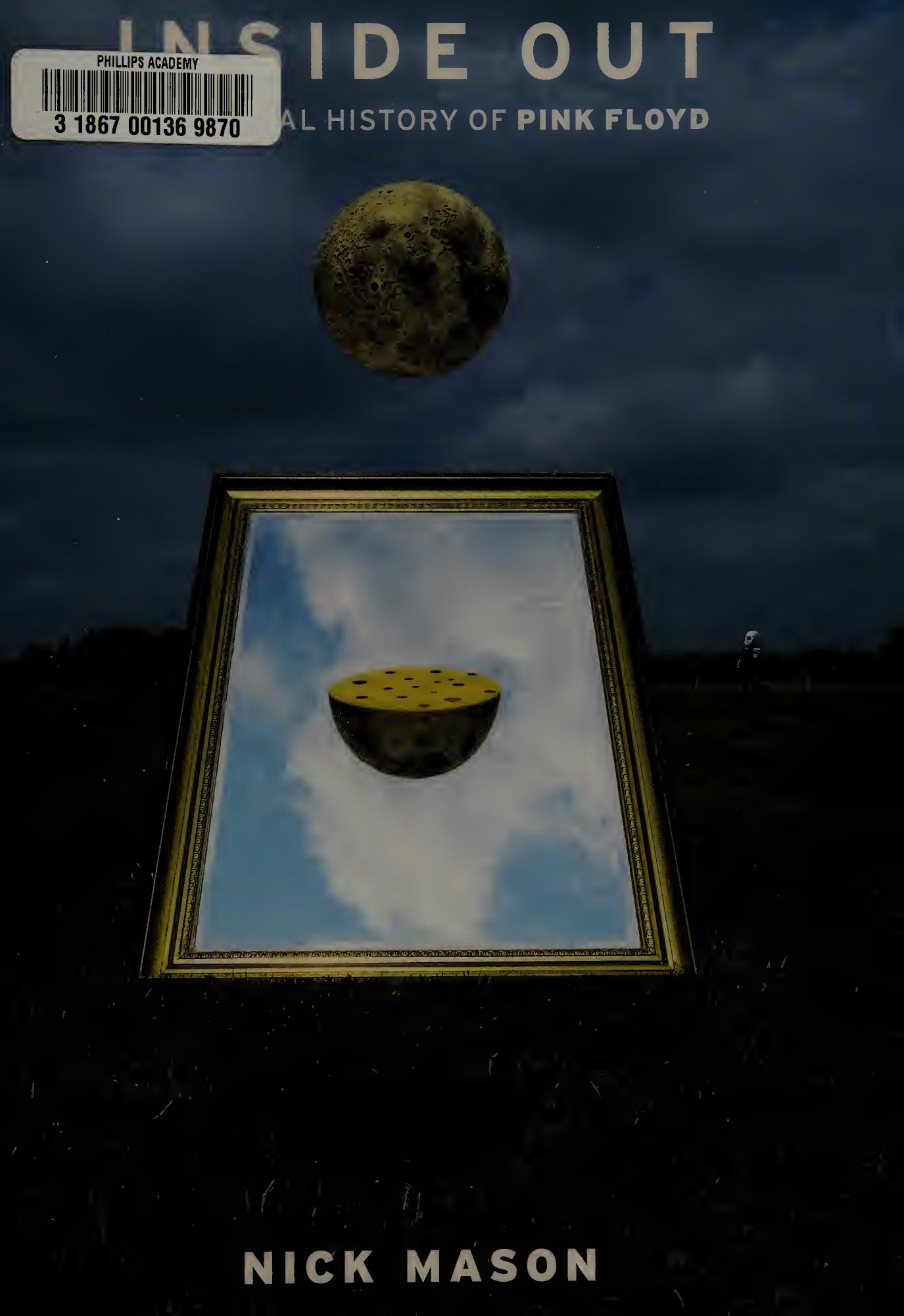

The best sheet music download from our Library.
The Genesis: From Sigma 6 to the Pink Floyd Sound
The story of Pink Floyd begins not in a flash of psychedelic light, but in the architectural classrooms of London in the early 1960s. The band’s core members—Roger Waters (bass, vocals), Nick Mason (drums), and Richard Wright (keyboards)—met while studying architecture at the Regent Street Polytechnic. Their initial forays into music were under various guises and names, reflecting the transitional nature of the British R&B scene at the time. They played together in a band called Sigma 6, alongside other musicians, before eventually settling on a new direction.
The crucial addition was Syd Barrett, a childhood friend of Waters from Cambridge. A charismatic and wildly creative guitarist and vocalist, Barrett joined the group and became its de facto leader and primary songwriter. It was Barrett who provided the band with its name, a tribute to two obscure American blues musicians, Pink Anderson and Floyd Council. The band cycled through a few names like The Tea Set before settling on The Pink Floyd Sound, eventually shortened to Pink Floyd.
By 1965, the lineup of Barrett, Waters, Mason, and Wright was solidified. They quickly became the standard-bearers of the burgeoning London psychedelic scene, a movement centered around venues like the UFO club. The band’s early sound was a kaleidoscopic explosion of free-form improvisation, cacophonous noise, and electronic experimentation, perfectly matching the counterculture's fascination with expanded consciousness. Barrett's songs were whimsical, surreal, and distinctly British, drawing on children's literature, a love of surf music, and a deep desire to push musical boundaries.
Search your favorite sheet music in the Sheet Music Library Catalog

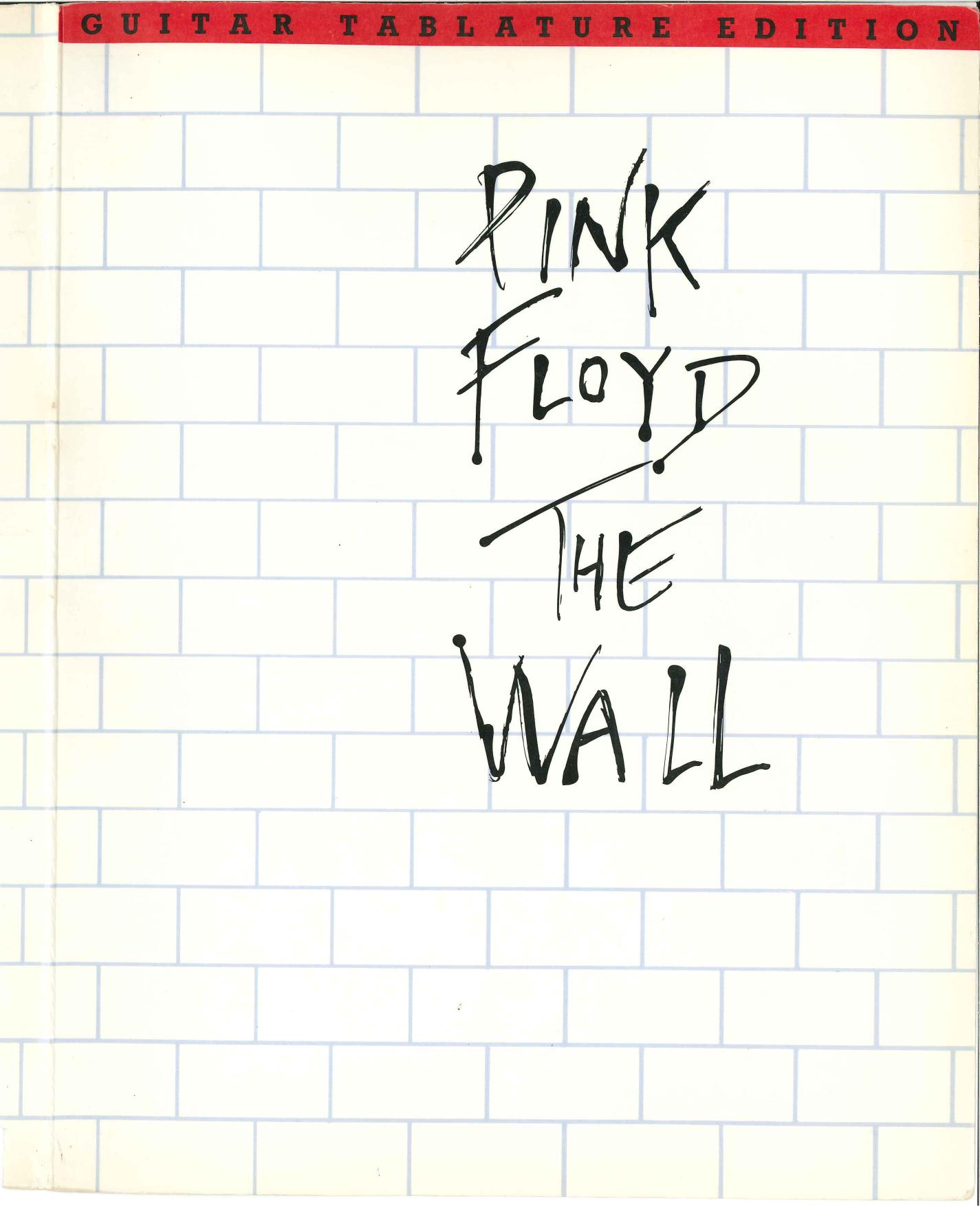


The Barrett Era: A Flash of Genius (1967-1968)
Their debut album, The Piper at the Gates of Dawn (1967), remains a cornerstone of psychedelic rock. Recorded at the legendary Abbey Road Studios simultaneously with the Beatles' Sgt. Pepper's Lonely Hearts Club Band, the album was a lush, hypnotic, and groundbreaking classic. Songs like Astronomy Domine and Interstellar Overdrive showcased the band's ability to fuse spacey, cosmic lyrics with jarring instrumental freak-outs and unusual electronic timbres. On tracks like Matilda Mother, Wright's distinctive keyboard work began to emerge, while Barrett's whimsical genius was on full display in songs like The Gnome and Bike.
However, Barrett's rapid and tragic decline due to heavy LSD use and emerging mental health issues began to take its toll. His behavior became increasingly erratic and unpredictable, making live performances and the recording of their second album a fraught experience. The band was forced to take action. In early 1968, they brought in another Cambridge friend and guitarist, David Gilmour, with the initial plan of having him serve as a backup to the increasingly unreliable Barrett.
The situation proved untenable, and Barrett was officially asked to leave the band. His final contribution was the hauntingly beautiful and deeply unsettling Jugband Blues, a track that laid bare his deteriorating mental state and stands as a chilling coda to the Summer of Love. He recorded just one more album with the band, A Saucerful of Secrets (1968), before his departure. Barrett’s legacy would cast a long shadow over Pink Floyd, inspiring some of their greatest and most emotionally resonant work in the years to come.
The Post-Barrett Transition: Finding a New Voice (1968-1972)
With Gilmour taking over lead guitar and vocal duties, Pink Floyd found themselves at a crossroads. For a few years, the band operated as a more democratic unit, with all four members contributing compositions. The music became more experimental and cinematic, characterized by long, languid instrumental passages and a growing reliance on sophisticated studio production and sound effects. This period was one of intense exploration and searching.
Soundtracks became a significant outlet. They scored the film More (1969) and contributed to Michelangelo Antonioni's controversial film Zabriskie Point (1970). The sessions for Zabriskie Point were famously fraught, with the director rejecting many of the band's contributions. However, the experience was creatively rich; some of the rejected material was later reworked into future classics. Most notably, a piece of music titled "The Violent Sequence" was recorded for the film and eventually became the foundation for Us and Them, a centerpiece of The Dark Side of the Moon.
The studio album Ummagumma (1969), a double album with one live disc and one studio disc, epitomized their experimental phase. The studio half was a disjointed but fascinating collection of solo pieces from each member, showcasing their individual interests. The live disc captured the power of their extended improvisations, including a definitive version of Careful With That Axe, Eugene.
Atom Heart Mother (1970) saw them attempting a grand, symphonic suite, a 23-minute title track co-composed with Ron Geesin that featured a full choir and brass section. While ambitious, the band was never entirely satisfied with it. It also contained the lovely pastoral ballad Fat Old Sun, a hint of the more melodic and melancholic sound that was to come. The soundtrack Obscured by Clouds (1972), for the film La Vallée, was a transitional work that featured more concise song structures and clear musical signposts pointing toward their next, colossal achievement.
Pink Floyd at Pompeii – MCMLXXII - Echoes - Part 1
The Golden Era: A Run of Masterpieces (1973-1979)
With The Dark Side of the Moon (1973), Pink Floyd achieved not only critical and commercial immortality but also refined their sound into a perfectly balanced synthesis of their earlier experimentation and more accessible songwriting. It was a watershed moment in music history.
Musically, the band had created a "quasi-instrumental fantasy" where traditional song forms were woven into a seamless, thematic whole. The album was an exploration of the pressures of modern life, including money, time, death, and mental illness, with Waters' increasingly pessimistic and existential lyrics taking center stage. The unexpected combination of sounds—from spoken word snippets to the iconic cash register loop of Money—was less abrasive than their earlier work but still profoundly innovative. The album's sonic architecture was built on Gilmour's soulful guitar work, Wright's atmospheric keyboards (often played through a Leslie speaker for a swirling effect), Mason's metronomic drumming, and Waters' conceptual vision.
Following the massive success of Dark Side, the band’s next album, Wish You Were Here (1975), saw them grappling with its aftermath and the feelings of alienation it brought. The title track and the epic two-part suite Shine On You Crazy Diamond serve as a poignant, heartfelt tribute to their fallen founder, Syd Barrett. Written by Gilmour, Waters, and Wright, the song is considered by many, including Gilmour himself, to be "the purest Floyd song" and a masterpiece of the progressive rock genre. It is a 26-minute journey of hypnotic and dreamlike rock that drifts, builds, and explodes, with lyrics that serve as a haunting elegy for Barrett's "crazy diamond" spirit.
Animals (1977), a concept album based on George Orwell's Animal Farm, saw the band adopting a tougher, more aggressive musical stance. The album was a tirade of misanthropy and contempt towards the social and political classes of 1970s Britain. Tracks like Dogs are exercises in bleak power, featuring Gilmour's blistering guitar solos and Waters' bitter lyrics, cementing a growing tension within the band.
The Wall (1979) was the apex of the Waters era. A rock opera that became one of the best-selling albums of all time, it told the story of a rock star, Pink, whose life is a spiral of isolation and emotional detachment, building a metaphorical wall to protect himself from the world. The album was a tour de force of production and dark thematic ambition, featuring anthems like Another Brick in the Wall (Part 2) and the paranoid, claustrophobic Run Like Hell. The subsequent tour was legendary for its spectacle, including the construction of a massive physical wall between the band and the audience. The film version, starring Bob Geldof, further cemented the album's place in pop culture. However, the project also marked the breaking point for the band, with Waters effectively dismissing Wright during the recording sessions.
The Break-up and Aftermath (1980-1994)
The band's last album with Waters, The Final Cut (1983), was essentially a Roger Waters solo project. It was a bleak, deeply personal, and often impenetrable album focused on the Falklands War and the loss of Waters' father in WWII. Its lack of memorable tunes and overwhelming pessimism made it a "slog," though it did contain a few gems like The Gunner's Dream.
The band effectively dissolved, and legal battles over the ownership of the Pink Floyd name ensued. Waters departed, and in 1987, Gilmour and Mason announced they would continue as Pink Floyd, a move Waters vehemently opposed. They were later joined by Wright, who had been fired by Waters and was initially rehired as a session musician before becoming a full member again.
Gilmour-led Pink Floyd released A Momentary Lapse of Reason (1987) and The Division Bell (1994). Both albums were commercial successes and helped re-establish the band as a major live act. While they featured Gilmour's signature guitar playing and impressive production, many critics felt they were ponderous and lacked the cohesive conceptual edge of the Waters years. Louder Than Words, the final track on their last album, The Endless River (2014), was an elegiac and gorgeous piece that suggested the band's music would ultimately drown out their personal rifts.
Pink Floyd - Us And Them
Musical Style and Harmony
Pink Floyd’s musical style is remarkably distinct, often imitated but never truly duplicated. Their sound is built on a foundation of a few key elements. The band's defining feature is the interplay between David Gilmour's expressive, melodic guitar lines and Richard Wright's atmospheric keyboard textures, often played through a Leslie speaker for a swirling, ethereal effect. This created a vast, spacious soundscape where every note and effect had room to breathe.
Harmonically, the band favored modal approaches and lush, jazz-influenced chords, creating a melancholic and introspective mood. While they were a progressive rock band, they generally avoided the metric complexity and virtuosic displays of peers like Yes or Emerson, Lake & Palmer, with the notable exception of Money's 7/4 time signature. Instead, their complexity lay in their sonic experimentation, production techniques, and the long, evolving structures of their compositions. They were masters of the "quasi-instrumental fantasy," creating songs with unusually long instrumental introductions, extended climactic passages, and thematic reprises that made the album a unified experience.
The Best Songs and Compositions
A list of Pink Floyd’s finest songs is a subject of intense debate, but certain compositions are universally recognized as pinnacles of their art. Many fans and critics, including Gilmour himself, consider Shine On You Crazy Diamond to be their ultimate achievement, a 13-to-26-minute epic that is the "purest Floyd song". Its structure of hypnotic, slow-build instrumental sections leading to Gilmour's powerful guitar solo and Waters' poignant lyrics is the band at their absolute peak.
Other essential masterpieces include:
- Time: From Dark Side of the Moon, a track that masterfully deals with mortality, featuring Gilmour's searing solo and Wright's synthesized keyboard runs.
- Comfortably Numb: From The Wall, one of their most famous songs, known for its haunting verses and two legendary guitar solos from Gilmour, often considered among the greatest in rock history.
- Us and Them: From Dark Side of the Moon, a beautifully melancholic piece that began its life as an outtake from the Zabriskie Point sessions.
- Dogs: From Animals, a 17-minute epic that showcases the band's ferocious side and Gilmour's most aggressive playing.
- Echoes: The 23-minute centerpiece of Meddle, an epic that bridges their experimental past with their more structured future.
Pink Floyd in Film
Pink Floyd's relationship with cinema was extensive. Beyond their early soundtracks (More, Zabriskie Point), the band's music became inseparable from the visual medium. Their live shows were theatrical spectacles, and their albums themselves were often conceived in cinematic terms. The film version of The Wall (1982), directed by Alan Parker and featuring Bob Geldof, is a landmark in music cinema, bringing the album's dark narrative to life.
Pink Floyd’s music has also been used extensively in other films, with directors and audiences often drawing on its atmospheric power. A notable example is the use of Come in Number 51, Your Time Is Up (a re-recording of Careful with that Axe, Eugene) in the climax of Zabriskie Point, a moment described by critics as unforgettable.
Collaborations, Influences, and Legacy
While Pink Floyd were not a band that frequently collaborated with other artists, a few key partnerships stand out. Their most significant collaboration was with producer/arranger Ron Geesin on the title suite of Atom Heart Mother. Bob Ezrin, brought in to help guide The Wall to completion, was instrumental in shaping the album's sound, though his presence also marked a trend toward making the music more commercially palatable. The band also collaborated with various orchestral and choral ensembles on their earlier works. In the 1990s, Gilmour collaborated with his then-wife, Polly Samson, who wrote lyrics for The Division Bell and The Endless River.
Their influence is immeasurable. Pink Floyd were the leading stars of the British psychedelic scene and a cornerstone of what is now termed proto-prog. They were pioneers of "using the studio as an instrument," transforming the recording studio into a canvas for sonic creation rather than a mere documenter of live performance. Their elaborate stage shows, complete with circular projection screens and inflatable props, set the standard for arena rock spectacle.
Their legacy is one of ambitious, uncompromising art that achieved massive mainstream success. They remain one of the most commercially successful and influential groups in the history of popular music, inducted into the Rock and Roll Hall of Fame in 1996. Critics and musicologists have recognized the importance of their music, particularly their masterpieces Dark Side of the Moon and Wish You Were Here, as works that have transcended time and genre.
Pink Floyd's story is a testament to the power of artistic vision and the resilience of creative collaboration. From the whimsical madness of Syd Barrett to the existential despair of Roger Waters and the melodic precision of David Gilmour, the band underwent a series of transformations that continually redefined what rock music could be. They faced personal tragedy, internal conflict, and the immense pressure of their own success, yet they still managed to create a catalog of work that is both profoundly personal and universally resonant.
Their music, characterized by philosophical lyrics, innovative soundscapes, and epic compositions, has become the soundtrack to introspection for generations of listeners. They explored the dark sides of the human condition—alienation, madness, greed, and death—and in doing so, created art that is both challenging and comforting. Pink Floyd was not just a progressive rock band; they were architects of sonic environments that invited listeners to look inward and question the world around them. Their final album, The Endless River, was a poignant finale, a final sonic journey that proved their music truly would echo into eternity.
Browse in the Sheet Music Library:
Or browse in the categories menus & download the Library Catalog PDF:
Discography
Main articles on Wikipedia: Pink Floyd discography and List of songs recorded by Pink Floyd
Studio albums
- The Piper at the Gates of Dawn (1967)
- A Saucerful of Secrets (1968)
- More (1969)
- Ummagumma (1969)
- Atom Heart Mother (1970)
- Meddle (1971)
- Obscured by Clouds (1972)
- The Dark Side of the Moon (1973)
- Wish You Were Here (1975)
- Animals (1977)
- The Wall (1979)
- The Final Cut (1983)
- A Momentary Lapse of Reason (1987)
- The Division Bell (1994)
- The Endless River (2014)