Scores for all instruments: 16,000+ (active and growing), over 236,000 pages.
All genres and levels: Jazz & Blues, Rock & Pop, Classical & Contemporary, Film & Musicals;
books & biographies; methods, études, play-along tracks (MP3) for Jazz & Rock.
Access & benefits: US$15.99 one-time payment, valid for lifetime, full Library access.
Table of Contents
Who is Queen (f. 1970)?
Queen: The Unrivalled Architects of Rock Majesty
Emerging from the vibrant London scene of the early 1970s, Queen transcended the conventional boundaries of rock, crafting a sound that was simultaneously grandiose, intimate, playful, and profound. With a catalog that spans anthemic stadium rockers, delicate ballads, and the genre-defying opus that is "Bohemian Rhapsody," the band has cemented its place not just in music history, but in the very fabric of global popular culture.
Search your favorite sheet music in the Sheet Music Library Catalog


Please, subscribe to our Sheet Music Library. Sheet music should be accessible and affordable for all musicians, from professionals to absolute beginners.
Formation and Early Years: The Genesis of a Legend
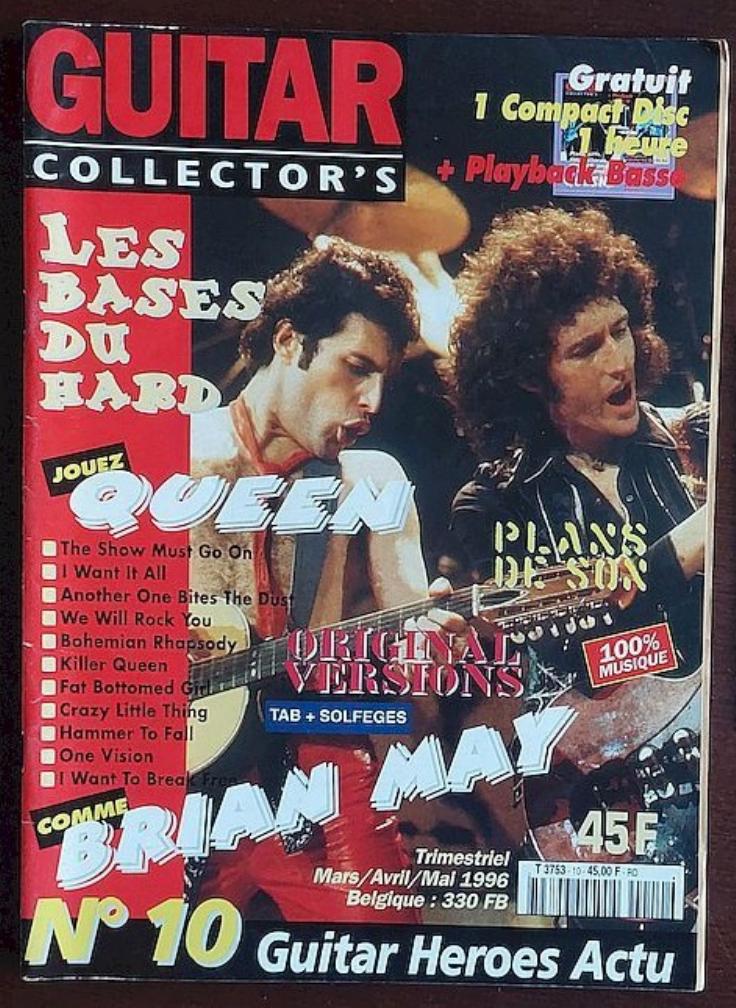
The story of Queen begins not with a grand, pre-ordained plan, but with a chance meeting of brilliant, unconventional minds. The founding members met in west London during the late 1960s. Guitarist Brian May, a student of astronomy, had built his own guitar with his father and formed a band called 1984 with singer Tim Staffell. After that group dissolved, May teamed up with Staffell and another college student, Roger Taylor, a dental student with a flair for the dramatic. They called themselves Smile.
Smile had moderate success, but their trajectory changed forever when they met a charismatic art student from Zanzibar named Farrokh Bulsara. Bulsara, who would later become Freddie Mercury, was a devoted fan of Smile and encouraged them to experiment with more elaborate stage and recording techniques. When Staffell left Smile in 1970 to join the band Humpy Bong, Mercury stepped in, suggesting they change the band's name to "Queen". The name was provocative, regal, and perfectly captured the band's ambitious, theatrical vision.
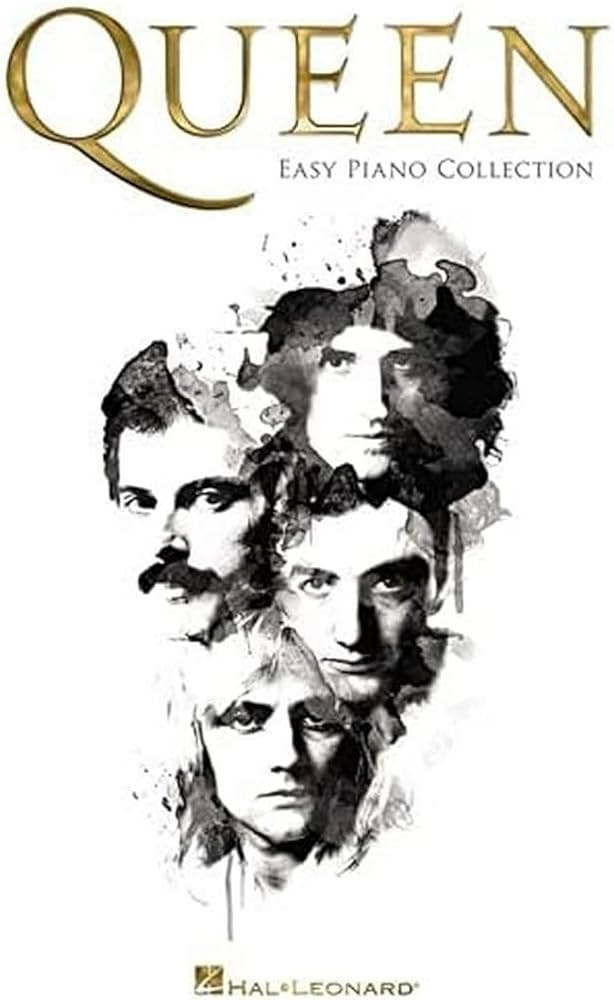
The classic Queen lineup was completed in February 1971 with the recruitment of John Deacon, a quiet but immensely talented bassist. The four-piece—Freddie Mercury (lead vocals, piano), Brian May (guitar, vocals), Roger Taylor (drums, vocals), and John Deacon (bass)—would remain intact for the next two decades, a period of unparalleled creativity and success.
Search your favorite sheet music in the Sheet Music Library Catalog

The 1970s: Building a Legacy, One Masterpiece at a Time
Queen's self-titled debut album, released in 1973, showcased a band bursting with raw talent and ambition. Tracks like "Keep Yourself Alive" and "Liar" demonstrated their hard rock and progressive rock inclinations. However, it was their second album, Queen II (1974), that began to crystallize their signature sound, featuring the epic "Seven Seas of Rhye".
The band's breakthrough arrived with Sheer Heart Attack (1974). The album was a commercial and critical success, propelled by the exquisite, music-hall-infused single "Killer Queen". It was a glimpse into the playful, sophisticated pop sensibility that would define much of their work.
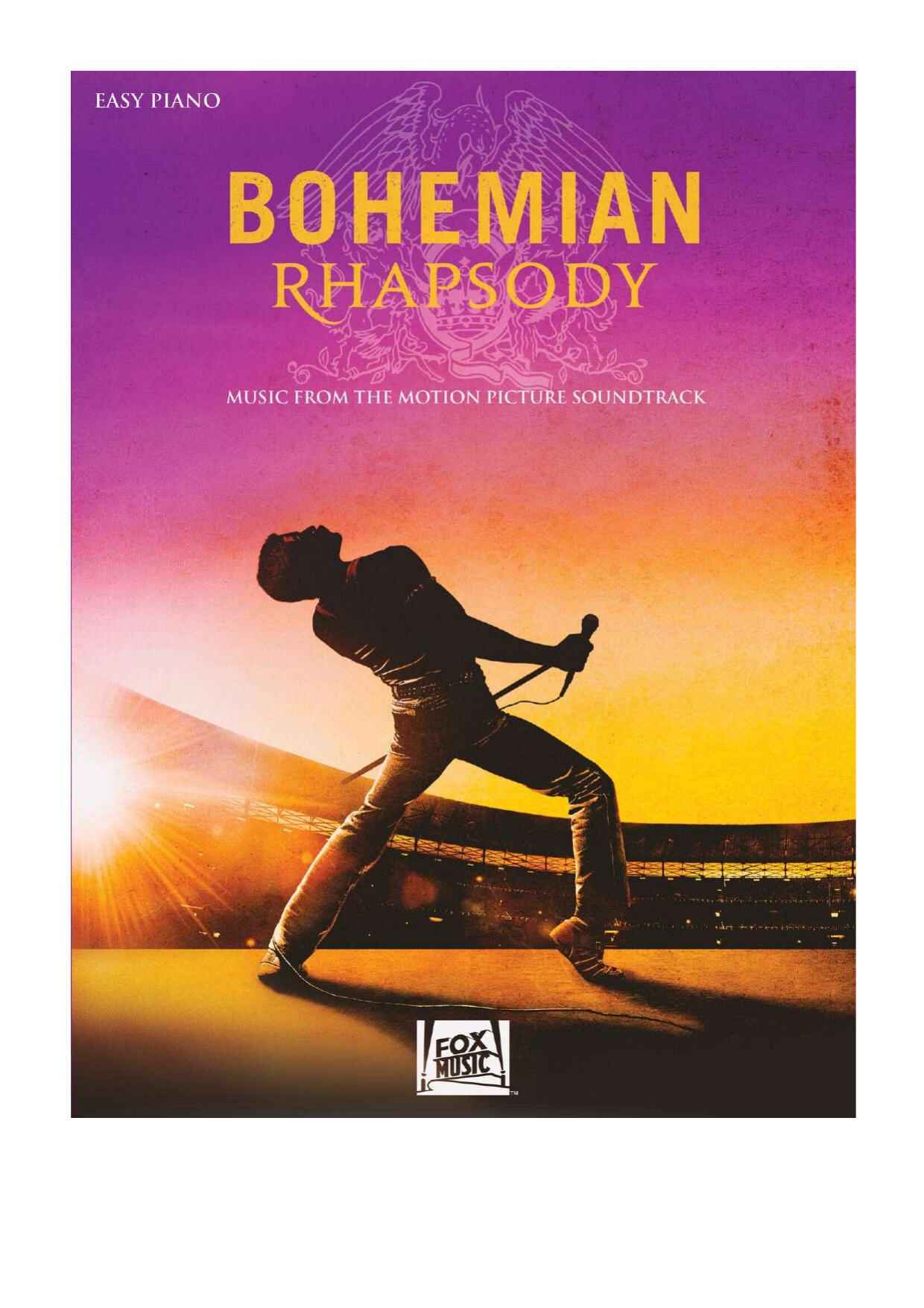
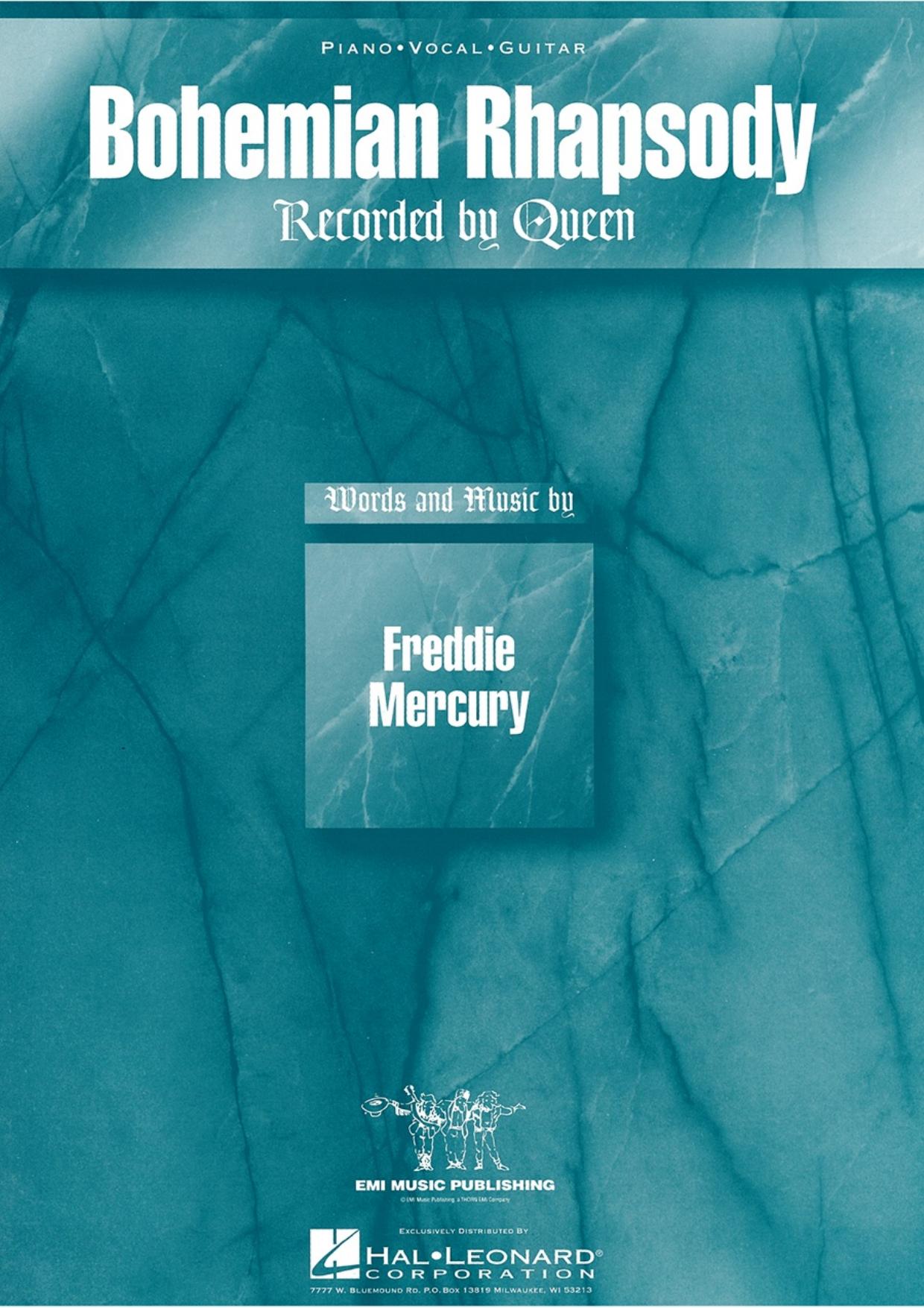
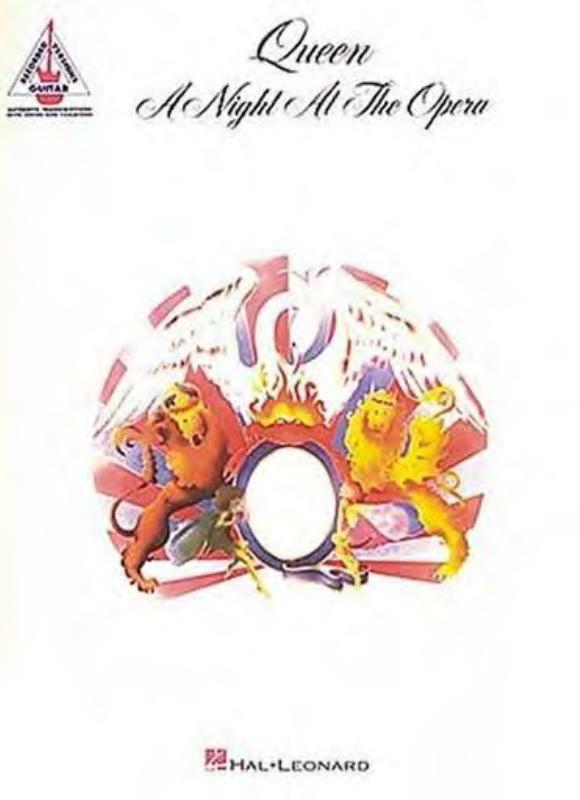
Then came A Night at the Opera (1975). Widely regarded as one of the greatest albums ever made, it was also one of the most expensive rock albums ever produced. The album's centerpiece was "Bohemian Rhapsody," a six-minute mini-opera that defied all commercial logic. A bizarre, magnificent fusion of ballad, opera, and hard rock, it topped the UK charts for nine weeks. To promote it, the band created a groundbreaking promotional video, effectively pioneering the modern music video format. The "Bohemian Rhapsody" video, shot in just four hours for £4,500, has since become the first pre-1990s video to reach one billion views on YouTube.
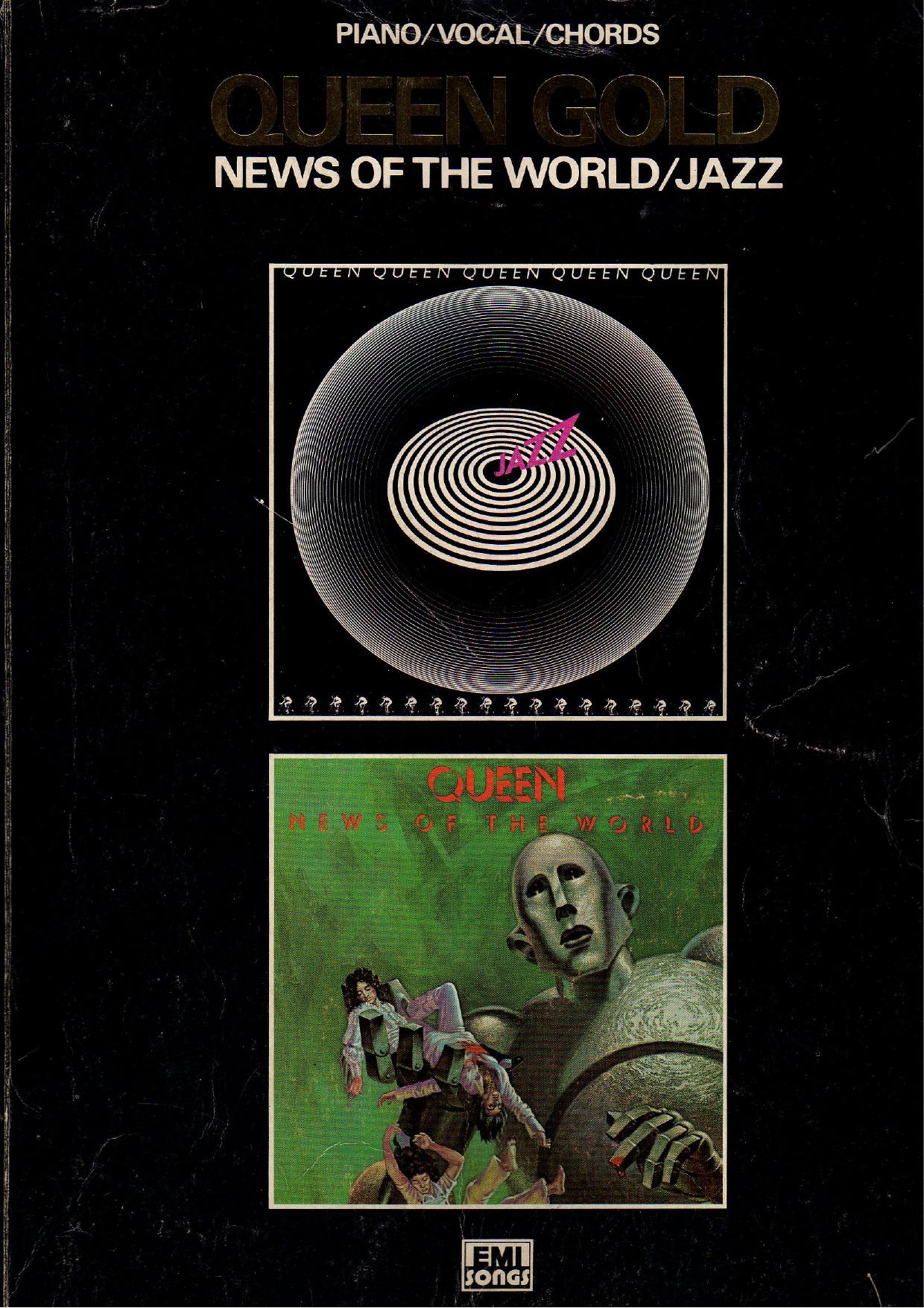
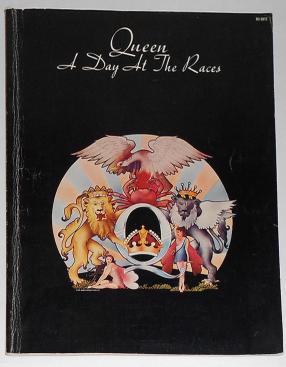
Queen continued their imperial phase throughout the remainder of the 1970s. A Day at the Races (1976) featured the gospel-infused "Somebody to Love," while News of the World (1977) gave the world two of the most enduring anthems in rock history: "We Will Rock You" and "We Are the Champions". These songs, with their stomping, chant-along choruses, became inseparable from sporting events and victory celebrations worldwide. The band's eclectic output continued with Jazz (1978), which featured the double A-side single "Bicycle Race" / "Fat Bottomed Girls," further cementing their reputation for fearless genre-hopping.
The 1980s: Reinvention and Global Domination
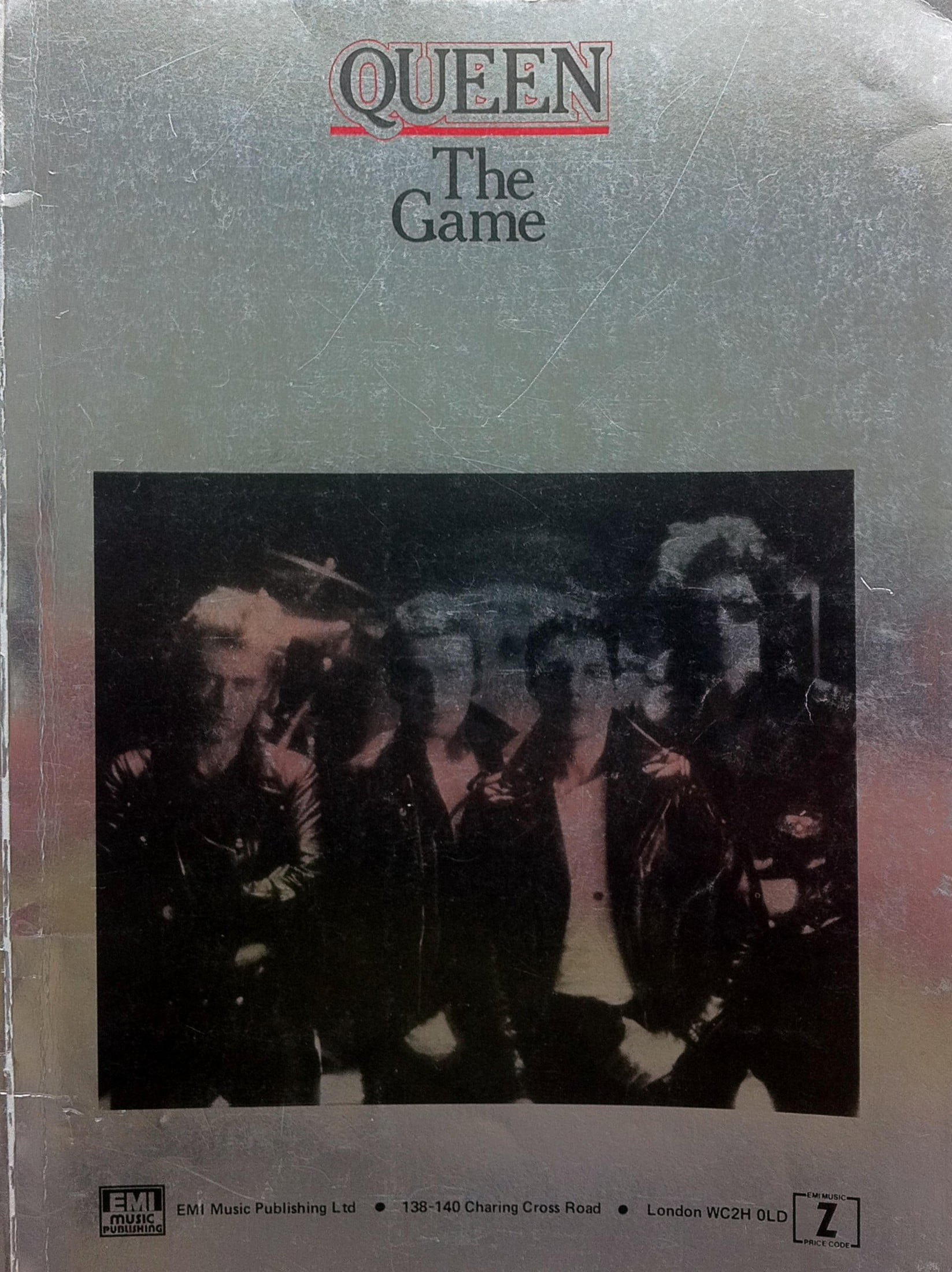
The new decade saw Queen embrace new sounds and technologies. The Game (1980) featured the funk-infused "Another One Bites the Dust," which became the band's best-selling single and their biggest US hit. The album also spawned the rockabilly-flavored "Crazy Little Thing Called Love". That same year, Queen ventured into film scoring, releasing the soundtrack for the sci-fi classic Flash Gordon, with "Flash" as its thunderous theme song.
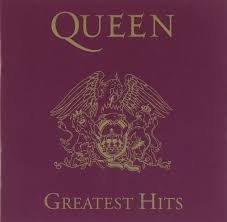
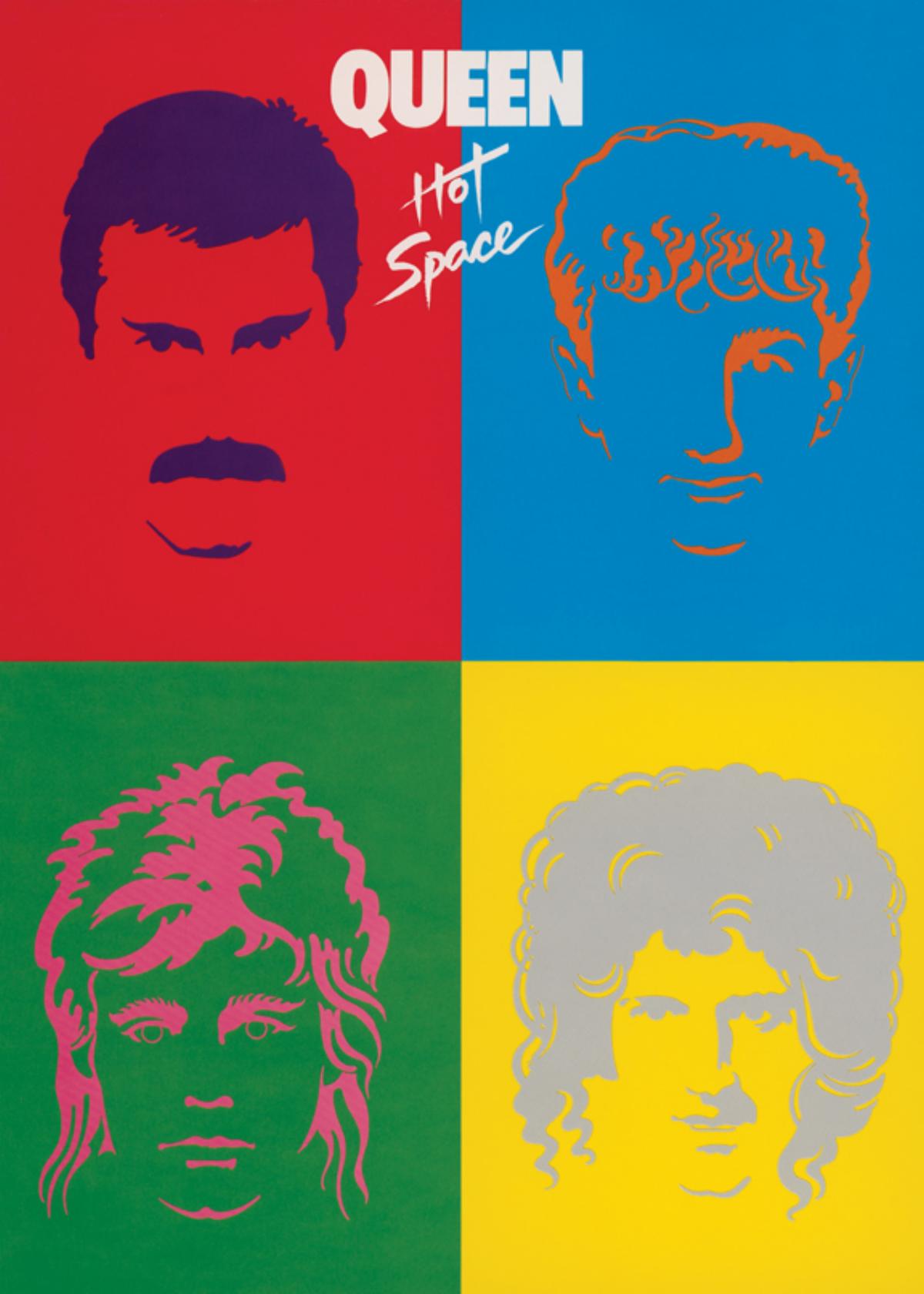
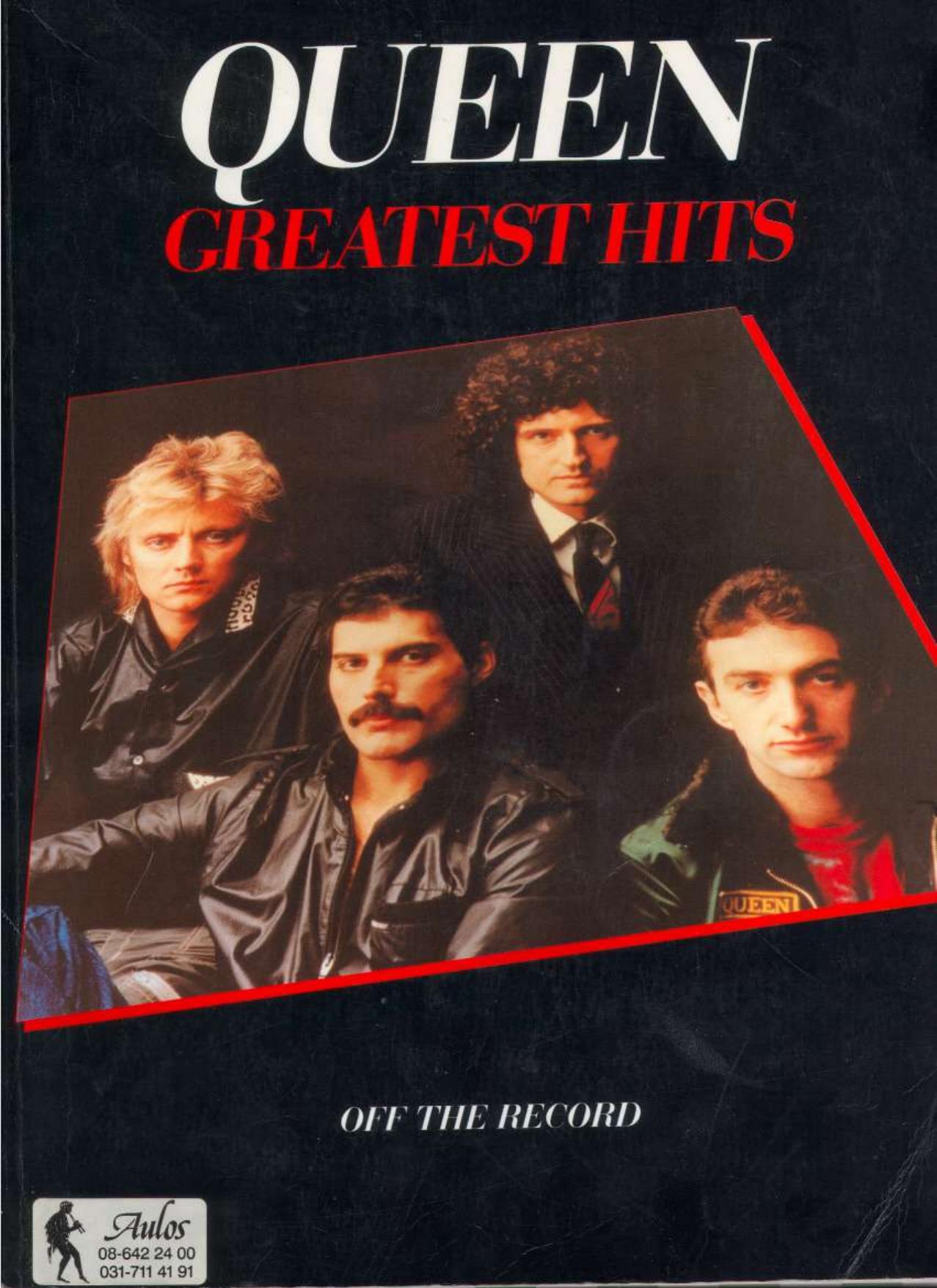
Their 1981 compilation, Greatest Hits, would go on to become the best-selling album in UK history. In 1982, they released Hot Space, an album heavily influenced by disco and funk that polarized fans but featured the monumental collaboration with David Bowie on "Under Pressure". The song was a global hit and remains one of the most celebrated duets in rock history.
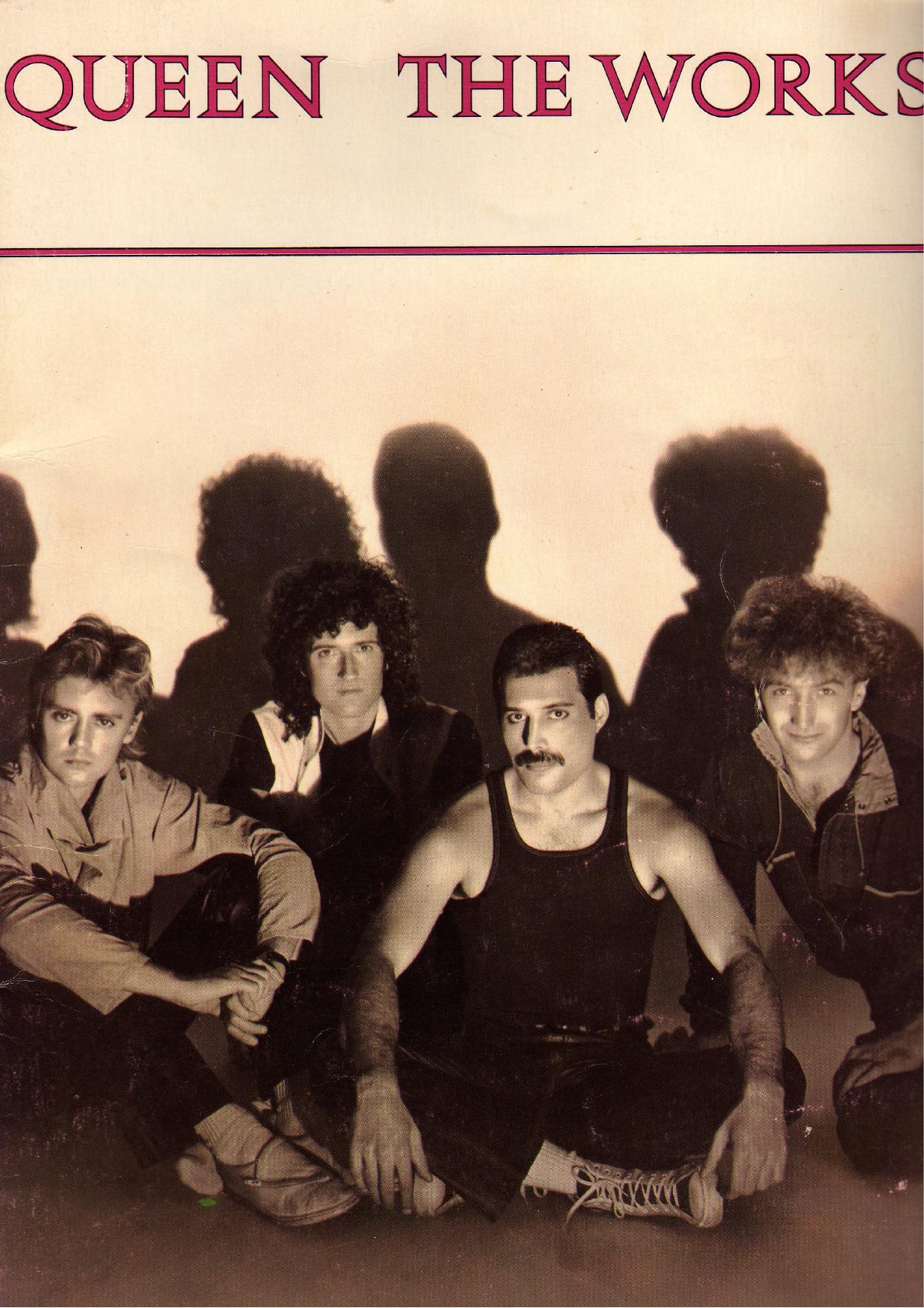
1984's The Works saw Queen return to a more rock-oriented sound, delivering hits like "Radio Ga Ga" and "Hammer to Fall". But it was their performance at the 1985 Live Aid concert that would become one of the defining moments of their career—and of rock history. Performing a 21-minute set at Wembley Stadium before 72,000 people and a global television audience of 1.9 billion, Queen delivered what is widely regarded as the greatest live performance of all time. From Mercury's powerful command of the crowd to the call-and-response of "Radio Ga Ga," the set was a masterclass in showmanship and connection.
In 1986, Queen contributed to another film franchise, providing several songs for the soundtrack of Highlander, including "A Kind of Magic," "Who Wants to Live Forever," and "Princes of the Universe". The A Kind of Magic album, which incorporated these tracks, was another commercial success. However, it was during this period that Freddie Mercury's health began to decline.
The Final Years: Triumph in the Face of Tragedy
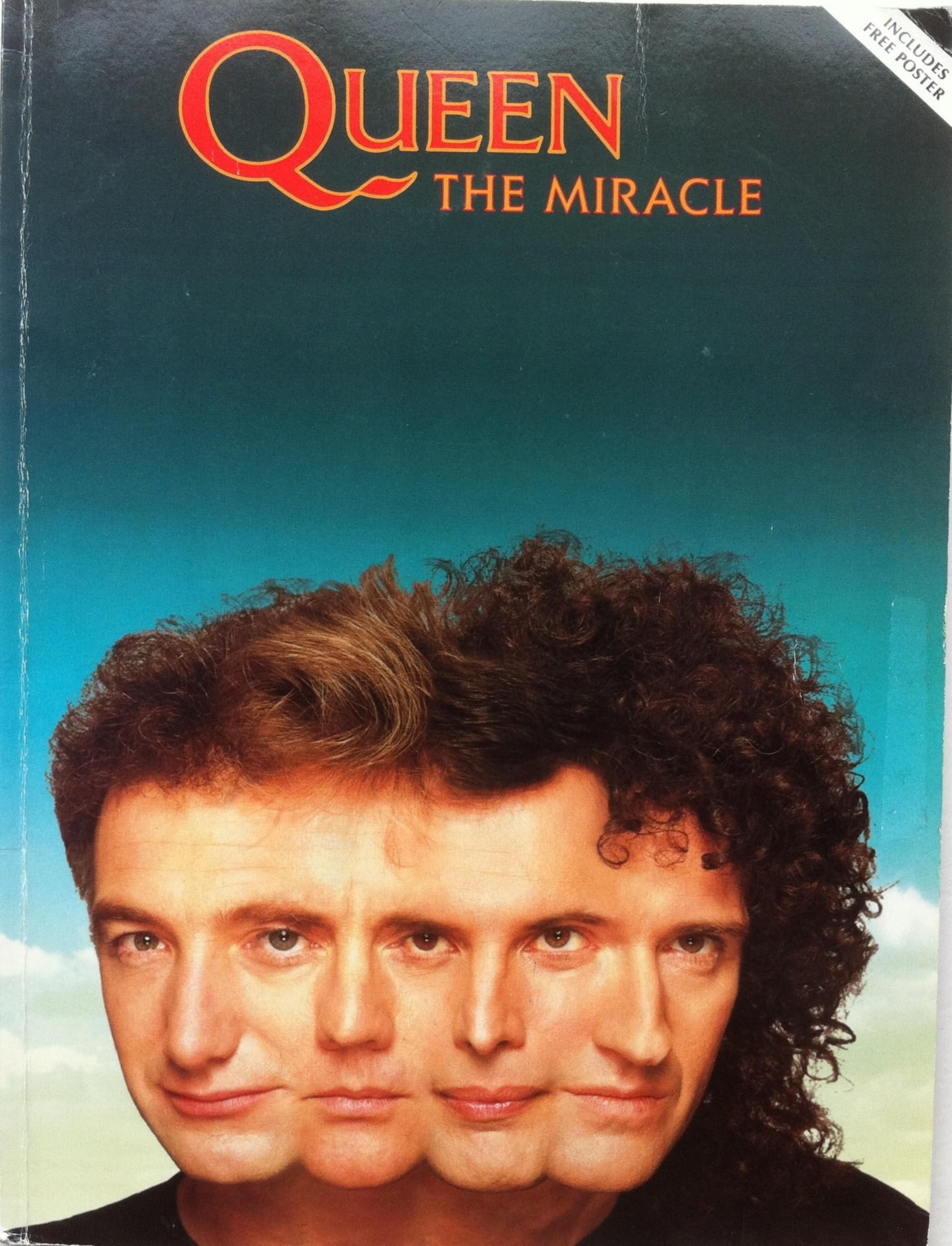
Mercury was diagnosed with AIDS in 1987. Despite his deteriorating health, the band continued to work, channeling their collective energy into two final studio albums: The Miracle (1989) and Innuendo (1991). These albums were marked by a newfound sense of maturity and urgency, featuring powerful tracks like "I Want It All," "The Show Must Go On," and the title track "Innuendo". "The Show Must Go On," in particular, is a stunning testament to Mercury's indomitable spirit, recorded while he was physically frail but vocally as powerful as ever.
On November 23, 1991, Mercury publicly confirmed his AIDS diagnosis. The following day, he passed away due to bronchopneumonia, a complication of the disease. He was 45 years old.
After Freddie Mercury: The Legacy Continues
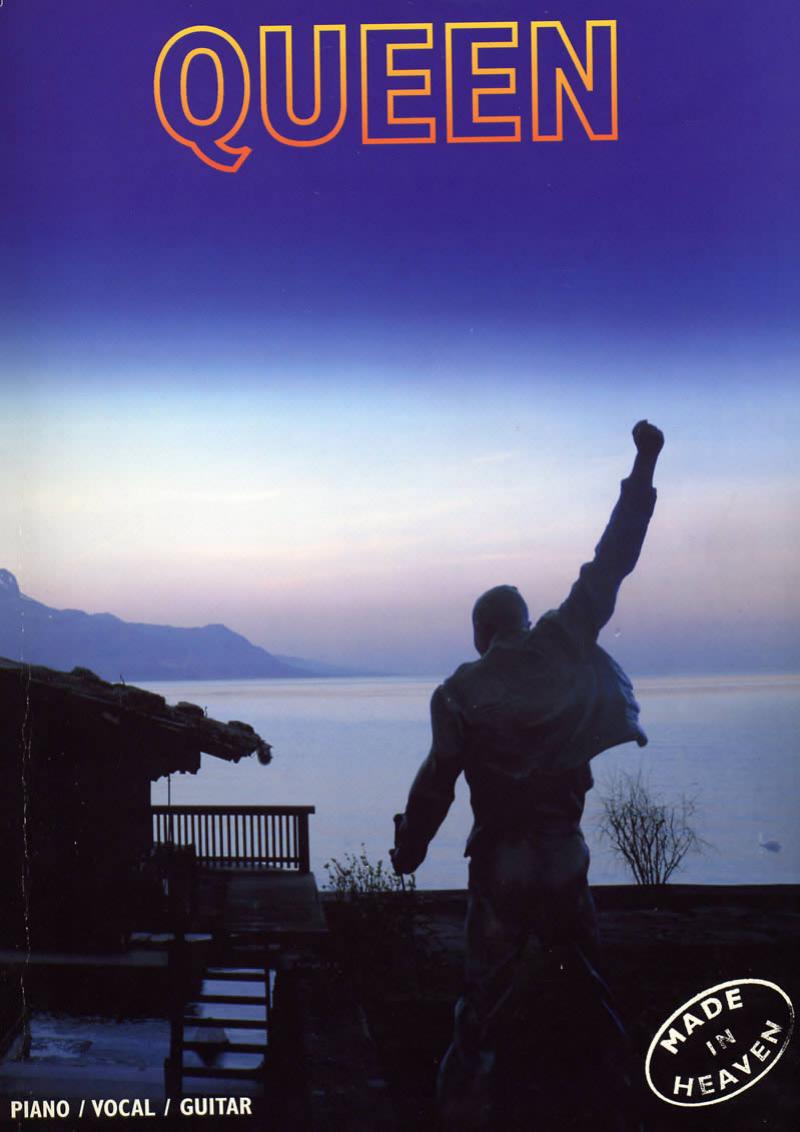
Following Mercury's death, Queen released Made in Heaven in 1995, an album assembled from the final vocal recordings Mercury made before his passing. John Deacon retired from music in 1997. Since then, Brian May and Roger Taylor have kept the Queen flame alive. They have performed under the banner "Queen +," first with Paul Rodgers (2004-2009) and later with Adam Lambert (since 2011). This iteration of Queen has toured the world to massive acclaim, introducing the band's legendary catalog to new generations.
Musical Style and Harmony: The Science of the "Queen Sound"
Queen's music is characterized by its extraordinary eclecticism and its meticulous, layered production. They drew artistic influence from a wide range of British rock acts, including the Beatles, Led Zeppelin, Pink Floyd, and the Who. Mercury, in particular, was also inspired by the rock and roll of Little Richard and the gospel power of Aretha Franklin. Brian May has cited Led Zeppelin as a major influence, saying they inspired Queen to follow their own "playbook".
However, Queen's sound was uniquely their own. Central to this is their use of vocal harmonies. Musicologist Nick Braae has noted that one of Queen's trademark sounds is their vocal harmonies, which are structured in block chords. Rather than singing in a traditional choir setup, Mercury, May, and Taylor would each sing each note of a chord, recording the whole thing multiple times. This technique meant that a chord with four notes could feature at least 24 "voices" on the final record. This layering, often utilizing over 100 overdubs as on "Bohemian Rhapsody," created a dense, opulent, and unmistakable "Queen choir" sound.
Beyond the vocals, Queen's sound was defined by Brian May's distinctive guitar tone, achieved through his homemade "Red Special" guitar and a unique setup that produced a rich, orchestral quality. The band fearlessly incorporated elements of hard rock, glam rock, progressive rock, pop, funk, and even vaudeville into their music. They were a band that could not be easily categorized, and it was this refusal to be pigeonholed that made them so compelling.
Essential Songs and Compositions
Queen's discography is a treasure trove of hits and deep cuts. While a definitive list is impossible, certain songs stand as monuments to their genius:
- "Bohemian Rhapsody" – The ultimate Queen track. A genre-defying masterpiece that encapsulates everything the band stood for: ambition, theatricality, and unparalleled musicianship.
- "We Will Rock You" / "We Are the Champions" – The ultimate stadium anthems. Simple, powerful, and instantly recognizable the world over.
- "Somebody to Love" – A brilliant fusion of rock and gospel, showcasing Mercury's extraordinary vocal range and the band's flawless harmonies.
- "Another One Bites the Dust" – Queen's biggest US hit, a funk-driven bassline that proved they could conquer any genre.
- "Don't Stop Me Now" – A joyous, life-affirming celebration of hedonism that has become a modern classic.
- "Killer Queen" – Their first major hit, a sophisticated and witty pop song that introduced the world to Queen's unique charm.
- "Under Pressure" – The iconic collaboration with David Bowie, a tense, urgent rock anthem built on one of the most famous basslines in history.
- "The Show Must Go On" – A poignant and powerful farewell from a dying man, a testament to Mercury's unbreakable will.
Queen on Film
Queen's relationship with cinema is twofold: they created original soundtracks, and their songs have been used to elevate countless films. The band contributed music directly to the films Flash Gordon (1980) and Highlander (1986). Director Russell Mulcahy chose Queen for Highlander because, "They write strong, anthemic songs and this movie needs their energy".
Individually, their songs have had a life of their own on the silver screen. The 1992 comedy Wayne's World famously featured a headbanging scene set to "Bohemian Rhapsody," which led to the song's re-release and a surge in popularity in North America. "Don't Stop Me Now" found a new audience as a "greatest driving song" after being featured in the cult classic Shaun of the Dead. Other films like A Knight's Tale and Moulin Rouge! have also featured memorable covers of Queen songs.
Collaborations
While Queen were largely a self-contained unit, they engaged in several notable collaborations. The most famous of these is "Under Pressure," recorded with David Bowie. In a spontaneous studio session in Switzerland, the artists created a number-one single.
Freddie Mercury also recorded a duet with Michael Jackson, "There Must Be More to Life Than This," which was later released on the compilation album Queen Forever. Since Mercury's death, Brian May and Roger Taylor have collaborated with a wide array of artists, including Paul Rodgers, Adam Lambert, and George Michael, who performed a stunning version of "Somebody to Love" at the Freddie Mercury Tribute Concert.
Influences and Legacy
Queen's influence on popular music is immeasurable. They drew from a vast pool of inspirations, including the Beatles, Led Zeppelin, Jimi Hendrix, and Pink Floyd, but they synthesized these influences into something wholly original.
In turn, they have inspired generations of artists across genres. Nirvana's Kurt Cobain, Marilyn Manson, and Lady Gaga (who took her stage name from the Queen song) have all cited Queen as an influence. Their blend of heavy rock, pop sensibility, and theatrical showmanship paved the way for countless bands and performers who followed.
Their legacy is also cemented in their staggering commercial success. With over 300 million records sold worldwide, they are one of the best-selling music artists in history. They have released 15 studio albums, 10 live albums, and 16 compilation albums. They are the only band in history where every member has written at least one Top 5 hit single. Their 1981 Greatest Hits compilation is the UK's biggest-selling album of all time. In 2001, they were inducted into the Rock and Roll Hall of Fame, and in 2003, all four members were inducted into the Songwriters Hall of Fame. They have also received the Grammy Lifetime Achievement Award and the Polar Music Prize.
Additional Information: The Queen Crest and More
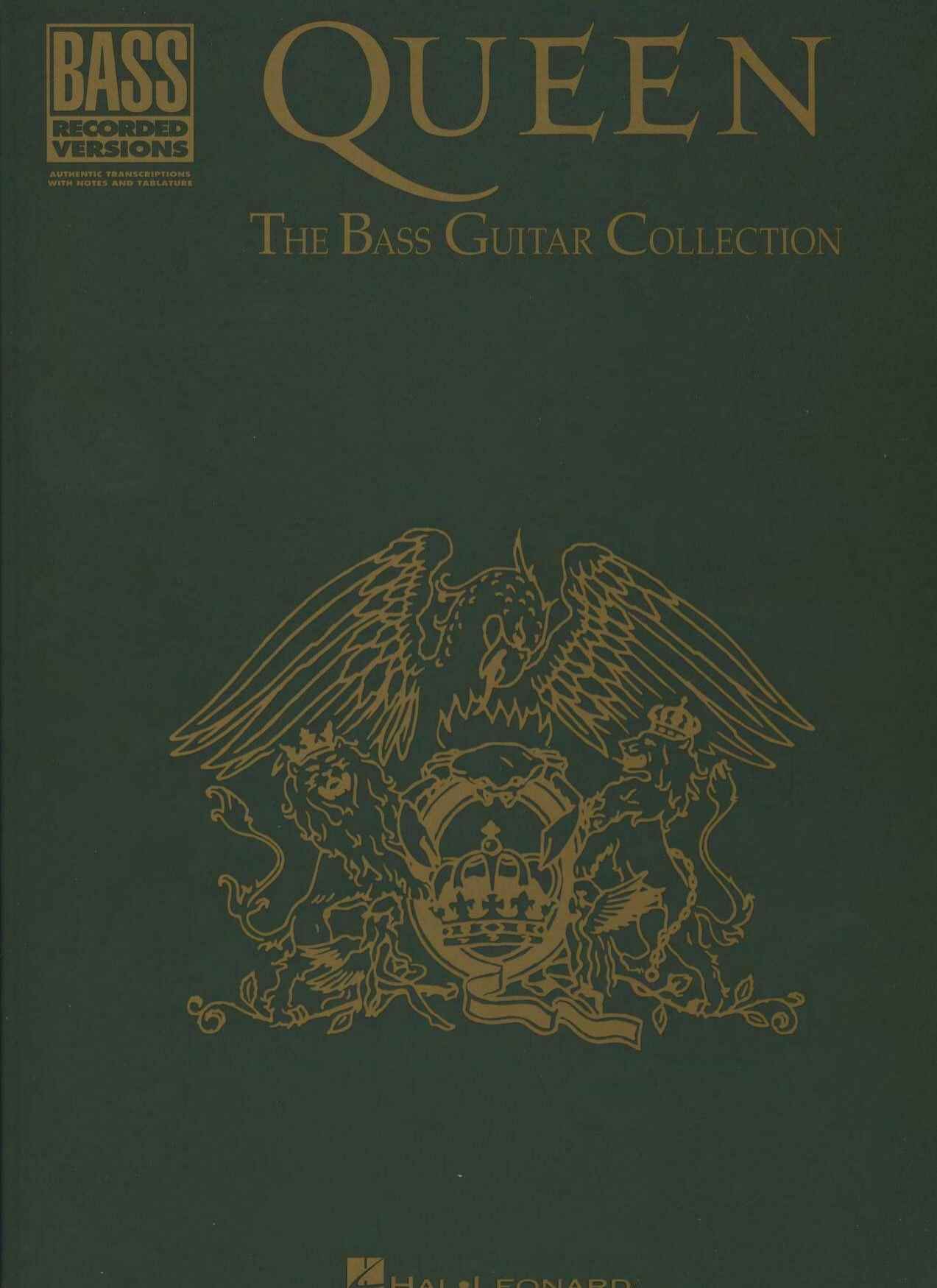
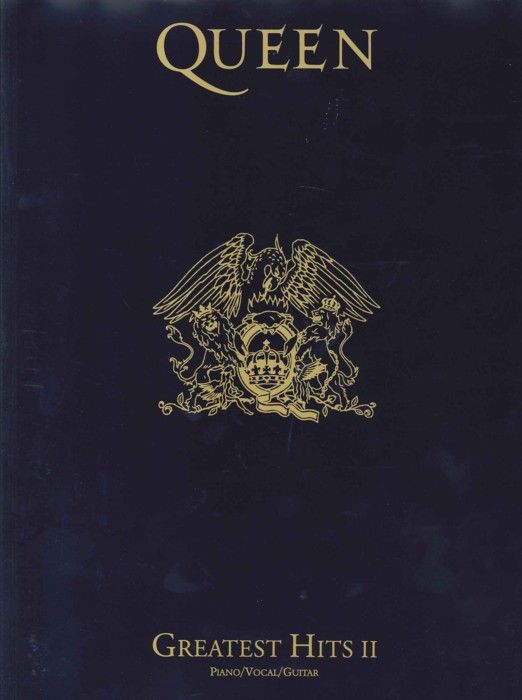
- The Logo: Freddie Mercury, having attended art college, designed Queen's iconic crest logo. It combines the zodiac signs of all four members: two lions for Leo (Deacon and Taylor), a crab for Cancer (May), and two fairies for Virgo (Mercury).
- The Freddie Mercury Tribute Concert: On April 20, 1992, a year after Mercury's death, the surviving members organized a tribute concert at Wembley Stadium. Featuring performances by David Bowie, Elton John, Guns N' Roses, Metallica, and many more, it was one of the largest and most significant events in rock history, also serving to raise funds for AIDS awareness.
- Record-Breaking Stats: Queen now has five songs with at least 1 billion streams on Spotify. Their Greatest Hits collection is certified 9× Platinum in the US.
- Brian May's PhD: Beyond his musical achievements, Brian May is also an astrophysicist. He completed his PhD in astrophysics in 2007, a project he had put on hold decades earlier to pursue music with Queen.
Queen are more than just a rock band; they are a cultural phenomenon. From their humble beginnings as Smile to their status as global superstars, their journey is a testament to the power of creativity, ambition, and unity. With a catalog of music that ranges from the intimate to the epic, from the poignant to the playful, they have provided the soundtrack to the lives of millions. Through their timeless anthems, their groundbreaking videos, and their legendary live performances, Queen have ensured that their music—and the incomparable spirit of Freddie Mercury—will "rock you" for generations to come.
Listen to Queen music on Spotify
Browse in the Sheet Music Library:
Or browse in the categories menus & download the Library Catalog PDF:
Discography
Main articles on Wikipedia: Queen discography and List of songs recorded by Queen
Studio albums
- Queen (1973)
- Queen II (1974)
- Sheer Heart Attack (1974)
- A Night at the Opera (1975)
- A Day at the Races (1976)
- News of the World (1977)
- Jazz (1978)
- The Game (1980)
- Flash Gordon (1980)
- Hot Space (1982)
- The Works (1984)
- A Kind of Magic (1986)
- The Miracle (1989)
- Innuendo (1991)
- Made in Heaven (1995)
Concert tours
Main article: List of Queen concert tours
- Queen Tour (1973)
- Queen II Tour (1974)
- Sheer Heart Attack Tour (1974–1975)
- A Night at the Opera Tour (1975–1976)
- Summer Gigs 1976 (1976)
- A Day at the Races Tour (1977)
- News of the World Tour (1977–1978)
- Jazz Tour (1978–1979)
- Crazy Tour (1979)
- The Game Tour (1980–1981)
- Hot Space Tour (1982)
- The Works Tour (1984–1985)
- The Magic Tour (1986)
- Queen + Paul Rodgers Tour (2005–2006)
- Rock the Cosmos Tour (2008)
- Queen + Adam Lambert Tour 2012 (2012)
- Queen + Adam Lambert Tour 2014–2015 (2014–2015)
- Queen + Adam Lambert 2016 Summer Festival Tour (2016)
- Queen + Adam Lambert Tour 2017–2018 (2017–2018)
- The Rhapsody Tour (2019–2024)