Scores for all instruments: 16,000+ (active and growing), over 236,000 pages.
All genres and levels: Jazz & Blues, Rock & Pop, Classical & Contemporary, Film & Musicals;
books & biographies; methods, études, play-along tracks (MP3) for Jazz & Rock.
Access & benefits: US$15.99 one-time payment, valid for lifetime, full Library access.
Rachmaninoff Adagio of Symphony no 2.
With Rachmaninoff and his family rare video footage (1930s to early 1940s)
Please, subscribe to our Sheet Music Library. Sheet music should be accessible and affordable for all musicians, from professionals to absolute beginners.
The Adagio from Rachmaninoff's Symphony no.2, Op.27, performed by the Philadelphia Orchestra conducted by Eugene Ormandy, recorded in April 1959.
The recording is accompanied by a collection of home movies of Rachmaninoff and his family.
The best sheet music download from our Library.
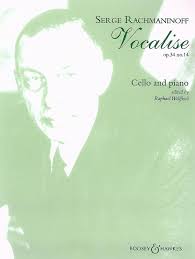

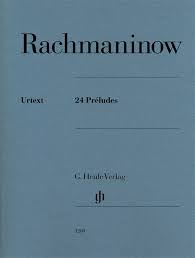
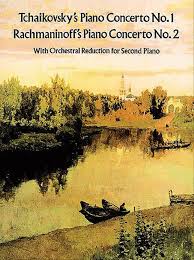
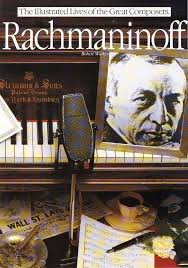
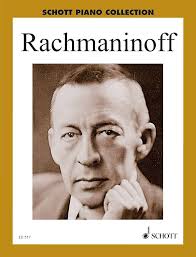




Search your favorite sheet music in the Sheet Music Library Catalog
Browse in the Sheet Music Library:
Or browse in the categories menus & download the Library Catalog PDF:
Yes, genuine video footage of Sergei Rachmaninoff exists, but with a massive catch: there is no known film footage of him actually playing the piano. All surviving video clips of the legendary composer are silent home movies.
The Surviving Footage: What Exists?
The absolute bulk of what remains comes from silent home movies taken by the Rachmaninoff family during the 1930s and early 1940s.
- The Family Archives: The most complete collections of his film clips feature intimate, black-and-white glimpses of his personal life. You can see Rachmaninoff relaxing in gardens, walking, smoking, interacting with family members, and spending time with contemporary musical figures like conductor Eugene Ormandy.
- The "Playing" Deception on Social Media: If you encounter clips on platforms like YouTube, Instagram, or TikTok that claim to show Rachmaninoff performing live, they are almost universally edited. Creators typically overlay his real, historic audio recordings onto silent clips of him sitting at or near a piano, or they use footage of other pianists (such as archival footage of Sergei Prokofiev or modern pianists playing his instrument).
The Real Audio-Visual Holy Grails
While we cannot watch his fingers move on film, dynamic archival discoveries have paired his actual voice and hidden recordings with history:
- The 8-Minute Family Compilation: A widely circulated ~8:30 minute compilation merges the family's silent home movies with audio tracks recorded by Rachmaninoff himself. It is available to watch on archival platforms and curated classical pages like YouTube.
- The Voice Recording: There is only one universally acknowledged, incredibly rare historical clip that contains a brief capture of Rachmaninoff’s actual speaking voice.
- The "Symphonic Dances" Tape: In terms of rare audio, the ultimate holy grail is a private, once-hidden 1940 home recording where Rachmaninoff sits at a piano to demonstrate his Symphonic Dances to Eugene Ormandy. He can be heard hum-singing, speaking, and stomping his feet to show how he wanted the orchestration to feel.