
Scores for all instruments: 16,000+ (active and growing), over 236,000 pages.
All genres and levels: Jazz & Blues, Rock & Pop, Classical & Contemporary, Film & Musicals;
books & biographies; methods, études, play-along tracks (MP3) for Jazz & Rock.
Access & benefits: US$15.99 one-time payment, valid for lifetime, full Library access.
Table of Contents
What is Rockabilly (10 clues)?
Rockabilly: The Twang Heard 'Round the World
Rockabilly is one of the earliest and most electrifying styles of rock and roll music. A portmanteau of "rock" and "hillbilly," the genre emerged from the American South in the early 1950s. It was a raw, rhythm-driven fusion of black and white musical traditions that would go on to lay the foundation for modern rock music.
Please, subscribe to our Sheet Music Library. Sheet music should be accessible and affordable for all musicians, from professionals to absolute beginners.
Origins and History
The roots of rockabilly run deep into the 1920s, where a close relationship between blues and country music first took shape. Jimmie Rodgers, the "first true country star," was known as the "Blue Yodeler" and used blues-based chord progressions in much of his work. In the 1930s and 1940s, western swing—pioneered by Bob Wills and his Texas Playboys—combined country singing and steel guitar with big band jazz influences. Wills himself later remarked, "Rock and Roll? Why, man, that's the same kind of music we've been playin' since 1928!"
In the late 1940s, radio was broadcasting blues, rhythm and blues, and gospel music across North America, exciting young, white, working-class musicians—especially those in locales with African-American populations—to mix Black musical styles with the country music they already knew. After blues artists like Meade Lux Lewis and Pete Johnson launched a nationwide boogie craze in 1938, country artists began recording what became known as "hillbilly boogie".
The Maddox Brothers and Rose were at "the leading edge of rockabilly with the slapped bass that Fred Maddox had developed". But the genre's true crystallization came in July 1954, when Elvis Presley walked into Sam Phillips' Sun Studio in Memphis, Tennessee.
Elvis Presley recorded two songs that would lay the foundation for rockabilly: "That's All Right," written by Mississippi bluesman Arthur "Big Boy" Crudup, and a frenetic version of Bill Monroe's "Blue Moon of Kentucky". Presley sang with African-American inflections and more emotional intensity than country singers of the time. He accompanied himself on acoustic guitar, with Scotty Moore on electric guitar and Bill Black on upright bass—establishing rockabilly's quintessential instrumentation. Sam Phillips enhanced the sound with a studio effect called slap-back, or "Sun echo," which became the genre's signature production technique.
The best sheet music download from our Library.

Elvis Presley, Moore, Black, and drummer D.J. Fontana toured the South almost continually in 1954 and 1955, igniting audiences and inspiring countless musicians to make the switch from country to rockabilly. By 1956, rockabilly had exploded. It was "most popular with country fans in the 1950s, and 1956 could be called the year of rockabilly in country music". The genre's popularity waned by 1960, but its influence never truly disappeared.
Musical Style and Instruments
The rockabilly sound is defined by its raw energy, extreme rhythmic drive, and full-tilt approach to both singing and instrumentation.
Typical instruments include:
- Electric guitar – providing fills, rhythm, and energetic solos
- Upright/double bass – played in the signature "slapping" style
- Drums – amplified to fill out the sound
- Piano – often with boogie-woogie riffs
- Vocals – wildly expressive, often with vocal twangs
Defining features of the rockabilly sound included strong rhythms, boogie-woogie piano riffs, vocal twangs, doo-wop acapella singing, and the common use of tape echo. The distinctive reverberation on early hits was often created using studio techniques like slapback echo and tape delay.
Search your favorite sheet music in the Sheet Music Library Catalog
Compared to country songs, rockabilly generally features simplified form, lyrics, chord progressions and arrangements, faster tempos, and amplified percussion. The singing style is more flamboyant and less smooth than rhythm and blues, with fewer instruments used but percussion amplified to fill the sound.

Fashion and Subculture
Rockabilly is more than just a musical genre—it's a full-fledged subculture that has endured for decades. Today's rockabilly subculture has adopted the look—slick-backed hair or Betty Page bangs—and the sound of mid-twentieth century American youth culture.
For men, the classic rockabilly look includes:
- Pompadours and slicked-back hairstyles
- Leather jackets
- Denim and vintage 1950s-inspired clothing
For women, the style features:
- Quiffed and ponytail hairstyles
- Heavy make-up
- Pin-up fashion and Betty Page bangs
Female rockabillies "went to great lengths to achieve an authentic 1950s American teenage appearance by scouring specialist second-hand shops," capturing "the naivety and the optimism of young, post-war America".
The subculture embodies a lifestyle centered on music, dance, and community gatherings, reviving the rebellious spirit of the 1950s for new generations. As burlesque performance and pin-up fashion have become integrated into the rockabilly subculture, the scene has become associated with the acceptance of all types of body images. It has also spread globally, with vibrant scenes in Japan, where Tokyo's rockabilly subculture takes over parks with 50s music, vintage fashion, and smooth moves.
Classic Artists
The golden age of rockabilly (roughly 1955-1959) produced some of the most enduring figures in music history.
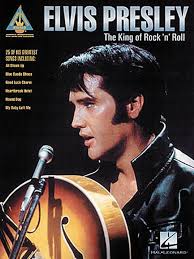
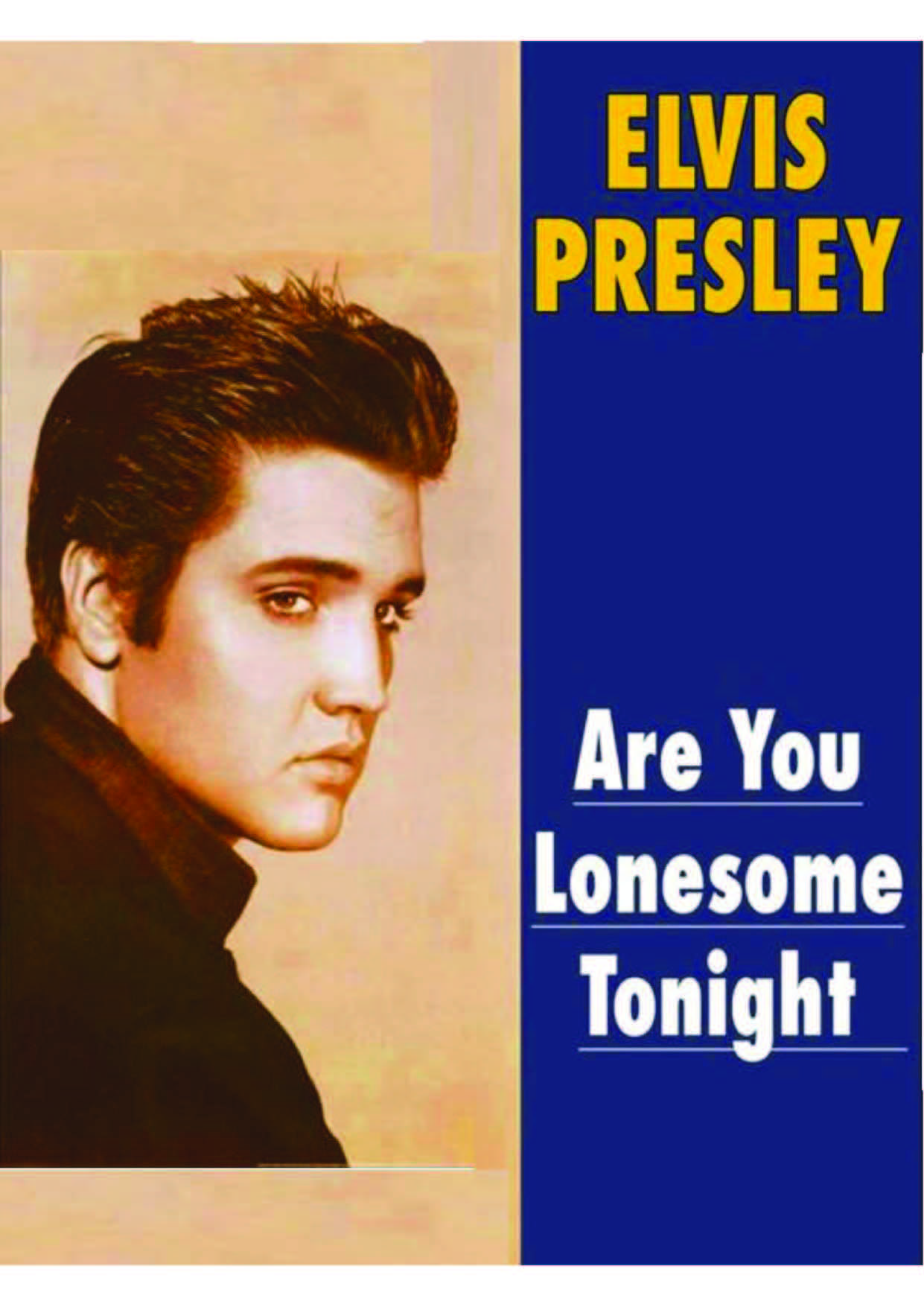
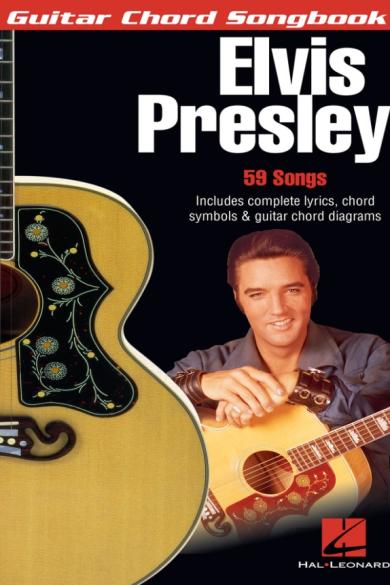
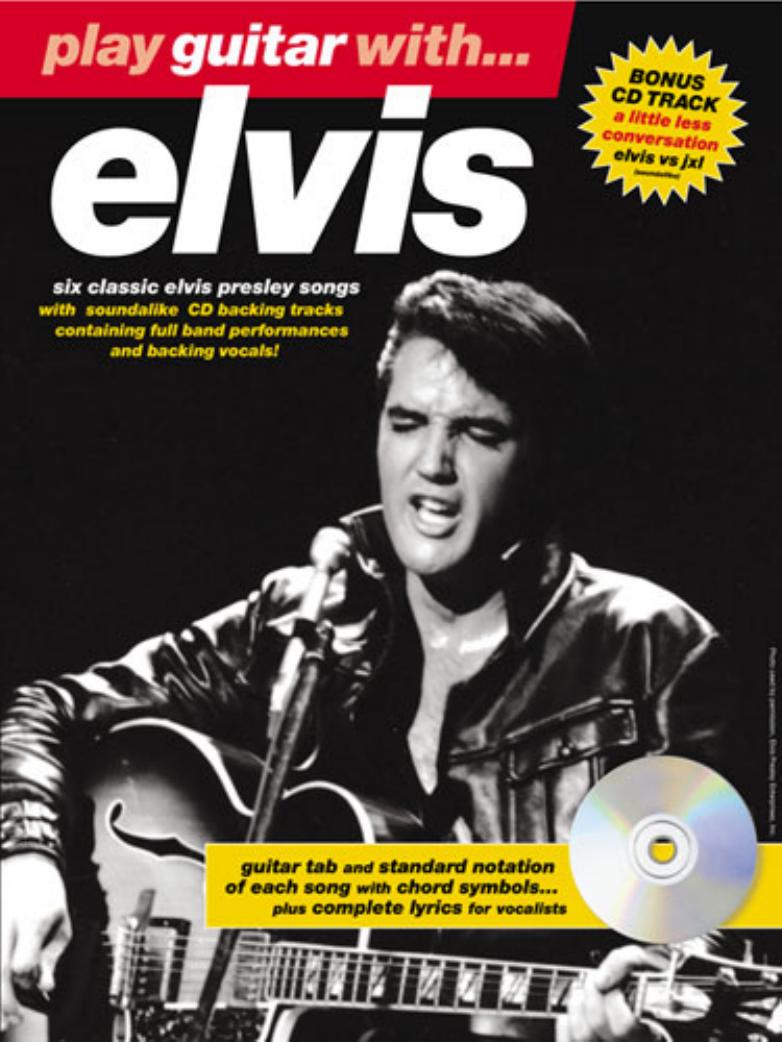
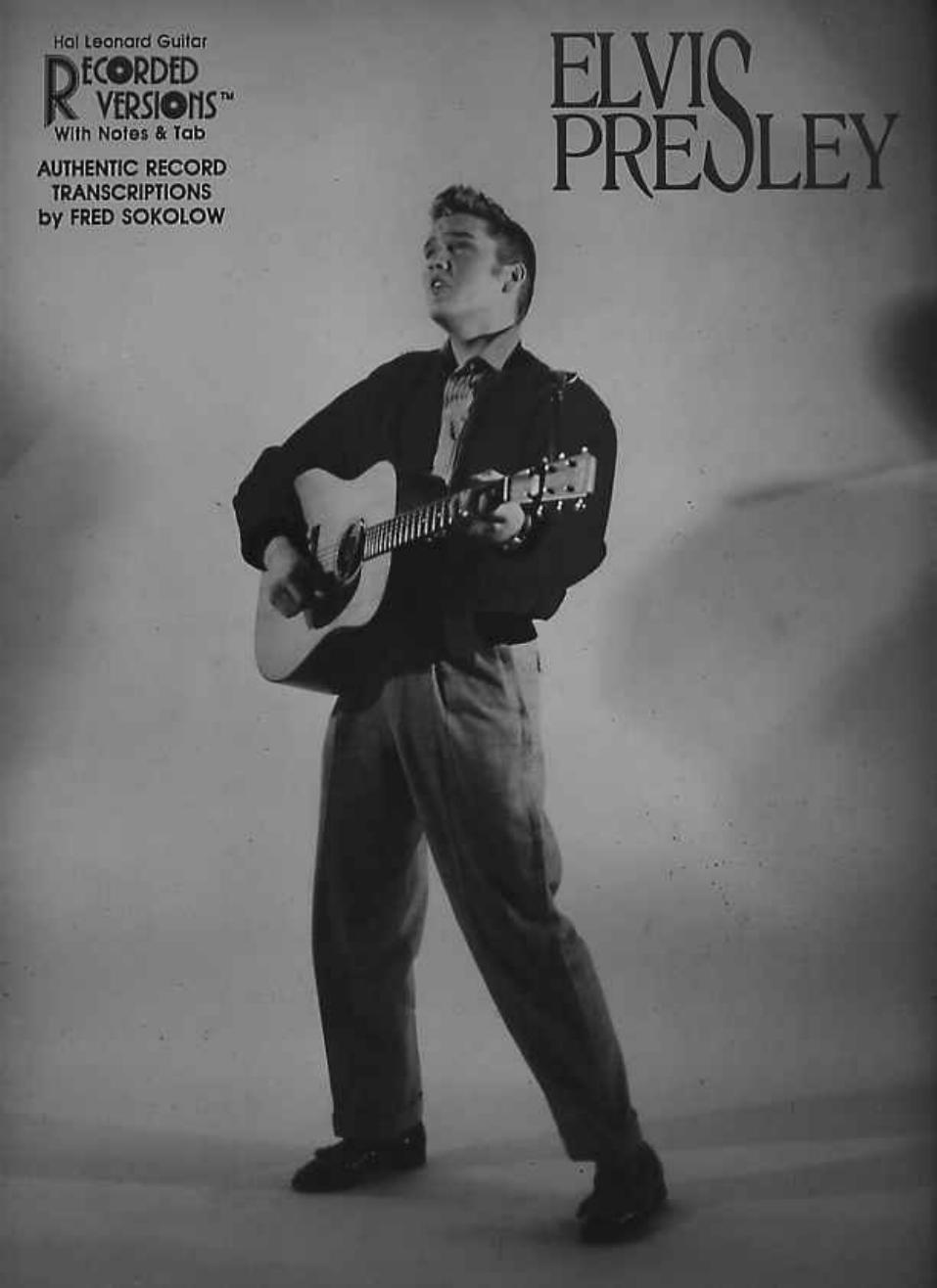
Elvis Presley – The King of Rock and Roll launched the genre with his Sun Records sessions. Though the term "rockabilly" was initially "an insult to the southern rockers," it eventually became a badge of honor.

Carl Perkins – His "Blue Suede Shoes" became the genre's best-known song.
Jerry Lee Lewis – The piano-pounding "Killer" brought a manic energy to rockabilly with hits like "Whole Lotta Shakin' Goin' On".

Gene Vincent – His "Be-Bop-A-Lula" hit the charts in 1956.
Buddy Holly – The bespectacled Texan brought a string of rockabilly hits in 1957.

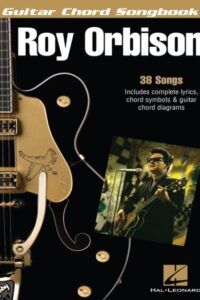
Other pioneers included Johnny Burnette, Roy Orbison, Warren Smith, Billy Lee Riley, Sonny Burgess, Charlie Feathers, and Wanda Jackson—one of the few female rockabilly stars of the era.
Modern Heavy-Hitters & Revivalists
Rockabilly never truly died—it just went underground and kept evolving.
The First Revival (Late 1970s–1980s)
The late 1970s and early 1980s saw a major revival, with rockabilly finding a natural audience among punk rockers who appreciated its raw, unpolished energy.
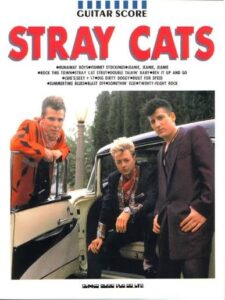
The Stray Cats – Formed in 1979, Brian Setzer, Lee Rocker, and Slim Jim Phantom took classic American rockabilly to England during the punk era and found an audience ready for it. Punk and rockabilly share a rawness, a rejection of polish and pretension, and an energy that prioritizes attitude over technical refinement. Hits like "Stray Cat Strut" and "Rock This Town" remain touchstones of the revival.
Other revival bands included The Polecats, Levi and the Rockats, Dave Edmunds, Robert Gordon, The Blasters, and BR5-49.
The Neo-Rockabilly Movement
The neo-rockabilly movement surged from the fringes of the underground into clubs worldwide.
The Reverend Horton Heat – Jim Heath has been at it since the 1980s, pioneering psychobilly—a darker, faster subgenre incorporating horror aesthetics and heavier instrumentation.
Rosie Flores – Since the late '70s, this guitarist, singer, and songwriter has been an important figure on the roots music scene, respected for her gritty, energetic vocals and fiery guitar solos. Her 1995 album Rockabilly Filly featured duets with her idols Wanda Jackson and Janis Martin, bringing both out of retirement.
The Delta Bombers – Formed in 2008 in Las Vegas, they take a grittier approach, pulling in blues and Americana alongside traditional rockabilly elements.
Other notable modern acts include High Noon (a Texas trio playing a purist yet innovative vision of rockabilly), Restless (foundational to the neo-rockabilly movement), Big Sandy and His Fly-Rite Boys, Toini & the Tomcats, La Perra Blanco, and Emery Villains.
Rockabilly music relies heavily on a high-energy mix of 1950s rhythm and blues (R&B), western swing, and country boogie. The genre keeps its harmonic structure simple, driving, and highly rhythmic, relying on standard blues progressions but playing them with a distinct, upbeat country feel.
The Core Chord Progressions
Most Rockabilly songs use standard I - IV - V (1 - 4 - 5) progressions, heavily mirroring the 12-bar blues format. However, instead of the slow, soulful drag of traditional blues, rockabilly plays these chords with a fast, driving "two-beat" or "slapback" rhythm.
The 12-Bar Blues Progression
The most common structure in the genre looks like this (in the key of E):
- I Chord (E / E7): 4 bars
- IV Chord (A / A7): 2 bars
- I Chord (E / E7): 2 bars
- V Chord (B7): 1 bar
- IV Chord (A7): 1 bar
- I Chord (E / E7): 1 bar
- V Chord (B7): 1 bar (Turnaround)
The 8-Bar Progression
Often used for verses or faster songs (e.g., Heartbreak Hotel style modifications):
- I (2 bars) → IV (2 bars) → V (2 bars) → I (2 bars)
Rockabilly Chord Voicings & Textures
Rockabilly guitarists and pianists rarely use basic open major triads. To get the authentic "greaser" sound, you need to add specific extensions and variations:
- Dominant 7th Chords (I7, IV7, V7): This is the baseline sound. Instead of a standard E major, play an E7. Instead of A, play A7.
- Sixth Chords (6th) and 13th Chords: To add a western swing or jazz-lite flavor, musicians frequently swap dominant 7ths for 6th chords (e.g., E6 or A6), or jump up to a 9th or 13th chord for a punchy, sophisticated bite.
- The "Rockabilly Grip" (Movable Chords): Guitarists like Scotty Moore (Elvis Presley's guitarist) frequently used closed, movable chord shapes up the neck, leaving the basslines to the upright bass while they chopped out sharp, treble-heavy rhythms.
Harmony and Vocal Styling
Rockabilly harmony is deeply rooted in hillbilly country and gospel call-and-response.
- The Two-Part Vocal Harmony: Unlike the complex 4-part harmonies of doo-wop, rockabilly usually sticks to a main melody paired with a high third or perfect fifth harmony above it, reminiscent of the Everly Brothers or Buddy Holly.
- The "Hiccup" and Echo: While not strictly harmonic, vocalists frequently used "glottal stops" (vocal hiccups) and heavy tape slapback echo. This effect creates a natural acoustic "doubling" harmony that defines the genre's vocal texture.
- The Slapback Bass Counter-Harmony: The upright bass player doesn't just play roots; they use a "slap" technique (clicking the strings against the fingerboard). Harmonically, the bass walks through the chords using arpeggios (Root - 3rd - 5th - 6th - b7th), creating a moving harmonic counterpoint beneath the vocals.
Guitar Technique
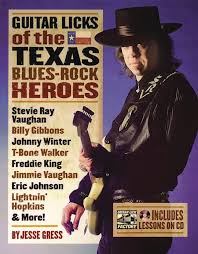
To get an authentic 1950s rockabilly guitar sound, you need to combine country picking speed with blues grit. Players like Scotty Moore (Elvis Presley), Cliff Gallup (Gene Vincent), and Brian Setzer (The Stray Cats) built the genre on a specific set of physical techniques.
Here is the essential breakdown of rockabilly guitar techniques:
1. Travis Picking (The Alternating Bassline)
Borrowed directly from country and western swing, this technique requires you to play a steady, alternating bassline with your thumb while picking melody lines or chord fragments with your index and middle fingers.
- The Pattern: Your thumb jumps back and forth between two bass strings (typically the 6th and 4th strings, or 5th and 4th strings) on beats 1, 2, 3, and 4.
- The Melody: Your fingers pluck the higher strings (1st, 2nd, and 3rd) on the "off-beats" (the "and" of the beat) to create syncopation.
- Hybrid Picking Alternative: If you prefer using a flatpick, you can hold the pick between your thumb and index finger for the bass notes and use your middle and ring fingers to snap the high strings.
2. Palm Muting & The "Boom-Chicka" Rhythm
Rockabilly relies on a tight, percussive rhythm. You achieve this by resting the fleshy side of your picking hand's palm lightly against the strings right where they meet the bridge.
- The Effect: This deadens the ring of the strings, turning a sustained chord into a punchy, chugging sound.
- The Groove: It creates the famous "Boom-Chicka" rhythm, where the "Boom" is a clean, muted bass note and the "Chicka" is a sharp, percussive strum on the higher strings.
3. Double-Stop Fretboard Work
Instead of playing single-note guitar solos, rockabilly guitarists constantly play two notes at the same time (double-stops).
- Sliding Sixths: Sliding a two-note shape up or down the neck along the 1st and 3rd strings. This gives that classic, swinging "hillbilly" horn-section sound.
- Chuck Berry Style: Bending the 3rd string up a whole step while holding down a static note on the 2nd or 1st string.
4. Finger Slides, Hammer-ons, and Pull-offs
Rockabilly solos move fast, and players use legato techniques to keep things fluid and greasy.
- The Chromatic Slide: Instead of jumping straight to a target note, slide into it from one fret below. This is highly effective when moving from the minor 3rd to the major 3rd of a chord.
- Open String Pull-offs: Pulling off from a fretted note to an open string allows for lightning-fast, cascading runs (especially popular in the keys of E and A).
The Secret Weapon: Slapback Echo
Technique is only half the battle; the gear creates the atmosphere. To make these techniques sound authentic, you need a slapback delay effect.
- Set your delay pedal to one single repeat.
- Set the delay time very short (between 100 to 140 milliseconds).
- This mimics the sound of the old Sun Records tape machines, instantly making your palm-muted rhythms and double-stops sound massive and authentic.
Rockabilly remains a living, breathing genre. From its birth in the juke joints and radio stations of the American South to its global revival and ongoing evolution, the music continues to find new audiences and new artists willing to carry it forward. As Tony Oso put it, "The genre has something in its DNA that other styles do not". That something is the rebellious spirit, the raw energy, and the unmistakable twang that made rockabilly the sound that changed the world.
Browse in the Sheet Music Library:
Or browse in the categories menus & download the Library Catalog PDF:
Rockabilly Blues: Feel the Soul of Rock 'n' Roll
Playlist:
00:00 Drive-In Dream 02:04 V8 Dreamin' 04:09 Cruisin' Hazy Nights 07:04 Drag Strip Nights 09:05 Down at the Drive-In 11:11 Drive-In Rock 13:32 Nitro Nights 16:04 57' Chevy Blues 17:57 Burger 'n' Fries 20:36 Drive-In Saturday Night 23:08 Hotrods 'n' Drive-In's 25:51 Drive-In Blues 28:13 Drive-In Dreamin' 30:42 Drive-In Thrills 32:46 Hotrod Saturday 35:31 Saturday Night Throttle 37:50 32' Coupe Boogie 40:17 Heavenly Nights 'n' Hotrods 42:05 Redline Nights 44:40 Dragstrip Blues 47:07 Flathead Blues 49:26 Hotrod Alley Blues 51:31 Cruisin' Saturdays 53:45 Saturday Nights on Fire 56:32 Dragstrip Roar Boogie