Scores for all instruments: 16,000+ (active and growing), over 236,000 pages.
All genres and levels: Jazz & Blues, Rock & Pop, Classical & Contemporary, Film & Musicals;
books & biographies; methods, études, play-along tracks (MP3) for Jazz & Rock.
Access & benefits: US$15.99 one-time payment, valid for lifetime, full Library access.
The best sheet music download from our Library.
Happy birthday, Carlos Santana, born on this day in 1947.
Table of Contents
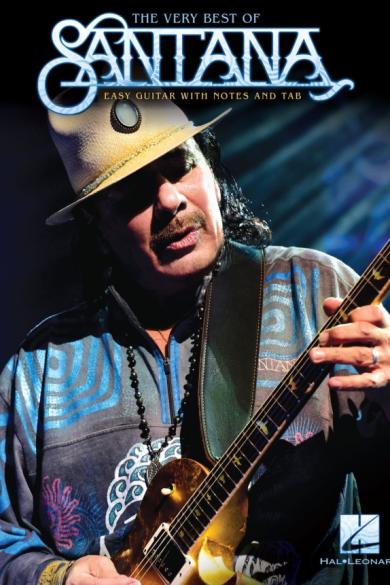
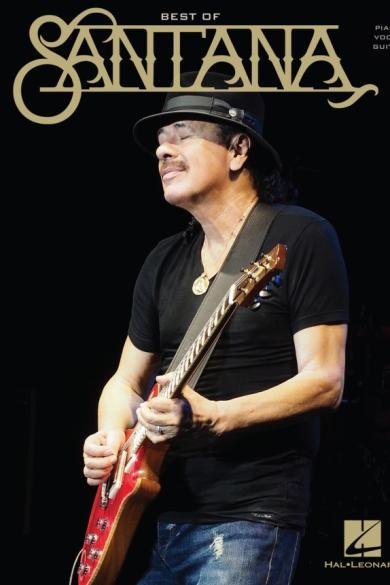

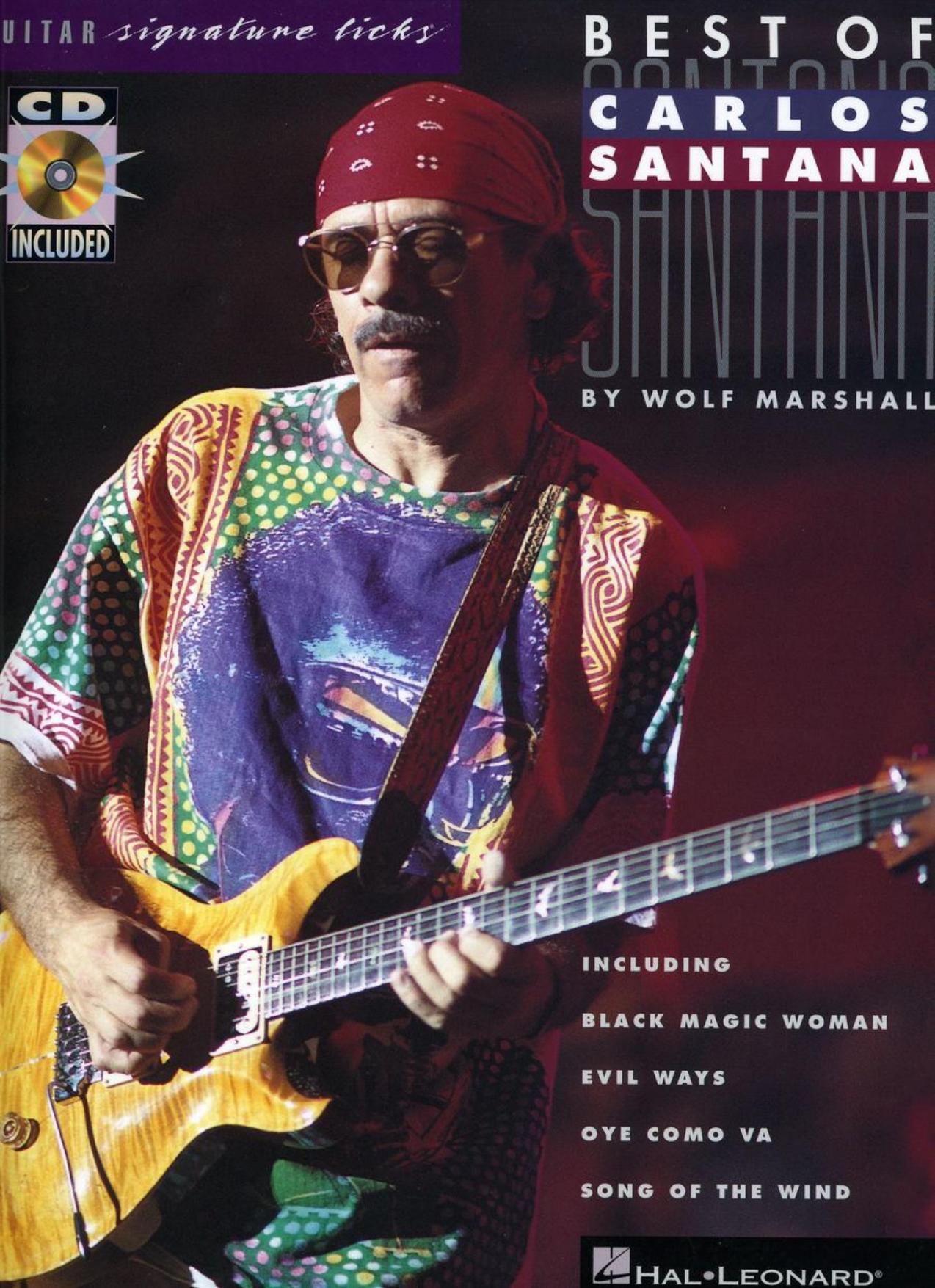

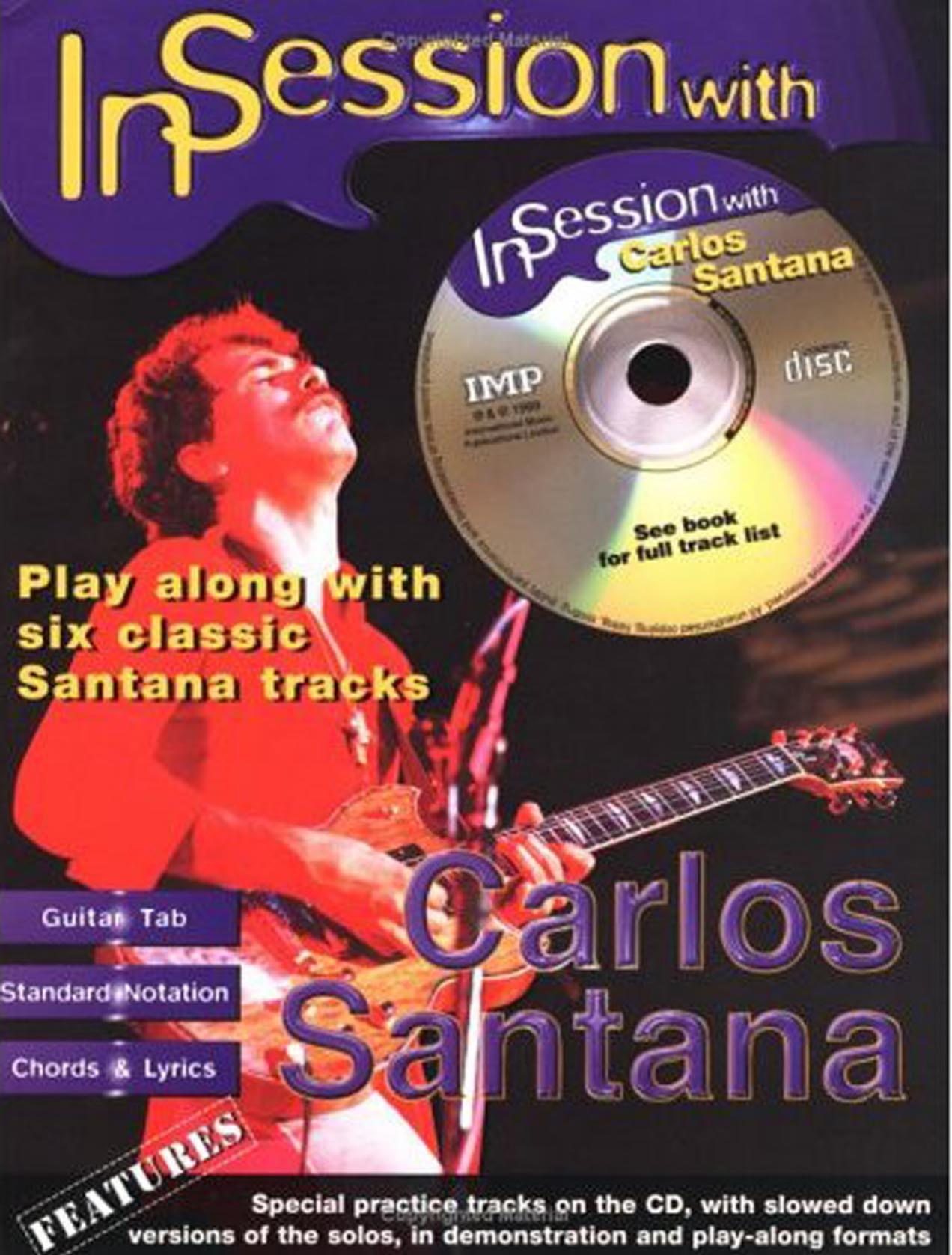
Carlos Santana - Oye Como Va (Live)
The best sheet music download from our Library.

Please, subscribe to our Sheet Music Library. Sheet music should be accessible and affordable for all musicians, from professionals to absolute beginners.
Carlos Santana: The Transcendent Voice of the Guitar
Carlos Santana is more than a musician; he is a force of nature, a conduit for spiritual energy translated into searing guitar lines and rhythms that pulse with the heartbeat of the planet. His name is synonymous with a unique fusion that shattered boundaries, blending Latin percussion, African rhythms, blues fire, rock energy, and the exploratory spirit of jazz into a sound instantly recognizable and universally resonant. For over five decades, he has channeled a message of unity, spirituality, and joy through his instrument, leaving an indelible mark on music history.
I. Biography: From Autlán de Navarro to Global Icon (1947-Present)
- Humble Beginnings (1947-1960): Born Carlos Humberto Santana Barragán on July 20, 1947, in Autlán de Navarro, Jalisco, Mexico, music was ingrained from the start. His father, José Santana, was a mariachi violinist who taught Carlos the fundamentals of music theory and violin at age five. However, the young Carlos was captivated by the raw power and expressiveness of the blues and rock 'n' roll he heard on the radio, particularly the guitar work of B.B. King, John Lee Hooker, and T-Bone Walker. In 1955, the family moved to Tijuana, a bustling border city where Carlos immersed himself in the local music scene, playing in strip clubs to hone his skills and absorb diverse influences, from Mexican folk to American rock.
- San Francisco Crucible (1961-1969): In 1961, his family relocated to San Francisco, California. This move proved pivotal. The city in the mid-60s was a cauldron of counterculture, psychedelic rock, jazz innovation, and burgeoning social movements. Santana, initially working as a dishwasher, dove headfirst into the scene. He soaked up the sounds of the Fillmore and Avalon Ballrooms, witnessing giants like Mike Bloomfield (Paul Butterfield Blues Band), Jerry Garcia (Grateful Dead), and Peter Green (Fleetwood Mac). He played in various blues and R&B outfits, developing his chops and unique tonal sensibility. Crucially, he encountered the percussionists who would shape his sound: Marcus Malone (conga) and later Michael Carabello (conga) and José "Chepito" Areas (timbales).
- The Santana Blues Band & Woodstock (1966-1969): In 1966, he formed the Santana Blues Band with keyboardist Gregg Rolie, bassist David Brown, drummer Bob Livingston, and percussionist Malone (later replaced by Carabello). They became a fixture at Bill Graham's Fillmore West, renowned for their extended, hypnotic jams that fused Latin rhythms with blues-rock intensity. Bill Graham became their manager and secured them a slot at the Woodstock Music & Art Fair in August 1969. Despite being relatively unknown nationally, their performance, particularly the volcanic rendition of "Soul Sacrifice," became one of the festival's defining moments, captured forever in the documentary film. It catapulted them to instant stardom.
- Breakthrough and Ascendancy (1969-1972): Capitalizing on the Woodstock momentum, their self-titled debut album, Santana (1969), was released and became a massive hit, featuring classics like "Evil Ways," "Jingo," and the studio version of "Soul Sacrifice." This was followed by the even more successful Abraxas (1970), a masterpiece that included the definitive cover of Peter Green's "Black Magic Woman" (seamlessly segued into Gábor Szabó's "Gypsy Queen"), "Oye Como Va" (a Tito Puente cover that became Santana's signature anthem), and the original instrumental "Samba Pa Ti." Santana III (1971) continued the streak with hits like "No One to Depend On" and "Everybody's Everything," introducing teenage guitar prodigy Neal Schon. However, internal tensions, drug issues, and shifting musical directions led to a major lineup change.
- Jazz Fusion Exploration & Spiritual Quest (1972-1980): This period marked a significant shift. Inspired by Miles Davis's Bitches Brew and the spiritual teachings of Sri Chinmoy (who gave him the name "Devadip," meaning "The lamp, light and eye of God"), Santana pursued a more jazz-fusion oriented path. Collaborating with Mahavishnu Orchestra alumni like John McLaughlin (on the spiritually charged Love Devotion Surrender in 1973) and welcoming keyboard virtuoso Tom Coster, Santana released albums like Caravanserai (1972), Welcome (1973), and Borboletta (1974). These were complex, ambitious works emphasizing improvisation, intricate compositions, and spiritual themes, achieving critical acclaim but less commercial success than the early hits. Albums like Amigos (1976) and Festival (1977) saw a partial return to more accessible Latin-rock, yielding hits like "Europa (Earth's Cry Heaven's Smile)" and "She's Not There."
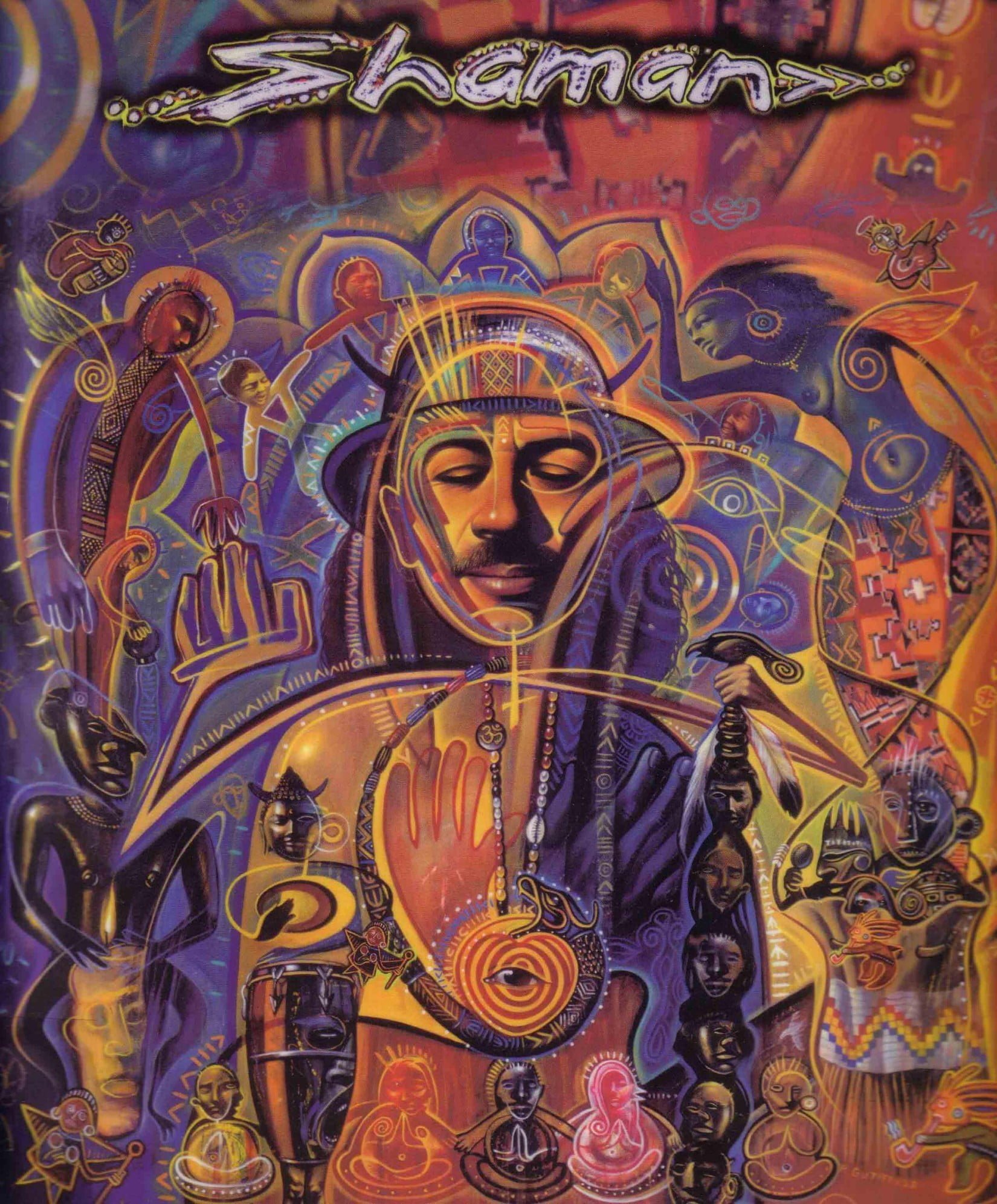
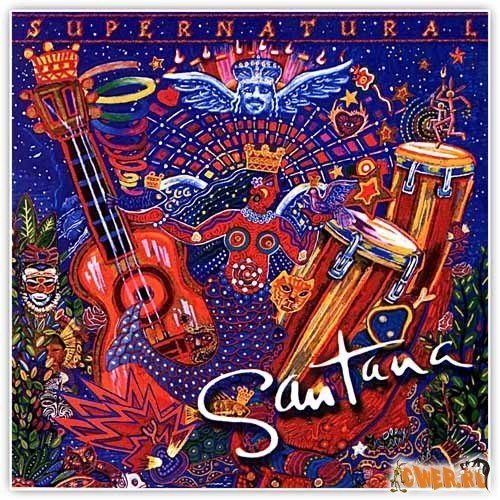
- Commercial Resurgence and Supernatural Triumph (1980-Present): The 1980s were a period of fluctuating fortunes. While albums like Zebop! (1981) and Shangó (1982) had hits ("Winning," "Hold On"), Santana struggled to regain his massive 70s prominence. A change in management and a renewed focus on songcraft and collaboration culminated in the monumental Supernatural (1999). Masterminded by Clive Davis, the album paired Santana with contemporary pop and rock stars like Rob Thomas ("Smooth"), Eric Clapton ("The Calling"), Lauryn Hill ("Do You Like the Way"), and Maná ("Corazón Espinado"). It was a cultural phenomenon, selling over 30 million copies worldwide, winning nine Grammy Awards (including Album of the Year and Record of the Year for "Smooth"), and reintroducing Santana to a massive new generation. He replicated the formula with varying success on subsequent albums like Shaman (2002) and All That I Am (2005). Throughout the 2000s and 2010s, he continued touring relentlessly (his residencies in Las Vegas became legendary), releasing albums reflecting his core fusion sound (Guitar Heaven, 2010; Corazón, 2014; Africa Speaks, 2019 with producer Rick Rubin), and receiving countless honors, including multiple Grammys and inductions into the Rock and Roll Hall of Fame (1998) and receiving Kennedy Center Honors (2013). His autobiography, The Universal Tone: Bringing My Story to Light, was published in 2014.
II. Music Style: The Santana Sound - A Global Fusion
Santana's sound is a breathtaking synthesis, instantly identifiable yet constantly evolving. Its core elements are:
- Latin Foundation: The bedrock is Afro-Cuban and Latin American rhythms. Timbales (played with jazz-like improvisation by Chepito Areas), congas (Carabello, later Raul Rekow, Karl Perazzo), bongos, and other hand percussion create complex, interlocking polyrhythms ("clave" patterns are fundamental). This is not mere ornamentation; it's the driving engine.
- Blues Soul & Rock Fire: Santana's guitar playing is deeply rooted in the blues – its bends, vibrato, and emotional intensity. He channels the raw power of rock guitar, often using sustain and controlled feedback for dramatic effect. Tracks like "Jingo" or early blues covers showcase this primal energy.
- Jazz Harmony & Improvisation: Moving beyond standard blues-rock progressions, Santana embraced the extended harmonies, modal structures, and sophisticated chord voicings of jazz, particularly Miles Davis and John Coltrane. His solos are journeys of melodic invention and harmonic exploration.
- Psychedelic Texture & Orchestration: The early San Francisco sound imbued his music with a psychedelic expansiveness. The use of Hammond B-3 organ (Gregg Rolie, later Tom Coster, Chester Thompson), often with swirling Leslie speakers, and Santana's own sustain-drenched guitar created thick, hypnotic textures. Arrangements often featured layered percussion, driving basslines, and call-and-response between instruments.
- Spiritual Dimension: Above all, Santana's music aims for transcendence. It's about creating a collective experience, a "musical prayer" that connects listeners to something larger than themselves. This intent infuses his playing with a yearning, soaring quality.
III. Improvisational Licks: The Language of Devadip
Santana's improvisational style is lyrical, vocal-like, and deeply melodic, prioritizing emotional expression over sheer technical speed. Key characteristics:
- The "Singing" Sustain: His most iconic sound. Using moderate to high gain, often through a Mesa/Boogie amplifier (which he helped develop), and favoring Gibson guitars (like his signature Paul Reed Smith or Yamaha SG models) with humbucking pickups, Santana coaxes incredibly long, singing notes. He manipulates feedback and uses volume swells to create ethereal, violin-like tones ("Samba Pa Ti," "Europa").
- Dorian Dominance: Santana frequently solos over modal vamps, particularly the Dorian mode (e.g., Dm7 to G7 in "Oye Como Va" - D Dorian). This minor mode with a raised 6th (B natural in D Dorian) gives his lines their characteristic bittersweet, slightly exotic flavor. He masterfully navigates the Dorian scale, emphasizing characteristic notes like the 9th, 4th, and that crucial major 6th.
- Pentatonic Foundation with Chromatic Color: While deeply versed in scales, his core vocabulary often stems from the minor pentatonic scale. However, he liberally sprinkles in chromatic passing tones, especially the b5 (blue note) and the natural 6th (from Dorian), to add tension, bluesy grit, and sophistication. He connects scale positions fluidly.
- Melodic Phrasing & Repetition: His solos are built on strong, memorable melodic motifs. He often repeats and subtly develops a short phrase, building intensity before resolving or leaping to a new idea. This creates a narrative arc within the solo.
- Bending & Vibrato: His bends are wide, expressive, and perfectly controlled, often scooping into notes or adding microtonal blues inflections. His vibrato is wide and slow, contributing immensely to the vocal, crying quality of his tone.
- Call-and-Response: He frequently engages in call-and-response dialogues with the percussion section, the organ, or even within his own solo, creating dynamic interplay.
- Taste & Space: Even at his most fiery, Santana understands the power of space. He lets notes ring out, uses rests effectively, and builds solos dynamically rather than relying on constant flurries of notes.
IV. Chord Progressions and Harmony: Beyond Blues Boxes
Santana's harmonic language evolved significantly:
- Early Latin-Rock Vamps: The foundation is often simple, repetitive modal vamps centered on one or two chords, allowing the rhythm and soloists to shine. Examples:
- "Oye Como Va" (Tito Puente): | Am7 | D7 | (A Dorian vamp)
- "Evil Ways": Primarily | Cm7 | F7 | (C Dorian vamp)
- "Black Magic Woman": | Dm7 | G7 | (D Dorian vamp) moving to other sections.
- Montuno Influence: Piano or organ parts often play authentic Cuban montunos – syncopated, two or three-chord rhythmic patterns derived from son music – providing harmonic and rhythmic drive ("Oye Como Va," "Guajira").
- Jazz Fusion Complexity (70s): Albums like Caravanserai and Welcome featured:
- Extended Chord Voicings: 9ths, 11ths, 13ths, sus chords.
- Modal Interchange: Borrowing chords from parallel keys (e.g., using a major IV chord in a minor key).
- Non-Functional Harmony: Progressions less focused on traditional tension/release (V-I) and more on color, mood, and creating a harmonic bed for improvisation.
- Polychords: Stacking different chords together.
- Later Evolution: While returning to more accessible structures post-fusion era, sophisticated jazz harmony remained a core element woven into the fabric, even in pop collaborations. His ballads ("Europa," "Samba Pa Ti") often use lush, extended chords and sophisticated voice leading.
V. Influences: The Tapestry of Sound
Santana's genius lies in synthesis. Key influences include:
- Blues Guitarists: B.B. King (vibrato, phrasing), John Lee Hooker (primal rhythm, drone), T-Bone Walker (single-note lines, showmanship), Mike Bloomfield (psychedelic blues intensity), Peter Green (tone, feel, composition).
- Latin Music Legends: Tito Puente ("Oye Como Va"), Mongo Santamaría, Ray Barretto, Willie Bobo (percussion, rhythm, montunos), Gábor Szabó ("Gypsy Queen").
- Jazz Giants: Miles Davis (Bitches Brew's fusion concept, modal approach), John Coltrane (spiritual intensity, modal exploration, "sheets of sound"), Gabor Szabo (melodic fusion, tone), Wes Montgomery (octaves, feel).
- Rock & Psychedelic: Jimi Hendrix (sonic innovation, feedback, showmanship), Eric Clapton (blues foundation, phrasing with Cream), Grateful Dead (improvisational ethos, San Francisco scene).
- African Rhythms: The foundational polyrhythms underpinning Latin music trace back to West Africa, a core element Santana embraced and amplified.
- Spiritual Figures: Sri Chinmoy (spiritual discipline, concept of music as prayer).
VI. Legacy: The Universal Vibration
Santana's legacy is vast and multifaceted:
- Latin Rock Pioneer: He is the undisputed godfather of Latin Rock, proving its massive commercial viability and artistic depth, opening doors for countless artists.
- Global Fusion Architect: He demonstrated the power and beauty of blending diverse musical traditions long before "world music" was a genre tag, creating a truly universal sound.
- Guitar Icon: His instantly recognizable tone and melodic, singing style have influenced generations of guitarists across rock, blues, jazz, and Latin music. He redefined the expressive potential of sustain.
- Cross-Generational Appeal: From Woodstock to Supernatural, he has connected with audiences across five decades, constantly finding new relevance.
- Spiritual Messenger: He consistently used his platform to promote messages of unity, peace, love, and spiritual consciousness, both through his music and his words.
- Cultural Bridge: As a Mexican-American artist achieving global superstardom, he broke down cultural barriers and became a powerful symbol of Latino pride and achievement.
VII. Works: Beyond the Albums
- Autobiography: The Universal Tone: Bringing My Story to Light (2014) - A candid and insightful account of his life and spiritual journey.
- Philanthropy: Co-founder of the Milagro Foundation, supporting underserved children in areas of health, education, and the arts.
- Las Vegas Residencies: Long-running, critically acclaimed residencies (e.g., An Intimate Evening with Santana: Greatest Hits Live at House of Blues, Supernatural Santana at Mandalay Bay) showcasing his enduring power.
VIII. Filmography: Sight and Sound
- Woodstock (1970): The legendary performance that launched him globally.
- Santana Live at Montreux 2004 (2004): Captures a powerful later-career performance.
- Carlos Santana: In Search of Mona Lisa (2019): A short film/EP project.
- Countless Concert DVDs/Blu-rays: Documenting tours and residencies.
- Appearances: Documentaries about music (e.g., The History of Rock 'n' Roll, Anthem to Beauty), talk shows, awards ceremonies.
- Music Videos: Numerous, especially from the Supernatural era ("Smooth," "Maria Maria," "The Game of Love").
IX. Discography: A Sonic Journey (Selective Highlights)
- Santana (1969)
- Abraxas (1970)
- Santana III (1971)
- Caravanserai (1972)
- Welcome (1973)
- Love Devotion Surrender (with John McLaughlin) (1973)
- Borboletta (1974)
- Amigos (1976)
- Festival (1977)
- Moonflower (Live/Studio) (1977)
- Inner Secrets (1978)
- Marathon (1979)
- Zebop! (1981)
- Shangó (1982)
- Beyond Appearances (1985)
- Freedom (1987)
- Spirits Dancing in the Flesh (1990)
- Milagro (1992)
- Supernatural (1999)
- Shaman (2002)
- All That I Am (2005)
- Guitar Heaven: The Greatest Guitar Classics of All Time (2010)
- Shape Shifter (2012)
- Corazón (2014)
- Santana IV (Reunion with 1971 lineup) (2016)
- Africa Speaks (2019)
- Blessings and Miracles (2021)
X. Most Known Compositions and Performances
- Compositions/Definitive Recordings:
- "Soul Sacrifice" (Live at Woodstock - the performance)
- "Evil Ways" (Breakthrough hit)
- "Black Magic Woman / Gypsy Queen" (Signature fusion, definitive cover/original blend)
- "Oye Como Va" (Quintessential Latin Rock anthem, Tito Puente cover)
- "Samba Pa Ti" (Iconic instrumental ballad)
- "Europa (Earth's Cry Heaven's Smile)" (Later-era instrumental classic)
- "She's Not There" (Zombies cover hit)
- "Winning" (80s comeback hit)
- "Smooth" (ft. Rob Thomas - Global phenomenon)
- "Maria Maria" (ft. The Product G&B - Massive hit)
- "The Game of Love" (ft. Michelle Branch - Grammy winner)
- "Corazón Espinado" (ft. Maná - Latin hit)
- Landmark Performances:
- Woodstock 1969: The career-defining moment.
- Fillmore West Residencies (Late 60s/Early 70s): Forging the sound.
- Lotus Festival Concert (1974): Documented on parts of Borboletta and bootlegs, peak fusion era intensity.
- Montreux Jazz Festival (Various Years): Consistent high-quality performances showcasing evolution.
- Live Aid (1985): Global audience.
- Supernatural Tour (1999-2000): Massive global success.
- Grammy Awards Performances (Especially 2000): Cementing the Supernatural triumph.
- Las Vegas Residencies (2000s-Present): Sustained excellence and showmanship.
The Light That Never Fades
Carlos Santana's journey is a testament to the power of music as a unifying, spiritual force. From the cantinas of Tijuana to the stage at Woodstock and beyond, he has channeled a unique vision, blending the rhythmic fire of Latin America, the soulful cry of the blues, the sophisticated language of jazz, and the raw energy of rock into a sound that is unmistakably his own. His guitar sings, cries, and soars with a tone that touches the soul. More than just a virtuoso, he is a shaman of sound, using his instrument to preach a gospel of love, unity, and transcendence. His legacy is not merely in the millions of records sold or the awards won, but in the countless hearts stirred, the cultural barriers dissolved, and the enduring power of his "Universal Tone" that continues to resonate across the globe. He is Carlos Santana – a true maestro whose light shows no sign of fading.
Santana discography
Browse in the Sheet Music Library:
Or browse in the categories menus & download the Library Catalog PDF: