Table of Contents
Scores for all instruments: 16,000+ (active and growing), over 236,000 pages.
All genres and levels: Jazz & Blues, Rock & Pop, Classical & Contemporary, Film & Musicals;
books & biographies; methods, études, play-along tracks (MP3) for Jazz & Rock.
Access & benefits: US$15.99 one-time payment, valid for lifetime, full Library access.
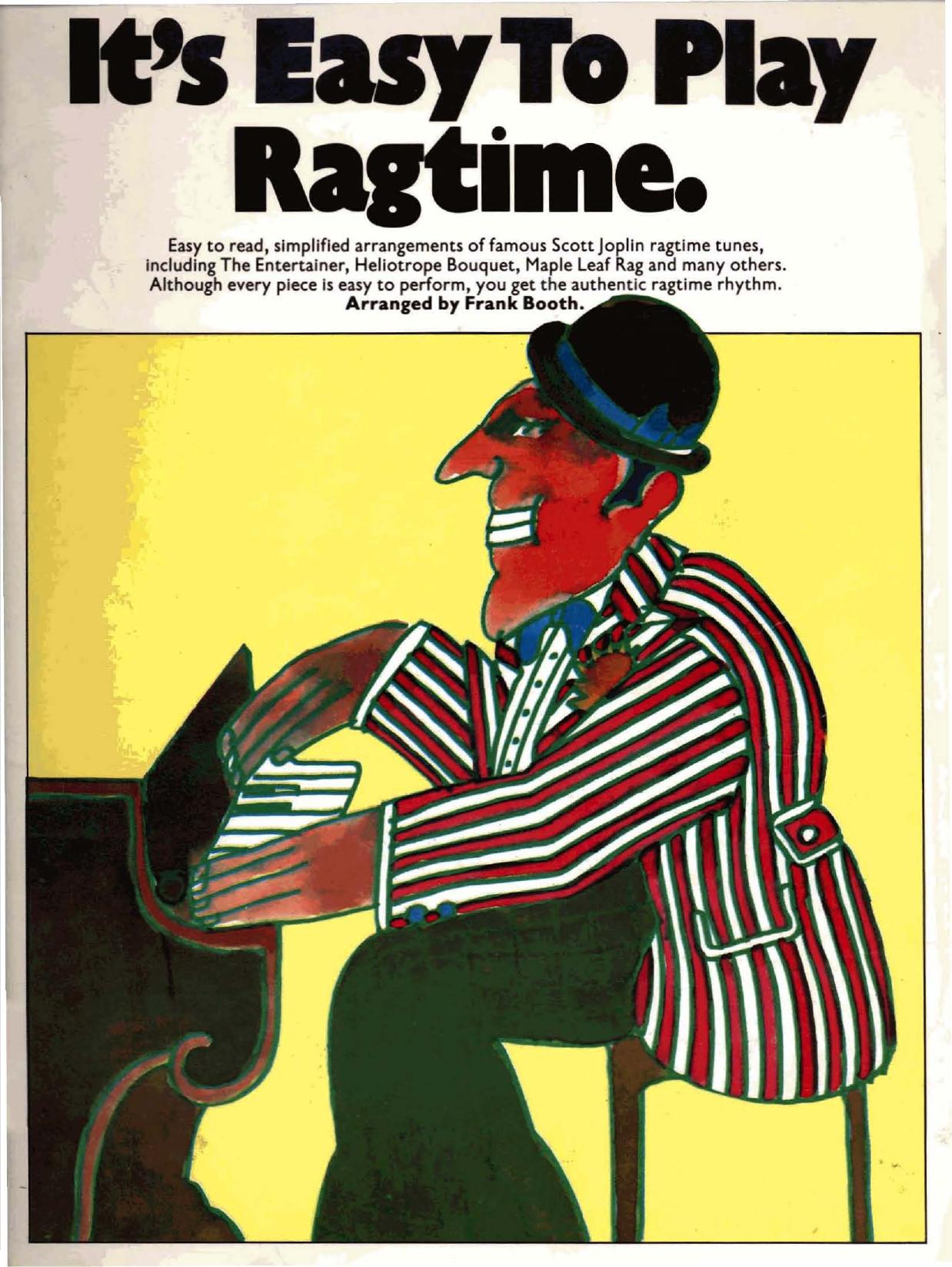
The Entertainer by Scott Joplin sheet music, Noten, partitura, spartiti, partition, 楽譜
The best sheet music download from our Library.
Search your favorite sheet music in the Sheet Music Library Catalog
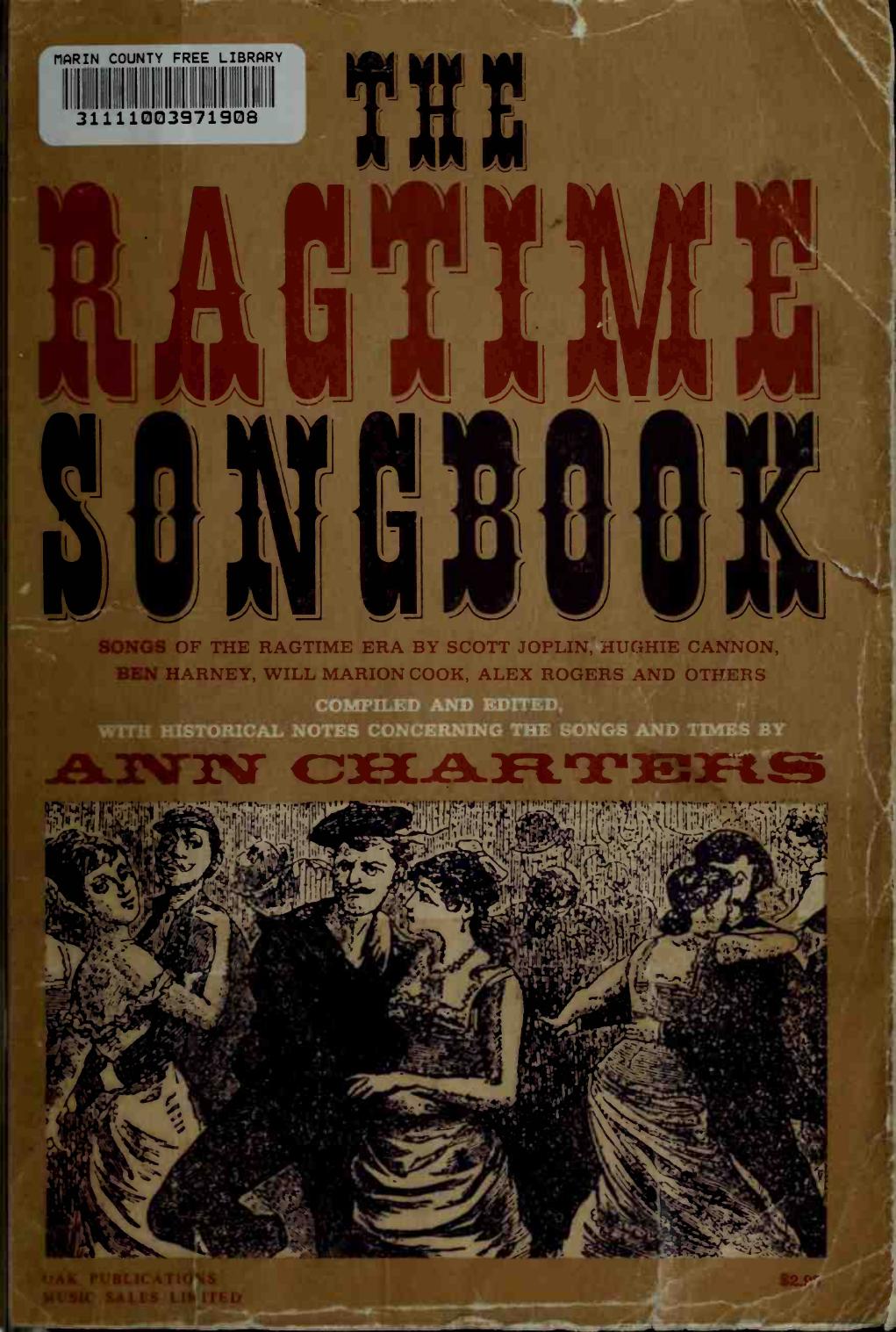
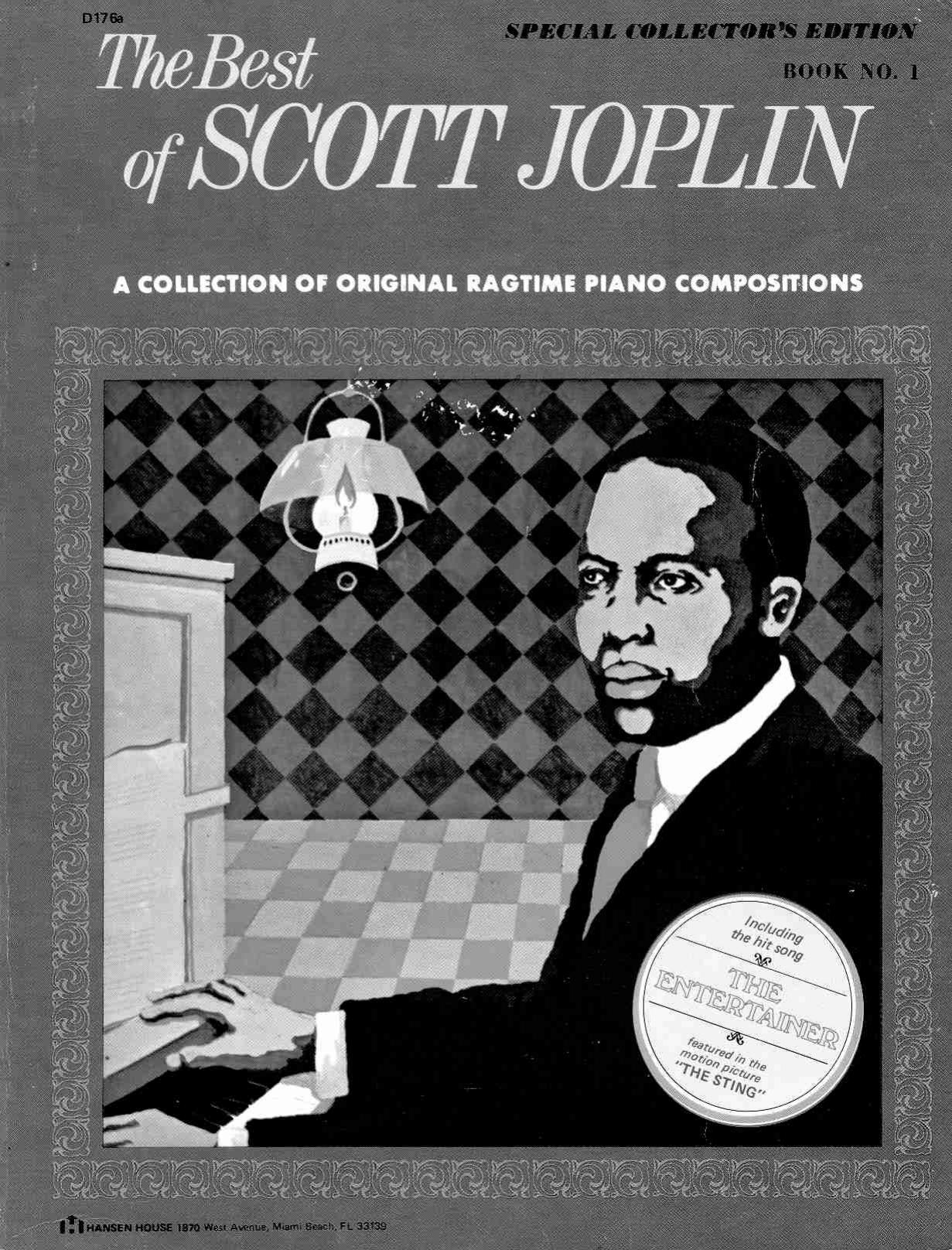
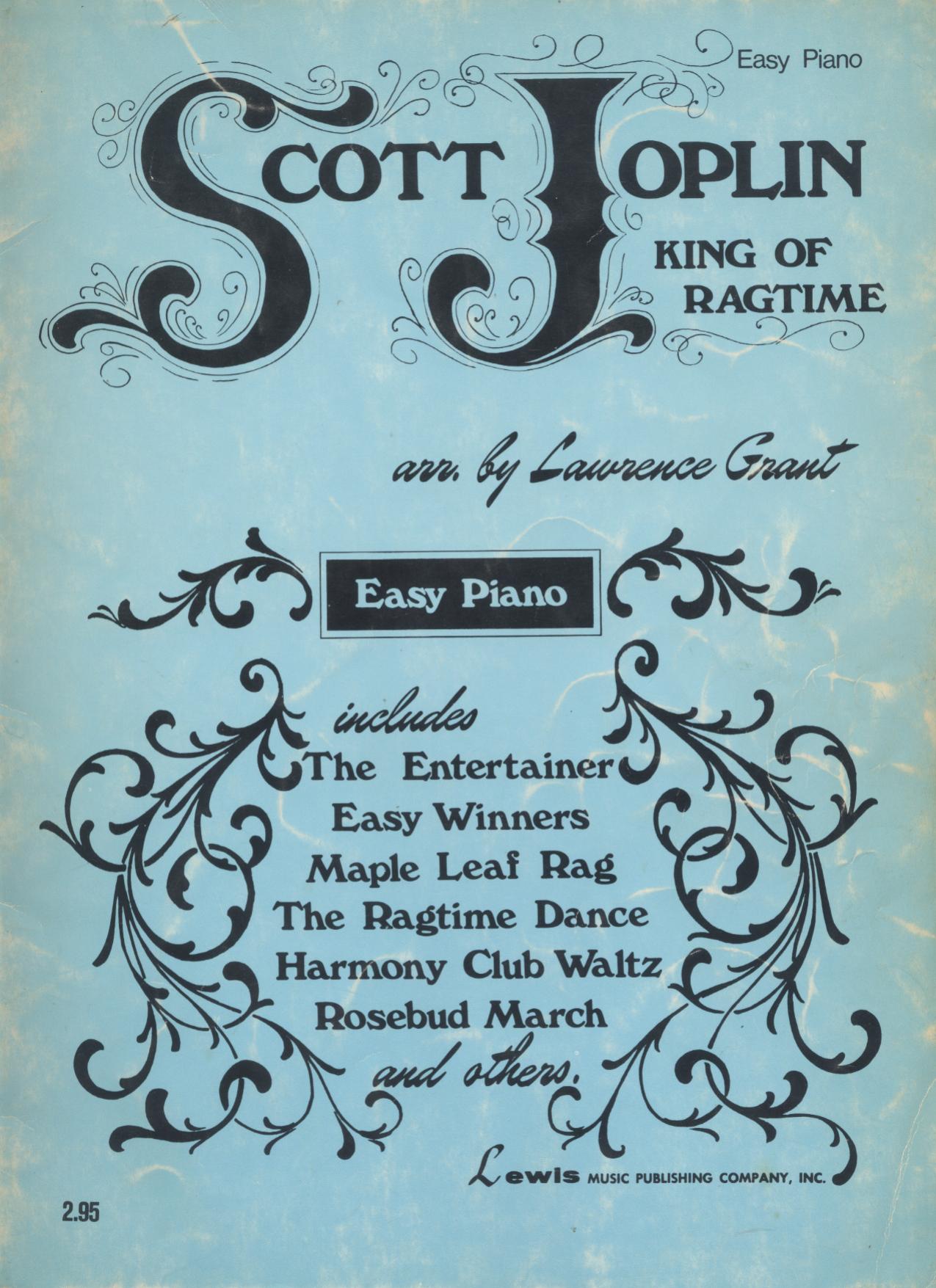
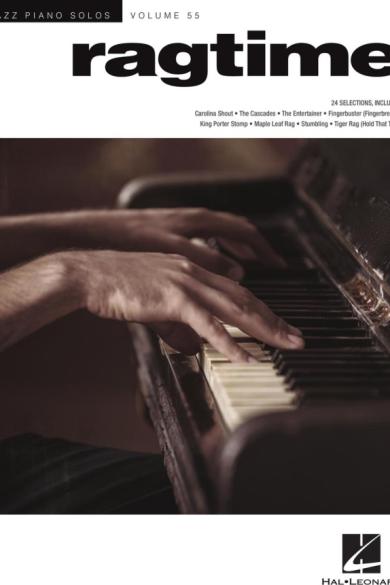
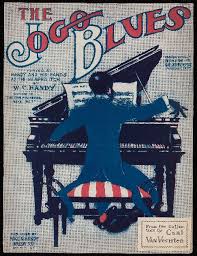
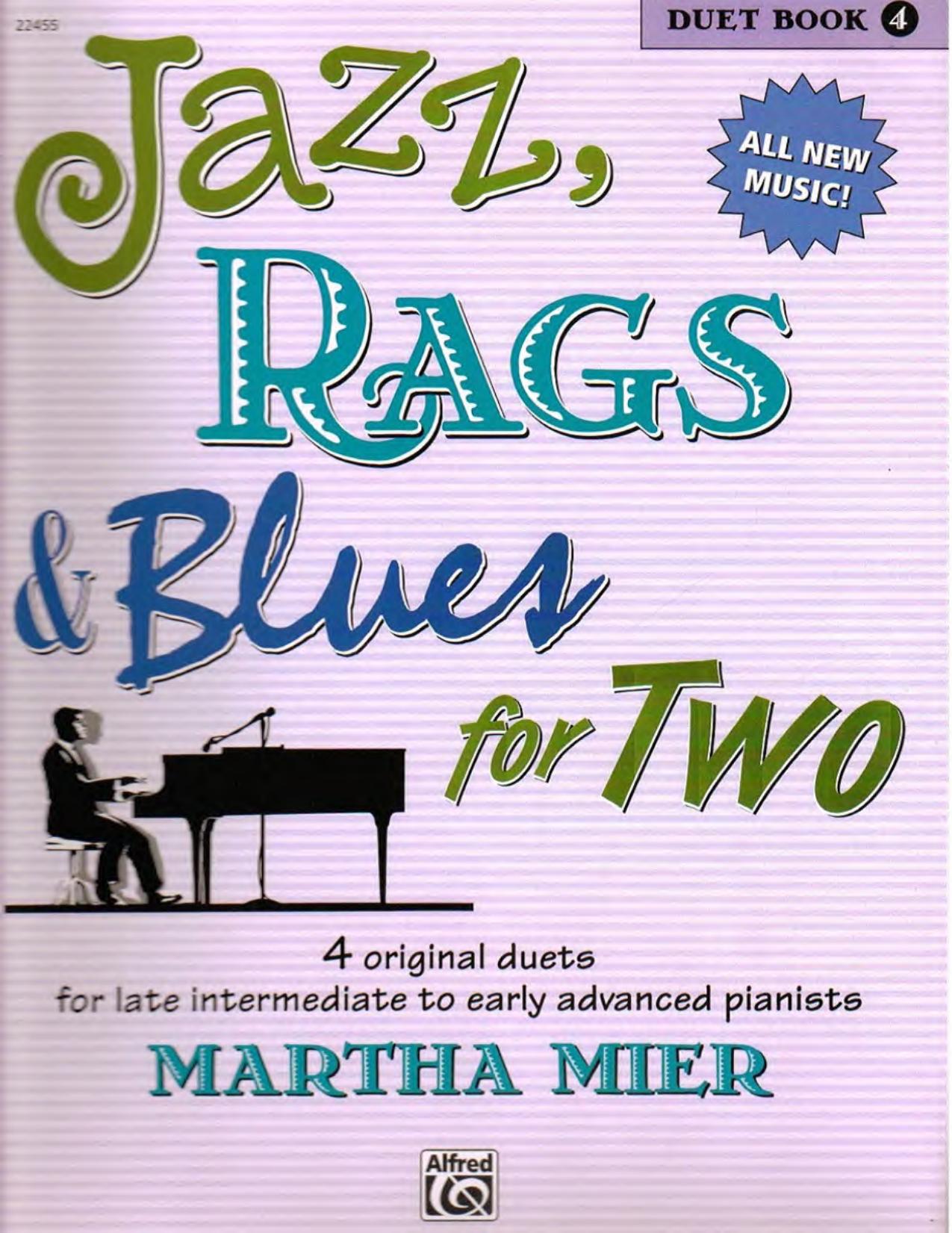
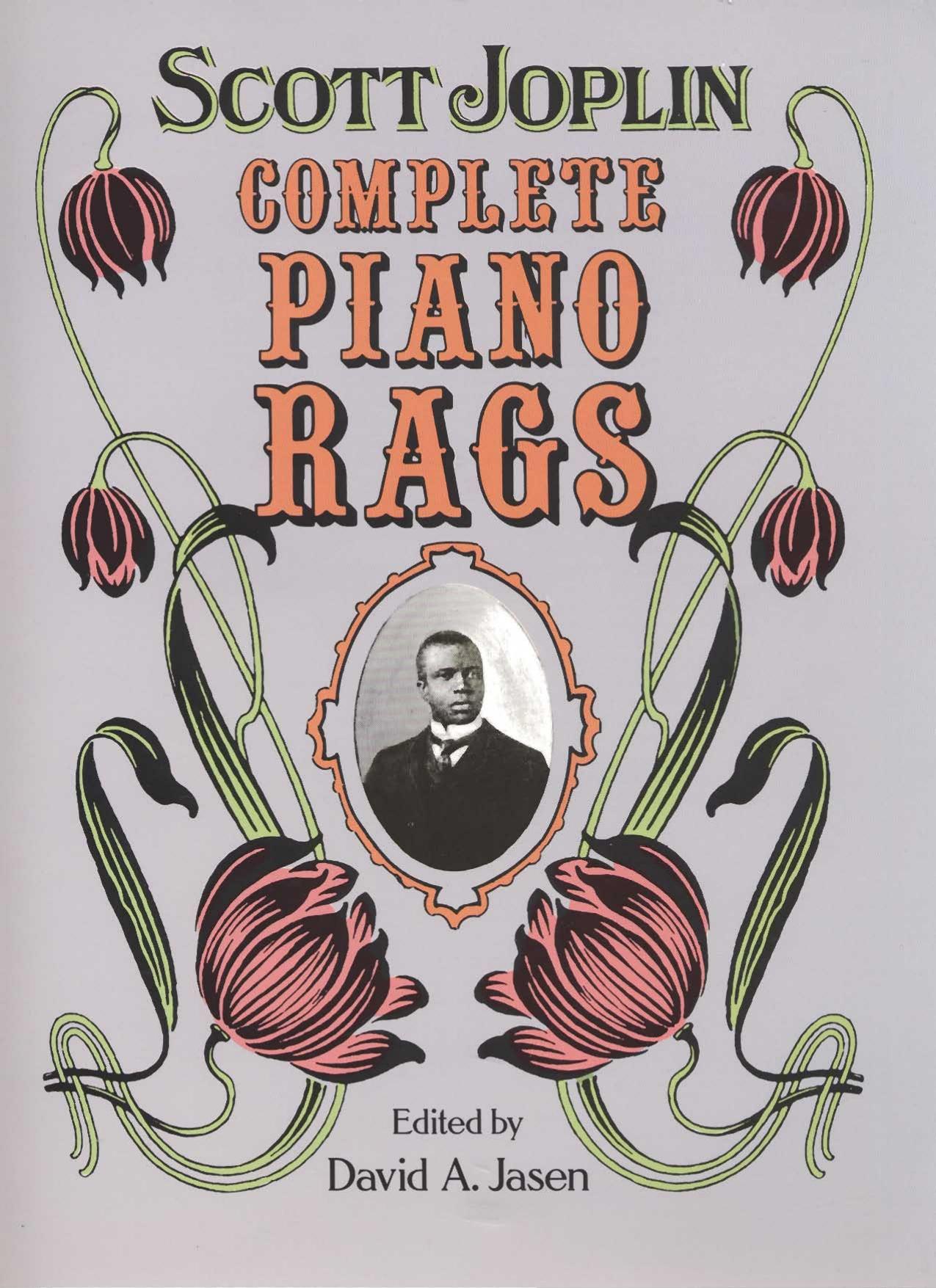
Please, subscribe to our Sheet Music Library. Sheet music should be accessible and affordable for all musicians, from professionals to absolute beginners.
Who was Scott Joplin?
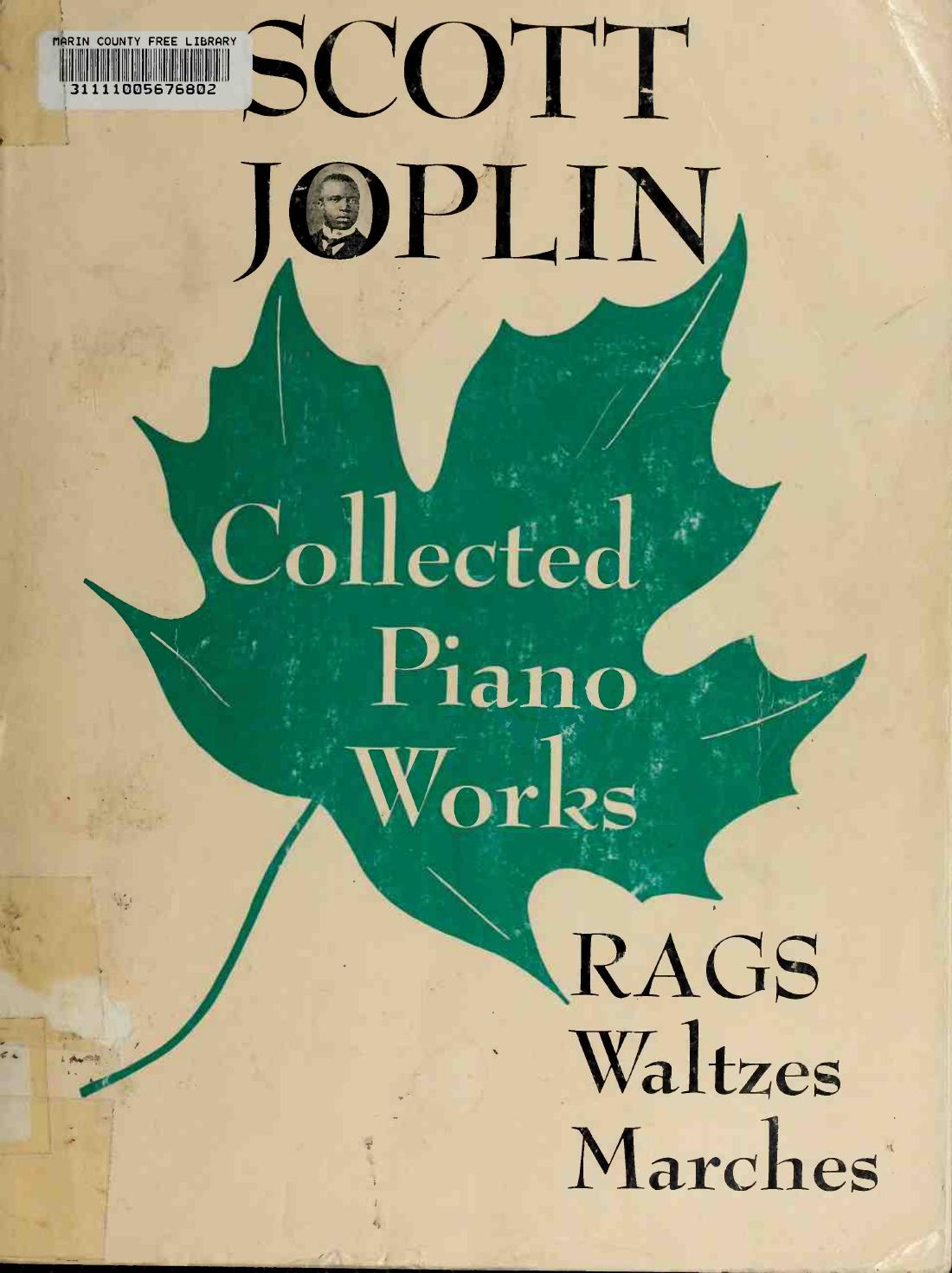
Scott Joplin (November 24, 1868 – April 1, 1917) was an American composer and pianist. Dubbed the "King of Ragtime", he composed more than 40 ragtime pieces, one ragtime ballet (original version of "The Ragtime Dance", 1899/1902), and two operas. One of his first and most popular pieces, the "Maple Leaf Rag", became the genre's first and most influential hit, later being recognized as the quintessential rag. Joplin considered ragtime to be a form of classical music meant to be played in concert halls and largely disdained the performance of ragtime as honky-tonk music most common in saloons.
Joplin grew up in a musical family of railway laborers in Texarkana, Texas. During the late 1880s, he traveled the American South as a musician. He went to Chicago for the World's Fair of 1893, which helped make ragtime a national craze by 1897. Joplin moved to Sedalia, Missouri, in 1894 and worked as a piano teacher. He began publishing music in 1895, and his "Maple Leaf Rag" in 1899 brought him fame and a steady income. In 1901, Joplin moved to St. Louis and two years later scored his first opera, A Guest of Honor. It was confiscated—along with his belongings—for non-payment of bills and is now considered lost. In 1907, Joplin moved to New York City to (unsuccessfully) find a producer for a new opera. In 1916, Joplin descended into dementia from neurosyphilis. His 1917 death marks the end of the "Ragtime era".
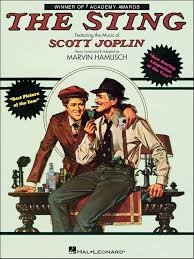
Joplin's music was rediscovered and returned to popularity in the early 1970s with the release of a million-selling album, Scott Joplin: Piano Rags, recorded by Joshua Rifkin. This was followed by the Academy Award–winning 1973 film The Sting, which features several of Joplin's compositions. Treemonisha, his second opera, was produced in 1972, and, in 1976, Joplin was posthumously awarded a Pulitzer Prize.
Scott Joplin's works
The combination of classical music; the musical atmosphere present around Texarkana (including work songs, gospel hymns, spirituals, and dance music), and Joplin's natural ability have been cited as contributing to the invention of ragtime, a new style that blended African-American musical styles with European forms and melodies and first became celebrated in the 1890s .
When Joplin was learning the piano, serious musical circles condemned ragtime because of its association with the vulgar and inane songs "cranked out by the tune-smiths of Tin Pan Alley". As a composer, Joplin refined ragtime, elevating it above the low and unrefined form played by the "wandering honky-tonk pianists ... playing mere dance music" of popular imagination. This new art form, the classic rag, combined Afro-American folk music's syncopation and 19th-century European romanticism, with its harmonic schemes and its march-like tempos. In the words of one critic: "Ragtime was basically...an Afro-American version of the polka, or its analog, the Sousa-style march." With this as a foundation, Joplin intended his compositions to be played exactly as he wrote them—without improvisation. Joplin wrote his rags as "classical" music in miniature form to raise ragtime above its "cheap bordello" origins and produced work that opera historian Elise Kirk described as "more tuneful, contrapuntal, infectious, and harmonically colorful than any others of his era".
Some speculate that Joplin's achievements were influenced by his classically trained German music teacher Julius Weiss, who may have brought a polka rhythmic sensibility from the old country to the 11-year-old Joplin. As Curtis put it, "The educated German could open up the door to a world of learning and music of which young Joplin was largely unaware."
Joplin's first and most significant hit, the "Maple Leaf Rag", was described as the archetype of the classic rag and influenced subsequent rag composers for at least 12 years after its initial publication, thanks to its rhythmic patterns, melody lines, and harmony, though except for Joseph Lamb and James Scott, they generally failed to enlarge upon it. Joplin used the Maple Leaf Rag as inspiration for subsequent works, such as The Cascades in 1903, Leola in 1905, Gladiolus Rag in 1907, and Sugar Cane Rag in 1908. While he used similar harmonic and melodic patterns, the later compositions were not simple copies but were distinctly new works, which used dissonance, chromatic sections, and the blues third.
Browse in the Sheet Music Library:
Or browse in the categories menus & download the Library Catalog PDF: