
Scores for all instruments: 16,000+ (active and growing), over 236,000 pages.
All genres and levels: Jazz & Blues, Rock & Pop, Classical & Contemporary, Film & Musicals;
books & biographies; methods, études, play-along tracks (MP3) for Jazz & Rock.
Access & benefits: US$15.99 one-time payment, valid for lifetime, full Library access.
Table of Contents
Happy birthday, Sting (born on this day in 1951)
Search your favorite sheet music in the Sheet Music Library Catalog
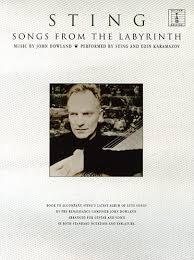
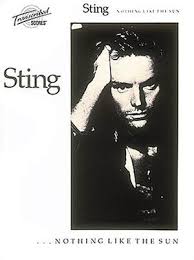
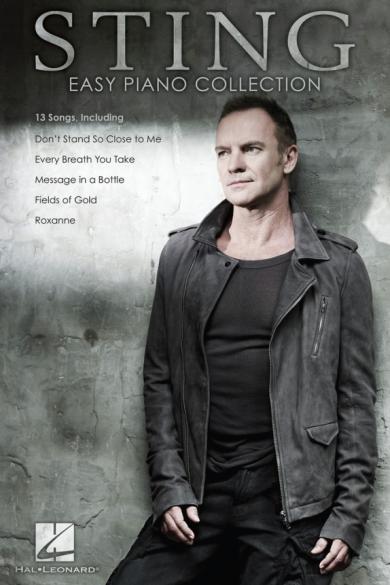
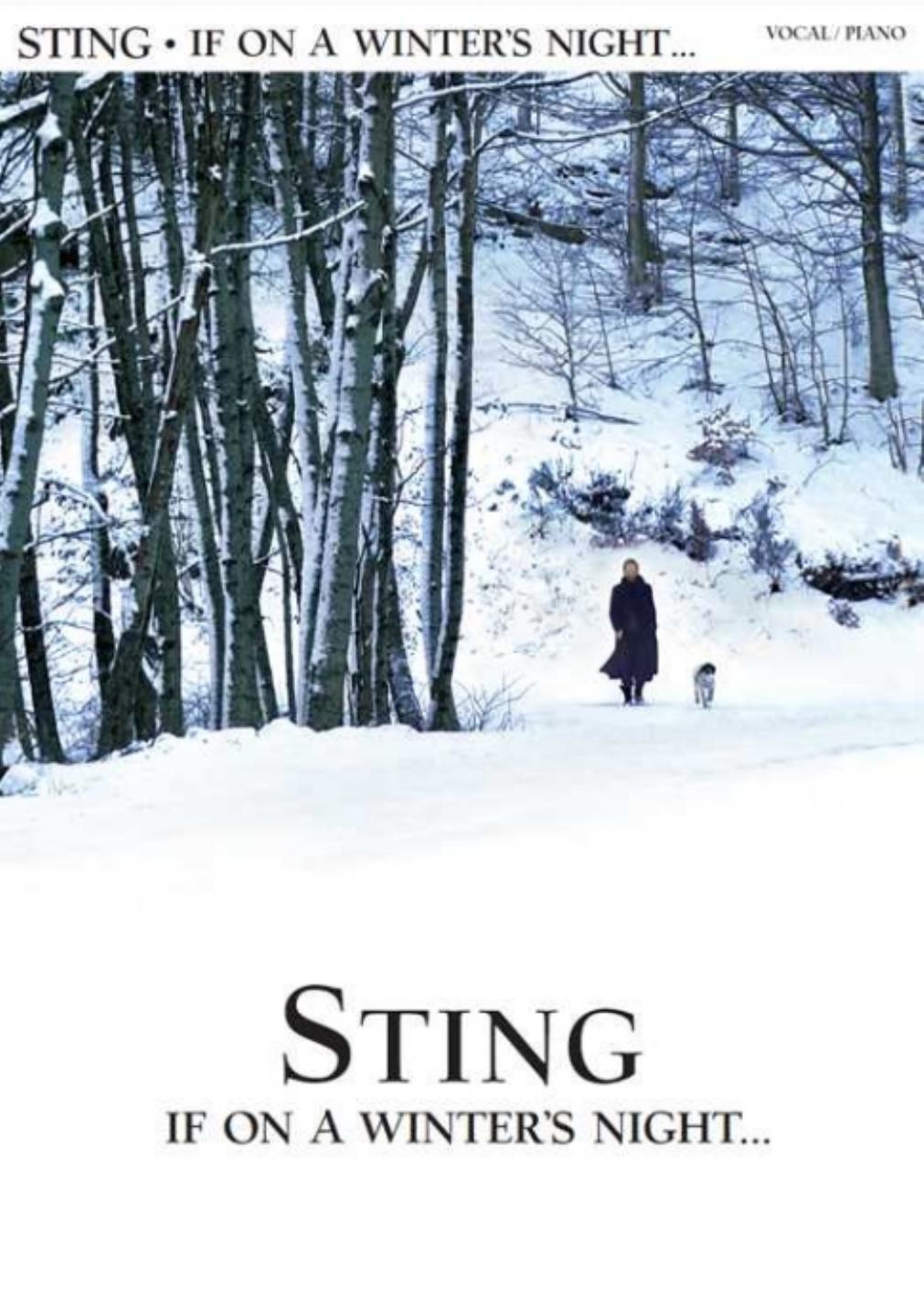
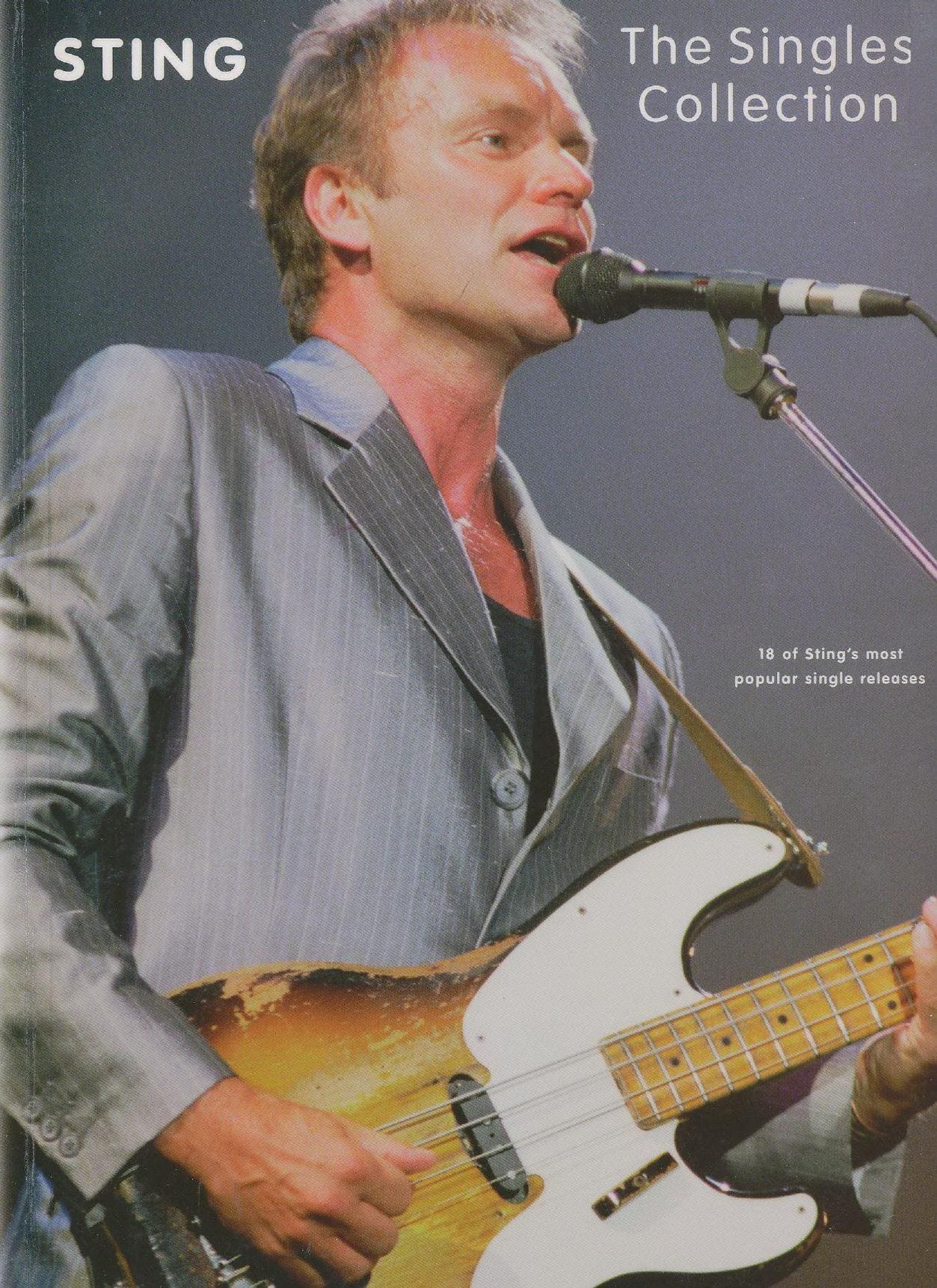
Sting: The Complete Biography, Musical Style, Technique, Greatest Works, Collaborations, Film Music, Influences, and Legacy
Born Gordon Matthew Thomas Sumner on October 2, 1951, in Wallsend, Northumberland, England, Sting first rose to global fame as the lead singer, bassist, and principal songwriter of The Police, one of the most influential bands of the late 1970s and early 1980s. After leaving the band, he built an equally remarkable solo career that incorporated elements of jazz, classical music, world music, pop, rock, and folk traditions.
Over more than five decades, Sting has sold over one hundred million records as both a member of The Police and a solo artist, received numerous Grammy Awards, earned Academy Award nominations, and established himself as one of the most respected songwriters of his generation.
His music is characterized by sophisticated harmonic language, literary lyrics, memorable melodies, rhythmic experimentation, and a rare ability to unite popular accessibility with musical intelligence. Songs such as Roxanne, Every Breath You Take, Message in a Bottle, Englishman in New York, Fragile, Fields of Gold, Desert Rose, and Shape of My Heart have become modern classics.
Search your favorite sheet music in the Sheet Music Library Catalog
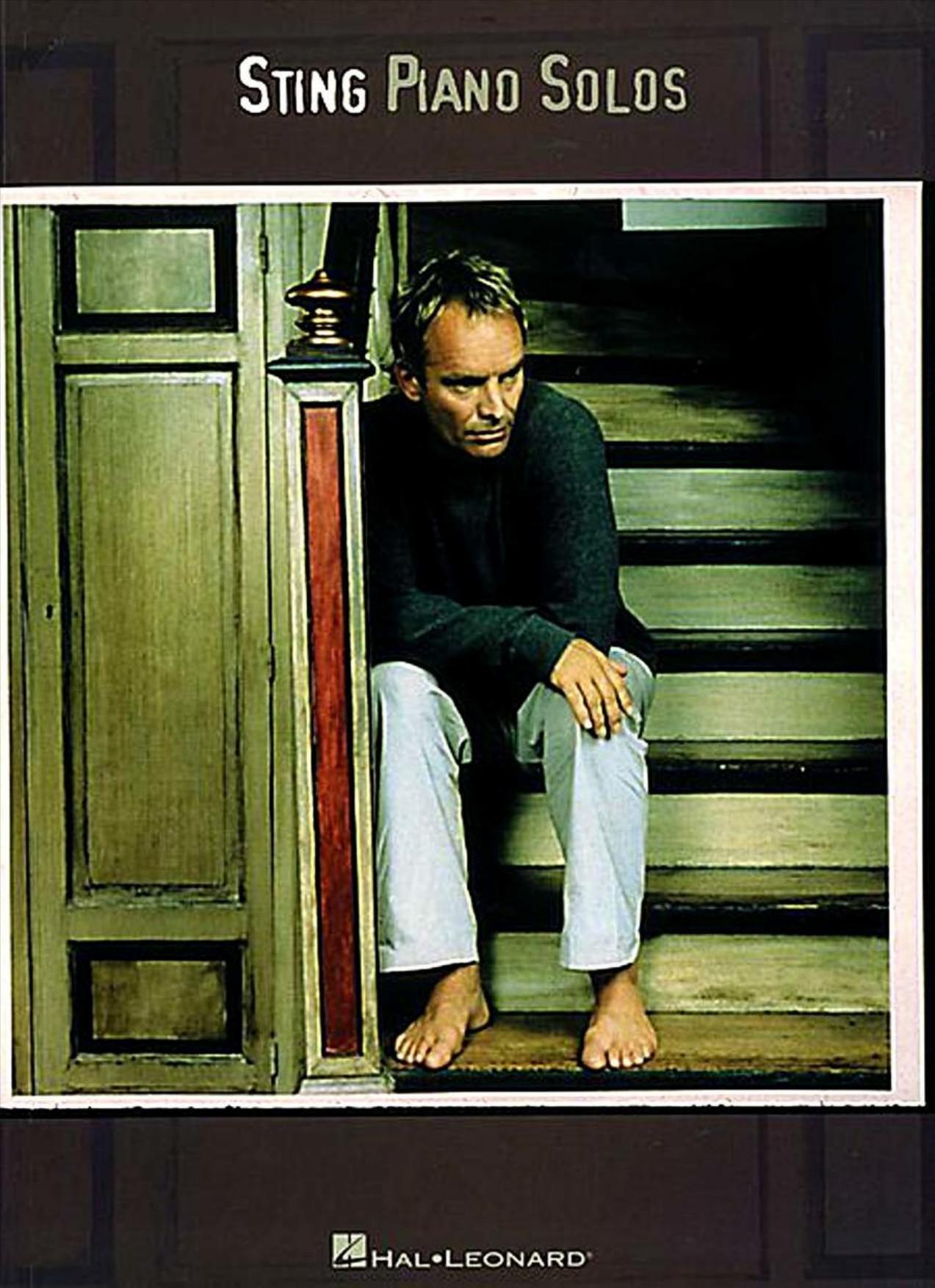
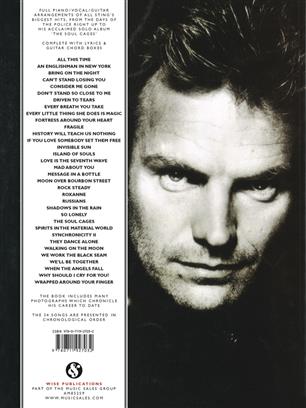
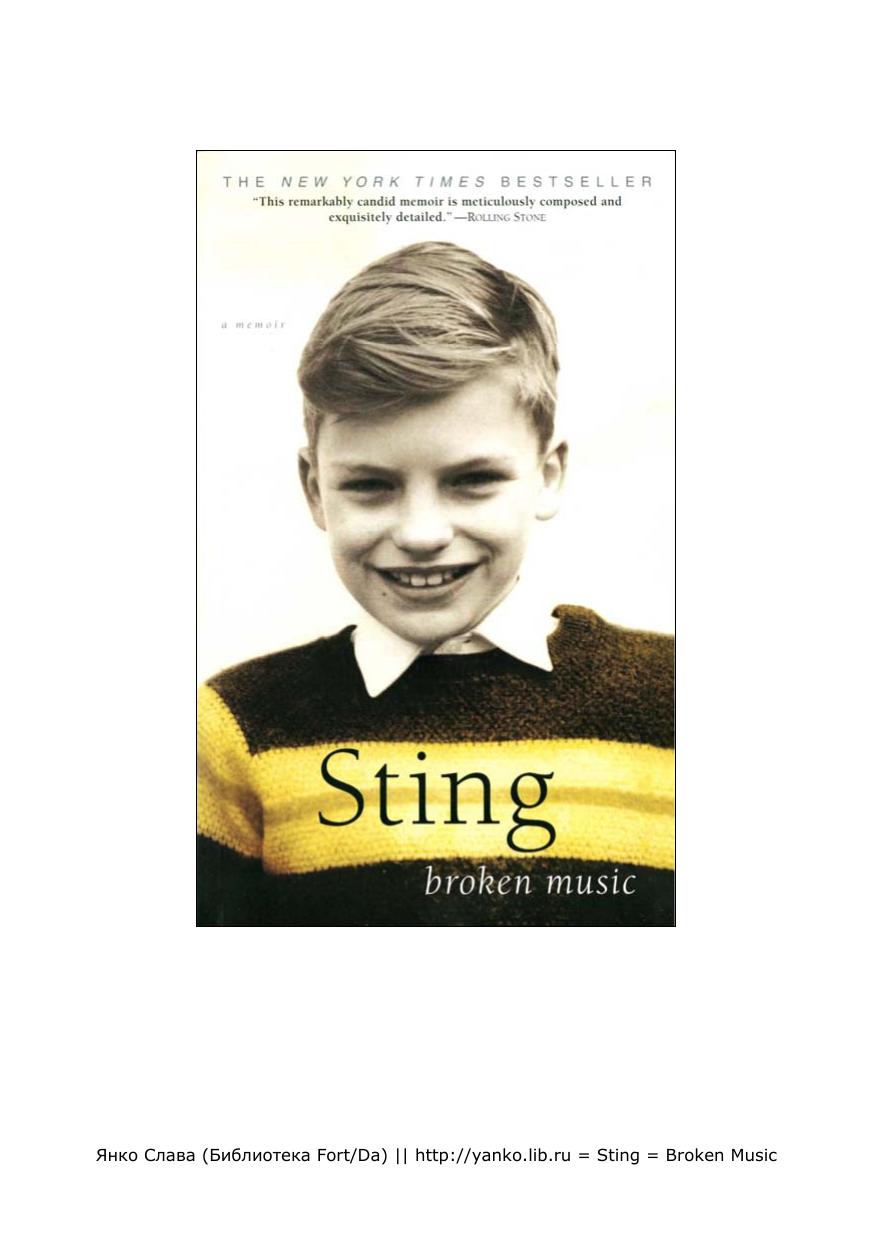
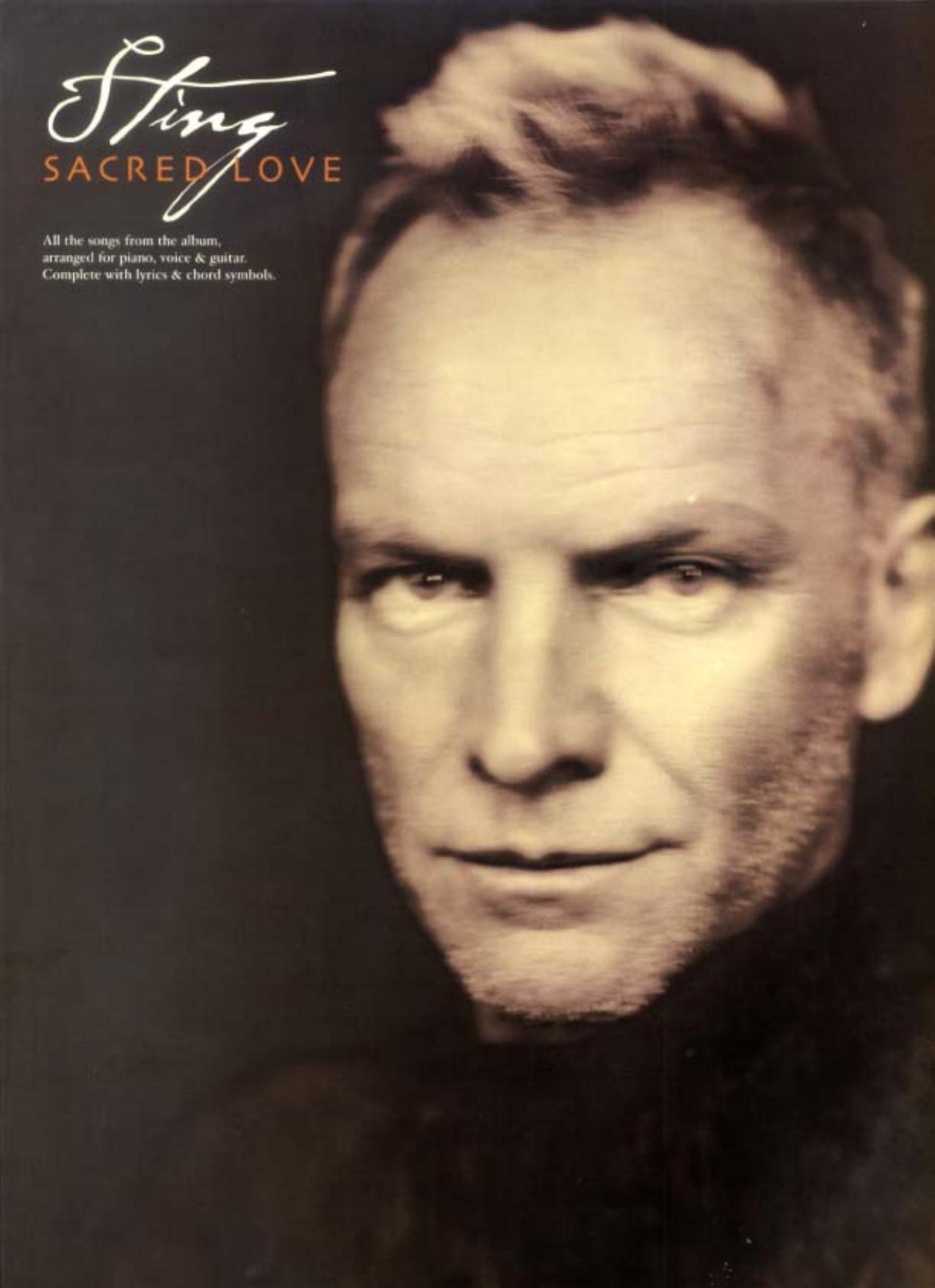


Please, subscribe to our Sheet Music Library.
Early Life and Childhood
Sting was born in the industrial town of Wallsend, near Newcastle upon Tyne, in northeastern England. He was the eldest of four children. His father, Ernest Sumner, worked as a milkman and had previously been employed in engineering, while his mother Audrey worked as a hairdresser.
Growing up near the shipyards of the River Tyne had a profound impact on his imagination. The massive ships, industrial landscape, and working-class environment would later reappear in his songwriting, especially in the musical The Last Ship.
As a child, Sting became fascinated with music. One defining moment occurred when he acquired an old Spanish guitar. By the age of ten, he was already deeply engaged with the instrument and learning music largely through listening and imitation.
Unlike many future rock stars of his generation who were primarily inspired by rock and roll, Sting developed a broad range of musical interests. He admired The Beatles, but also became fascinated by jazz musicians such as John Coltrane and Thelonious Monk. These influences would later distinguish him from many of his contemporaries.
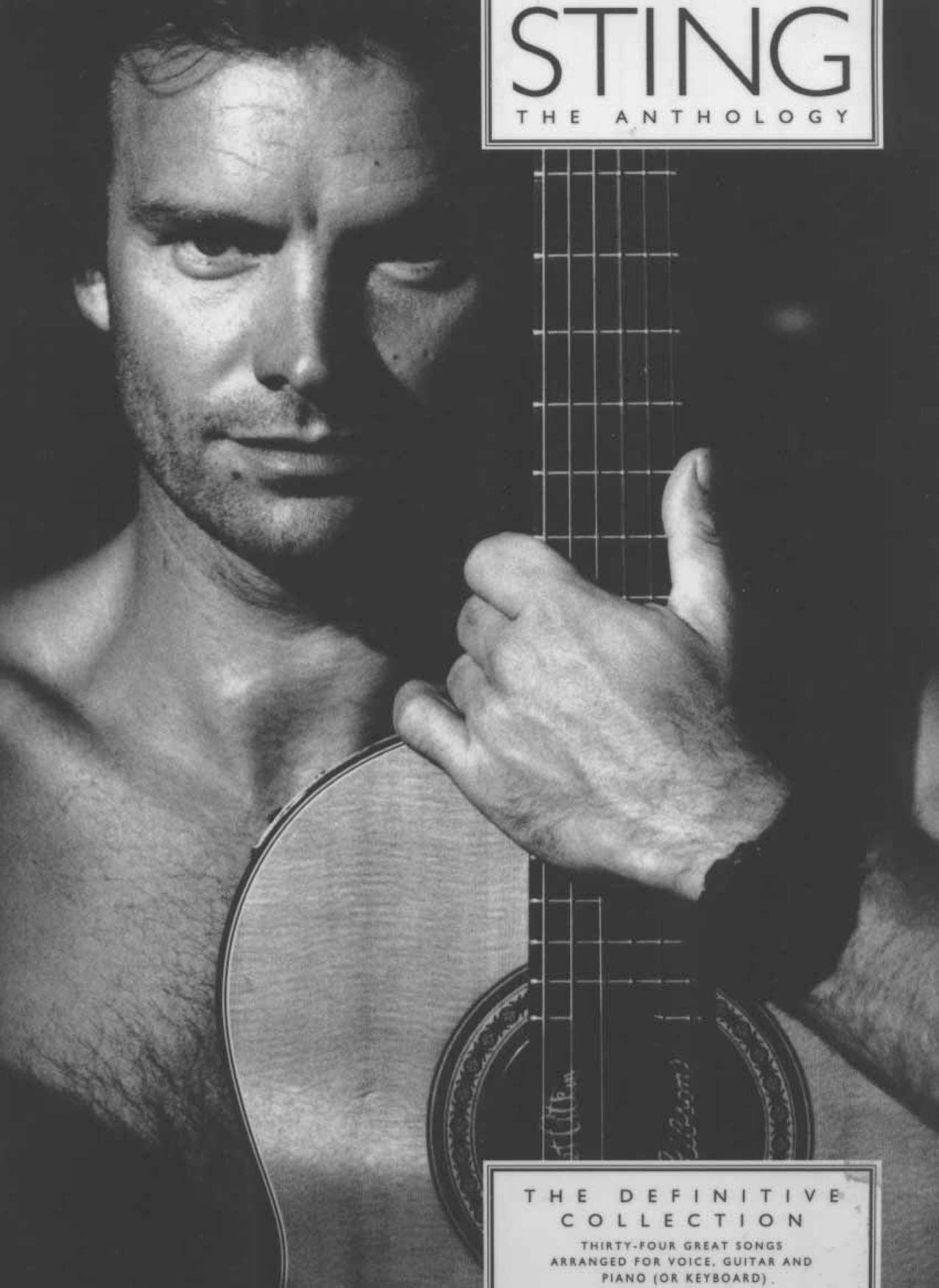
Education and Early Employment
Before becoming a professional musician, Sting led a remarkably ordinary life.
After leaving school, he briefly attended the University of Warwick, though he did not complete his studies there. He worked various jobs including:
Bus conductor
Construction laborer
Tax office employee
Eventually, he enrolled at a teacher-training college and qualified as a schoolteacher. For approximately two years, he taught at St. Paul's First School in Cramlington.
Music remained a constant part of his life during this period. Even while teaching, he spent evenings and weekends performing with local jazz bands.
The Origin of the Name "Sting"
The famous nickname came during his years performing with the Phoenix Jazzmen.
According to the widely accepted story, Sting frequently wore a black-and-yellow striped sweater. A fellow musician thought he resembled a wasp or bee and began calling him "Sting." The name stuck, eventually becoming so integrated into his identity that even family and friends adopted it.
Before The Police
Before international fame, Sting played with several local ensembles, including:
Newcastle Big Band
Phoenix Jazzmen
Earthrise
Last Exit
Among these groups, Last Exit was particularly important. The band played jazz-rock fusion and provided Sting with his first serious opportunities as a songwriter.
However, by the mid-1970s the music industry was changing rapidly. Punk rock was emerging in Britain, and jazz-fusion was becoming commercially less viable. Sting understood that a new direction was necessary.
The Formation of The Police
A crucial turning point occurred when drummer Stewart Copeland saw Sting performing with Last Exit.
Although Copeland was not especially impressed by the band's music, he immediately recognized Sting's charisma and talent. Soon they began working together in London.
The original lineup of The Police included:
Sting (bass and vocals)
Stewart Copeland (drums)
Henri Padovani (guitar)
Padovani was later replaced by the more experienced guitarist Andy Summers, completing the classic lineup.
The Police Years
Outlandos d'Amour (1978)
The Police's debut album introduced a distinctive style that blended:
Punk energy
Reggae rhythms
Pop songwriting
Rock instrumentation
Key songs included:
Roxanne
Can't Stand Losing You
So Lonely
Roxanne became one of Sting's earliest masterpieces, telling the story of a man in love with a prostitute.
Reggatta de Blanc (1979)
The band's second album established them as international stars.
Notable songs:
Message in a Bottle
Walking on the Moon
The album displayed increasing sophistication in harmony and rhythm.
Zenyatta Mondatta (1980)
This record broadened the band's sound and yielded:
Don't Stand So Close to Me
De Do Do Do, De Da Da Da
Ghost in the Machine (1981)
A darker and more ambitious work featuring:
Every Little Thing She Does Is Magic
Spirits in the Material World
Synchronicity (1983)
Widely considered the band's masterpiece, Synchronicity included:
Every Breath You Take
King of Pain
Wrapped Around Your Finger
Synchronicity II
The album became a worldwide success and represented the peak of The Police's powers.
The End of The Police
Despite enormous success, creative tensions emerged within the band.
Sting's growing artistic ambitions increasingly conflicted with the collaborative structure of The Police. By the mid-1980s, the group effectively disbanded.
The breakup allowed Sting to pursue a far broader musical vision.
Beginning the Solo Career
In 1985 Sting released his first solo album:
The Dream of the Blue Turtles
This album surprised listeners because it featured elite jazz musicians, including:
Branford Marsalis
Kenny Kirkland
Darryl Jones
Omar Hakim
Rather than recreating The Police, Sting embraced jazz-inspired arrangements and sophisticated harmonies.
Highlights included:
If You Love Somebody Set Them Free
Russians
Fortress Around Your Heart
The album immediately demonstrated that Sting could succeed outside his famous band.
The Great Solo Albums
...Nothing Like the Sun (1987)
Often considered one of his finest achievements.
Famous songs:
Englishman in New York
Fragile
Be Still My Beating Heart
The album balanced intellectual depth, emotional honesty, and musical sophistication.
The Soul Cages (1991)
Written partly in response to his father's death.
Themes include:
Mortality
Family
Memory
Redemption
Key song:
The Soul Cages
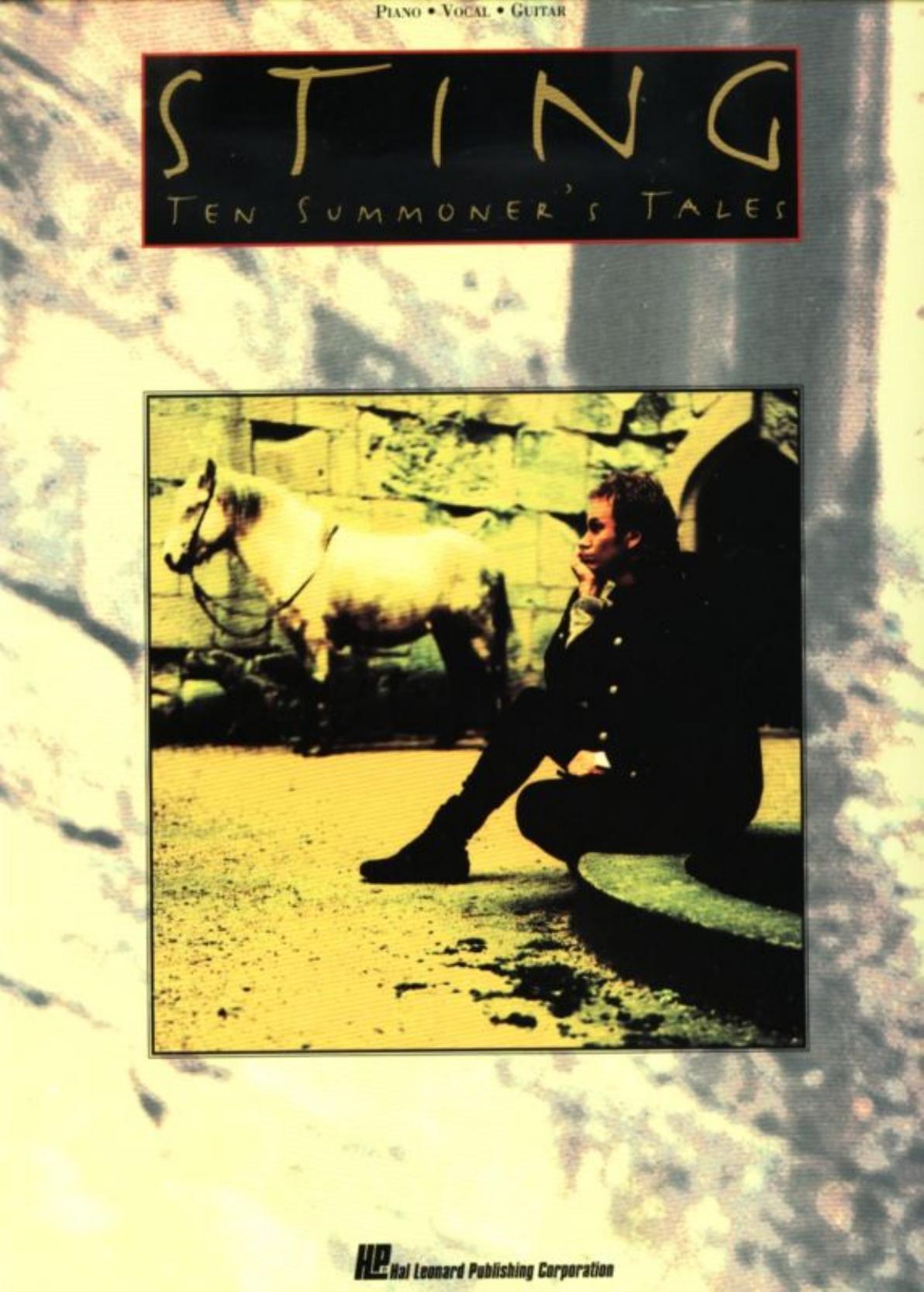
Ten Summoner's Tales (1993)
Among his most commercially successful records.
Contains:
Fields of Gold
Shape of My Heart
If I Ever Lose My Faith in You
Many critics regard this as one of the greatest singer-songwriter albums of the 1990s.
Mercury Falling (1996)
More introspective and subtle.
Standout track:
I'm So Happy I Can't Stop Crying
Brand New Day (1999)
A major global success.
Featured:
Desert Rose
Brand New Day
Desert Rose, with Algerian singer Cheb Mami, became one of Sting's signature songs.
Later Works
Sting continued experimenting throughout the 2000s and beyond, exploring:
Renaissance music
Classical composition
Folk traditions
Lute music
Symphonic arrangements
His willingness to reinvent himself remains one of his defining qualities.
Sting's Personal Life
Sting's first marriage was to actress Frances Tomelty.
Later he formed a long-term partnership with actress and producer Trudie Styler, whom he married in 1992. Together they have built one of the most enduring relationships in the entertainment industry.
Sting is also known for:
Human rights activism
Environmental causes
Rainforest conservation
Humanitarian projects
Together with Styler, he founded the Rainforest Foundation, helping support Indigenous peoples and rainforest preservation.
Musical Style
What makes Sting unique is his refusal to belong completely to any one genre.
His music draws from:
Rock
Pop
Jazz
Reggae
Classical music
Folk music
World music
Latin influences
Few mainstream artists have integrated such a diverse range of musical languages as successfully.
Vocal Style
Sting possesses one of the most recognizable voices in popular music.
Characteristics include:
- Clear Tonal Center
His pitch control is exceptionally reliable.
- Natural Vibrato
His vibrato is subtle rather than exaggerated.
- Emotional Precision
He usually communicates emotion through phrasing rather than vocal theatrics.
- Storytelling Ability
A hallmark of Sting's singing is narrative clarity.
Listeners always understand the story being told.
Sting as a Bass Player
Although many view him primarily as a singer, Sting is an accomplished bassist.
His bass style emphasizes:
Melodic movement
Harmonic awareness
Rhythmic flexibility
Unlike bassists who focus primarily on groove, Sting often writes bass lines that function almost as secondary melodies.
Classic examples include:
Message in a Bottle
Walking on the Moon
Every Breath You Take
Harmony and Compositional Technique
One reason musicians admire Sting is his sophisticated harmonic language.
Several characteristics stand out.
Extended Chords
Sting frequently employs:
Ninth chords
Eleventh chords
Thirteenth chords
These harmonies create a richer sound than conventional rock songwriting.
Jazz Influence
Many Sting songs show the influence of jazz harmony.
For example:
Chromatic movement
Unexpected modulations
Non-diatonic chord choices
Modal Writing
Songs often draw on modal concepts derived from:
Dorian mode
Mixolydian mode
Aeolian mode
This contributes to the unique color of compositions such as Fragile and Shape of My Heart.
Complex Song Structures
Unlike standard pop forms, Sting frequently expands structure through:
Instrumental sections
Developmental passages
Harmonic variation
His songs often reward repeated listening.
Lyric Writing
Sting is among the most literary songwriters in popular music.
His lyrics explore:
Politics
Religion
Love
Identity
Social justice
History
Philosophy
Mortality
Examples include:
Russians
A Cold War reflection on nuclear fear.
Fragile
A meditation on violence and human vulnerability.
Englishman in New York
A celebration of individuality.
Children's Crusade
Juxtaposes World War I with modern addiction.
His writing often resembles poetry more than conventional pop lyricism.
The Best Songs
Choosing Sting's greatest songs is difficult, but the following are widely regarded as masterpieces.
- Every Breath You Take
Perhaps his most famous composition.
Often misunderstood as a romantic song, it is actually about obsession and surveillance.
- Roxanne
One of the defining songs of late-1970s rock.
- Message in a Bottle
A perfect blend of loneliness, melody, and rhythmic energy.
- Englishman in New York
One of the most unique songs in pop history.
- Fragile
Simple, beautiful, and emotionally devastating.
- Fields of Gold
A timeless love song.
- Shape of My Heart
A sophisticated meditation on chance, meaning, and self-knowledge.
- Desert Rose
A groundbreaking fusion of Western and Middle Eastern influences.
- Walking on the Moon
An iconic reggae-rock hybrid.
- If I Ever Lose My Faith in You
One of the finest opening tracks of the 1990s.
Music in Films
Sting's music has appeared in numerous films.
Notable examples include:
Shape of My Heart
Prominently used in Léon: The Professional (1994), helping cement the song's legendary status.
Desert Rose
Appeared in various film and television productions and became a cultural landmark of the late 1990s.
Fields of Gold
Frequently used in romantic and dramatic films.
Sting as an Actor
Beyond music, Sting has maintained a substantial acting career.
Film appearances include:
Quadrophenia (1979)
Brimstone and Treacle (1982)
Dune (1984)
The Bride (1985)
His portrayal of Feyd-Rautha in David Lynch's Dune remains particularly memorable.
Collaborations
Throughout his career Sting has collaborated with an astonishing variety of artists.
Jazz Collaborators
Branford Marsalis
Gil Evans
Miles Davis
Classical Artists
Luciano Pavarotti
Claudio Abbado
Pop and Rock Artists
Bryan Adams
Rod Stewart
Eric Clapton
Peter Gabriel
World Music Artists
Cheb Mami
Rubén Blades
His openness to collaboration has significantly broadened his artistic vocabulary.
Musical Influences
Sting's major influences include:
The Beatles
The songwriting model that first inspired him.
John Coltrane
A major influence on his harmonic sensibility.
Thelonious Monk
Inspired his interest in unconventional harmonic structures.
Jazz Tradition
Perhaps more than any major rock star of his generation, Sting remained deeply connected to jazz throughout his career.
Influence on Other Musicians
Sting's influence can be heard across multiple generations.
Artists inspired by his work include musicians from:
Pop
Jazz
Alternative rock
Singer-songwriter traditions
World music
His ability to merge accessibility with sophistication provided a model for countless performers seeking artistic depth without abandoning broad audiences.
Awards and Recognition
Over the course of his career, Sting has accumulated an extraordinary list of honors.
Among them:
Multiple Grammy Awards
Brit Awards
Golden Globe Award
Emmy Award
Academy Award nominations
Rock and Roll Hall of Fame induction as a member of The Police
Hollywood Walk of Fame star
Kennedy Center Honors
Polar Music Prize
Ivor Novello Fellowship
These distinctions reflect both artistic excellence and enduring cultural significance.
Legacy
Sting's greatest achievement may be his refusal to accept artistic boundaries.
Many successful musicians remain attached to a single formula. Sting consistently moved forward:
From jazz clubs to new wave.
From The Police to solo stardom.
From rock to jazz.
From pop to classical crossover.
From commercial success to artistic experimentation.
His catalog combines intellectual ambition with emotional immediacy in a way few artists have matched.
More than forty years after The Police dominated international charts, Sting remains one of the most respected and influential musicians in the world. He stands as a rare figure capable of satisfying casual listeners, professional musicians, critics, scholars, and fellow songwriters alike.
Whether through the haunting beauty of Fragile, the sophistication of Shape of My Heart, the social commentary of Russians, the elegance of Fields of Gold, or the unforgettable melodies of Roxanne and Every Breath You Take, Sting has secured a place among the greatest popular composers and songwriters of the modern era.
His legacy is not simply that of a rock star, but of a musical intellectual whose work continues to inspire audiences across generations and cultures.
Browse in the Sheet Music Library:
Or browse in the categories menus & download the Library Catalog PDF:
Listen to Sting music on Spotify
Discography
Main article on Wikipedia: Sting discography
See also: The Police discography and List of songs recorded by the Police
Studio albums
- The Dream of the Blue Turtles (1985)
- ...Nothing Like the Sun (1987)
- The Soul Cages (1991)
- Ten Summoner's Tales (1993)
- Mercury Falling (1996)
- Brand New Day (1999)
- Sacred Love (2003)
- Songs from the Labyrinth (2006)
- If on a Winter's Night... (2009)
- Symphonicities (2010)
- The Last Ship (2013)
- 57th & 9th (2016)
- 44/876 (2018) (with Shaggy)
- My Songs (2019)
- The Bridge (2021)