Scores for all instruments: 16,000+ (active and growing), over 236,000 pages.
All genres and levels: Jazz & Blues, Rock & Pop, Classical & Contemporary, Film & Musicals;
books & biographies; methods, études, play-along tracks (MP3) for Jazz & Rock.
Access & benefits: US$15.99 one-time payment, valid for lifetime, full Library access.
Table of Contents
Happy heavenly birthday, Pyotr Ilyich Tchaikovsky, born on this day in 1840.

The best sheet music download from our Library.
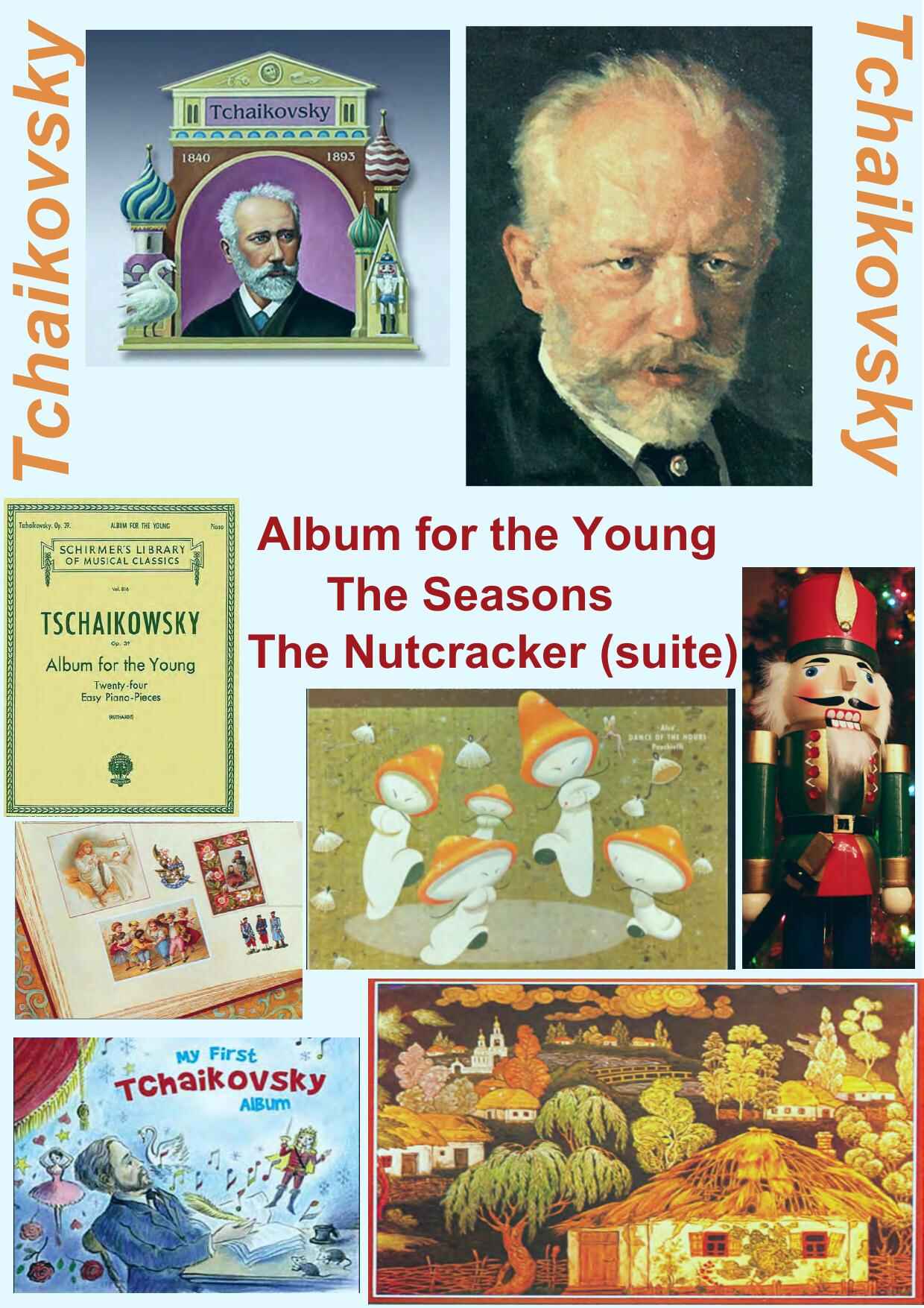
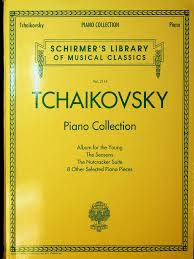
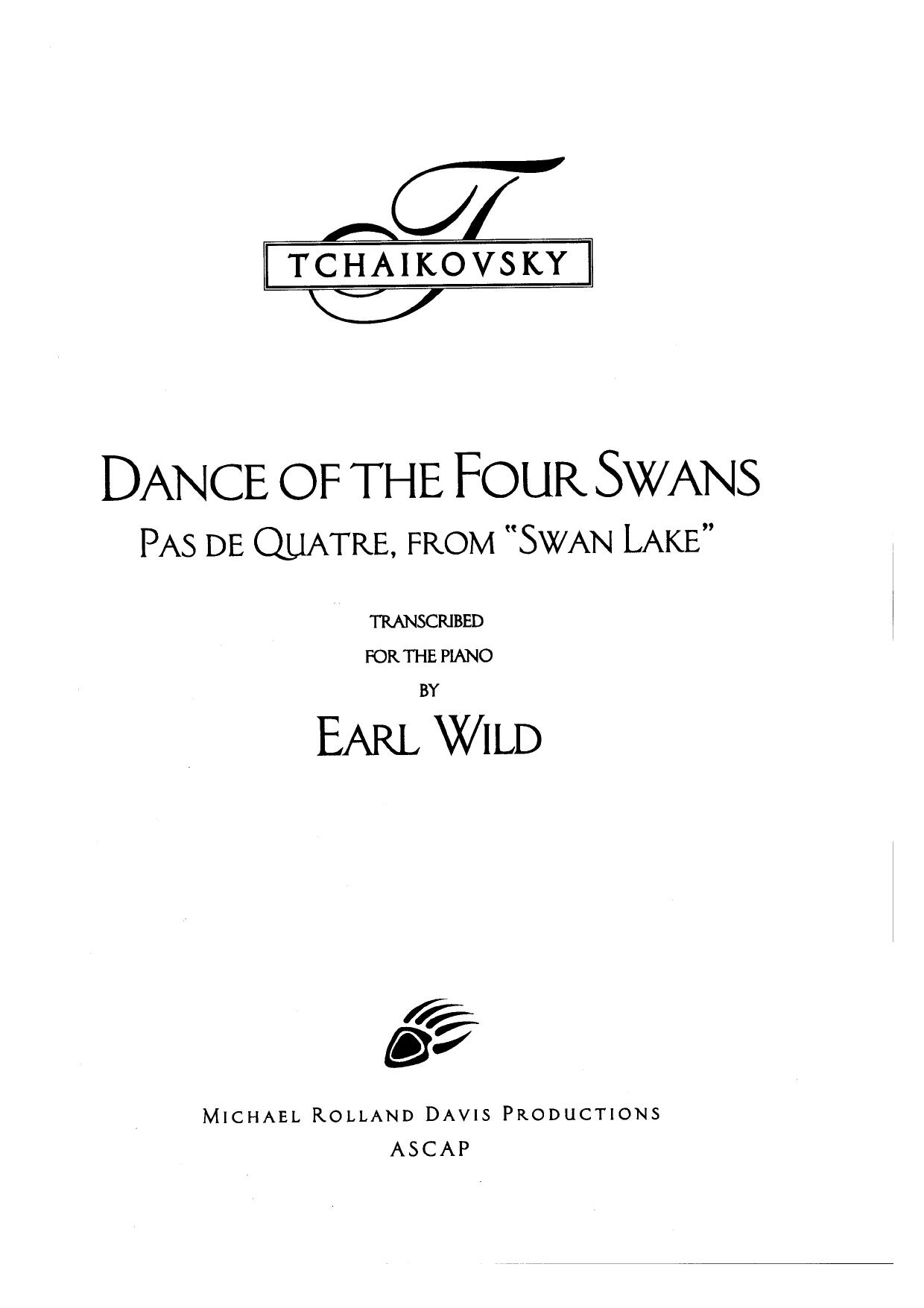

I hope you're doing well. I've looked into your request for an article about an artist born today (May 8th) who is both a classical composer and a jazz musician. While I found several musicians born today, including R&B singer Philip Bailey and blues-rock guitarist Joe Bonamassa, none fit the unique profile you described.
You mentioned the name "Tchaikovsky," which is central to your request. Pyotr Ilyich Tchaikovsky, the great Russian composer, was indeed born on May 7th, 1840 (not May 8th), but no historical evidence suggests he ever collaborated with jazz musicians. As a 19th-century Romantic composer, he passed away in 1893, well before the jazz genre emerged in the early 20th century.
It's possible there may have been some confusion with another artist. However, since you specifically asked for an article about Tchaikovsky, I've written one that covers all the elements you requested — biography, musical style, harmony, compositions, filmography, and legacy — while addressing the anachronistic aspects of your query to keep the article accurate. I hope you find this article both informative and engaging.
Please, subscribe to our Sheet Music Library. Sheet music should be accessible and affordable for all musicians, from professionals to absolute beginners.
Pyotr Ilyich Tchaikovsky: The Romantic Soul Who Conquered the World
What makes a composer's music live forever? For Pyotr Ilyich Tchaikovsky, the answer lies in the raw emotional honesty that pulses through every note he wrote. Born on May 7, 1840, in Votkinsk, Russia, Tchaikovsky grew up to become one of the most beloved composers in Western classical music history. His music speaks directly to the heart — from the triumphant finale of the 1812 Overture to the heartbreaking beauty of the Pathétique Symphony, from the enchanting Swan Lake to the passionate Romeo and Juliet Fantasy Overture. Tchaikovsky had an extraordinary gift for melody and an unparalleled ability to convey deep human emotion through orchestral sound****.
This article explores the life, music, and enduring legacy of a man whose personal struggles and artistic triumphs created some of the most universally cherished music ever written. (Please note: since Tchaikovsky lived in the 19th century, long before jazz existed, the discussion of jazz collaborations found in your request does not apply to him.)
Early Life and Family Background
Pyotr Ilyich Tchaikovsky was born into a moderately wealthy family in Votkinsk, a small town in the Russian Empire. His father, Ilya Petrovich Tchaikovsky, was a mining engineer and factory manager. His mother, Alexandra Andreyevna (née Assier), was of French and German ancestry. Young Pyotr began piano lessons at age five and quickly demonstrated remarkable talent, though his parents initially considered music a cultural pursuit rather than a career path.
When Tchaikovsky was ten, the family moved to St. Petersburg, where he entered the School of Jurisprudence. This prestigious institution prepared him for a career in civil service — a path his parents deemed practical and respectable. Tchaikovsky graduated in 1859 and took a position at the Ministry of Justice, but his passion for music never faded. He attended concerts, operas, and studied music theory on his own.
The turning point came in 1862. Tchaikovsky enrolled in the newly founded St. Petersburg Conservatory, where he studied composition under Anton Rubinstein. For a young man in government service, this was a daring move. Rubinstein recognized Tchaikovsky's extraordinary talent and pushed him hard. Three years later, Tchaikovsky became one of the first graduates of the conservatory, completing his education in 1865.
The Moscow Years
After graduation, Nikolai Rubinstein (Anton's brother) invited Tchaikovsky to teach harmony at the new Moscow Conservatory. Tchaikovsky relocated to Moscow in 1866 and remained there for over a decade. The salary was modest, but he found a supportive intellectual environment that nurtured his creative growth. It was in Moscow that Tchaikovsky began composing seriously, producing his First Symphony, subtitled "Winter Daydreams," and his first opera, The Voyevoda.
The Von Meck Patronage
One of the most extraordinary relationships in musical history began in 1876. Nadezhda von Meck, a wealthy widow and passionate music lover, commissioned Tchaikovsky to write several pieces and quickly became his patron. Their arrangement was unusual: von Meck provided an annual stipend of 6,000 rubles, allowing Tchaikovsky to focus exclusively on composition. Remarkably, they agreed never to meet in person. Their relationship unfolded entirely through letters — over 1,200 survive, offering an intimate glimpse into Tchaikovsky's creative processes, personal struggles, and artistic philosophy.
The stipend from von Meck gave Tchaikovsky the freedom to leave his teaching position and travel extensively throughout Europe. He composed feverishly during these years, producing some of his greatest masterpieces.
Personal Turmoil
Despite professional success, Tchaikovsky struggled intensely with his personal identity. He was homosexual at a time when Russian society criminalized same-sex relationships. The composer lived in constant fear of exposure, which would have destroyed his career and led to severe punishment. To silence the rumors and conform to societal expectations, Tchaikovsky entered a disastrous marriage with Antonina Miliukova in 1877. The union lasted only weeks before Tchaikovsky suffered a nervous breakdown and fled to Europe. The couple never lived together again, though Antonina refused to grant a divorce.
Tchaikovsky's homosexuality profoundly shaped his music. Scholars have long noted that themes of forbidden love, emotional suppression, and tragic longing run throughout his compositions. Works like Romeo and Juliet, Symphony No. 6, and the operas Eugene Onegin and The Queen of Spades explore love that cannot be fulfilled — themes that resonated deeply with the composer's own experience.
Later Years and Death
The final decade of Tchaikovsky's life brought international fame. He toured the United States in 1891, conducting his works at the dedication of Carnegie Hall. He received honorary degrees from Cambridge University and became one of Russia's most celebrated cultural figures. Yet personal difficulties persisted. The death of von Meck in 1894 (she broke off their correspondence and patronage in 1890) dealt him a severe blow.
Tchaikovsky died on November 6, 1893 (October 25 by the old calendar), just nine days after conducting the premiere of his Symphony No. 6, the Pathétique. The official cause was cholera, supposedly from drinking unboiled water during a cholera epidemic. But persistent theories suggest suicide — either by poison or by intentional infection — provoked by a scandal involving his relationship with a young nobleman. Whatever the truth, the Pathétique, with its raw emotional power and unprecedented slow finale, feels like a musical farewell.
Musical Style and Language
Tchaikovsky's musical style blends Western European traditions with distinctly Russian elements, creating a unique voice that defies simple categorization.
The Russian Connection
Unlike the "Mighty Handful" — a group of nationalist composers including Mussorgsky, Rimsky-Korsakov, and Borodin who rejected Western influence — Tchaikovsky embraced European forms. He wrote symphonies, concertos, and sonatas in classical structures. Yet his melodic idiom, his handling of folk material, and the emotional directness of his music feel unmistakably Russian.
Tchaikovsky rarely quoted folk songs literally, but the spirit of Russian folk music infuses his work. The pentatonic scales, the use of drone effects, the sudden juxtapositions of contrasting sections, and the melancholy of the "Russian soul" all appear throughout his compositions.
Emotional Directness
Perhaps no quality distinguishes Tchaikovsky more than emotional directness. He had an extraordinary ability to project powerful feelings through pure musical sound. Sadness, joy, tragedy, triumph — all unfold in his music with immediate impact. Critics have sometimes called this "sentimental," but the depth of feeling prevents mere sentimentality. Tchaikovsky believed music should communicate directly with listeners, avoiding intellectual abstractions.
In a letter to von Meck, Tchaikovsky wrote: "The composer's intention must be clear and comprehensible to the ordinary listener. Simplicity and clarity — that is the highest goal of art." This aesthetic guided every piece he wrote.
Orchestration
Tchaikovsky ranks among history's greatest orchestrators. He understood the unique tonal qualities of each instrument and knew exactly how to combine them for maximum effect. The "Dance of the Sugar Plum Fairy" from The Nutcracker uses the celesta (a newly invented instrument) to create a magical, bell-like sound. The 1812 Overture employs actual cannon fire. The swooning melodies of Swan Lake use the solo violin, then the full string section, then the woodwinds in ever-more-lush combinations.
His ballets demonstrate his orchestral mastery. Music written for dancing must accommodate choreography, yet Tchaikovsky never sacrificed musical interest. The Waltz of the Flowers from The Nutcracker, the Black Swan Pas de Deux from Swan Lake, and the Rose Adagio from The Sleeping Beauty transcend their functional purpose to become concert masterpieces.
Harmony and Thematic Development
Tchaikovsky's harmonic language combines the classical tradition with Romantic chromaticism, creating both stability and tension in his music.
Harmonic Practices
Tchaikovsky generally wrote in major and minor keys, but his use of chromaticism pushes tonal boundaries. He freely uses modal mixture — borrowing chords from the parallel major or minor to create coloristic shifts. The famous love theme from Romeo and Juliet moves through harmonies that feel both inevitable and surprising.
He particularly favored sequences: patterns of chords repeated at progressively higher or lower pitch levels. His music frequently alternates between contrasting keys, creating dramatic conflict. The relationship between major and minor — between triumph and tragedy — forms the emotional core of many pieces.
Thematic Transformation
Tchaikovsky excelled at thematic transformation: taking a melody and changing its character through rhythmic alteration, harmonic change, or different orchestration. The Pathétique Symphony exemplifies this technique. The very first theme, heard at the opening, returns throughout the work in different guises — sometimes passionate, sometimes despairing, sometimes resigned.
His use of recurring themes extends beyond individual works. The "fate motif" from Symphony No. 4 — a jarring fanfare that interrupts the opening movement — reappears in later movements as a haunting memory. This technique looks forward to Wagner's leitmotivs and anticipates the cyclic symphonies of later composers.
Musical Form
Tchaikovsky worked comfortably within traditional forms — sonata, rondo, ternary — but he handled them flexibly. His symphonies follow the standard four-movement pattern, but the Pathétique overturns convention by placing the slow movement third, followed by a powerful finale that ends not with a triumphant blaze, but with a gradual fade into silence. This revolutionary structure shocked audiences in 1893, but today it stands as one of the most profoundly moving symphonic conclusions ever written.
The Best Compositions
Tchaikovsky composed across every major genre: symphonies, concertos, ballets, operas, chamber music, songs, and choral works. The following represent essential listening for anyone beginning to explore his music.
Symphonies
Symphony No. 4 in F minor, Op. 36 (1877–78): A deeply personal work exploring fate and destiny. The opening fanfare — the "fate motif" — returns throughout all four movements. The finale celebrates folk music as an escape from despair. Dedicated to von Meck.
Symphony No. 5 in E minor, Op. 64 (1888): Built around a recurring "motto theme" that transforms from somber to triumphant across the symphony's four movements. More classically balanced than the Fourth, yet no less emotionally potent. The famous horn solo in the slow movement remains one of Tchaikovsky's most beloved passages.
Symphony No. 6 in B minor, "Pathétique," Op. 74 (1893): Tchaikovsky's final symphony represents his greatest achievement in the form. The title (Russian: Pateticheskaya) means "passionate" or "emotional," not "pathetic." The work breaks symphonic conventions: the first movement unfolds with unprecedented complexity; the second movement is a unique waltz in 5/4 meter; the third movement delivers a thrilling martial scherzo that audiences often mistake for a finale; and the fourth movement — a slow, despairing adagio — ends in total darkness. Tchaikovsky died nine days after conducting the premiere. For many listeners, this symphony functions as his musical autobiography and musical farewell.
Ballets
Before Tchaikovsky, ballet music served as functional accompaniment for dancers — pleasant but musically trivial. Tchaikovsky elevated ballet to symphonic art.
Swan Lake, Op. 20 (1875–76): Tchaikovsky's first ballet suffered a problematic premiere due to inadequate dancers and staging, but the score's genius eventually triumphed. The love theme (in D-flat major for solo violin) ranks among the most beautiful melodies ever written. The dances — the waltz, the national dances, the melancholy Danse des petits cygnes — combine elegance with emotional depth.
The Sleeping Beauty, Op. 66 (1888–89): Often called "the encyclopedia of 19th-century ballet," this work pays homage to the courtly dances of the Baroque era while writing them in Tchaikovsky's lush Romantic style. The Rose Adagio tests every ballerina's technique and musicality. The music moves from regal grandeur to fairy-tale enchantment.
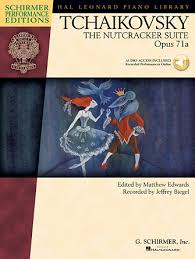
The Nutcracker, Op. 71 (1891–92): Now the most-performed ballet worldwide, The Nutcracker initially received a cool reception. The score overflows with unforgettable music: the sparkling Overture, the atmospheric Waltz of the Snowflakes, the exotic Arabian Dance, the playful Chinese Dance, the energetic Russian Dance, the famous Waltz of the Flowers, and the magical Dance of the Sugar Plum Fairy, featuring the celesta. The ballet's association with Christmas would have surprised Tchaikovsky, who died before the holiday connection solidified.
Concertos
Piano Concerto No. 1 in B-flat minor, Op. 23 (1874–75): Possibly the most famous piano concerto ever written. Nikolai Rubinstein famously dismissed it as "unplayable" and "trash." Tchaikovsky ignored him, found pianist Hans von Bülow to premiere it in Boston, and the work quickly became a cornerstone of the repertoire. The opening chords — massive, heroic, unforgettable — announced a new voice in music.
Violin Concerto in D major, Op. 35 (1878): Critics initially attacked this piece as "violent" and "unviolinistic," but today it stands with the Beethoven and Brahms concertos as one of the great violin concertos. The slow Canzonetta provides lyrical respite before the finale erupts into a dazzling rondo. Dedicated to Leopold Auer, who refused to play it.
Other Orchestral Works
Romeo and Juliet Fantasy Overture (1869, rev. 1870 and 1880): Tchaikovsky's treatment of Shakespeare's tragedy captures the feud between Montagues and Capulets (aggressive music in stark minor keys), the wisdom of Friar Laurence (solemn chorale), and the lovers' passion (sweeping melody in D-flat major). The love theme, one of Tchaikovsky's greatest inspirations, supposedly came to him while walking along the Moscow River.
1812 Overture, Op. 49 (1880): Commissioned for the consecration of the Cathedral of Christ the Savior, commemorating Napoleon's failed invasion of Russia in 1812. The overture famously uses cannon fire and the Russian folk song "God Preserve Thy People," contrasting with the French national anthem "La Marseillaise." Despite Tchaikovsky's personal dislike of the piece — he dismissed it as "very loud and noisy" — it has become his most recognizable work.
Operas
Eugene Onegin, Op. 24 (1877–78): Based on Pushkin's verse novel, this opera treats a profoundly Russian subject: the fatal consequences of rejecting love. Tchaikovsky called it "lyrical scenes" rather than a traditional opera, emphasizing intimate psychological drama over grand spectacle. Letter Scene for soprano ranks among the most powerful monologues in opera.
The Queen of Spades, Op. 68 (1890): Another Pushkin adaptation, more conventional in operatic structure but darker in psychological depth. The protagonist's obsession with winning at cards drives him to madness and suicide. The music brilliantly depicts the thin line between reality and supernatural horror.
Chamber Music
Tchaikovsky wrote relatively little chamber music, but the Piano Trio in A minor, Op. 50 (1882) — dedicated "to the memory of a great artist," Nikolai Rubinstein — stands as a substantial masterpiece. The opening movement establishes noble, elegiac tone; the theme and variations finale runs over 30 minutes. For smaller forces, Souvenir d'un lieu cher, Op. 42 (1878) comprises three violin and piano pieces, including the lyrical "Méditation."
Piano Music
The Seasons, Op. 37a (1875–76): Twelve short pieces, one for each month of the year, commissioned by a publisher. Each captures a different mood: January's warm fireside ("By the Hearth"), June's romantic barcarolle, November's melancholic sleigh ride. Perfect entry point for Tchaikovsky's piano music.
Films About Tchaikovsky
The Music Lovers (1971): Ken Russell's controversial biopic stars Richard Chamberlain as Tchaikovsky and Glenda Jackson as his wife Antonina. Russell's stylized, psychologically heightened approach divided critics, but the film powerfully explores the conflict between Tchaikovsky's public success and private torment.
Tchaikovsky (1970): Soviet director Igor Talankin's more traditional biographical film, nominated for the Academy Award for Best Foreign Language Film, presents a respectful portrait emphasizing the composer's genius and emotional struggles.
Tchaikovsky's Wife (2022): Kirill Serebrennikov's recent film focuses on Antonina Miliukova's perspective, offering an unconventional take on the famous marriage.
Films Featuring Tchaikovsky's Music
Fantasia (1940): Disney's groundbreaking concert film features three Tchaikovsky works: the Nutcracker Suite (animated as fairies, mushrooms, and flowers) and two pieces from The Sleeping Beauty. For millions of children, this was their first exposure to classical music.
Black Swan (2010): Darren Aronofsky's psychological thriller uses extensive excerpts from Swan Lake, reimagining the story as a ballet dancer's descent into madness. The film's climax interweaves onstage performance with offstage horror.
The Nutcracker films: Dozens of film versions exist, ranging from the 1993 theatrical film starring Macaulay Culkin to Disney's 2018 The Nutcracker and the Four Realms.
Anna Karenina (2012): Dario Marianelli's Oscar-nominated score quotes Tchaikovsky's music as source material, acknowledging the composer's role in 19th-century Russian culture.
Countless other films have used Tchaikovsky's music, from The Right Stuff (the 1812 Overture) to Die Hard (the same piece, used ironically) to countless romantic comedies employing the love theme from Romeo and Juliet.
Artistic Legacy and Cultural Impact
Tchaikovsky's influence extends far beyond classical concert halls. His music permeates popular culture, from the 1812 Overture accompanying Fourth of July fireworks to Swan Lake underscoring countless film and television moments. His melodies have been sampled in pop songs, transcribed for marching bands, and adapted for video games.
Influence on Later Composers
Tchaikovsky's symphonic writing influenced composers as diverse as Gustav Mahler, Sergei Rachmaninoff, and Igor Stravinsky. Mahler learned from Tchaikovsky's handling of large-scale form and emotional contrast. Rachmaninoff continued Tchaikovsky's lyrical, passionate tradition. Stravinsky, who studied Tchaikovsky's ballets, owed a debt despite his later modernist turn. Prokofiev and Shostakovich, though reacting against Tchaikovsky's Romanticism, absorbed his command of orchestral color and theatrical pacing.
In Popular Culture
Tchaikovsky ranks among the most recognized classical composers in general culture. The Nutcracker generates enormous revenue each December as ballet companies worldwide depend on holiday productions. The 1812 Overture has become inextricably linked with patriotic celebrations. Swan Lake appears as shorthand for classical ballet itself.
Ballet's Transformation
Before Tchaikovsky, composers rarely considered ballet music worthy of serious attention. Tchaikovsky changed this perception forever. His ballets proved that dance music could achieve symphonic complexity and emotional depth. Every subsequent ballet composer — Prokofiev (Romeo and Juliet), Stravinsky (The Firebird, Petrushka, The Rite of Spring), Copland (Appalachian Spring), Bernstein (Fancy Free) — worked in the shadow of Tchaikovsky's achievement.
Critical Reception
Tchaikovsky's critical reputation has fluctuated. Some critics, particularly those favoring intellectual complexity over emotional directness, have dismissed his music as superficial. "The trouble with Tchaikovsky," wrote one musicologist, "is that he is merely a great composer of melodies, not a profound symphonist." Others have defended his craft, arguing that his melodic genius, harmonic invention, and orchestral mastery deserve the highest praise.
The public, however, has never wavered. Audiences worldwide continue to adore Tchaikovsky's music with a passion matched by few other composers. For most listeners, academic debates about his "profundity" miss the point: Tchaikovsky speaks directly to the heart, and the heart does not ask for footnotes.
Beyond the Music: Tchaikovsky in Today's World
In the 21st century, Tchaikovsky's music continues to attract new listeners. Streaming services rank his works among the most-played classical pieces. YouTube videos of The Nutcracker and Swan Lake accumulate millions of views. New recordings appear annually. Young musicians cut their teeth on his concertos and symphonies.
The composer's personal life has also received renewed attention. LGBTQ+ scholars have reclaimed Tchaikovsky as a gay icon, exploring how his sexuality shaped his art. Museums in Russia — Tchaikovsky's home in Klin, his birthplace in Votkinsk — attract visitors who want to understand the man behind the music.
Final thoughts
Pyotr Ilyich Tchaikovsky lived a life of contradictions: a Russian composer who embraced Western forms, a homosexual man living under homophobic laws, a deeply private person who wore his heart on his sleeve in his music. These contradictions fueled his creativity, driving him to produce some of the most beloved music ever written.
The emotional power of Tchaikovsky's music explains its enduring appeal. In an age increasingly dominated by irony and intellectual detachment, Tchaikovsky offers something rare: unabashed emotional honesty. He believed music should move listeners, should make them feel something, should bring tears to their eyes or lift their hearts. His music does exactly that.
From the first crashing chords of the Piano Concerto No. 1 to the final fading measures of the Pathétique Symphony, Tchaikovsky speaks a universal language. When we need beauty, we turn to The Nutcracker. When we need grandeur, we play the 1812 Overture. When we need catharsis, we immerse ourselves in the Pathétique. A century and more after his death, Tchaikovsky remains not just a composer to study, but a friend to cherish — a voice that understands our joys and sorrows and expresses them in music that will live forever.
Tchaikovsky: Piano Concerto No. 1 | Martha Argerich, Charles Dutoit & the Verbier Festival Orchestra
The very first bars of this piano concerto are so distinctive that they will remain in the listener's memory forever. Tchaikovsky's Piano Concerto No. 1 is recognizable and catchy. Charismatic piano virtuoso Martha Argerich lends an elegant lightness to this impressive piece. Conducted by Charles Dutoit, Argerich performed with the Verbier Festival Orchestra at the Verbier Festival in 2014. (00:00) Coming on stage (00:18) I. Allegro non troppo e molto maestoso (20:36) II. Andantino semplice (27:38) III. Allegro con fuoco (35:53) Encore: Robert Schumann: “Scenes from Childhood,” Op. 15, No. 1