Scores for all instruments: 16,000+ (active and growing), over 236,000 pages.
All genres and levels: Jazz & Blues, Rock & Pop, Classical & Contemporary, Film & Musicals;
books & biographies; methods, études, play-along tracks (MP3) for Jazz & Rock.
Access & benefits: US$15.99 one-time payment, valid for lifetime, full Library access.
Table of Contents
Who are Radiohead?
Search your favorite sheet music in the Sheet Music Library Catalog
Radiohead: "the best band around" (David Bowie's words)
Radiohead are an English rock band formed in Abingdon, Oxfordshire, in 1985. Comprising Thom Yorke (vocals, guitar, piano, keyboards), brothers Jonny Greenwood (guitar, keyboards, other instruments) and Colin Greenwood (bass), Ed O'Brien (guitar, backing vocals), and Philip Selway (drums, percussion), the band has become one of the most acclaimed and influential musical acts of the modern era. With a career spanning over four decades, nine studio albums, and more than 30 million albums sold worldwide, Radiohead has consistently defied expectations, pushing the boundaries of rock music and popular culture. Their experimental approach is credited with advancing the sound of alternative rock, and they have been recognized with six Grammy Awards, four Ivor Novello Awards, and five Mercury Prize nominations—the most of any act. In 2019, they were inducted into the Rock and Roll Hall of Fame.
The best sheet music download from our Library.

Biography
Please, subscribe to our Sheet Music Library. Sheet music should be accessible and affordable for all musicians, from professionals to absolute beginners.
Formation and Early Years (1985–1992)
The members of Radiohead met while attending Abingdon School, an independent school for boys in Abingdon, Oxfordshire. Thom Yorke and bassist Colin Greenwood were in the same year; guitarist Ed O'Brien was one year above, and drummer Philip Selway was in the year above O'Brien. In 1985, they formed a band called "On a Friday," the name referring to their usual rehearsal day in the school's music room. The band disliked the school's strict atmosphere—the headmaster once charged them for using a rehearsal room on a Sunday—and found solace in the music department, crediting their music teacher for their early development.
Yorke first turned to music while growing up in Scotland and Oxford. Born with his left eye closed and paralyzed, he endured five corrective surgeries before age six. He learned guitar while unhappy at boarding school, where he met Colin Greenwood, and the two formed a punk band called TNT. In 1985, they joined friends O'Brien and Selway in the new band On a Friday. Colin's younger brother, Jonny, was soon recruited on guitar.
The band dissolved as members scattered to different universities for their studies. However, they remained committed to the project while attending college. Eventually, the band discarded higher education, as well as their original name, and in 1991 began calling themselves Radiohead, a title appropriated from a Talking Heads song ("Radio Head" from the True Stories album).
Now in their early twenties, Radiohead devoted themselves to a more intensified pursuit of music. In the same year they adopted their new name, Radiohead released a demo tape, "Manic Hedgehog," which caught the attention of EMI subsidiary Parlophone. The quintet quickly built a following on the Oxford club scene and soon drew record-company interest from London. The band signed to UK label Parlophone within a year.
Breakthrough and Early Success (1992–1996)
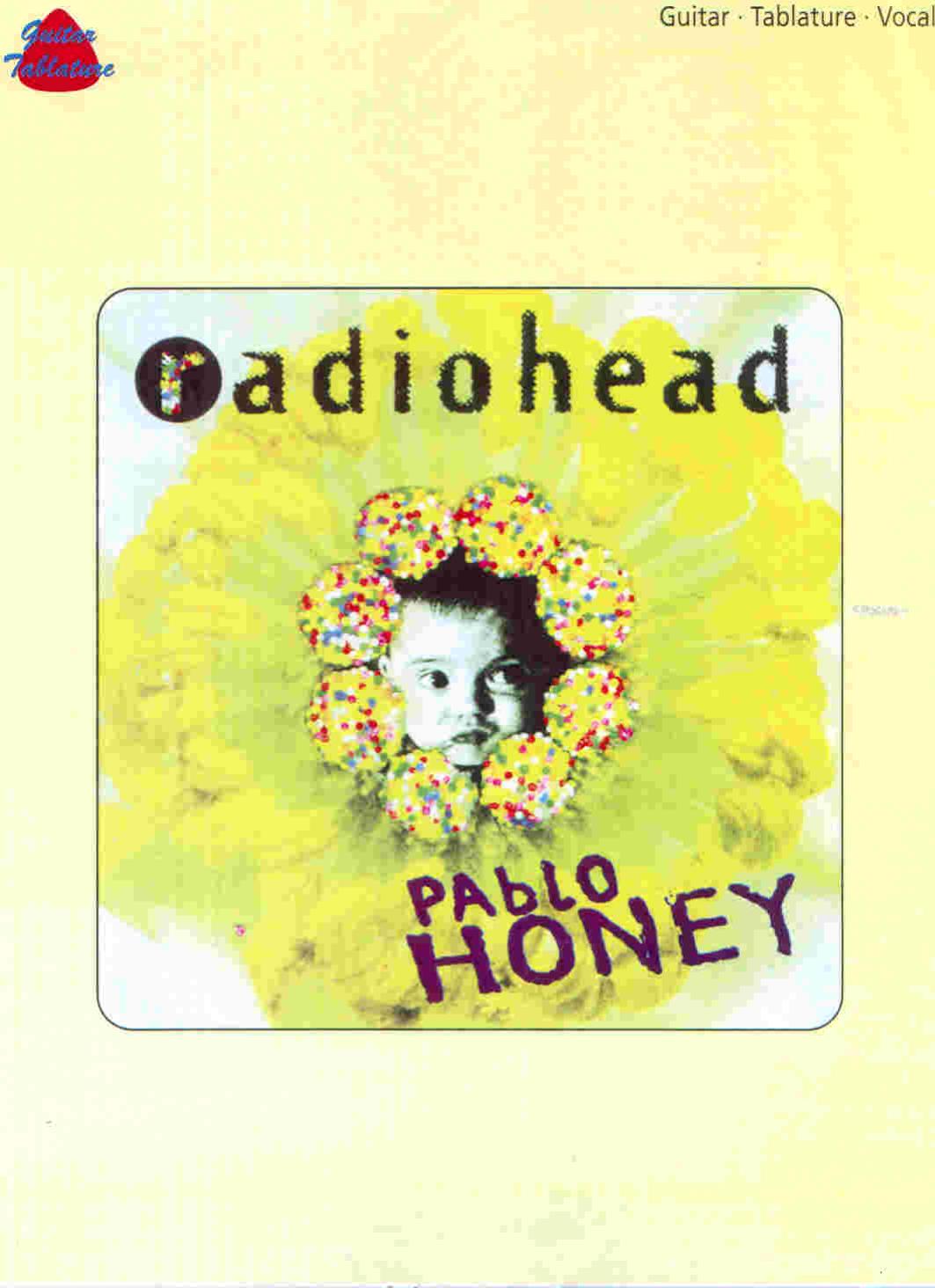
In September 1992, EMI released their second single "Creep"—a self-deprecating ballad that was as lovely as it was piteous. Although the single was positively received in the UK, reaching a modest No. 32 on the charts, it wasn't until a full year later that "Creep" appeared in heavy rotation on U.S. college radio. In the fall of 1993, nearly six months after the spring release of their debut album Pablo Honey, Radiohead was soliciting international attention. By this time, Pablo Honey had reached gold status by selling two million copies. "Creep," which encapsulated the emotions and shortcomings of a generation, was praised as a contemporary rock anthem similar in status to Nirvana's "Smells Like Teen Spirit" and Beck's "Loser".
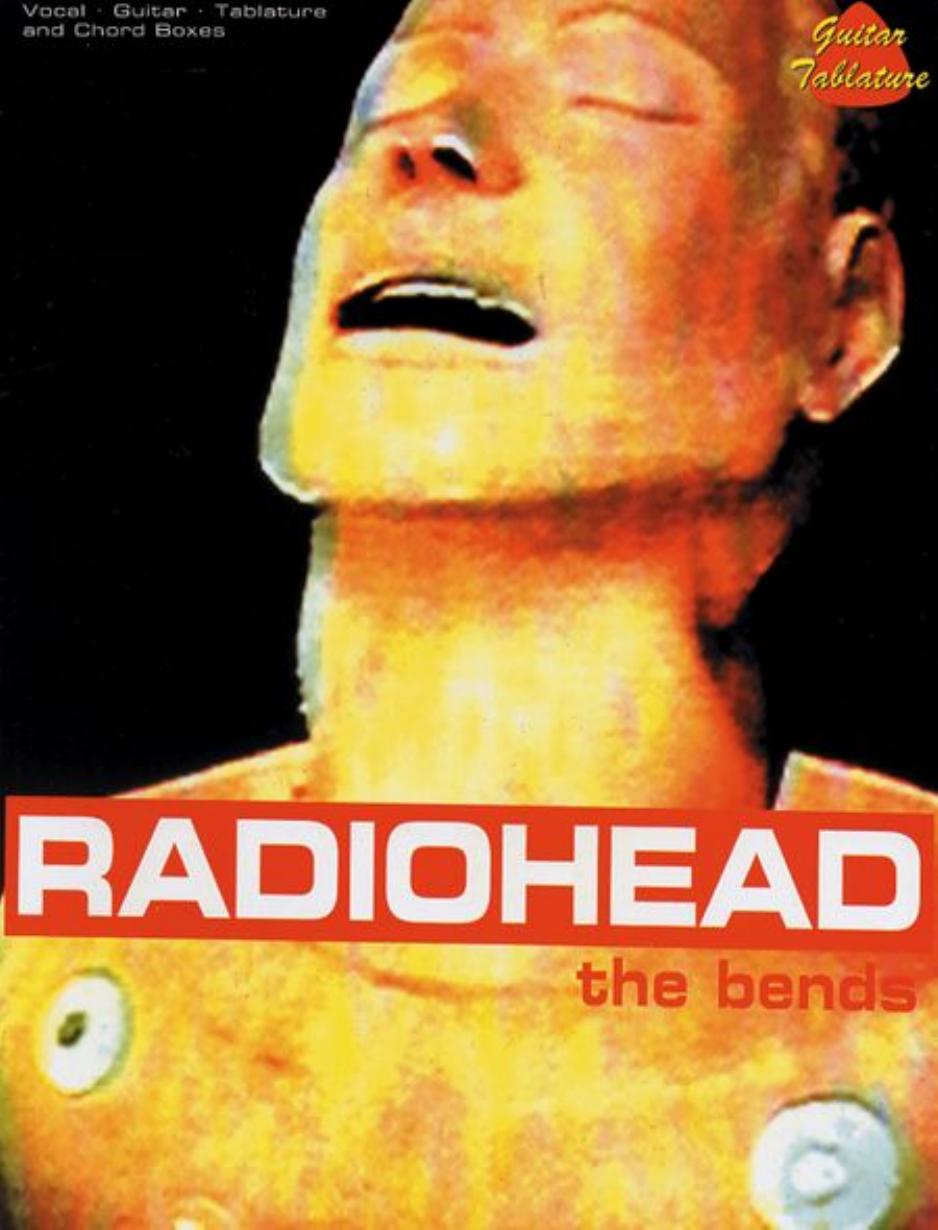
However, Radiohead were labeled a one-hit wonder by critics. The band responded two years later with The Bends (1995), which demonstrated a growing musical scope and explored deeper levels of alienation on songs like "Fake Plastic Trees" and "High and Dry". Sales were significantly less than for the debut, but critics began to reassess the band. The album reveals the band's self-conscious struggle to maintain its personality individually and as a band within the confines of external expectations. While The Bends climbed the charts internationally, the band spent half the year touring with rock mentors R.E.M. throughout Europe and the United States.
The Masterpiece: OK Computer (1997)
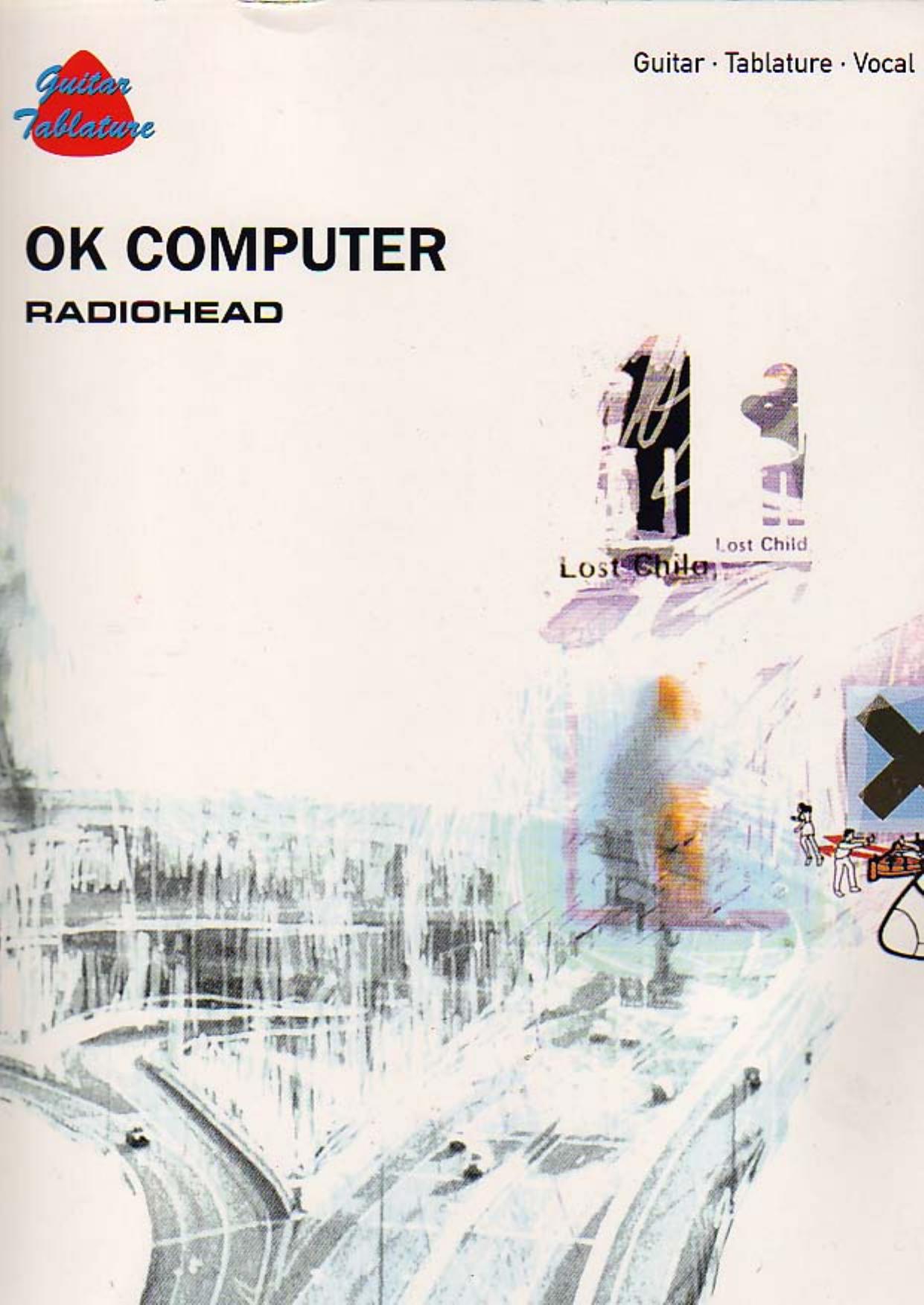
Radiohead's third album, OK Computer (1997), co-produced by the band and Nigel Godrich (an engineer on The Bends), was hailed as an extraordinary musical accomplishment. An intricately layered landscape of guitars and electronic instrumentation, the album broke ground for a new genre of rock music. Though Yorke and the band denied any coherent theme to the album, various tracks explored themes of modern alienation, technology, and the anxieties of the postmodern condition.
OK Computer has been described as a premillennial version of Pink Floyd's Dark Side of the Moon. It is acclaimed as a landmark record and one of the best albums in popular music. Rolling Stone named it one of the "500 Greatest Albums of All Time". The album simultaneously altered the boundaries of rock music and anticipated forthcoming political and social anxieties.
Electronic Transformation: Kid A and Amnesiac (2000–2001)
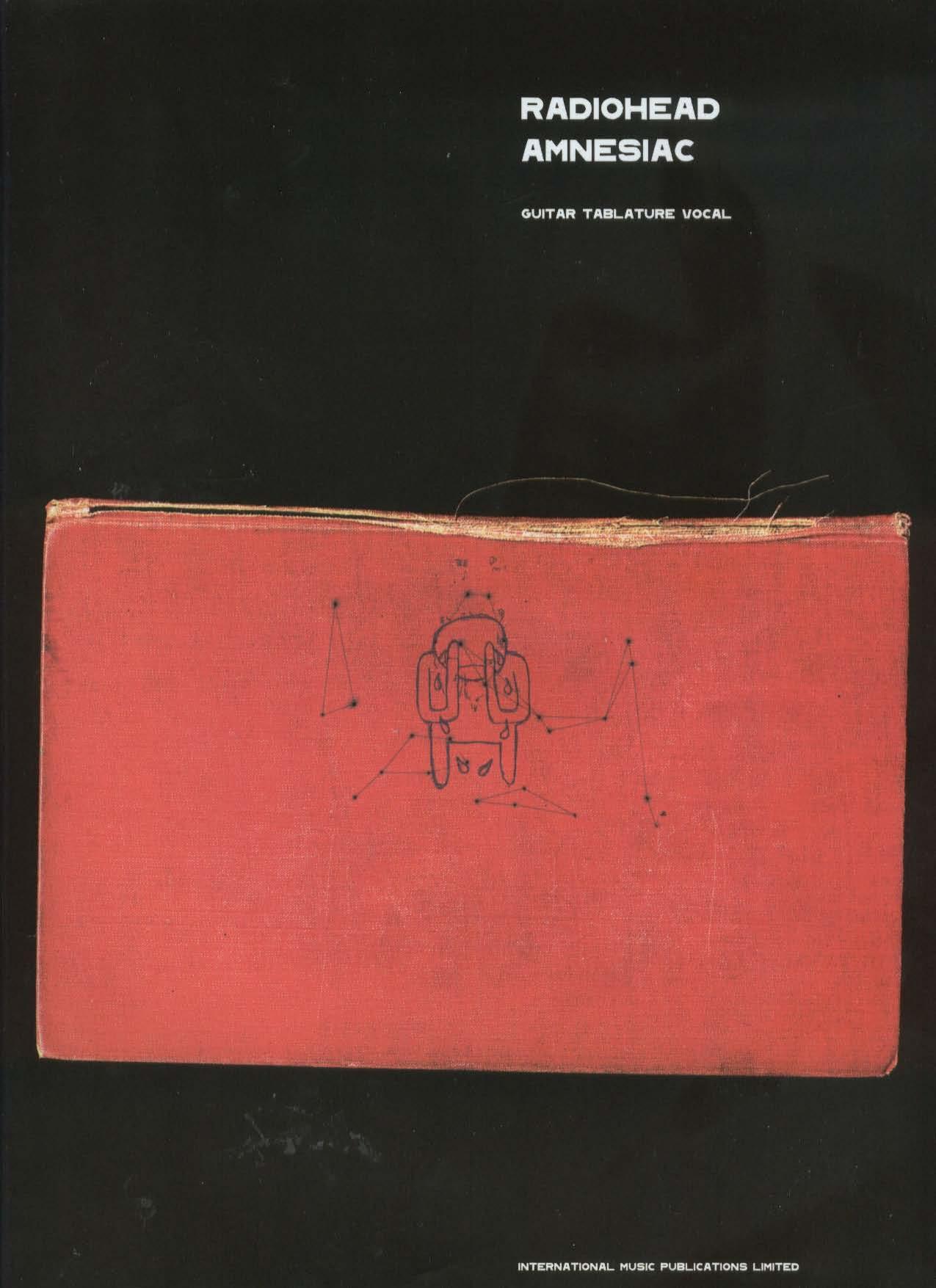
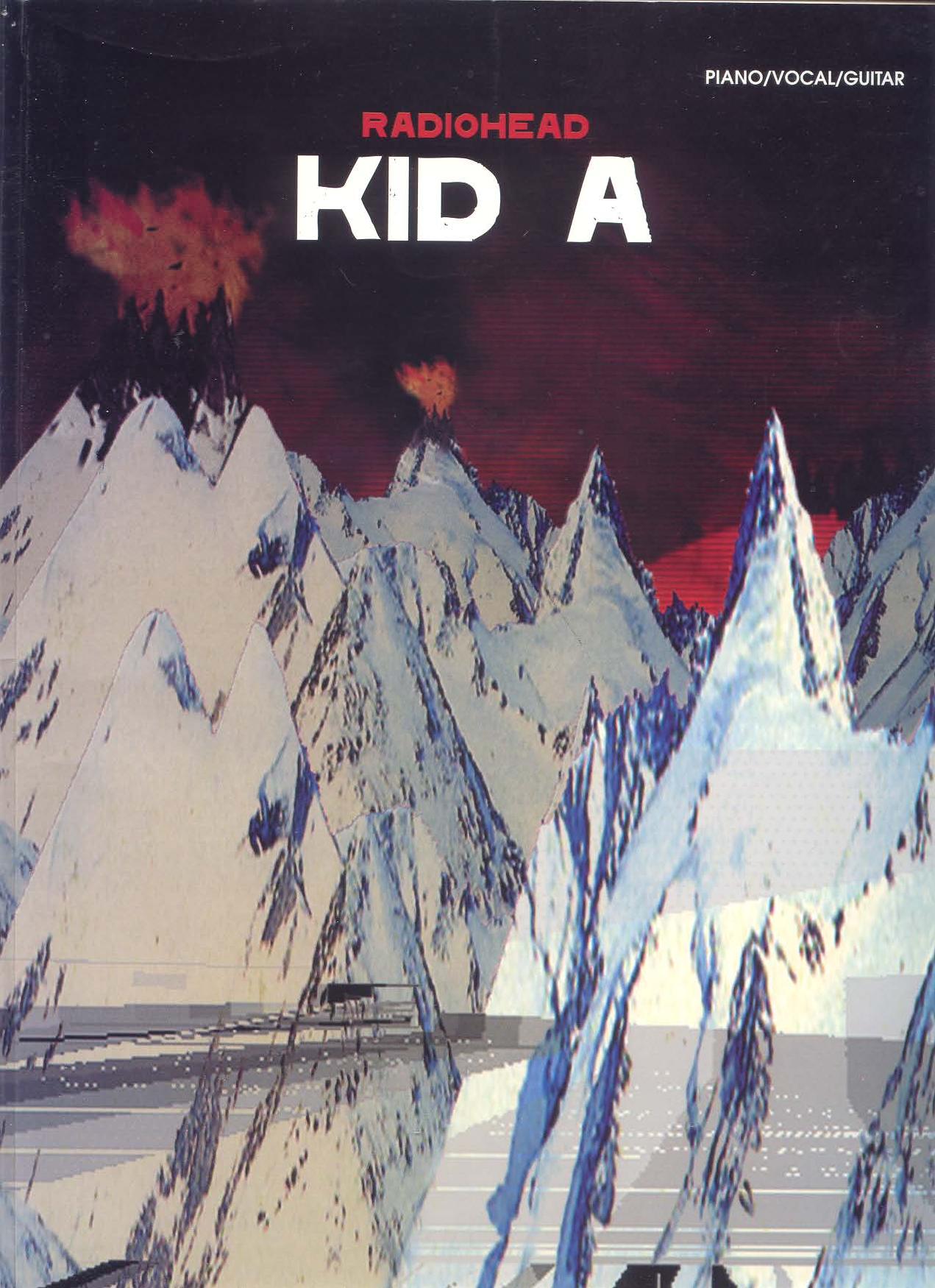
Their fourth album, Kid A (2000), marked a dramatic change in style, incorporating influences from electronic music, jazz, classical music, and krautrock. The Kid A and Amnesiac sessions brought a change in Radiohead's music and working methods. Since their shift from conventional rock instrumentation, the members gained flexibility and often switched instruments. On Kid A and Amnesiac, Yorke played keyboard and bass, Jonny Greenwood played the ondes Martenot, Colin Greenwood worked on sampling, and O'Brien and Selway worked with drum machines and digital manipulation.
Though Kid A divided listeners upon release, it was later named the best album of the decade by multiple outlets. It was followed by Amnesiac (2001), recorded in the same sessions.
No Surprises - Radiohead (easy piano solo) sheet music, Noten, partitura, spartiti, 楽譜, 乐谱
Later Albums and Innovations (2003–2016)
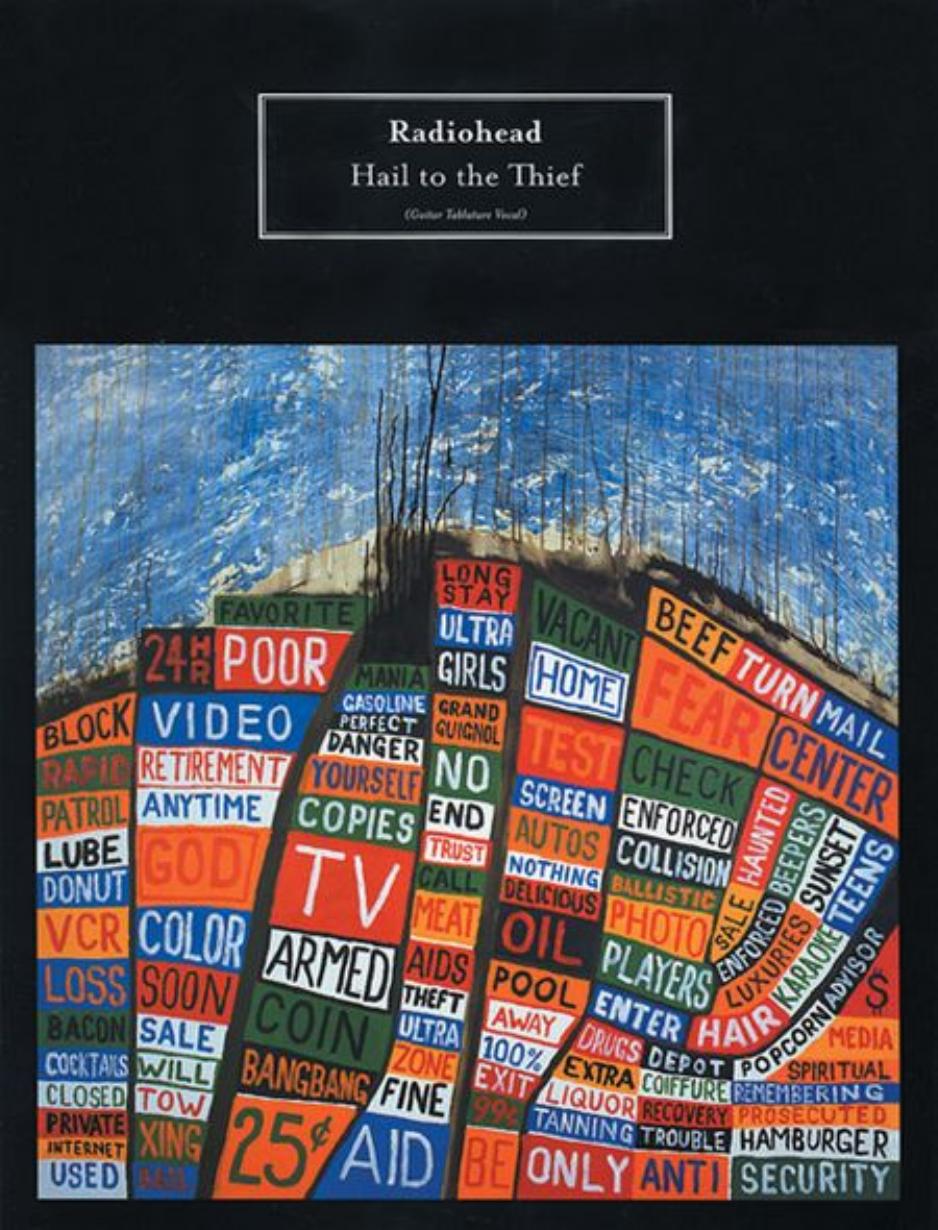
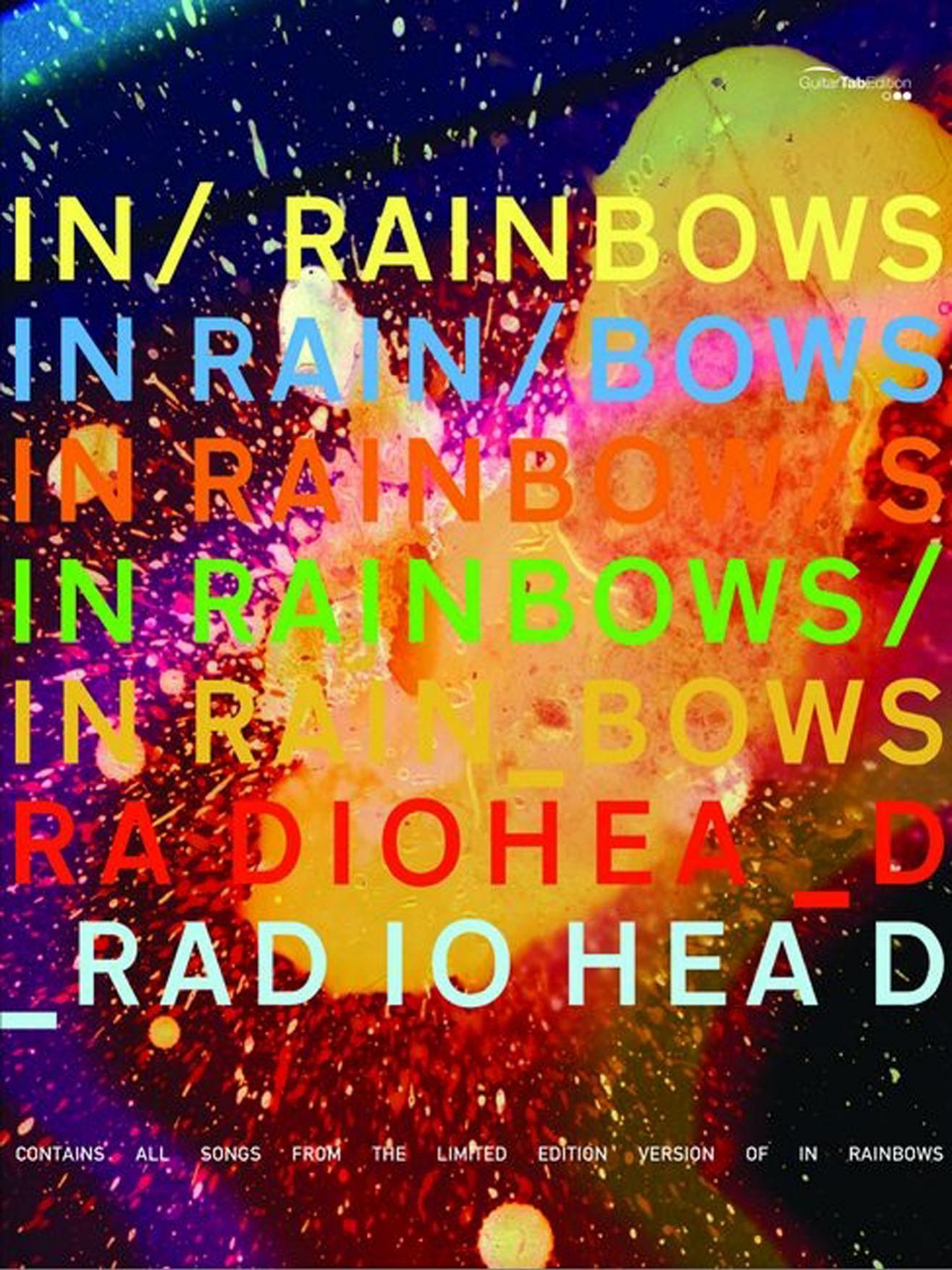
Hail to the Thief (2003), with lyrics addressing the war on terror, blended the band's rock and electronic sides and was Radiohead's final album for EMI. Radiohead self-released their seventh album, In Rainbows (2007), as a download for which customers could set their own price, to critical and chart success. The novel distribution method generated headlines, and critics declared it the most approachable Radiohead album in a decade.
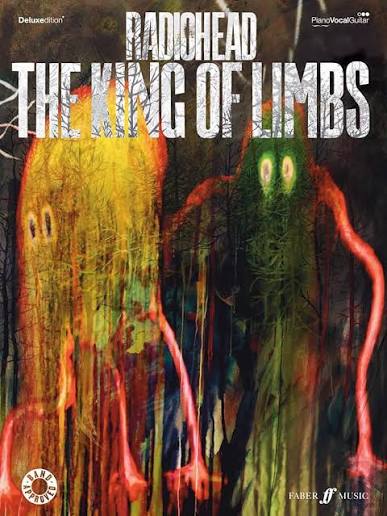
Their eighth album, The King of Limbs (2011), an exploration of rhythm, was developed using extensive looping and sampling. A Moon Shaped Pool (2016) prominently featured Jonny Greenwood's orchestral arrangements.
Radiohead - Creep
The best sheet music download from our Library.
Musical Style
Radiohead's music blends alternative rock, art rock, and electronic elements to create textured soundscapes. Their sound has evolved dramatically over their career, moving from the guitar-heavy alternative rock of their early years to the electronic and experimental soundscapes of their later work.
Their musical style is characterized by:
- Moody, melodic, and explosive sound: Emerging from the fading '90s Brit-pop invasion, Radiohead's sound was moody, melodic, and explosive, with roots planted firmly in both alternative culture and the art-rock legacy of classic rockers like Pink Floyd.
- Eclecticism: Their influences aren't just pop and rock—their musical stew mixes in the cacophonous jazz of Charles Mingus and Alice Coltrane.
- Genre-defying experimentation: Radiohead's work combines traditional rock sounds with a unique and experimental approach towards genre that sets the band apart from the contemporary mainstream.
- Evolution: Their early style was compared to the wave of grunge music popular in the early '90s, but by Kid A and Amnesiac, they had incorporated experimental electronic music, krautrock, and jazz influences.
- Art-rock: They are recognized as one of the most accomplished art-rock bands of the early 21st century.
Chord Progressions and Music Harmony
Radiohead's harmonic language is one of the most distinctive and studied aspects of their music. Music theorists have analyzed their work extensively, revealing sophisticated approaches to harmony and voice leading.
Harmonic Systems
According to academic research, a great deal of the harmony and voice leading in Radiohead's recorded output between 1997 and 2011 can be heard as elaborating either traditional tonal structures or establishing pitch centricity through purely contrapuntal means. Under rigorous musicological models, Radiohead's corpus reveals three distinct systems of voice leading and harmony: functional tonal, functional modal, and contrapuntal.
Characteristic Harmonic Devices
- Pan-triadic chromaticism: Radiohead has a distinctive tendency to "skate from one chord to another unexpectedly," creating effects of strangeness reinforced by the comparative rareness of pan-triadic chromatic harmony in pop-rock music.
- Lament-bass progressions: The harmonic makeup of "Exit Music (For a Film)" contains archetypal examples of lament-bass progressions, a device with roots in Baroque music.
- Minor chord predominance: Radiohead use the most minor chords compared to other artists analyzed in comparative studies. They make frequent use of I→i progressions directly from major to minor, and iv→I (minor subdominant back to tonic).
Example: "Weird Fishes/Arpeggi"
A harmonic analysis of "Weird Fishes/Arpeggi" from In Rainbows reveals the band's sophisticated approach:
- The first guitar arpeggio plays shell voicings—root, third, and seventh—of the chords Em7 and F#m7.
- It then develops into A and Gmaj7, again in the form of shell voicings.
- On the fourth chord, Gmaj7, a second guitar superimposes another arpeggio, resulting in an overall harmony of G6maj7.
- A third arpeggio, played by Jonny Greenwood, is added to the texture.
Influences
Radiohead's influences are remarkably diverse, spanning rock, post-punk, jazz, classical, and electronic music.
Early Influences
Among Radiohead's earliest influences were Queen, Bob Dylan, Pink Floyd, and Elvis Costello. Post-punk acts such as Joy Division, Siouxsie and the Banshees, and Magazine were also significant. Jonny Greenwood named Magazine guitarist John McGeoch his biggest guitar influence.
1980s alternative rock bands such as R.E.M., U2, the Pixies, the Smiths, and Sonic Youth were major influences. Yorke named Neil Young as an influence, and Radiohead have covered Young several times. O'Brien said Scott Walker was Radiohead's "unifying" influence, citing his voice, arrangements, and instrumentation.
Jazz Influences
By the mid-1990s, Radiohead cited 60s and 70s jazz artists such as Miles Davis, Charles Mingus, and Alice Coltrane as influences. According to Jonny Greenwood, "We bring in our favourite jazz albums, and say: we want to do this. And we enjoy the sound of our failing!"
Classical and Film Music
Jonny Greenwood cited the influence of 20th-century classical composers Krzysztof Penderecki and Olivier Messiaen. Since the recording of Kid A, Greenwood has played the ondes Martenot, an early electronic instrument popularised by Messiaen. Other influences include the soundtracks of Ennio Morricone.
Electronic and Krautrock
By the mid-1990s, Radiohead were adopting recording methods from hip-hop, inspired by the sampling work of DJ Shadow. The electronic music of Kid A was inspired by Yorke's admiration for artists signed to Warp Records, such as Aphex Twin and Autechre. In 2013, Yorke named Aphex Twin as his biggest influence. Kid A also samples early computer music, and 1970s krautrock bands such as Can and Neu! were other major influences.
Later Influences
While recording In Rainbows, Radiohead mentioned rock, electronic, hip-hop, and experimental musicians as influences, including Björk, M.I.A., Liars, Modeselektor, and Spank Rock.
Relationship with Other Artists
Producer Nigel Godrich
Radiohead have worked with producer Nigel Godrich since 1994. Godrich has been instrumental in shaping the band's sound, engineering and producing their most acclaimed albums from The Bends onward.
Cover Artist Stanley Donwood
Since 1994, Radiohead have also worked with cover artist Stanley Donwood. Donwood has created the artwork for virtually all of Radiohead's albums, collaborating closely with Thom Yorke.
R.E.M.
Radiohead originally supported R.E.M. on tour from 1994-95. R.E.M. frontman Michael Stipe collaborated with the band on several occasions, including an on-stage collaboration with Thom Yorke.
Side Projects and Collaborations
Outside of the band, Yorke has worked with other artists extensively. His Atoms for Peace project teamed him up with Mauro Refosco, Joey Waronker, Nigel Godrich, and Flea. Yorke has also collaborated with electro-pioneers Burial and Four Tet.
Jonny Greenwood has composed soundtracks for director Paul Thomas Anderson, including There Will Be Blood, The Master, and Inherent Vice. Philip Selway has released solo albums of gentle folk music.
The band collaborated with composer Hans Zimmer to rework their track "Bloom" from The King of Limbs for the BBC nature series Blue Planet II.
Radiohead's work has been sampled by hip-hop artists including The Roots, Joe Budden, and Lupe Fiasco.
The Smile
In 2021, Yorke and Jonny Greenwood debuted a new band, The Smile, alongside drummer Tom Skinner.
Legacy
Radiohead are cited as one of the foremost rock bands of the 21st century. Their legacy is multifaceted:
Musical Innovation
Radiohead's experimental approach is credited with advancing the sound of alternative rock. They single-handedly made prog-rock relevant again. They became a touchstone for everything that is fearless and adventurous in rock, inheriting the throne from David Bowie, Pink Floyd, and the Talking Heads.
Influence on Other Artists
Radiohead have inspired countless artists across genres. Their willingness to experiment and reject commercial expectations has influenced generations of musicians.
Critical Acclaim
Rolling Stone named Radiohead one of the 100 greatest artists of all time and included five of their albums in its lists of the "500 Greatest Albums of All Time". Seven Radiohead singles have reached the top 10 on the UK singles chart.
Industry Disruption
Radiohead's decision to self-release In Rainbows with a "pay-what-you-want" model disrupted the music industry and challenged traditional distribution methods.
Cultural Impact
Radiohead's music has been described as capturing the anxieties of the modern age. OK Computer in particular has been praised for anticipating the political and social anxieties of the 21st century. Their lyrics, often motivated by anger and expressing political and environmental concerns, have resonated with audiences worldwide.
Works
Discography
Main articles on Wikipedia: Radiohead discography and List of songs recorded by Radiohead
Studio Albums
Radiohead have released nine studio albums:
- Pablo Honey (1993) - Their debut, featuring the worldwide hit "Creep"
- The Bends (1995) - Critical breakthrough, exploring deeper levels of alienation
- OK Computer (1997) - Acclaimed as a landmark record and one of the best albums in popular music
- Kid A (2000) - Dramatic shift towards electronic and experimental music
- Amnesiac (2001) - Recorded in the same sessions as Kid A
- Hail to the Thief (2003) - Blended rock and electronic sides, final album for EMI
- In Rainbows (2007) - Self-released with pay-what-you-want model
- The King of Limbs (2011) - Exploration of rhythm with extensive looping and sampling
- A Moon Shaped Pool (2016) - Featured Jonny Greenwood's orchestral arrangements
Other Releases
The band has also released two live albums, five compilation albums, one remix album, nine video albums, seven EPs, 32 singles, and 48 music videos.
Works on Films
Radiohead's music has been featured in numerous films and television shows:
"Exit Music (For a Film)"
This song from OK Computer was written specifically for the ending credits of Baz Luhrmann's 1996 film Romeo + Juliet. It was excluded from the Romeo + Juliet soundtrack album but has since become one of Radiohead's most iconic songs. It was also featured in the film Unfaithful (2002) and has appeared in the television series Westworld.
Other Film Appearances
- "Talk Show Host" - Romeo + Juliet (1996)
- "Creep" - Clueless (1995)
- "No Surprises" - Vanilla Sky (2001)
- "15 Step" - Twilight (2008)
- "Decks Dark" - Ozark (TV series)
- "Let Down" - The Bear (TV series)
Jonny Greenwood's Film Scores
Jonny Greenwood has composed acclaimed film scores for director Paul Thomas Anderson, including There Will Be Blood, The Master, and Inherent Vice. For Inherent Vice, Radiohead contributed the previously unreleased surf rock-esque instrumental "Spooks".
Thom Yorke's Film Work
Thom Yorke has also contributed to film soundtracks, including the score for the documentary The Island President (2011).
Most Known Compositions and Performances
Iconic Songs
- "Creep" (1992) - Radiohead's breakthrough hit, an intense anthem of self-loathing that blended Yorke's alternately anguished and gentle vocals with Jonny Greenwood's raw spasms of guitar. Reached No. 34 on Rolling Stone's "Best Songs of All Time" list.
- "Paranoid Android" (1997) - A six-minute epic from OK Computer that showcased the band's progressive rock ambitions
- "Karma Police" (1997) - One of Radiohead's most accessible singles
- "Street Spirit (Fade Out)" (1996) - A haunting track from The Bends that has been performed over 470 times
- "Everything in Its Right Place" (2000) - The opening track of Kid A, signaling the band's electronic transformation
- "Pyramid Song" (2001) - A jazz-influenced single from Amnesiac
- "There There" (2003) - A highlight from Hail to the Thief
- "Nude" (2008) - Reached the top 40 on the US Billboard Hot 100
Famous Live Performances
- Glastonbury Festival 1997: Radiohead's headline set is heralded as one of the band's best ever performances. Q Magazine named it the best gig of all time. It was ranked as the greatest Glastonbury headlining performance of all time.
- Bonnaroo 2006: Widely considered to be among the finest live performances of the band's career, it was among the longest live sets the band has ever played, featuring 29 songs.
- 2 Meter Sessies 1995: A memorable Dutch TV performance featuring "High and Dry," "Fake Plastic Trees," "Street Spirit (Fade Out)," and "My Iron Lung".
Documentaries
Meeting People Is Easy (1998)
The most notable Radiohead documentary is Meeting People Is Easy, a 1998 British documentary film by Grant Gee that follows the band on the world tour for their 1997 album OK Computer. It documents the promotion and tour for Radiohead's third album, featuring footage of performances, rehearsals, and recording sessions. The film won Best Music Film at the 42nd Annual Grammy Awards in 2000.
Other Documentaries
- Radiohead: Homework (2003) - Uncovering the making of the legendary act and what it took for them to become one of the biggest rock acts on the planet.
- Radiohead: Life on Demand (2011) - Documentary examining the career of the influential contemporary rock band, shedding light on the changes the band have undergone through their career and the changes they have helped bring about in the music industry.
- Radiohead: The Secrets Of Daydreaming (2016) - A 14-minute documentary short film.
- Radiohead: The King of Limbs (2011) - A documentary accompanying the album.
Discography
Studio Albums
| Album | Year | Label |
|---|---|---|
| Pablo Honey | 1993 | EMI/Parlophone |
| The Bends | 1995 | EMI/Parlophone |
| OK Computer | 1997 | EMI/Parlophone |
| Kid A | 2000 | EMI/Parlophone |
| Amnesiac | 2001 | EMI/Parlophone |
| Hail to the Thief | 2003 | EMI/Parlophone |
| In Rainbows | 2007 | Self-released |
| The King of Limbs | 2011 | Self-released |
| A Moon Shaped Pool | 2016 | Self-released |
Singles
Seven Radiohead singles have reached the top 10 on the UK singles chart: "Creep" (1992), "Street Spirit (Fade Out)" (1996), "Paranoid Android" (1997), "Karma Police" (1997), "No Surprises" (1998), "Pyramid Song" (2001), and "There There" (2003).
Radiohead stands as one of the most important and influential musical acts of the modern era. From their humble beginnings as schoolboys rehearsing on Fridays in Abingdon to their status as global icons, the band has consistently pushed the boundaries of what rock music can be. Their willingness to experiment—whether through electronic instrumentation, unconventional harmonic structures, or innovative distribution models—has inspired countless artists and challenged audiences to expand their musical horizons.
With nine studio albums that span an extraordinary range of styles, from the guitar-driven alternative rock of Pablo Honey and The Bends to the electronic experimentation of Kid A and the orchestral sophistication of A Moon Shaped Pool, Radiohead have created a body of work that will endure for generations. Their legacy is not merely one of critical acclaim and commercial success, but of artistic integrity, fearlessness, and a relentless pursuit of musical innovation.
Browse in the Sheet Music Library:
Or browse in the categories menus & download the Library Catalog PDF: