Scores for all instruments: 16,000+ (active and growing), over 236,000 pages.
All genres and levels: Jazz & Blues, Rock & Pop, Classical & Contemporary, Film & Musicals;
books & biographies; methods, études, play-along tracks (MP3) for Jazz & Rock.
Access & benefits: US$15.99 one-time payment, valid for lifetime, full Library access.
Table of Contents
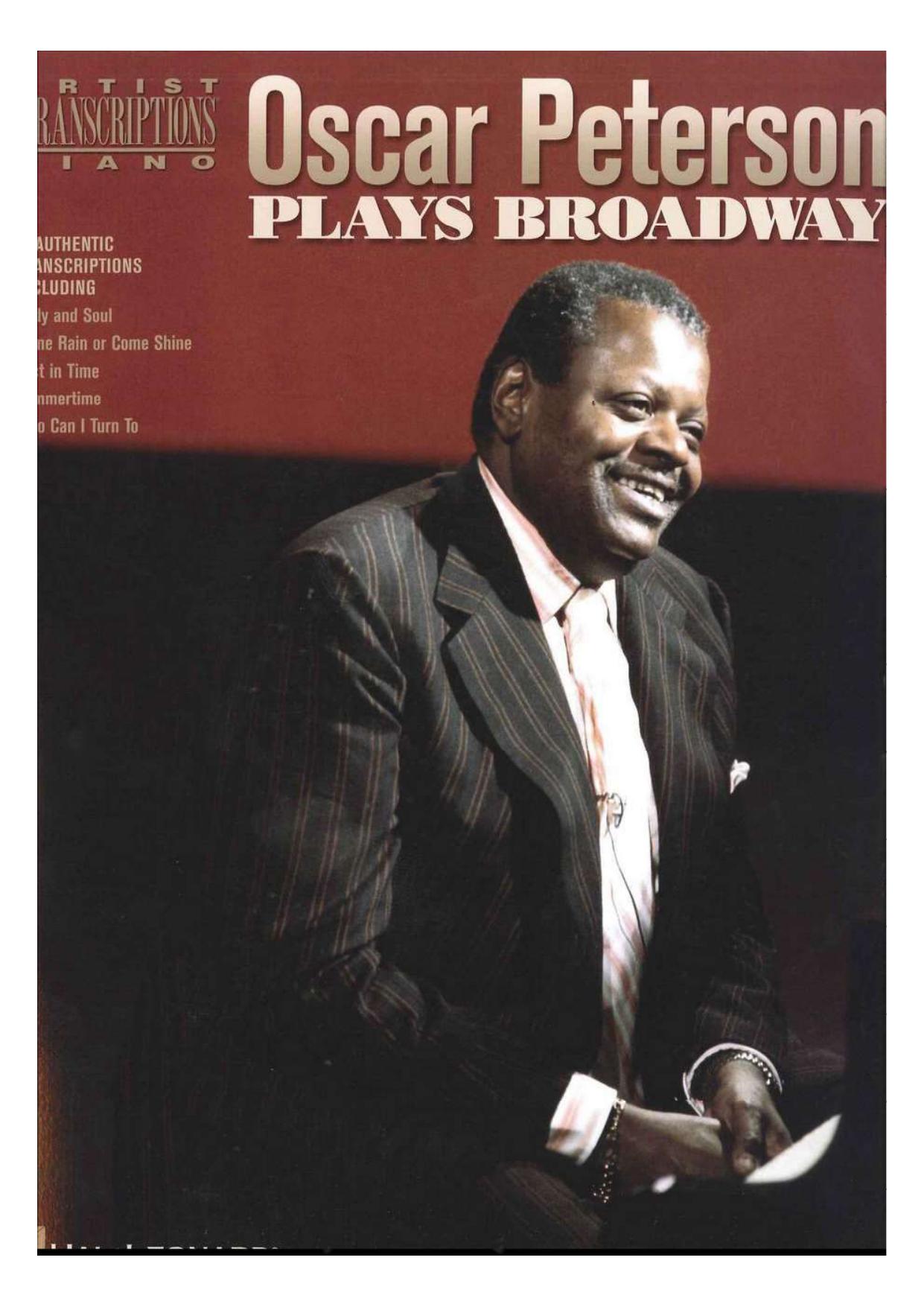
Who was Oscar Peterson?
Oscar Peterson: The Maharaja of the Keyboard
Among the jazz pianists, few names resonate with the sheer power, technical brilliance, and joyful swing of Oscar Emmanuel Peterson. He was a colossus, a figure whose command of his instrument was so complete, so effortless, that it often left audiences and fellow musicians alike in a state of stunned admiration. Dubbed the "Maharaja of the Keyboard" by Duke Ellington, Peterson was more than a virtuoso; he was a storyteller, a blues shouter on the piano, and the gold standard for the jazz piano trio. His career, spanning over six decades, produced an immense discography, defined the sound of modern mainstream jazz, and inspired generations of pianists to pursue the pinnacle of technical and expressive mastery.
The best sheet music download from our Library.


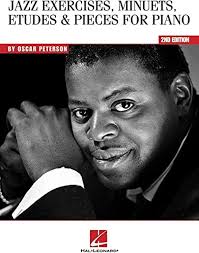
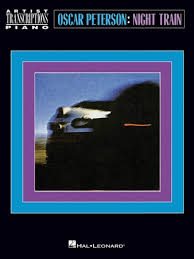
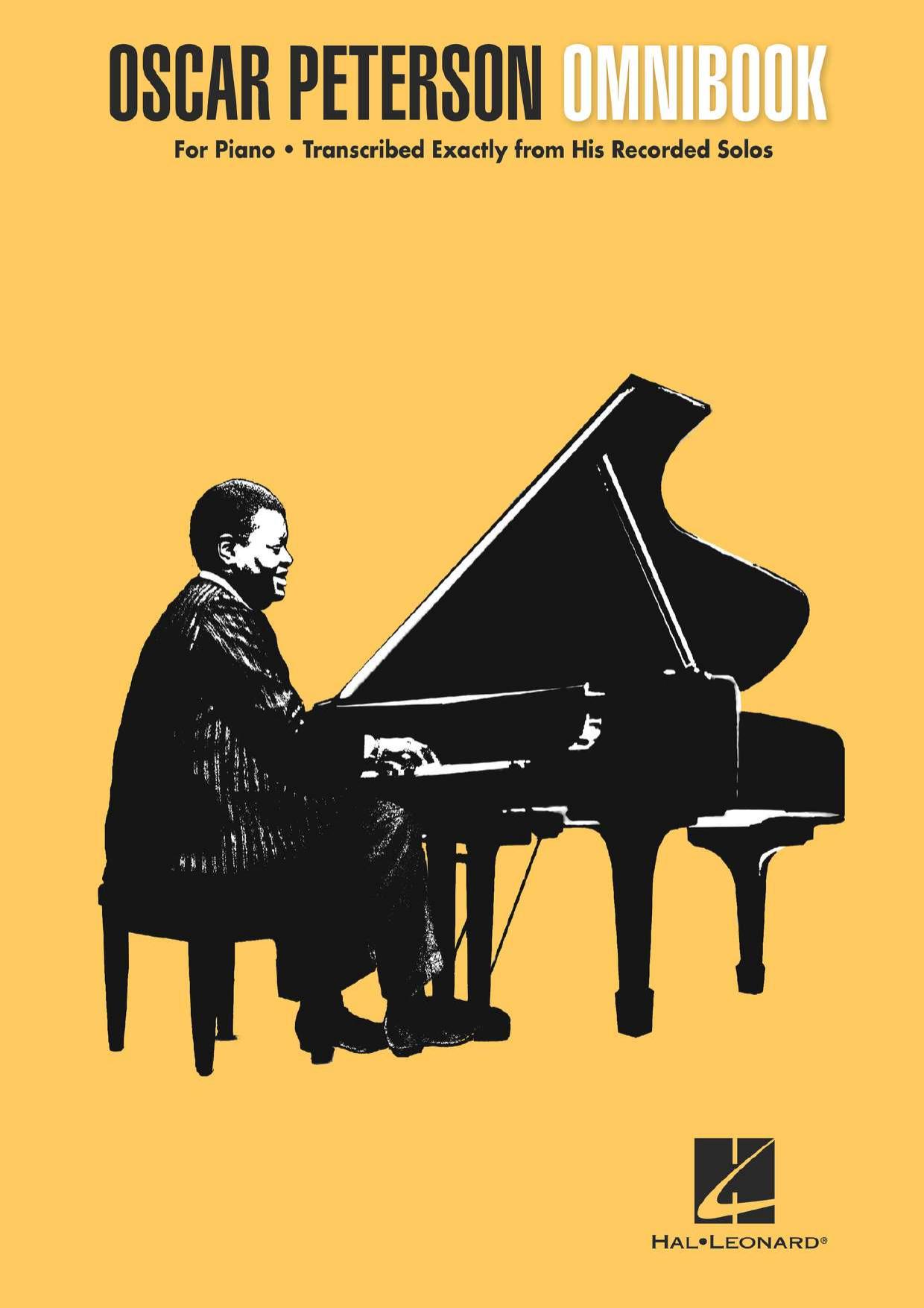
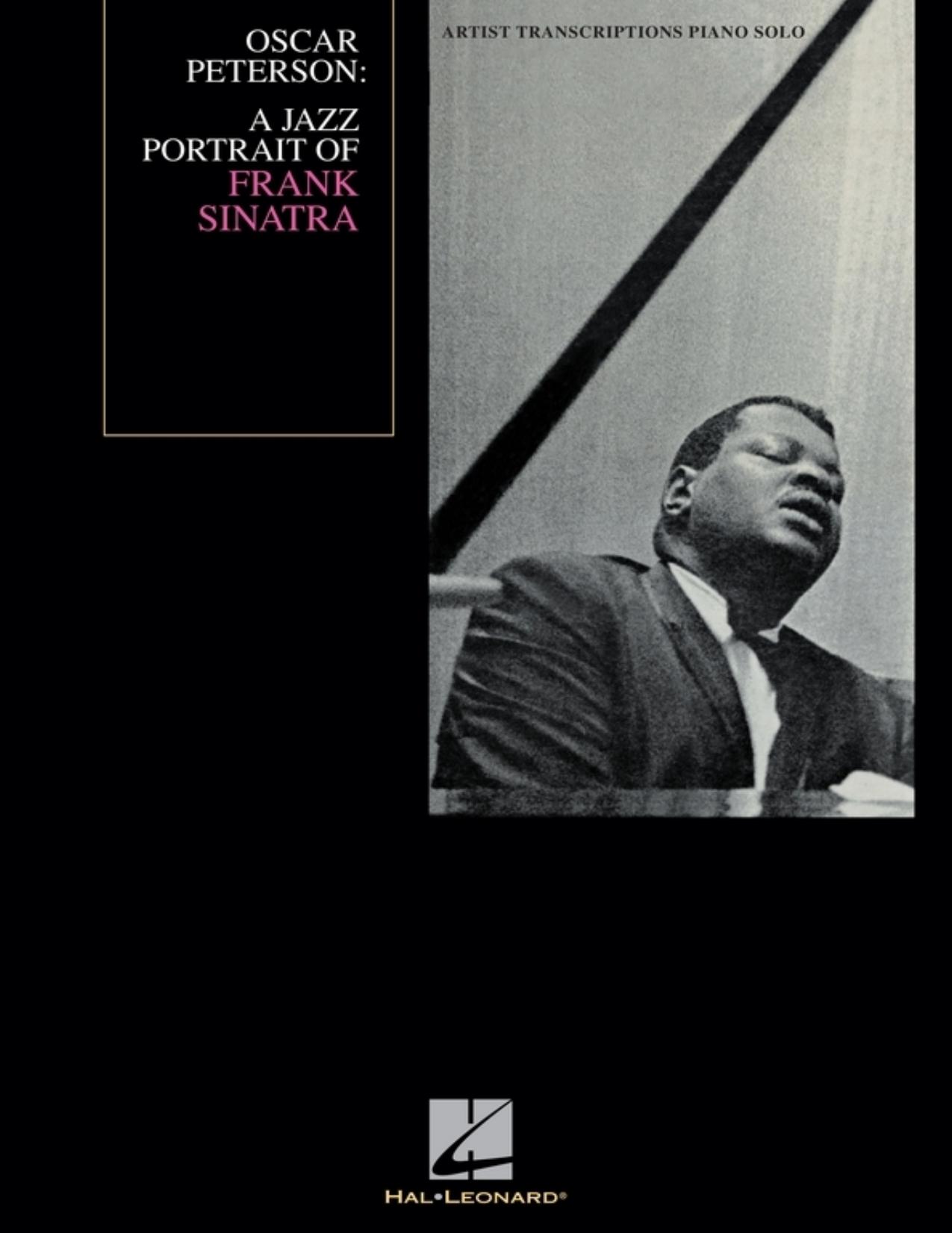
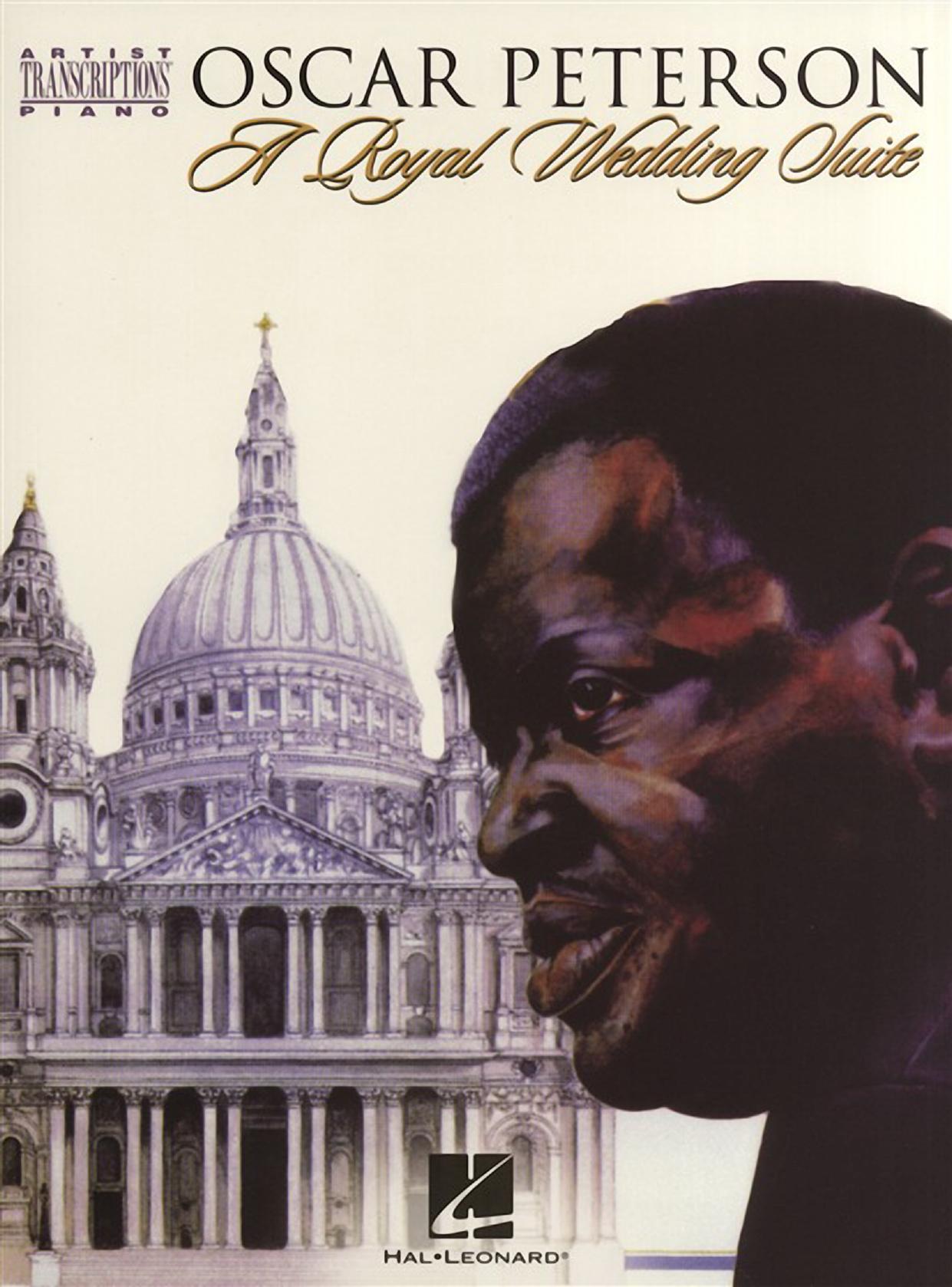
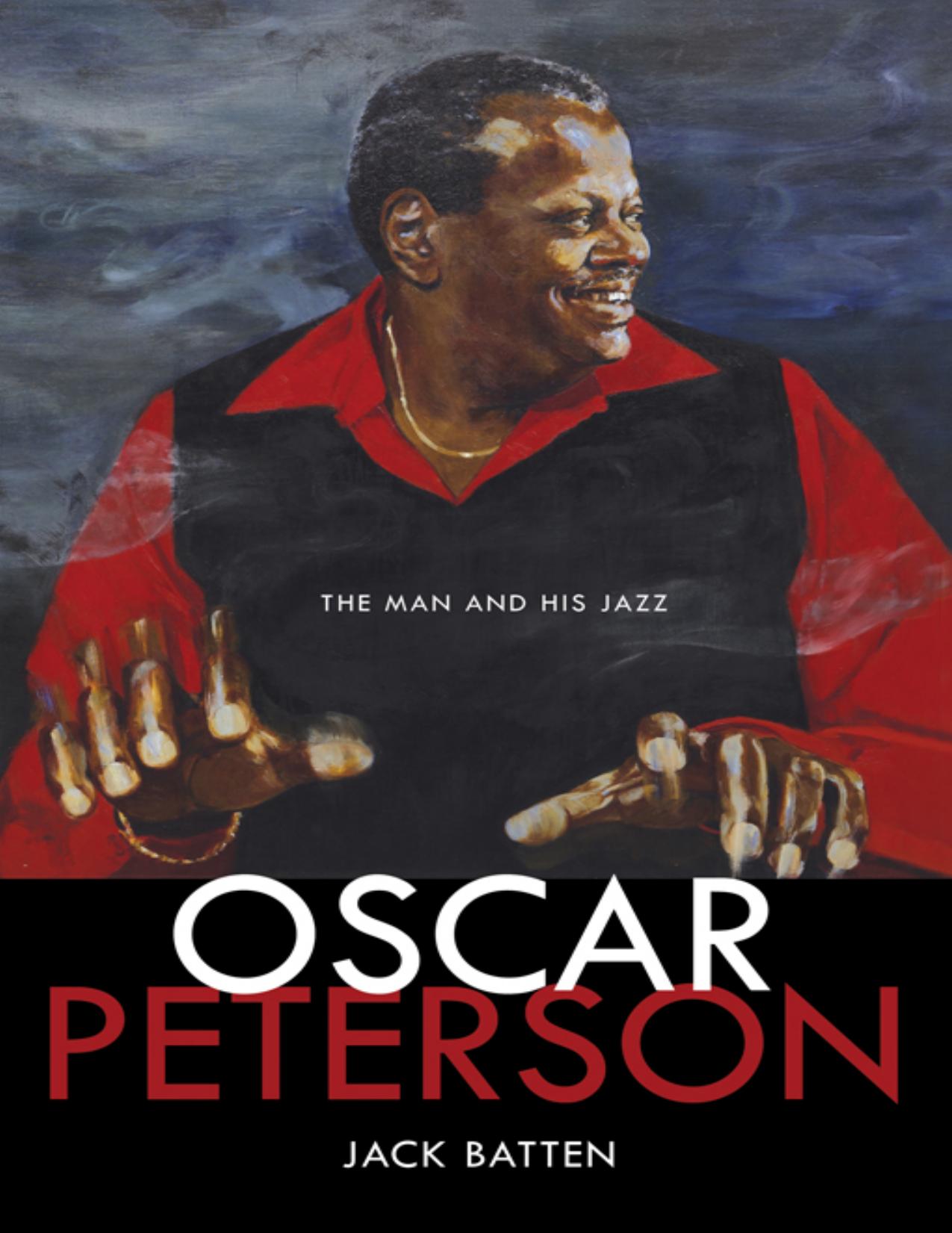
I. Biography: From Montreal to the World Stage
Oscar Emmanuel Peterson was born on August 15, 1925, in the working-class neighborhood of Little Burgundy in Montreal, Quebec, Canada. He was the fourth of five children in a musically rich household. His father, Daniel Peterson, a Canadian Pacific Railway porter and amateur trumpeter and pianist, was a strict but loving taskmaster who insisted that his children learn music. He recognized early on that music could be a path to a better life, free from the racial discrimination he faced on the railways.
Please, subscribe to our Sheet Music Library. Sheet music should be accessible and affordable for all musicians, from professionals to absolute beginners.
Oscar’s first instrument was the trumpet, but a bout of tuberculosis at age seven forced him to abandon it and focus on the piano. He began formal lessons with his older sister, Daisy, who was already an accomplished piano teacher. However, the most profound influence on his early development was his brother, Chuck, who became a professional trumpet player. It was through Chuck’s records that young Oscar was first exposed to the giants of jazz, particularly the pianist Art Tatum.
The story of Peterson’s discovery of Tatum is legendary. His father played him a record of Tatum’s "Tiger Rag." The sheer speed, complexity, and harmonic sophistication of Tatum’s playing so intimidated the young Oscar that he reportedly didn't touch the piano for a month, convinced he could never reach such heights. This initial shock transformed into a lifelong reverence, and Tatum became the ultimate benchmark and a primary influence on Peterson’s own style.
A child prodigy, Peterson won a national amateur contest sponsored by the Canadian Broadcasting Corporation (CBC) at the age of fourteen. This victory led to his own weekly radio show, "The Happy Gang," and later a series of shows, giving him invaluable professional experience while still a teenager. He studied classical piano with the Hungarian émigré Paul de Marky, a pupil of Franz Liszt, which honed his formidable technique and gave him a deep understanding of keyboard mechanics.
By the late 1940s, Peterson had become a star in Canada. His big break on the international stage came in 1949 when the impresario Norman Granz, who was in Montreal for a Jazz at the Philharmonic (JATP) concert, heard him on the radio. Granz was so impressed that he tracked him down and insisted he attend the concert. That very night, Granz essentially strong-armed Peterson onto the stage to perform an impromptu duet with bassist Ray Brown. The audience was electrified, and Granz knew he had found a new star. He became Peterson’s manager and producer, a partnership that would last for most of his career and launch him into the highest echelons of the jazz world.
Granz brought Peterson to New York City in 1949 for a historic debut at Carnegie Hall. From that moment, Oscar Peterson was a global phenomenon. He toured relentlessly with JATP, sharing the stage with the very idols he had grown up listening to, including Coleman Hawkins, Lester Young, and Charlie Parker. He soon formed his own groups, most famously his trios.
His first major trio featured Ray Brown on bass and a guitarist, first Barney Kessel, then the incomparable Herb Ellis. This guitar-bass-piano format became one of the most beloved in jazz history, known for its incredible swing and telepathic interplay. When Ellis left in 1958, Peterson transformed the group into the classic piano-bass-drums trio, initially with Ed Thigpen on drums. This lineup, with Brown and Thigpen, is often hailed as one of the greatest piano trios of all time, a perfect blend of power, swing, and finesse.
Throughout the 1960s, 70s, and 80s, Peterson continued to record and tour extensively. He worked with singer Ella Fitzgerald, formed duos with other pianists like Count Basie and Herbie Hancock, and recorded ambitious solo piano albums. His career was momentarily threatened in 1993 when he suffered a severe stroke that weakened his left hand. With characteristic determination and grit, he fought his way back to performance level, although his playing thereafter was marked by a more economical left hand, a challenge that forced him to adapt and, in many ways, become an even more inventive and resilient artist. He continued to perform and record until his health declined, passing away peacefully at his home in Mississauga, Ontario, on December 23, 2007, at the age of 82.
Search your favorite sheet music in the Sheet Music Library Catalog

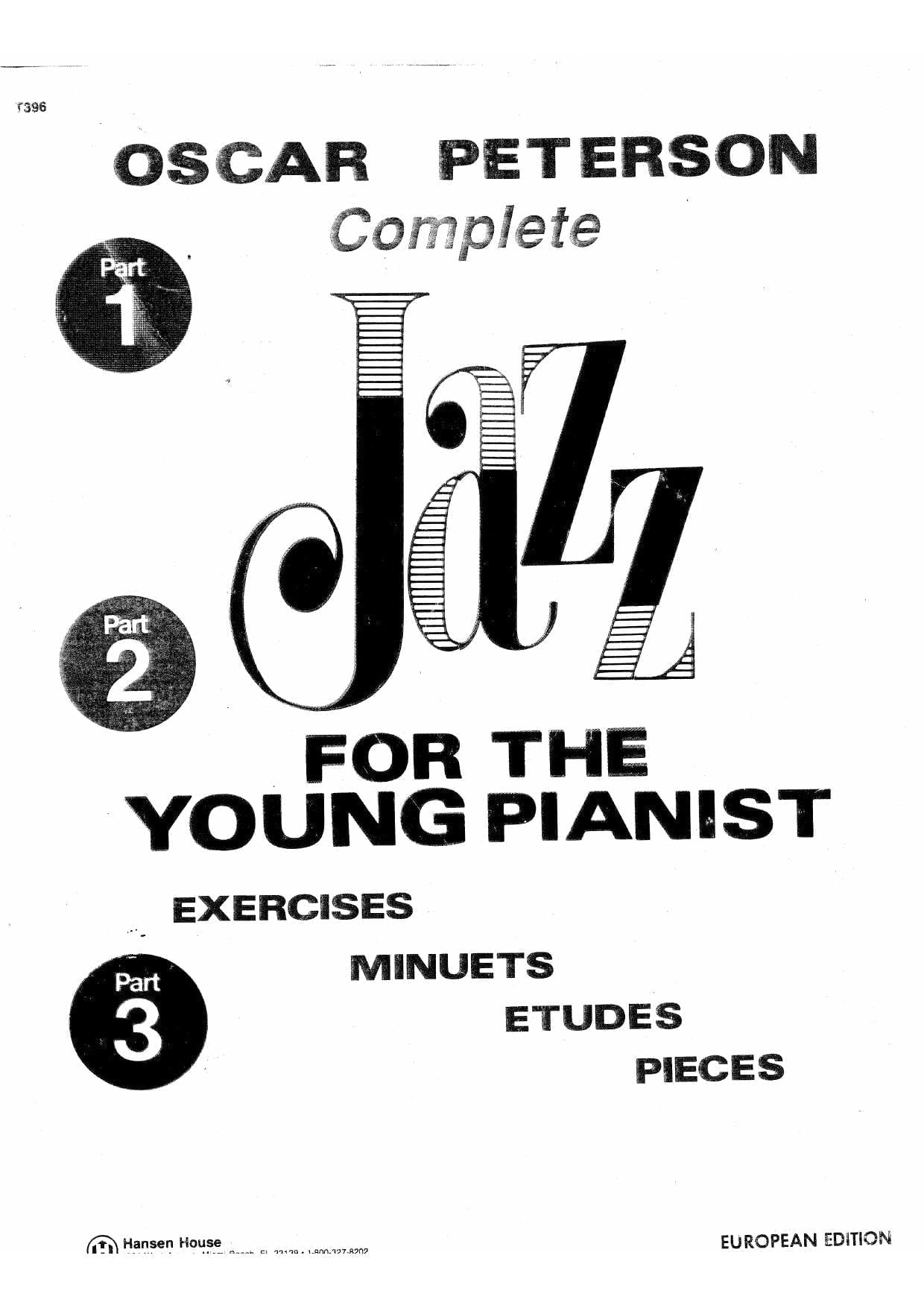
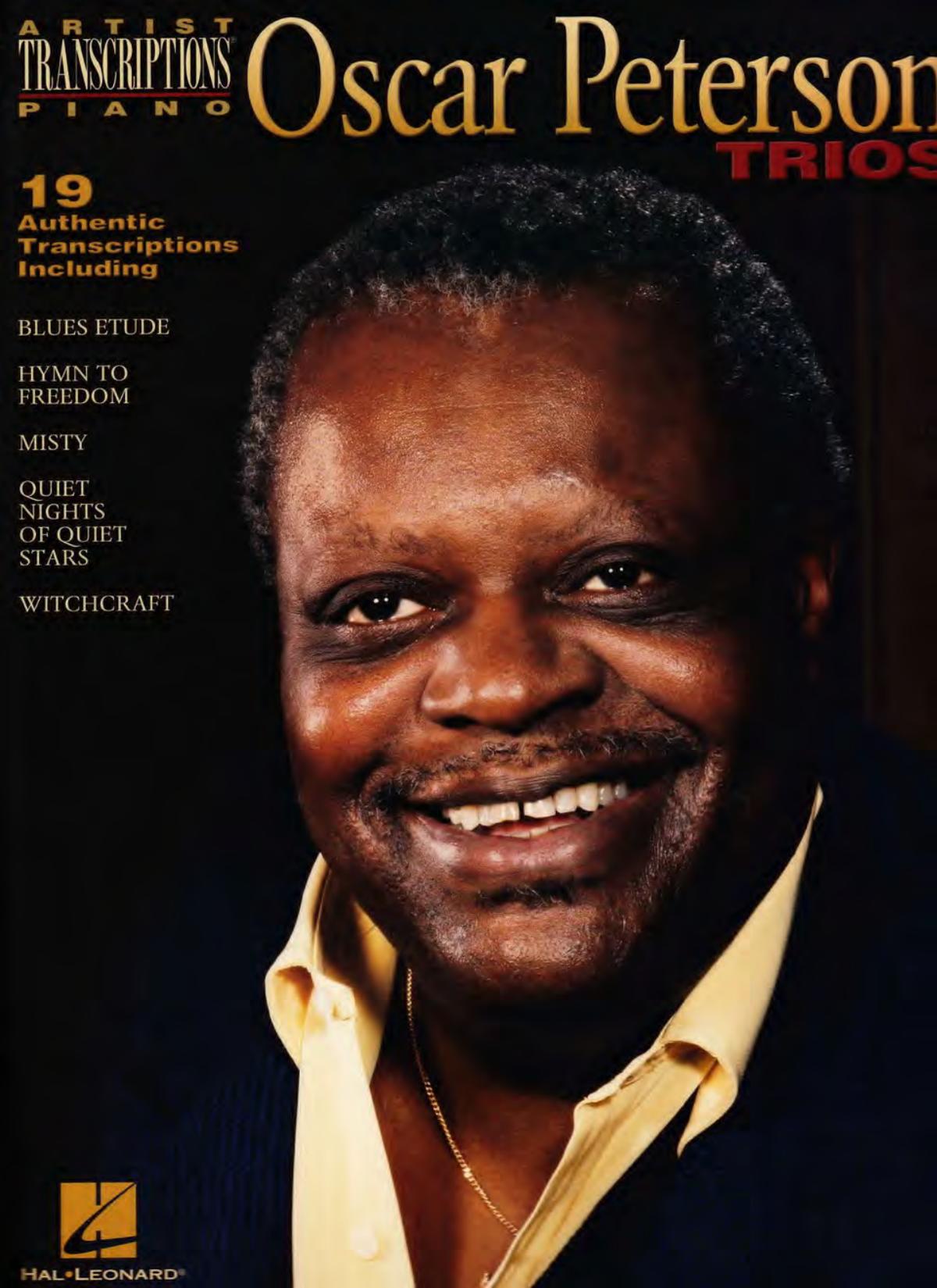
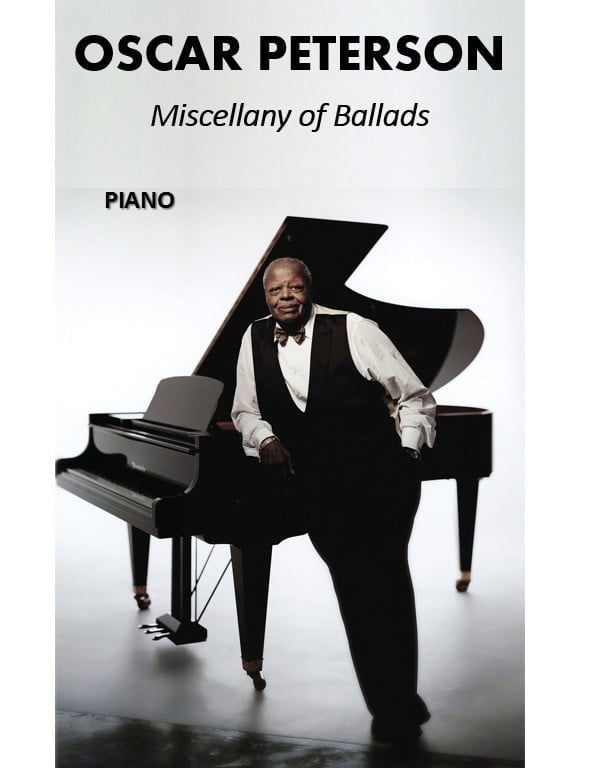

II. Music Style: The Synthesis of Swing and Virtuosity
Oscar Peterson’s style is best understood as a spectacular synthesis of the great jazz piano traditions that preceded him, filtered through a lens of unparalleled technique and an irrepressible sense of swing.
1. The Tatum Foundation: The most obvious foundation of Peterson’s style is Art Tatum. From Tatum, he adopted a vision of the piano as a complete orchestra. Peterson’s playing is characterized by lightning-fast runs that cascade across the entire keyboard, dense and elaborate embellishments, and a harmonic language that often pushed the boundaries of standard chord progressions. He had a Tatum-esque ability to make the most complex passagework sound effortless and lyrical.
2. The Blues and Gospel Roots: No matter how complex his playing became, it was always grounded in the blues. Raised in the church and steeped in the musical culture of Montreal’s Black community, Peterson’s playing had a deep, soulful grit. He could play a slow blues with a raw emotional power that was as moving as any singer. This blues sensibility is the thread that runs through his entire catalog, giving his music its profound humanity and accessibility.
3. The "Swinging" Beat: Peterson’s time-keeping was immaculate. His sense of swing was powerful, propulsive, and infectious. He often played with a heavy, percussive touch, particularly with his right hand, which could produce a bright, ringing tone that cut through any ensemble. His left hand, before the stroke, was a force of nature, capable of laying down a stride-like pulse or comping with a rhythmic drive that was the engine of his famous trios.
4. The Orchestral Approach: Like his hero Tatum, Peterson thought orchestrally. He would often build a solo from a whisper to a roar, beginning with single-note lines, moving to two-handed block chords, and culminating in dense, arpeggiated climaxes that sounded like a full big band. This sense of dramatic build and release is a hallmark of his style.
5. The Art of Accompaniment: Peterson was one of the greatest accompanists in jazz history. His work behind Ella Fitzgerald and Louis Armstrong is a masterclass in sensitivity and support. He knew exactly when to lay back, when to provide a rhythmic nudge, and how to frame a vocalist’s performance with beautiful harmonic color.
III. Relationship with Other Artists
Peterson’s genius was amplified by his collaborations. He was a generous and demanding bandleader who brought out the best in his sidemen.
- Norman Granz: His manager and producer, Granz was arguably the most important non-musician in Peterson’s life. Granz founded Verve and Pablo Records specifically (in part) to give Peterson artistic freedom. He fought for equal treatment for Black artists on tour, ensuring Peterson and his band were housed in the best hotels and played in the best venues, a significant act of defiance against the racism of the era.
- Ray Brown: The bassist was Peterson’s musical soulmate for over two decades. Their connection was almost supernatural. Brown’s powerful, perfectly in-tune bass lines were the anchor for Peterson’s flights of fancy. Their musical dialogues, particularly on up-tempo numbers, are legendary for their precision and swing.
- Herb Ellis and Barney Kessel: These guitarists were crucial to the sound of the 1950s trios. Their Freddie Green-inspired rhythm guitar style provided the perfect harmonic and rhythmic cushion, allowing Peterson to be both soloist and orchestrator.
- Ed Thigpen: The drummer who defined the 1960s trio sound. His brushwork was sublime, and his ability to swing at any tempo, with a light but firm touch, was the perfect complement to Brown’s bass and Peterson’s piano.
- Ella Fitzgerald: Their collaboration, especially on the landmark album Ella and Oscar (1975), is a treasure. Their mutual respect is palpable, with Peterson providing a gorgeous, intimate setting for Fitzgerald’s voice.
- Joe Pass, Niels-Henning Ørsted Pedersen, and Martin Drew: In the later part of his career, these musicians formed his most durable touring and recording ensembles. Danish bassist NHØP was a virtuoso in his own right, his incredible speed and dexterity matching Peterson’s perfectly. Their duet albums are a marvel of technical brilliance and musical communication.
- The Piano Duets: Peterson engaged in a series of fascinating piano duets, most notably with Count Basie (Satch and Josh), Herbie Hancock, and Michel Legrand. These sessions were less about competition and more about conversation, highlighting the deep mutual admiration between the artists.
IV. Chord Progressions and Music Harmony
Peterson’s harmonic language was sophisticated and rooted in the evolution of jazz piano. He was a master of reharmonization, taking a simple standard and enriching it with a tapestry of complex chords.
1. The Language of Bebop and Beyond: His fundamental harmonic vocabulary came from the bebop era, built on the extensions of chords: ninths, elevenths, and thirteenths. He would seamlessly incorporate chromatic passing chords, tritone substitutions, and secondary dominants to create a constant sense of forward motion.
2. The Art of the Substitution: A hallmark of Peterson’s style was his use of tritone substitution. If the progression called for a ii-V-I (e.g., Dm7-G7-Cmaj7), Peterson might substitute the G7 with a Db7, creating a smooth, chromatic bass line (D-Db-C). He would often stack substitutions, creating complex harmonic mazes before resolving them with impeccable logic.
3. The "Peterson" Run and Voicings: Peterson developed a signature vocabulary of runs and licks. His famous "double-octave" runs, where the right hand plays a melody in octaves, often with a third note added in between to create a thick, brassy sound, were a formidable display of power. His "locked-hands" technique, derived from Milt Buckner and George Shearing, allowed him to play dense, chordal melodies that sounded like a horn section.
4. Voicing a Melody: When playing ballads, he was a master of chordal voicing. He would often play the melody in the top voice of a rich, four- or five-note chord, creating a lush, orchestral texture. He moved these voicings with a voice-leading expertise learned from his classical training, making even the most complex harmonies sound smooth and logical.
5. The Blues as a Harmonic Playground: Peterson was a master of the 12-bar blues. He would frequently reharmonize the basic blues progression, adding altered dominants and complex turnarounds, but he never lost the essential, gut-bucket feeling of the form. He could play a chorus using pure, traditional blues harmony and then launch into a chorus of breathtaking harmonic complexity, all while maintaining the same deep swing.
V. Influences and Legacy
Influences:
- Art Tatum: The primal influence, the benchmark of technique and harmonic daring.
- Nat King Cole: Cole’s elegant, melodic approach and his pioneering piano-guitar-bass trio format were a direct model for Peterson’s own groups.
- Teddy Wilson: From Wilson, Peterson learned a refined, crystalline touch and a sophisticated approach to swing.
- Erroll Garner: Garner’s dramatic, orchestral approach and his powerful sense of rhythm were also an influence.
- Classical Music: His studies with Paul de Marky and his deep love for composers like Bach, Liszt, and Rachmaninoff informed his impeccable technique and sense of structure.
Legacy:
Oscar Peterson’s legacy is monumental. He is widely considered one of the greatest jazz pianists of all time, a figure who embodied the ideal of the complete musician. He won eight Grammy Awards, including a Lifetime Achievement Award, and was inducted into the Canadian Music Hall of Fame and the International Jazz Hall of Fame. He received numerous honorary degrees and was made a Companion of the Order of Canada, the nation’s highest civilian honor.
His legacy extends beyond his awards. He proved that immense technical ability need not come at the expense of soul and swing. He served as a global ambassador for jazz, bringing the music to countless people around the world. For countless pianists—from Benny Green and Monty Alexander to Hiromi Uehara—the image of Oscar Peterson, hands flying over the keys, is an enduring source of inspiration and a standard of excellence to which to aspire. He demonstrated that the piano could be a vehicle for both profound intimacy and breathtaking, orchestral power.
VI. Works and Discography
Further information: Oscar Peterson discography
Peterson’s discography is vast, encompassing well over 200 albums. Here are some of the most essential:
Key Studio and Live Albums:
- Night Train (1963): A masterclass in groove and blues, recorded with Ray Brown and Ed Thigpen. The title track is one of the most recognizable blues themes in jazz.
- We Get Requests (1964): A beautifully programmed album of standards, showcasing the trio’s incredible interplay and Peterson’s melodic gifts.
- The Trio: Live from Chicago (1961): A perfect document of the Brown-Thigpen trio's power and telepathy at a live show.
- At the Stratford Shakespearean Festival (1956): A stunning live recording of the classic guitar-bass-piano trio with Herb Ellis and Ray Brown, capturing their legendary swing.
- Ella and Oscar (1975): A sublime duet album with Ella Fitzgerald.
- The Sound of the Trio (1961): Another masterpiece from the legendary trio, featuring an incredible rendition of "Tricotism."
- Oscar Peterson Plays the Duke Ellington Songbook (1959): A tribute to one of his heroes, showcasing his mastery of composition and arrangement.
- Porgy and Bess (with Joe Pass) (1976): A brilliant duet interpretation of Gershwin’s opera.
Most Known Compositions and Performances:
While primarily an interpreter of standards, Peterson was a gifted composer. His most famous compositions include:
- "Hymn to Freedom": A gospel-infused anthem that became a civil rights anthem, often played as a closing number.
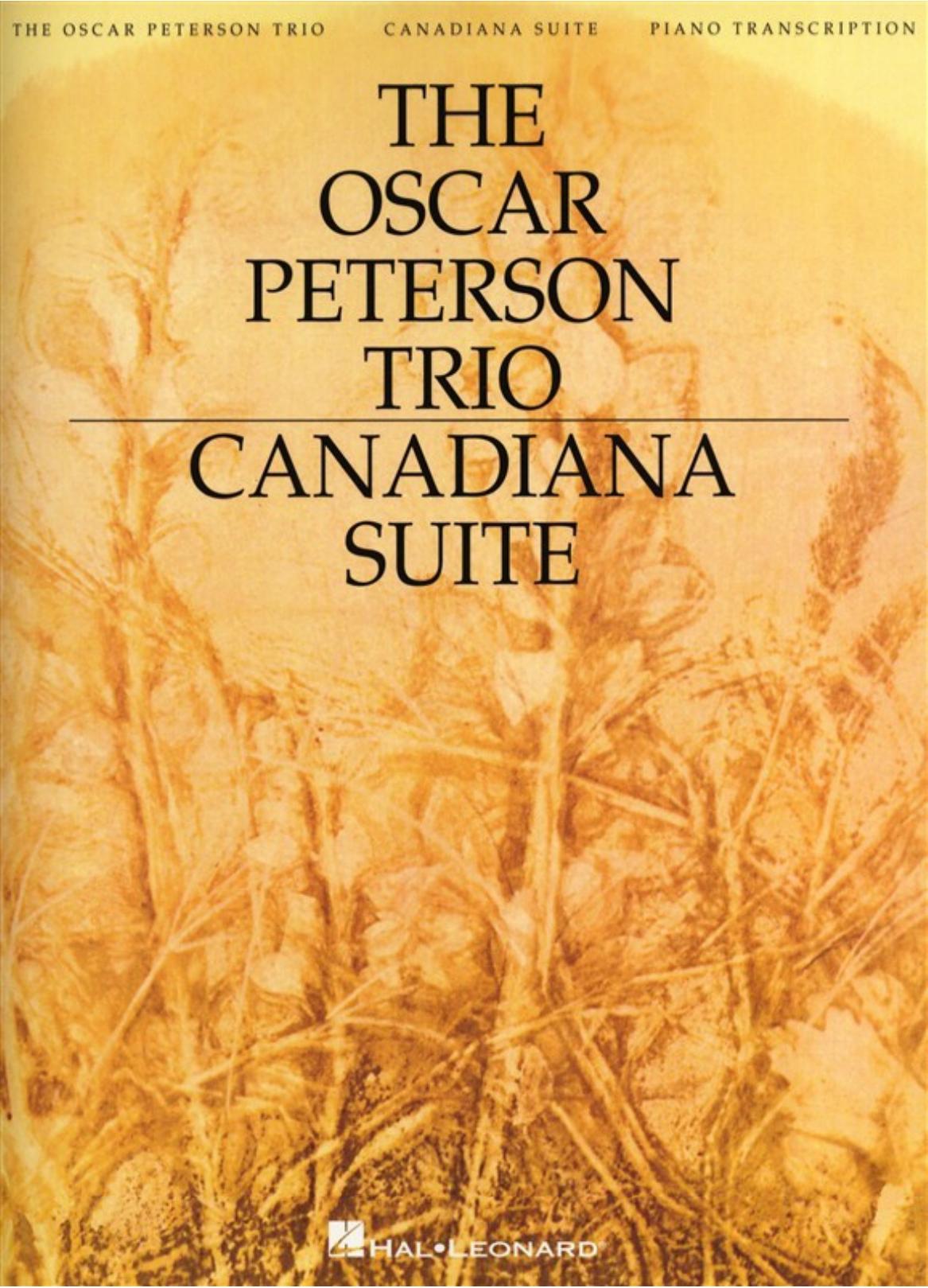
- "Canadiana Suite": A multi-movement work celebrating his Canadian identity.
- "The Smudge", "Wheatland", and "Blues Etude": Classic hard-swinging originals that have become jazz standards in their own right.
- His performance of "C Jam Blues" from the Night Train album is the definitive version, a masterclass in building a solo.
- His medley of "The Girl from Ipanema" and "Meditation" is a perfect example of his lyrical, romantic side.
VII. Works in Films and Documentaries
Peterson’s music has been featured in numerous films, and he himself was the subject of several documentaries.
As a Composer/Performer for Film:
- He composed and performed the music for the 1978 Canadian thriller The Silent Partner, which won him a Genie Award (Canadian Oscar).
- His performances are prominently featured in films like The Fabulous Baker Boys (1989), whose main character is a pianist inspired by Peterson.
- His music has been used in countless other films to evoke a feeling of sophisticated jazz, including Havana (1990).
Documentaries:
- Oscar Peterson: Music in the Key of Oscar (1995): A comprehensive documentary covering his life and career.
- Oscar Peterson: The Life of a Legend (1996): Another detailed biographical film featuring interviews and performances.
- Oscar Peterson: Keeping the Groove Alive (2004): A later documentary focusing on his resilience and continued artistry after his stroke.
- In the Key of Oscar (1992) is another frequently cited documentary.
Oscar Peterson was more than just a pianist; he was a cultural force. His music was a celebration of life, a testament to the power of discipline and dedication, and a profound expression of joy. In every note he played, from the most delicate ballad to the most ferocious up-tempo swinger, one could hear the essence of jazz itself: the blues, the swing, and the indomitable spirit of human creativity. He remains, as Duke Ellington so aptly put it, the "Maharaja of the Keyboard," and his throne remains unchallenged.
Browse in the Sheet Music Library:
Or browse in the categories menus & download the Library Catalog PDF:
Trio • Concert 1965 - World of Jazz
Tracklisting: 00:00 "Someday my prince will come" 3'19". 03:19 Intro 2'40". 05:59 "Maria" (uit West Side Story) 3'37". 09:36 "You look good to me" 5'28". 15:04 "Tonight" (West Side Story) 3'22". 18:26 "Goodbye" 7'13". 25:39 "Golden striker" 4'37".