
Scores for all instruments: 16,000+ (active and growing), over 236,000 pages.
All genres and levels: Jazz & Blues, Rock & Pop, Classical & Contemporary, Film & Musicals;
books & biographies; methods, études, play-along tracks (MP3) for Jazz & Rock.
Access & benefits: US$15.99 one-time payment, valid for lifetime, full Library access.
Table of Contents
Who was Scott Joplin (1868-1917)?
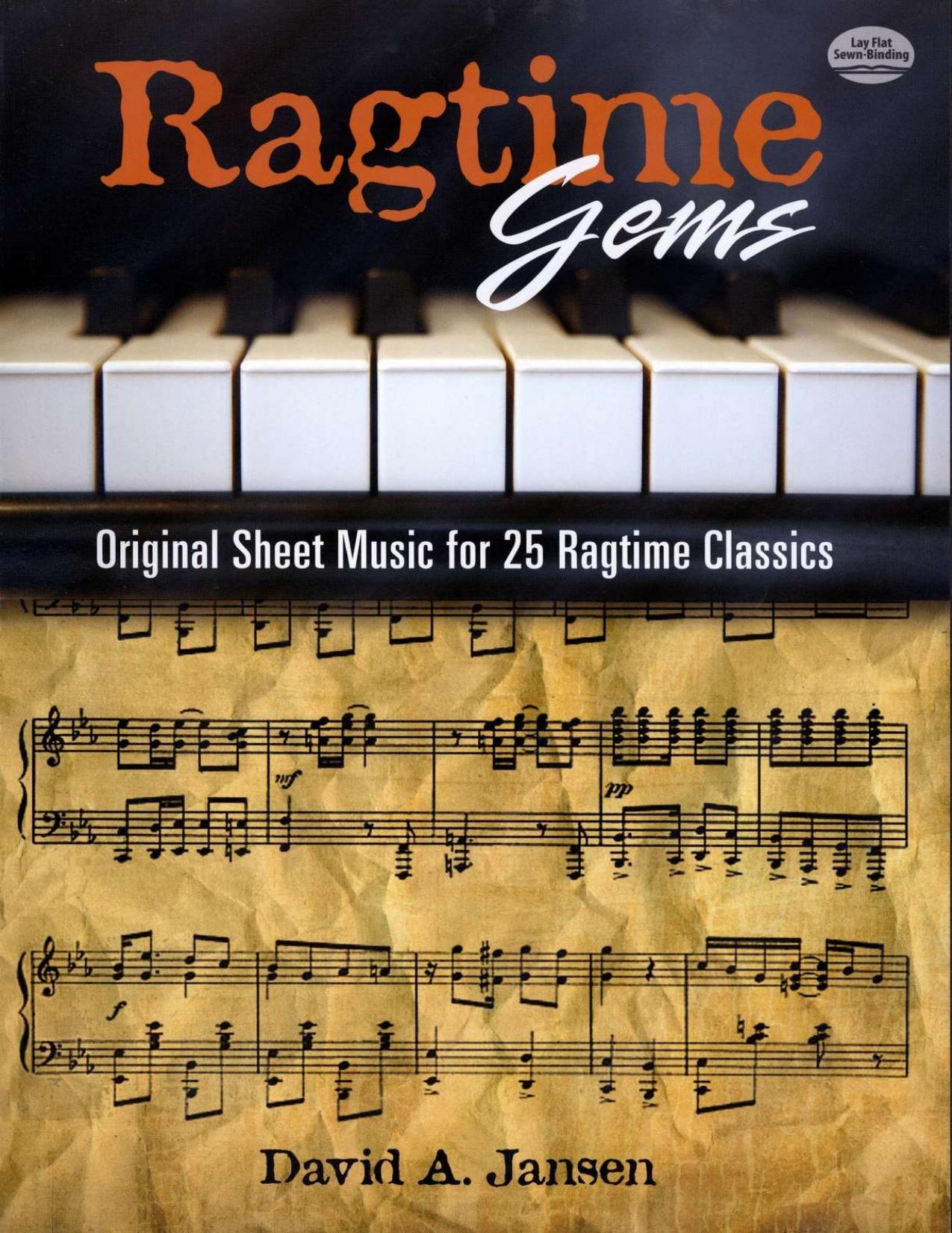

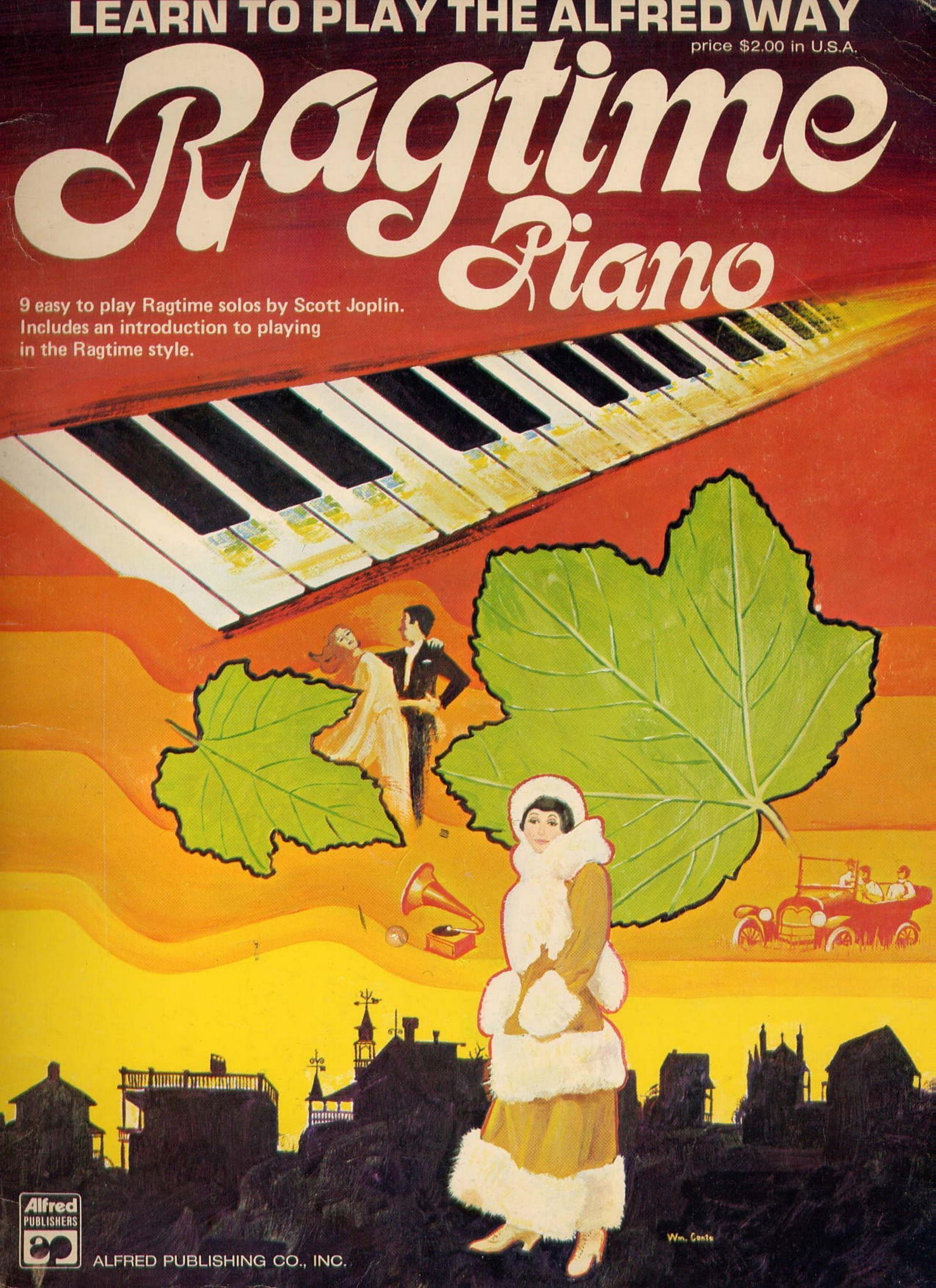
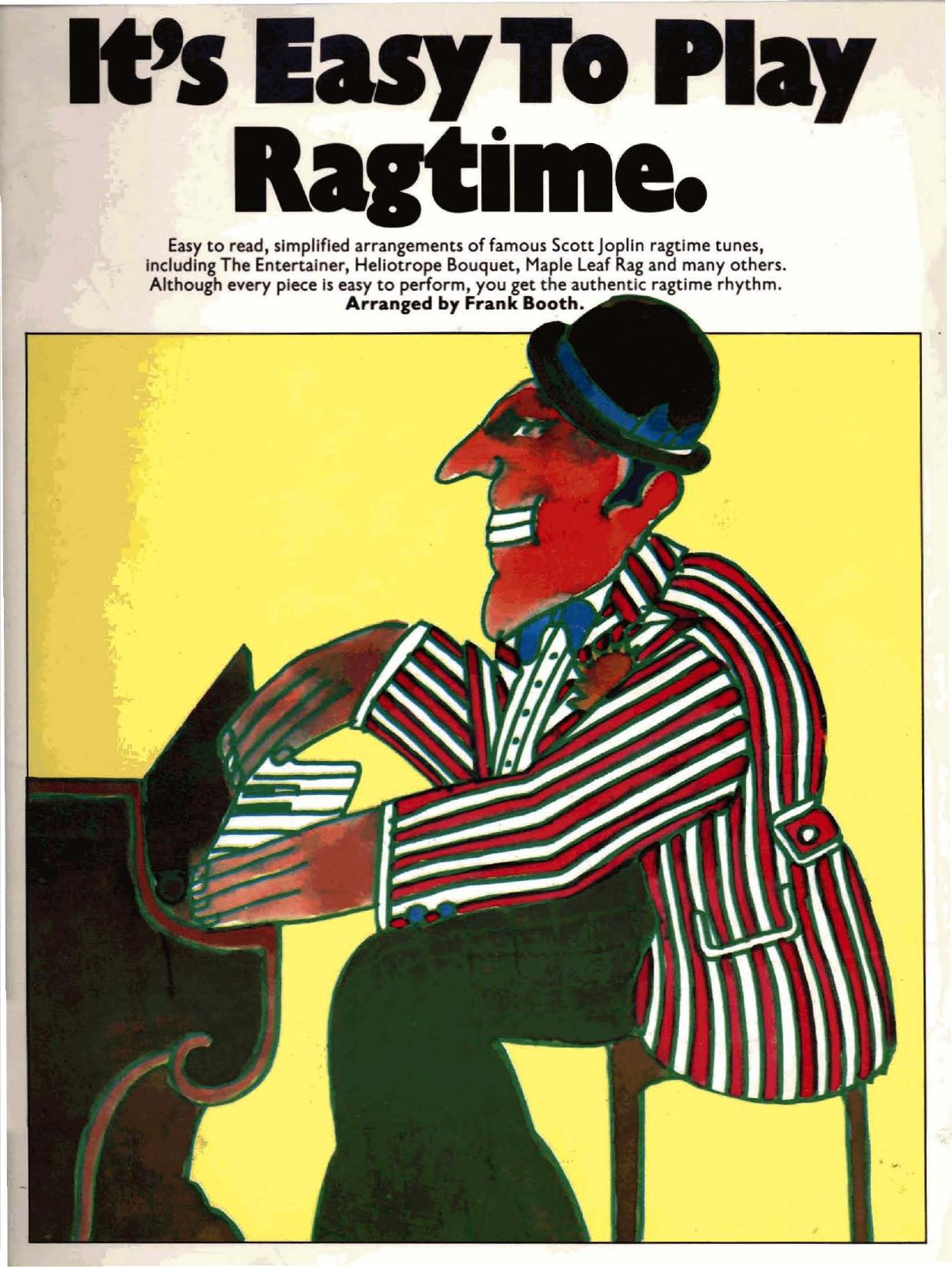
Scott Joplin: The King of Ragtime and the Architect of American Syncopation
Scott Joplin is not merely a composer. He is the single most important figure in the history of ragtime, a genre that served as the bridge between the brass-band marches of the nineteenth century and the improvisational explosion of jazz in the twentieth. He was an African American composer born just three years after the end of the Civil War, the son of an ex-slave and a freeborn woman, who transcended the brutal limitations of his era to write music of extraordinary sophistication, emotional depth, and structural rigor. He sold millions of copies of sheet music, yet died destitute and largely forgotten. He composed an opera that he considered his masterpiece, yet never saw it staged. He was, in the words of one contemporary, "the King of Ragtime Writers," a title he earned through a body of work that includes some of the most enduring compositions in American music: "Maple Leaf Rag," "The Entertainer," "The Easy Winners," "Solace," and "Bethena."
The best sheet music download from our Library.
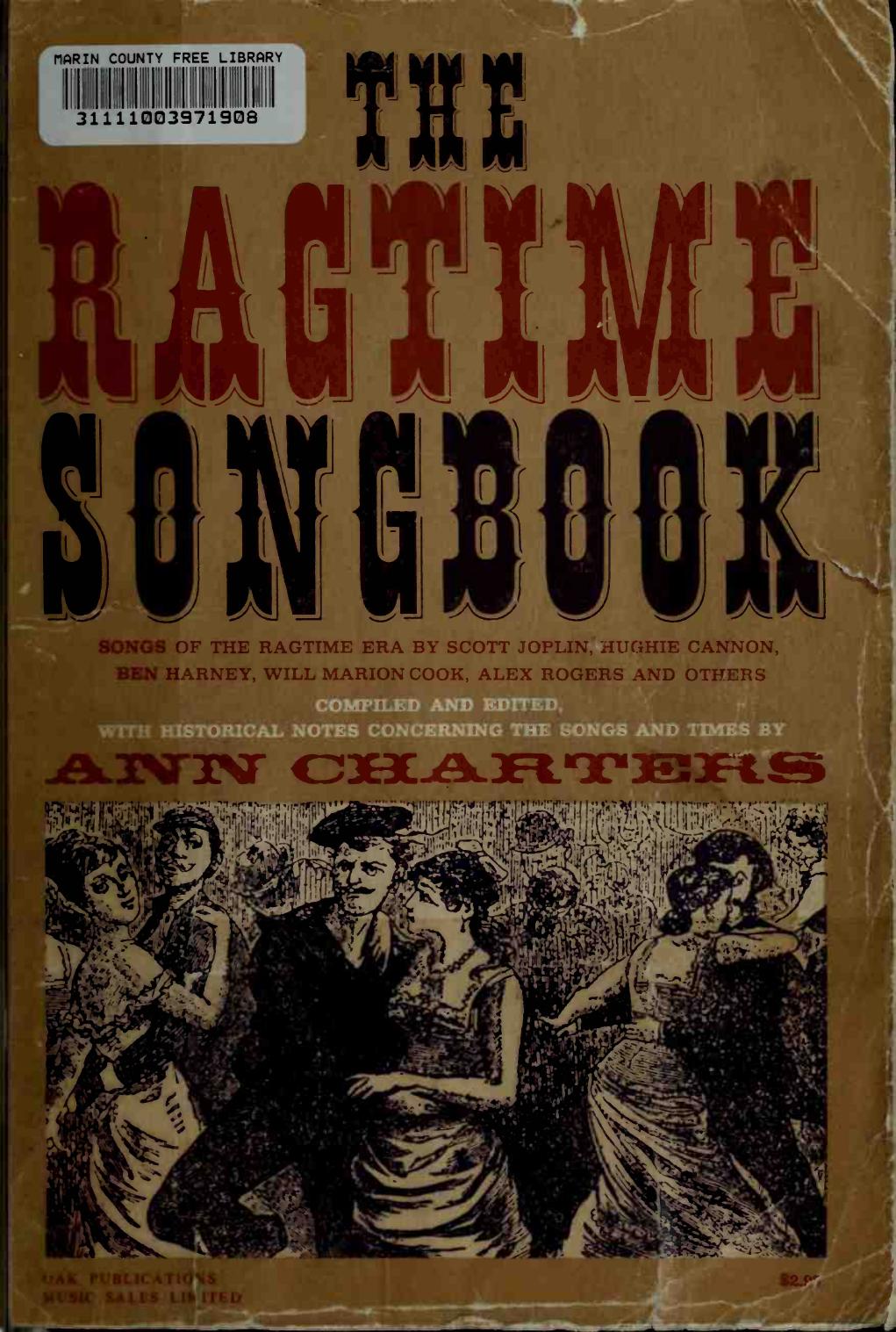
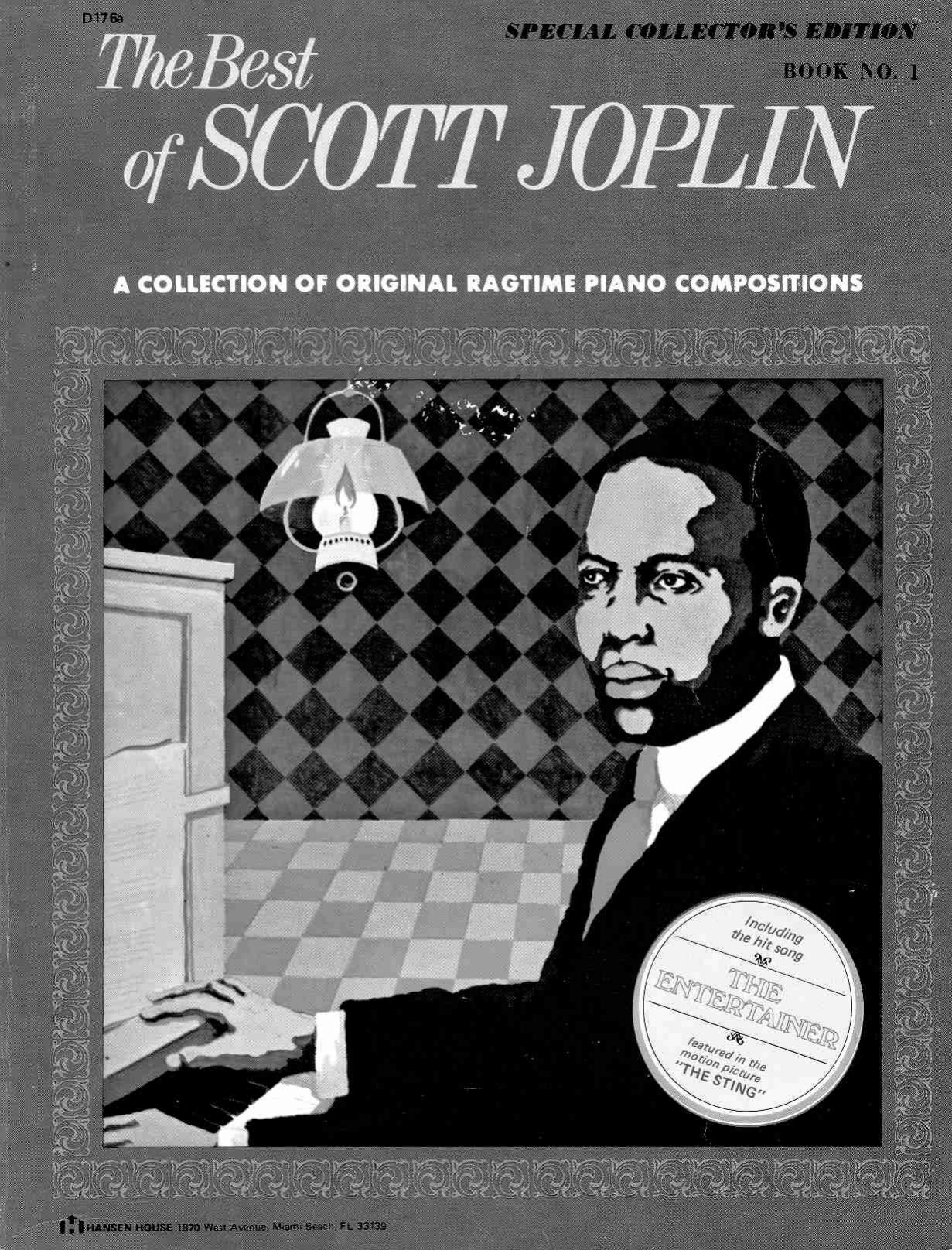
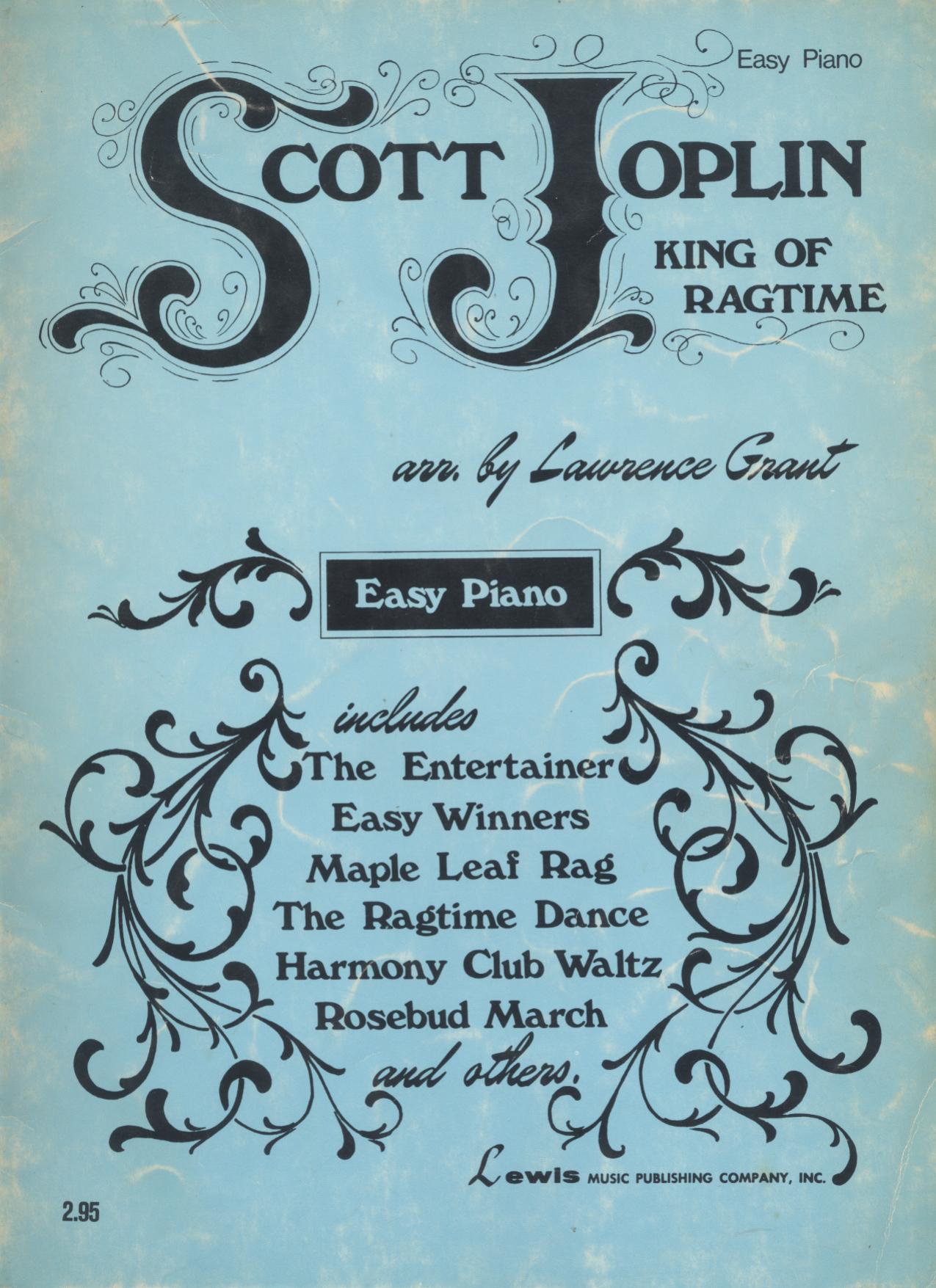
Please, subscribe to our Sheet Music Library. Sheet music should be accessible and affordable for all musicians, from professionals to absolute beginners.
To understand Scott Joplin is to understand a man who fought against the grain of his time. He insisted that ragtime was not frivolous dance music but a serious art form deserving of the same respect accorded to European classical music. He affixed warnings to his scores: "It is never right to play ragtime fast". He studied music theory and composition throughout his life, and he dreamed of writing an opera that would elevate Black American culture in the eyes of the world. He died at the age of 48, ravaged by syphilis, in a mental institution in New York City, his life's work seemingly consigned to oblivion.
And then, more than half a century after his death, everything changed. A recording of his rags by Joshua Rifkin became a bestseller. A film called The Sting, starring Paul Newman and Robert Redford, used his music as its soundtrack and won an Academy Award. His opera Treemonisha was finally staged, first in Atlanta in 1972 and then on Broadway. In 1976, he was posthumously awarded the Pulitzer Prize for his contributions to American music. Scott Joplin, the man who died forgotten, became an icon of American culture.
Search your favorite sheet music in the Sheet Music Library Catalog
Biography: From the Texas-Arkansas Border to Tin Pan Alley
Scott Joplin was born sometime between the summer of 1867 and mid-January 1868, in northeast Texas, near the town of Linden. His father, Giles Joplin, was an ex-slave who worked as a laborer on the railroad, and his mother, Florence Givens, was a freeborn woman who worked as a domestic. The family moved to Texarkana, on the Texas-Arkansas border, when Scott was seven years old, and it was there that he first displayed his prodigious musical talent.
Joplin's early musical education was informal. He taught himself to play the piano on an instrument in a home where his mother worked, and by the age of eleven, his gift had been noticed by a German-born music teacher named Julius Weiss. Weiss, who had emigrated to Texas from Germany, recognized that Joplin possessed an unusual aptitude for music and began to tutor him, introducing him to European classical music, music theory, and the disciplined practice habits that would characterize his later career. This early exposure to classical music—to the works of composers like Wagner, Liszt, and Chopin—would have a profound influence on Joplin's compositional ambitions. As one source notes, Joplin "received an education in European art music and was influenced by the operas of Richard Wagner and other classical authors".
As a teenager, Joplin worked professionally in dance halls, saloons, and brothels, performing in minstrel troupes, as a cornetist in the Queen City Cornet Band, as a singer in the Texas Medley Quartette, and as a pianist. This itinerant period of his life exposed him to the full spectrum of African American musical culture—the spirituals of the church, the work songs of the laborer, the blues of the Mississippi Delta, and the syncopated dance music of the honky-tonk. All of these influences would find their way into his rags.
In the mid-1890s, Joplin settled in Sedalia, Missouri, a railroad town with a bustling red-light district that provided ample employment for a young pianist. He enrolled at the George R. Smith College, where he studied music theory and composition in hopes of a career as a pianist or composer. He also played with several ensembles, including the Queen City Cornet Band, and opened his own piano studio, where he taught and encouraged other composers whose names would eventually join his in ragtime history.
It was in Sedalia that Joplin's career took its decisive turn. In 1899, he published "Maple Leaf Rag" with a local music publisher named John Stark. The composition was an immediate sensation. It sold 75,000 copies of sheet music in six months and went on to sell millions both as sheet music and in dozens of recordings. It made Joplin famous—or at least as famous as a Black composer could be in turn-of-the-century America—and it established him as the "King of Ragtime Writers". As the New York Times noted, "Maple Leaf Rag" was "the signature piece of ragtime, which itself lent its name to an era of American life and helped set the foundations for jazz".
Joplin's musical activities in Sedalia brought him into contact with the source of ragtime—piano playing in African-American social establishments. His engagements at the popular Maple Leaf Club inspired his most famous tune, and his collaborations with other aspiring ragtime composers, including Arthur Marshall and Scott Hayden, helped to establish a Midwestern school of classic ragtime.
In 1901, Joplin moved to St. Louis to work more closely with his publisher, John Stark. He continued teaching and composing, and in 1903, he completed and staged his first opera, A Guest of Honor, which is now lost. He went briefly to Chicago in 1907, where he collaborated with an ailing Louis Chauvin on the rag "Heliotrope Bouquet," a piece that is unique among Joplin's works for its slow-drag tempo and its haunting, melancholy beauty.
By the end of 1907, Joplin had settled in New York City, where he focused his efforts on the completion of what he considered his chef-d'oeuvre: the opera Treemonisha. He joined the Colored Vaudeville Benevolent Association and set about the arduous task of seeking a backer to mount a full staging of the work. The search proved fruitless, and the opera was never staged in Joplin's lifetime. In the mid-1910s, beset with syphilis, he made hand-played piano rolls of several of his compositions. He died on April 1, 1917, in New York, following a lengthy hospitalization.
Joplin's personal life was marked by tragedy. His first marriage, to Belle Jones in 1901, ended in divorce two years later. In 1904, he married Freddie Alexander, who died of pneumonia just ten weeks after their wedding. He later married Lottie Stokes in 1911, who controlled his career and helped him form a publishing company. His wife Freddie is shown to be a major inspiration to his opera Treemonisha, with her family background and values being reflected in that work.
Musical Style and Technique: The Classic Rag
Scott Joplin's musical style is the definition of classic ragtime. He did not invent the genre—ragtime emerged from the syncopated dance music of African American communities in the 1890s—but he formalized it, elevated it, and gave it a structural rigor that distinguished it from the more casual, improvisatory ragtime of his contemporaries. As one analysis notes, "Scott Joplin can most certainly be considered the father of Ragtime because of his formalizing of what the sound and form of Ragtime music should be".
The technical foundation of ragtime is the "pomp" or "boom-chicka-boom" rhythm: a steady, march-like bass line in the left hand, alternating a low bass note with a chord, while the right hand plays a syncopated, highly melodic line. This creates a rhythmic tension between the metronomic left hand and the fluid, "ragged" right hand—a tension that echoes the sophisticated polyrhythmic traditions of African music. Joplin's rags typically follow a multi-strain structure: an A strain, a B strain, a C strain, and sometimes a D strain, each repeated, with a modulation to a new key—usually the subdominant—at the trio section. This structure, derived from the marches of John Philip Sousa and the cakewalks of the minstrel stage, gave Joplin's rags a formal coherence that was unusual in popular music of the era.
Joplin's piano writing is characterized by its melodic elegance and its harmonic sophistication. He possessed, in the words of one analysis, "a melodic gift for elegant simplicity". His melodies are memorable, singable, and built on clear, symmetrical phrases. But beneath this apparent simplicity lies a harmonic language of considerable subtlety. Joplin's works are "broadly speaking simple harmonically," but "the elegance lies in the simplicity of the tonal plan".
One of Joplin's signature compositional techniques was the use of voice leading in harmonized melodic lines, particularly the use of an inner voice descending a chromatic fourth. He often used this technique to bring resolution to individual strains. In "The Easy Winners," for example, he uses this device to create a sense of "musical thinking unusual for ragtime". He was also fond of tonic chords with an added sixth, a chord that adds a sense of warmth and ambiguity to what would otherwise be a straightforward major triad.
Joplin's approach to rhythm was equally distinctive. He was adamant that ragtime should not be played fast. "It is never right to play ragtime fast," he wrote in the preface to his School of Ragtime (1908), a self-published treatise that demonstrated how serious he was about the genre. He warned that not all syncopated music "that masqueraded under the name of ragtime" was genuine, and that only by giving each note its proper value and "scrupulously observing" the music's markings could a pianist achieve the correct effect. "Joplin ragtime," as he termed his style, would be destroyed by careless interpretation.
This insistence on precision and restraint was a reflection of Joplin's classical aspirations. He considered ragtime to be a branch of formal music and fought for its recognition as such. He combined the syncopated rhythms of ragtime with the larger structures and forms of art music genres such as ballet and opera. His rags were "strict enough to be dubbed 'classic,' an epithet that both he and John Stark, his major publisher, employed to market their sheet music".
Harmony: Sophistication Within a Square Framework
Scott Joplin's harmonic language is one of the most fascinating aspects of his music. On the surface, his rags appear to be built on the straightforward chord progressions of late-nineteenth-century popular music: I, IV, V, and occasional secondary dominants. But a closer analysis reveals a composer with a deep understanding of chromatic harmony, voice leading, and the expressive potential of individual scale degrees.
A recent scholarly analysis of Joplin's piano music notes that his works are "replete with subtle harmonic details within a square framework". These details include "specifically interesting usages of two idioms: (1) tonic chords with an added sixth and (2) chromatic voice leading that gives rise to plenty of rare intervals". Among these rare intervals is the use of scale degree six, which functions as "a corollary of the augmented-sixth before a major [chord], and enharmonic equivalent of ♭VI". Each of these idioms serves as a "special kind of pivot chord," allowing Joplin to move smoothly between keys and to add color to his harmonic palette.
In his opera Treemonisha, Joplin's harmonic language becomes even more adventurous. A doctoral dissertation devoted to the harmonic idiom of Treemonisha found that the diminished seventh chord is used with striking frequency throughout the opera. The diminished seventh, a chord of intense instability and expressive ambiguity, is used by Joplin to heighten moments of dramatic tension and to underscore the opera's themes of education, enlightenment, and racial uplift.
Joplin's harmonic vocabulary has been described as "largely familiar rather than innovative" when compared to his early-twentieth-century contemporaries. In a quantitative analysis of harmonic novelty in Western classical music, Joplin "lies nearest the Classical composers rather than his early-twentieth-century contemporaries, both on the map and among nearest neighbors in the full space". The three composers nearest to him harmonically are Romantic composers, not Classical ones, even though the map seats him beside the Classical cluster. This finding suggests that Joplin, despite his reputation as a popular composer, was working within a harmonic tradition that looked backward to the nineteenth century rather than forward to the twentieth.
But this backward-looking orientation is not a limitation. It is, rather, a reflection of Joplin's classical aspirations. He wanted his music to be judged by the standards of the concert hall, not the dance hall. His harmonic choices, while rooted in the common-practice tonality of the nineteenth century, are deployed with a sophistication and a subtlety that reveal a composer of genuine erudition. As one analysis puts it, "awareness to Joplin's harmonic details may help to study his historical and cultural position more precisely".
Best Songs and Compositions
Further information on Wikipedia: List of compositions by Scott Joplin
Scott Joplin's catalog is extensive—he wrote dozens of piano rags, waltzes, marches, and two operas—but a handful of compositions stand out as his most significant and enduring achievements. What follows is a survey of some of his finest works.
"Maple Leaf Rag" (1899) is the composition that made Joplin famous and remains his most widely recognized work. With its "cascade of notes," its "intense flurries," and its "complicated, joyful, bouncing" energy, it "blew the doors off everything" when it was published. The piece is built on a classic rag structure, with four strains in the keys of A-flat major and D-flat major, and it showcases Joplin's gift for melodic invention and rhythmic drive. It sold 75,000 copies in six months and went on to sell millions, becoming the "signature piece of ragtime". Joplin received only a penny from every sale, a fact that illustrates the economic exploitation that Black composers faced in the era.
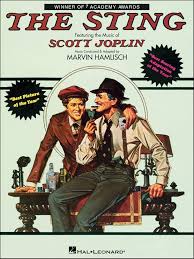
"The Entertainer" (1902) is Joplin's other most famous composition, thanks in large part to its use in the 1973 film The Sting. The piece is a ragtime two-step with a jaunty, infectious melody that has become synonymous with the sound of ragtime itself. Its structure is deceptively simple—a series of four strains in C major and F major—but its melodic inventiveness and its rhythmic vitality make it a perennial favorite. It was used as the cornerstone of the soundtrack for The Sting, and Marvin Hamlisch's adaptation reached number 3 on the American Top 40 chart, a remarkable feat for an instrumental piece written more than seventy years earlier.
"The Easy Winners" (1901) is a rag that reveals Joplin's "musical thinking unusual for ragtime". The piece is notable for its use of voice leading in harmonized melodic lines, particularly the use of an inner voice descending a chromatic fourth—a technique that Joplin often used to bring resolution to individual strains. The title refers to athletes who win easily, and the music has a confident, swaggering quality that matches its title.
"Solace" (1909) is one of Joplin's most beautiful and unconventional compositions. Subtitled "A Mexican Serenade," the piece is not a rag at all but a slow, lyrical habanera with a haunting, melancholic melody. It is a testament to Joplin's versatility and his willingness to experiment with different musical forms. The piece was used in The Sting, where its gentle, reflective quality provided a counterpoint to the film's more energetic ragtime numbers.
"Bethena" (1905) is a "concert waltz" that demonstrates Joplin's ability to write in forms outside of ragtime. The piece is a series of waltzes in B-flat major and E-flat major, with a lyrical, almost operatic melody and a rich harmonic language that includes extended chords and chromatic modulations. It is one of Joplin's most emotionally complex works, and it reveals the depth of his classical ambitions.
"Heliotrope Bouquet" (1907), composed in collaboration with Louis Chauvin, is unique among Joplin's works for its slow-drag tempo and its "haunting, melancholy beauty". Chauvin, a gifted but troubled pianist who died of syphilis in his twenties, provided the first two strains of the piece, and Joplin completed the remaining sections. The collaboration is a poignant reminder of the fragility of life in the ragtime era, and the piece itself is a gem of the genre.
Other notable compositions in Joplin's catalog include "Elite Syncopations" (1902), a rag with a sophisticated harmonic structure; "The Cascades" (1904), a rag inspired by the waterfall at the St. Louis World's Fair; "Pine Apple Rag" (1908), a jaunty, syncopated piece that was one of Joplin's personal favorites; "Wall Street Rag" (1909), a rag with a programmatic narrative about the stock market; and "Scott Joplin's New Rag" (1912), a late work that shows the composer experimenting with new harmonic and rhythmic ideas.
Joplin's two operas—A Guest of Honor (1903), which is lost, and Treemonisha (1911)—represent his most ambitious efforts to elevate ragtime to the level of high art. Treemonisha tells the story of a young Black woman who saves her community from superstition through education and reason. The opera is a powerful statement of racial uplift and a testament to Joplin's belief in the transformative power of music and learning.
Music in Films
Scott Joplin's music has had a long and fruitful relationship with the cinema, and it is fair to say that his posthumous reputation owes more to film than to any other single factor. The most significant moment in this relationship came in 1973 with the release of The Sting, directed by George Roy Hill and starring Paul Newman and Robert Redford. The film's soundtrack, adapted by Marvin Hamlisch, was composed almost entirely of Joplin's ragtime tunes, including "The Entertainer," "Solace," "The Easy Winners," and "Pine Apple Rag". The soundtrack topped the Billboard Hot 100 for five straight weeks in 1974 and won an Academy Award for Best Film Score. The success of The Sting "stirred a new appreciation of Joplin's work 57 years after his death".
The year 1977 saw the release of Scott Joplin, a biographical film directed by Jeremy Kagan and starring Billy Dee Williams as the composer. The film was originally made as a TV movie for NBC as Motown Productions' first venture into dramatic television, but it was given a theatrical release after Universal Pictures executives thought it had box-office potential. The film's script won an award from the Writers Guild of America in 1979, and it featured a cameo appearance by Eubie Blake, the legendary ragtime and jazz pianist. The film's music was by Joplin and Dick Hyman, and it included performances of "Maple Leaf Rag" and other Joplin compositions.
Joplin's music has also appeared in numerous other films and television shows. His composition "The Entertainer" was used in the 1973 film The Sting, and it has since become a staple of film and television soundtracks whenever a scene requires a touch of nostalgic Americana. His songs were also featured in And Baby Makes Six (1979), a made-for-TV movie directed by Waris Hussein, which listed "Scott Joplin (Songs)" in its credits.
The 1977 biographical film Scott Joplin remains the most substantial cinematic treatment of his life, though it received mixed reviews. Variety noted that "Williams is fine, and the film has a lot of verve and intensity, but the story of Joplin's life is so grim it makes the film a real downer". Gene Siskel of the Chicago Tribune awarded the film 2 stars out of 4 and called it "a turgid film" consisting of "two Joplin successes and a whole mess of failures". The Washington Post's Hollie J. West wrote that the film "was originally intended for television, and may wind up there yet". Despite these criticisms, the film remains an important document of Joplin's life and a testament to his enduring cultural significance.
Collaborations: A Mentor and a Partner
Scott Joplin was a collaborative artist by nature, and his career is marked by a series of fruitful partnerships with other musicians who shared his vision of ragtime as a serious art form. His most important collaborations were with a group of younger composers whom he mentored and with whom he co-wrote some of his most memorable pieces.
Arthur Marshall (1881–1968) was one of Joplin's earliest and most important collaborators. Marshall was a young pianist and composer from Sedalia, Missouri, who studied with Joplin and became one of his most trusted musical partners. Together they wrote "Swipesy" (1900), a cakewalk that was one of Joplin's first collaborative compositions. They also collaborated on "Lily Queen" (1907), a ragtime two-step that was published the same year as "Heliotrope Bouquet". Marshall went on to have a successful career as a composer and performer, and he remained a lifelong advocate for Joplin's music.
Scott Hayden (1882–1915) was another of Joplin's protégés in Sedalia. Hayden collaborated with Joplin on several pieces, including "Sunflower Slow Drag" (1901), "Something Doing" (1903), and "Felicity Rag" (1911). Hayden was a talented composer in his own right, but his career was cut short by his death at the age of 33. His collaborations with Joplin are among the finest examples of classic ragtime.
Louis Chauvin (1882–1908) was perhaps the most gifted of Joplin's collaborators, a pianist of extraordinary ability who was known throughout St. Louis as a master of ragtime improvisation. Chauvin and Joplin collaborated on "Heliotrope Bouquet" (1907), a slow-drag two-step that is unique among Joplin's works for its haunting, melancholy beauty. Chauvin provided the first two strains of the piece, and Joplin completed the remaining sections. Chauvin died of syphilis in 1908, at the age of 26, and "Heliotrope Bouquet" remains a poignant memorial to his talent.
Joseph Lamb (1887–1960) was a white composer from New Jersey who was one of Joplin's most devoted admirers and, eventually, his friend and colleague. Lamb was inspired to write ragtime after hearing Joplin's "Maple Leaf Rag," and he sent his own compositions to Joplin, who encouraged him and helped him find a publisher. Lamb went on to become one of the "Big Three" of classic ragtime, alongside Joplin and James Scott, and his music is admired for its melodic beauty and harmonic richness.
Joplin's collaborations were not limited to ragtime composers. He also worked with the publisher John Stark, who believed in Joplin's music and marketed his rags as "classic" compositions worthy of the same respect as European art music. Stark published many of Joplin's most important works, including "Maple Leaf Rag," "The Entertainer," "The Easy Winners," and "Elite Syncopations," and his partnership with Joplin was one of the most significant composer-publisher relationships in American music history.
Influences and Legacy
Scott Joplin's influences were as diverse as the musical landscape of late-nineteenth-century America. He grew up listening to the spirituals and work songs of African American communities, the marches of John Philip Sousa, the waltzes of European composers, and the syncopated dance music of the honky-tonk and the brothel. He was also exposed to European classical music through his teacher Julius Weiss, and he developed a lifelong admiration for the operas of Richard Wagner and other classical composers. As the New York Times noted, Joplin "blended Black American syncopated rhythms and bluesy harmonies with European-derived classical and semiclassical forms, such as marches and waltzes, to create a new music shining with indigenous authenticity and refinement".
Joplin's influence on American music is difficult to overstate. He was the first composer to write down his ragtime compositions in fully notated form, setting a standard for the genre that would be followed by countless other composers. He elevated ragtime from a casual, improvisatory dance music to a sophisticated art form, and he paved the way for the jazz composers who would follow him. As one source notes, "Ragtime's popularity also opened up space for Black songwriters, many of whom had intimate knowledge of its cultural contexts. Of these composers, the most influential was the legendary Scott Joplin". Joplin "not only produced dozens of brilliant rags that defined the genre, but collaborated with or taught a handful of gifted composers, creating a Midwestern school of classic ragtime".
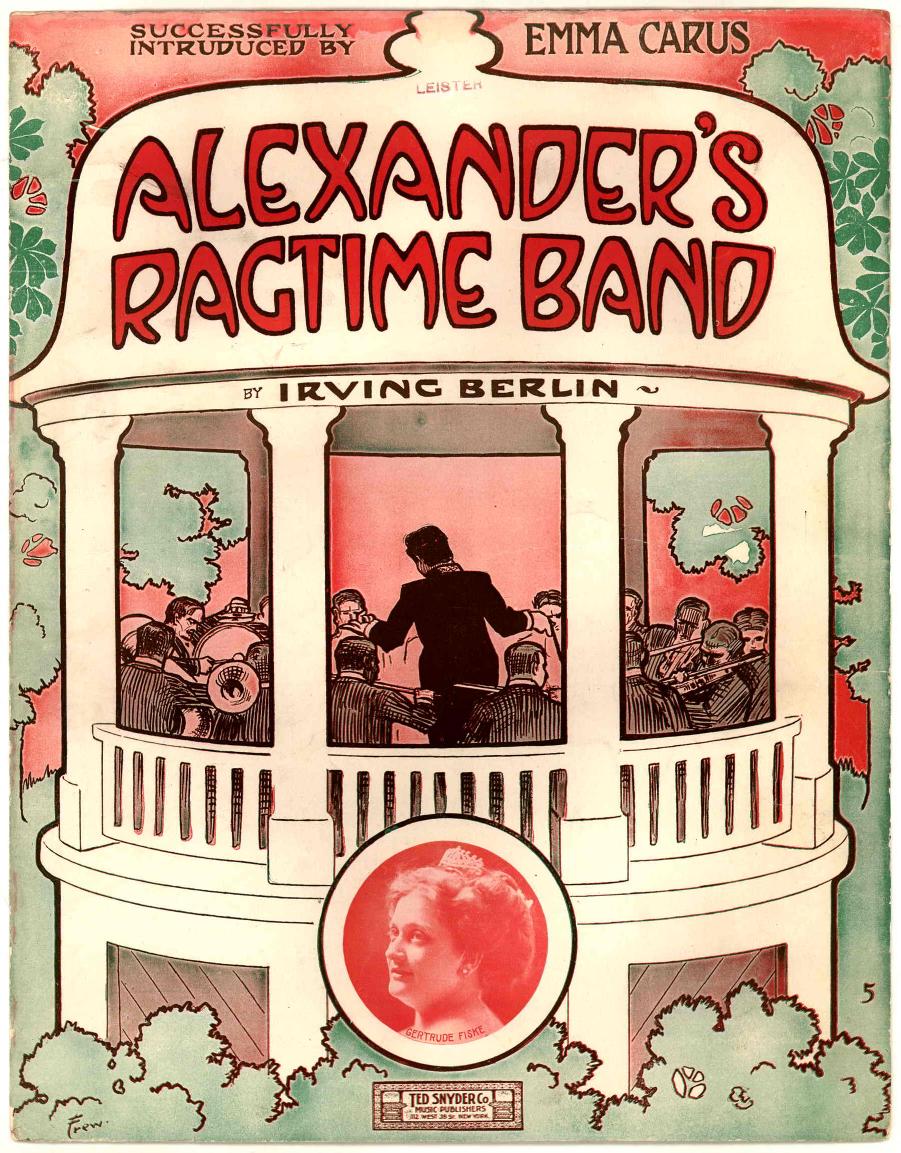
Joplin's influence extended to white musicians as well. Irving Berlin's "Alexander's Ragtime Band," released in 1911, was one of the most successful ragtime songs of the era, and its success was built on the foundation that Joplin had laid. Berlin and other white composers, including Jerome Kern and Louis Hirsch, were influenced by the Black musicians who had created ragtime, and they reaped much of the glory and rewards. Joplin, meanwhile, struggled to achieve the recognition he deserved.
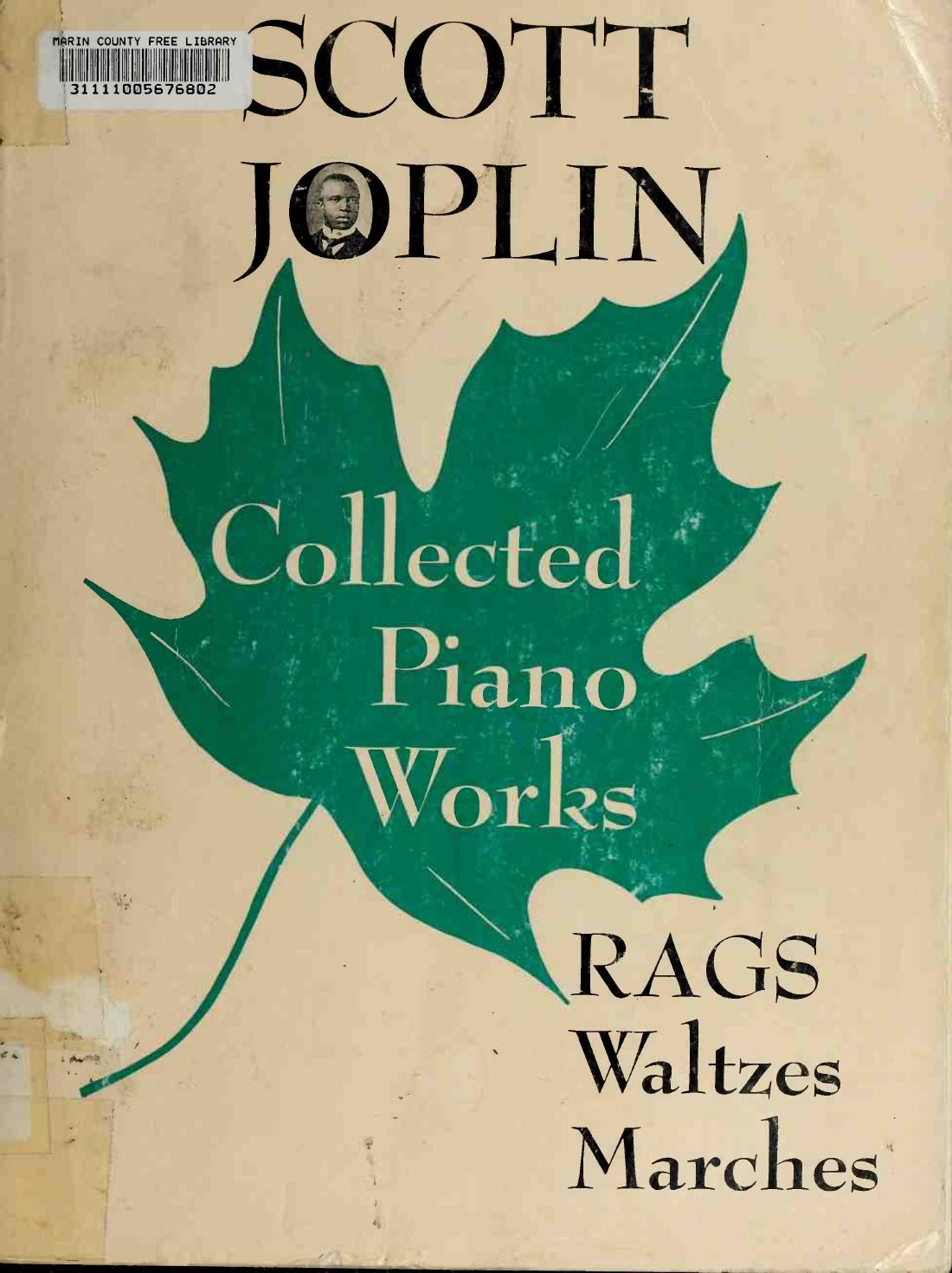
The posthumous revival of Joplin's music is one of the most remarkable stories in American cultural history. His reputation faded in the 1920s and 1930s, but interest in his music slowly re-emerged in the 1940s and gradually built toward a "spectacular revival in the 1970s". The publication of The Collected Works of Scott Joplin by the New York Public Library in 1971 was a landmark event, making Joplin's music available to a new generation of performers and scholars. Joshua Rifkin's recordings of Joplin's rags sold millions of copies, and the staging of Treemonisha in Atlanta in 1972 was a triumph. The release of The Sting in 1973 brought Joplin's music to an even wider audience, and in 1976, he was posthumously awarded the Pulitzer Prize.
Today, Scott Joplin is recognized as one of the most significant composers in American history. His music is performed and studied around the world, and his influence can be heard in the work of jazz musicians, classical composers, and popular artists alike. He is an iconic figure in African American culture, celebrated for his efforts to advance education among African Americans and for his belief in the transformative power of music. The annual Scott Joplin Ragtime Festival in Sedalia, Missouri, keeps his legacy alive, and his compositions continue to delight audiences more than a century after they were written.
Additional Information: Awards, Discography, and Personal Life
Scott Joplin's awards and honors came almost entirely after his death. The most prestigious of these is the Pulitzer Prize, which he was awarded posthumously in 1976 for "his contributions to American music". He was also honored with a postage stamp, and his work was included in the inaugural class of the Library of Congress's National Recording Registry in 2002. In 1970, he was inducted into the Songwriters Hall of Fame, and in 1983, he was inducted into the Big Band and Jazz Hall of Fame. His music has been recorded by countless artists, from Joshua Rifkin to Marvin Hamlisch, from Gunther Schuller to Wynton Marsalis.
Joplin's discography is complicated by the fact that he made no commercial recordings during his lifetime. The only recordings of his playing are the hand-played piano rolls he made in the mid-1910s, which are preserved in the Library of Congress's National Recording Registry. These rolls, which are "heavily edited," are the only echo of Joplin at the keyboard. Modern recordings of his music are plentiful, and the definitive collection is The Collected Works of Scott Joplin, edited by Vera Brodsky Lawrence and published by the New York Public Library in 1971.
Joplin's personal life was marked by tragedy and struggle. He was married three times, and his second wife, Freddie Alexander, died of pneumonia just ten weeks after their wedding. He suffered from syphilis for nearly a decade, and the disease eventually robbed him of his physical and mental faculties. He died in a mental institution in New York City on April 1, 1917, at the age of 48. He was buried in St. Michael's Cemetery in Astoria, Queens, in an unmarked grave. In 1974, a monument was erected at his gravesite, funded by the American Society of Composers, Authors and Publishers (ASCAP).
Joplin's legacy is not just musical. He was a pioneer of African American education and a symbol of Black achievement in an era of profound racial inequality. His opera Treemonisha is a powerful statement of his belief in the power of education to lift Black communities out of poverty and superstition. As one source notes, "Paralleling the aspirations of Booker T. Washington, W.E.B. Du Bois, and Marcus Garvey, Joplin is often viewed as an influential part of a rising black society, excelling in an alien environment full of inequality".
Conclusion
Scott Joplin was a composer of extraordinary gifts who lived in a time and place that was not ready to recognize his genius. He was born into poverty, raised in a society that denied him basic rights, and died in obscurity, his music largely forgotten. Yet he created a body of work that has endured for more than a century, that has influenced generations of musicians, and that continues to bring joy to audiences around the world.
What makes Scott Joplin matter is not just his music—though the music is extraordinary—but the example he set. He refused to accept the limitations that society placed on him. He insisted that ragtime was a serious art form worthy of respect. He dreamed of writing an opera that would elevate Black culture in the eyes of the world, and he pursued that dream to the end of his life, even when no one would stage his work. He was, in the words of the New York Times, a master who "blended Black American syncopated rhythms and bluesy harmonies with European-derived classical and semiclassical forms to create a new music shining with indigenous authenticity and refinement".
Scott Joplin's story is a reminder that greatness is not always recognized in its own time. It is a reminder that art can transcend the circumstances of its creation. And it is a reminder that the music of the past is never truly past—it lives on, waiting to be rediscovered by each new generation. As the revival of his music in the 1970s demonstrated, Scott Joplin's rags are not relics of a bygone era. They are living, breathing music, as fresh and vital today as they were when they were first written. The King of Ragtime may have died destitute and forgotten, but his music will never be forgotten.
Browse in the Sheet Music Library:
Or browse in the categories menus & download the Library Catalog PDF:
Scott Joplin - Best Of Scott Joplin
Tracklist : 00:00 - Maple Leaf Rag 03:03 - Elite Syncopations 06:31 - The Easy Winners 10:05 - Felicity Rag 12:51 - The Entertainer 16:20 - The Strenuous Life 19:43 - Combination March 23:09 - Ragtime Dance 26:54 - Cascades 30:13 - Peacherine Rag 33:31 - Something Doing 36:37 - Country Club 40:13 - Scott Joplin New Rag 43:53 - Sunflower Slow Drag 47:10 - Paragon Rag 50:57 - Heliotrope Bouquet 54:25 - Swipesy 57:56 - Search Light 01:02:26 - Rose Leaf Rag 01:06:04 - Fig Leaf Rag 01:09:33 - Original Rags 01:13:24 - Pine Apple Rag 01:16:50 - Gladiolous Rag 01:21:16 - The Ragtime Dance 01:25:01 - Sugar Cane 01:28:20 - Palm Leaf Rag 01:31:31 - A Breeze from Alabama