
Come join us now, and enjoy playing your beloved music and browse through great scores of every level and styles!
Can’t find the songbook you’re looking for? Please, email us at: sheetmusiclibrarypdf@gmail.com We’d like to help you!
Table of Contents
William Grant Still: Three Visions (Suite for piano solo)
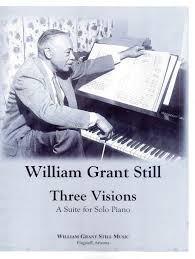
Best Sheet Music download from our Library.

Please, subscribe to our Library.
If you are already a subscriber, please, check our NEW SCORES’ page every month for new sheet music. THANK YOU!
0:00 – Dark Horseman 1:30 – Summerland 6:00 – Radiant pinnacle
Browse in the Library:
Or browse in the categories menus & download the Library Catalog PDF:
William Grant Still
William Grant Still (1895 – 1978) was an American composer, arranger, conductor, and multi-instrumentalist, often called “the Dean of African American composers.” He was the first African American to have a symphony performed by a major orchestra in the United States, the first to conduct a major symphony orchestra, and the first to have an opera produced by a major opera company.

Early Life and Education
- Born on May 11, 1895, in Woodville, Mississippi, and raised in Little Rock, Arkansas.
- His father died when he was an infant, and his mother, a teacher, encouraged his musical interests.
- Studied at Wilberforce University, where he initially pursued medicine but shifted to music.
- Later trained at the Oberlin Conservatory of Music, then studied composition with George Whitefield Chadwick and later with avant-garde composer Edgard Varèse in New York.
Career and Achievements
- Worked as an arranger for popular and jazz bands in New York, including for W. C. Handy and Paul Whiteman.
- Became involved with the Harlem Renaissance, blending African American musical traditions with classical forms.
- His Symphony No. 1 “Afro-American” (1930) was the first symphony by an African American to be performed by a major U.S. orchestra (Rochester Philharmonic, 1931).
- Conducted the Los Angeles Philharmonic at the Hollywood Bowl in 1936, making him the first African American to lead a major orchestra in the U.S.
- His opera Troubled Island (1939, libretto by Langston Hughes and Verna Arvey) was the first by an African American staged by a major company (New York City Opera, 1949).
Musical Style
- Fused classical European traditions with African American idioms: blues, spirituals, jazz, and folk tunes.
- Emphasized lyricism, accessibility, and cultural expression rather than strict modernist abstraction.
- Advocated for a distinctly American classical music rooted in Black cultural traditions.
Notable Works
- Symphonies: Afro-American Symphony (No. 1), Song of a New Race (No. 2), The Sunday Symphony (No. 3), Autochthonous Symphony (No. 4), Western Hemisphere Symphony (No. 5).
- Operas: Troubled Island, A Bayou Legend, Highway 1, U.S.A.
- Chamber & Vocal Music: Lyric Quartette, Danzas de Panama, many art songs.
- Also wrote for radio, film, and popular ensembles.
Legacy
- Broke multiple racial barriers in American classical music.
- Opened doors for later generations of African American composers and performers.
- His works are increasingly studied and performed, recognized as cornerstones of 20th-century American music.
- Died in Los Angeles, California, on December 3, 1978.
William Grant Still’s music stands out for celebrating African American heritage within the classical tradition, offering a unique and dignified voice at a time when systemic racism excluded many Black composers from mainstream recognition.
Three Visions (1935) is one of William Grant Still’s most powerful works for solo piano. It is a short suite in three movements, deeply symbolic, written during the Harlem Renaissance period when Still was developing a distinctive African American voice within classical idioms. The suite is often regarded as a spiritual and philosophical statement on the human soul’s journey after death.
Three Visions (1935) Overview and Musical Analysis
- Title: Three Visions (for solo piano)
- Date: 1935
- Movements:
- Dark Horsemen
- Summerland
- Radiant Pinnacle
- Theme: The cycle represents the progression of the human soul: confrontation with death, passage to spiritual peace, and ultimate ascension.
1. Dark Horsemen
- Character: Turbulent, dissonant, and rhythmically urgent.
- Musical features:
- Rapid ostinati and syncopations drive the texture.
- Dense chords, sharp dynamics, and angular melodies suggest violence and inevitability — the soul’s confrontation with mortality.
- Harmonic language: rooted in tonal centers but heavily chromatic, with influences from early modernism (Still studied with Varèse).
- Strong percussive writing evokes imagery of galloping horses (possibly a reference to the biblical Four Horsemen of the Apocalypse).
Interpretation: This movement symbolizes the struggle and chaos of death, the breaking away of the soul from earthly ties.
2. Summerland
- Character: Gentle, lyrical, and serene — the most frequently performed movement.
- Musical features:
- Lush, hymn-like melody in the middle register, often played with a singing legato.
- Rich Romantic harmonies, influenced by Chopin and Debussy but colored with blues-inflected lines.
- Transparent texture, long sustained chords, and rubato create a meditative atmosphere.
- Tonal stability (often interpreted in D♭ major) provides calmness.
Interpretation: Summerland represents the spiritual paradise the soul reaches after death — peaceful rest and eternal beauty.
This movement is sometimes performed alone as an independent concert piece or even arranged for orchestra.
3. Radiant Pinnacle
- Character: Triumphant, luminous, and ascending.
- Musical features:
- Energetic rhythms, sweeping arpeggios, and brighter harmonies than in the previous movements.
- Builds momentum with a sense of striving upward, often through sequences and rising melodic gestures.
- Tonal clarity, major sonorities, and climactic chords express transcendence.
- Harmonically more consonant than Dark Horsemen, but with modern chromatic coloring.
Interpretation: This final movement depicts the soul’s union with the divine, ascending to its highest state — ultimate illumination.
Stylistic Significance
- Still fuses African American spiritual aesthetics (hymn-like phrasing, blues shadings, and rhythmic vitality) with Romantic piano traditions and 20th-century modernism.
- The three movements form a narrative arc: struggle → peace → transcendence.
- Philosophically, the suite echoes African American religious culture, yet framed in a universal human story of death and renewal.
In short, Three Visions is both a musical poem and a spiritual statement. It demonstrates Still’s ability to merge classical craft with African American cultural expression, creating a deeply humanistic and uplifting work.
Perfect — let’s dive into a harmonic walkthrough of “Summerland” from William Grant Still’s Three Visions. Since this movement is often performed alone and is the most tonal of the suite, it lends itself beautifully to harmonic analysis.
(Note: Exact bar numbers vary depending on the edition, but I’ll give the progression in sections. The piece is most often read in D♭ major.)
“Summerland” — Harmonic Analysis
Opening (mm. 1–4)
- Key: D♭ major
- Chords:
- I (D♭ major) — tonic established gently, hymn-like.
- IV (G♭ major) with added 6th/9th sonorities.
- I again, enriched by suspensions and inner voice motion.
The effect is calm, hymn-like stability. Still avoids strong cadences, instead sustaining a floating atmosphere.
First Phrase (mm. 5–12)
- Melody enters in the middle register, supported by soft chords.
- Progression:
- I → V/vi → vi (B♭ minor) → ii (E♭ minor) → V (A♭ major).
- Resolves back to I (D♭).
This is a classical diatonic motion but with added-color tones (6ths, 9ths), giving a Debussy-like lushness. The move to vi and ii emphasizes a spiritual, tender quality rather than dramatic tension.
Second Phrase (mm. 13–20)
- More chromaticism enters.
- Chords:
- I → ♭VII (C♭ major) → IV (G♭) → ii7 (E♭m7) → V7 (A♭7).
- Resolution: cadences softly back to I.
The use of ♭VII (C♭) is borrowed from folk/blues progressions. It enriches the harmony with a distinctly African American inflection inside an otherwise classical framework.
Climactic Middle Section (mm. 21–32)
- Harmonically more adventurous:
- Alternation between vi (B♭ minor) and IV (G♭ major).
- Sequence through chromatic mediants: I (D♭) → iii (F minor) → V/ii (F7) → ii (E♭ minor).
- Approaches V7 (A♭7) with stronger rhythm and dynamics.
The chromatic mediant shifts (D♭ → Fm → A♭) give the impression of warmth and expansion — the soul ascending in vision.
Return (mm. 33–40)
- Recapitulation of the opening theme.
- Progression largely tonic (I), with embellishments:
- I → IV → ii7 → V7 → I.
- Still decorates the chords with added 9ths and 11ths, keeping the sound lush and modern.
Coda (mm. 41–end)
- Gentle descent, cadencing finally on a pure I (D♭ major).
- Chords sustain with long fermatas, creating timeless stillness.
The coda is essentially a plagal cadence (IV → I), which resonates with the feeling of a hymn or spiritual.
Summary of Harmonic Style in “Summerland”
- Foundation: Firmly tonal, centered in D♭ major.
- Coloration: Use of added 6ths, 9ths, 11ths for lush textures.
- African American inflection:
- Borrowed ♭VII (C♭ major) → I.
- Blues-like coloring of melodic lines (flattened 3rd, 7th inflections).
- Narrative arc: Gentle tonic → chromatic expansion → luminous return.
- Effect: A meditative vision of paradise — serenity, lyricism, timeless rest.
So, harmonically, Summerland balances European Romanticism (Chopin, Debussy) with African American idioms (bluesy modal borrowing, plagal cadences). This is why it feels both “classical” and “soulful.”
| Artist or Composer / Score name | Cover | List of Contents |
|---|---|---|
| Il Marchese del Grillo (Nicola Piovani) | ||
| Il n’y a pas d’amour heureux (8 Femmes OST) Danielle Darrieux | ||
| Il ne manquait que toi (Lara Fabian) | ||
| Il Postino (Luis Bacalov) |
 |
 |
| Il Postino Mi Mancherai Luis Bacalov | Il Postino Mi Mancherai Luis Bacalov | |
| Il suonatore Jones (Fabrizio De Andrè) | ||
| Il tema della Fata (Nicola Piovani) | ||
| Il Triello (Ennio Morricone) | ||
| Ilia’s Theme (Star Trek – The Motion Picture) Jerry Goldsmith | (In Miscellaneous) | |
| Ilya Beshevli Beautiful Image | Ilya Beshevli Beautiful Image | |
| Imagine John Lennon By Chet Atkins And Mark Knopfler (Arr. For Two Guitars) |
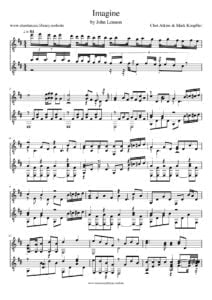 |
Imagine John Lennon By Chet Atkins And Mark Knopfler (Arr. For Two Guitars) |
| Imagine (Musescore File).mscz | ||
| Imagine By Chet Atkins And Mark Knopfler (Musescore File).mscz | ||
| Imagine By John Lennon arr. by Chet Atkins for Guitar solo TAB |
 |
|
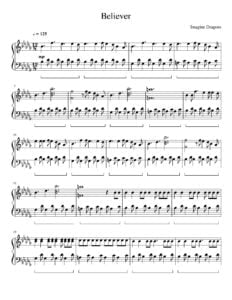
| Imagine Dragons – Believer |
 |
|
| Imagine Dragons – Believer Piano Vocal Guitar Chords |
 |
|
| Imagine Dragons – Bones (Piano Solo Arr. Sheet Music) (Musescore File).mscz | ||
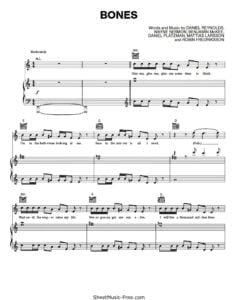
| Imagine Dragons – Bones Sheet Music |
 |
|
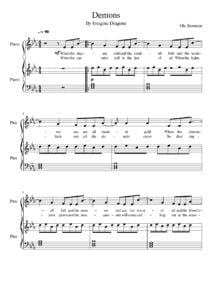
| Imagine Dragons – Demons |
 |
|
| Imagine Dragons – Thunder |
 |
|
| Imagine Dragons – Thunder Piano Vocal Guitar chords Sheet Music |
 |
|
| Imagine Dragons – Thunder Sheet Music – sheet music |
 |
|
| Imagine Dragons The Best Piano Sheet Music Book – Piano Book – Piano Music – Keyboard Piano Book – Music Piano – Sheet Music… (Jim Curtis [Curtis Jim]) |
 |
Imagine Dragons The Best Piano Sheet Music Book – Piano Book – Piano Music – Keyboard Piano Book – Music Piano – Sheet Music… (Jim Curtis [Curtis Jim]) |
| Imagine John Lennon Voice Piano Sheet Music |
 |
Imagine John Lennon Voice Piano Sheet Music |
| Imogen Heap – Cant Take It In | ||
| Impelliteri – Somewhere Over The Rainbow (Musescore File).mscz | ||
| Impellitteri Somewhere Over The Rainbow TABS |
 |
|
| Impromptu D 935 O.P. 142 No 2 – F. Schubert (Musescore File).mscz | ||
| Improve Your Piano Playing John Meffen (Book) |
 |
|
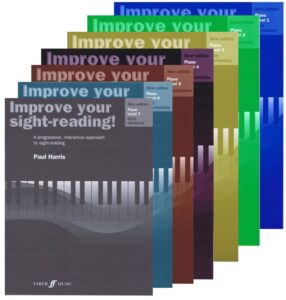
| Improve Your Sight Reading Piano Level 1 to 8 (Complete) Paul Harris A progressive, interactive approach to sight-reading |
 |
|
| Improvisation For Saxophone Oliver Nelson |
 |
|
| Improvisation Made Easier – Frank Gambale (Guitar Lessons & Technique) Book and audio MP3 with Tablature |
 |
Frank Gambale – Improvising Made Easier |
| Improvisational Patterns The Bebop Era 1 – David Baker |
 |
|
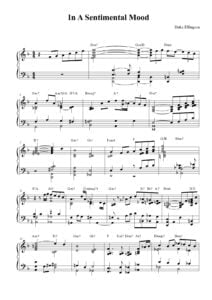
| In A Sentimental Mood (Duke Ellington) Easy Jazz Piano Solo arr. sheet music |
 |
|
| In A Sentimental Mood (Musescore File).mscz | ||
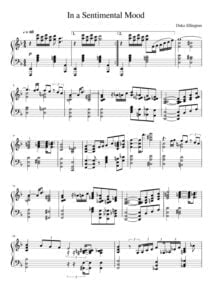
| In a Sentimental Mood Duke Ellington |
 |
|
| In All Keys Book 2 Intermediate To Late Intermediate by Melody Bober Piano Solos in all major and minor Flat keys |
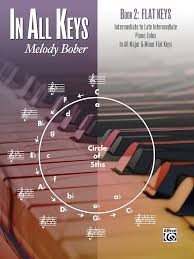 |
In All Keys Book 2 Intermediate To Late Intermediate by Melody Bober Piano Solos in all major and minor Flat keys |
| In the mood Glenn Miller Guitar arr..mscz | ||
| In your belief (Asuras Wrath OST) | ||
| Indiana Jones Main Theme |
 |
|
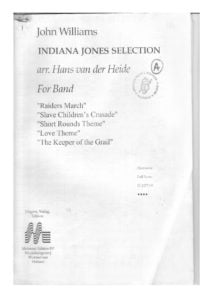
| Indiana Jones Selection for Band (Full score) |
 |
|
| Indie Pop Piano Music 小清新,弹钢琴 60首清新歌曲改编的钢琴曲集 (Collection Of 60 Adapted Fresh Songs ) |
 |
|
| Indie Rock Sheet Music Collection sheet music |
 |
Indie Rock Sheet Music Collection sheet music |
| Infanzia e maturità (Nuovo Cinema Paradiso OST) Ennio Morricone | ||
| Ingrid Michaelson – Breakable | ||
| Ingrid Michaelson Lights Out Piano Vocal Guitar |
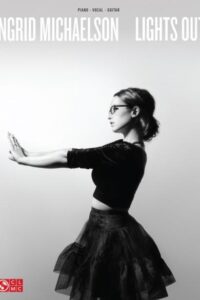 |
Ingrid Michaelson Lights Out Piano Vocal Guitar |
| Innocence (Avril Lavigne) | ||
| Innocent – Joe Hisaishi | Innocent – Joe Hisaishi | |
| Insensatez (How Insensitive) A. C. Jobim | ||
| Inside out a personal history of Pink Floyd – Mason, Nick (book) |
 |
|
| Insieme (Battisti – Mina) | ||
| Inspector Gadget Easy Piano Sheet Music |
 |
|
| Inter-City Stomp – Christopher Norton From Microjazz Collection Abrsm Grade 2 (Sheet Music) (Musescore File).mscz | ||
| Intermediate Baroque Era Favorites The Classical Piano Sheet Music Series |
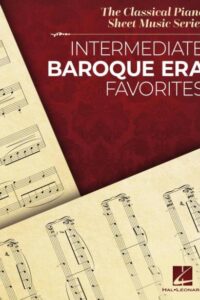 |
Intermediate Baroque Era Favorites The Classical Piano Sheet Music Series |
| Intermediate Jazz Guitar The Complete Jazz Guitar Method by Jody Fisher (with audio MP3 audio tracks and Tablature)) |
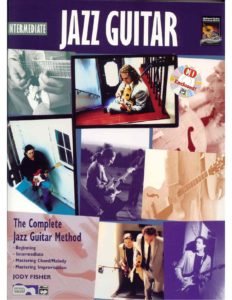 |
Vol.2 – Intermediate Jazz Guitar |
| Intermediate Jazz Improvisation by George Bouchard |
 |
|
| Intermezzo – Cavalleria Rusticana Mascagni Piano Solo (Musescore File).mscz | ||
| International Dictionary Of Music Therapy Ed. by Kevin Kirkland (Book) |
 |
|
| Interpreting Bach At The Keyboard (Oxford University Press 1993) Book |
 |
|
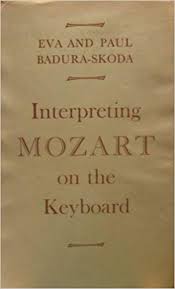
| Interpreting Mozart On The Keyboard (Eva And Paul Badura Skoda 1962) Book |
 |
|
| Interpreting Music – Lawrence Kramer |
 |
|
| Interstellar Main Theme |
 |
|
| Interstellar- First Step – Kyle Landry |
 |
|
| Intervalic Improvisation by Walt Weiskopf The Modern Sound A step beyond Linear Improvisation |
 |
Intervalic Improvisation by Walt Weiskopf The Modern Sound A step beyond Linear Improvisation |
| Intimamente (La Piovra 4) Ennio Morricone | ||
| Introducing The Mixoldyan Mode (Einhorn P) Guitar TAB |
 |
|
| Introduction To Stride Piano by Judy Carmichael |
 |
|
| Introduction To The Interpretation Of The Beethoven Piano Works (By Adolf Bernhard Marx) (1895) | Introduction To The Interpretation Of The Beethoven Piano Works (By Adolf Bernhard Marx) (1895) | |
| Intros Endings Turnarounds For Keyboard Essential Phrases For Swing Latin Jazz Waltz And Blues Styles |
 |
|
| Inuyasha – Dearest | ||
| Inuyasha – Kikyos Theme | ||
| Inuyasha – Sango Theme | ||
| INVENTIONS AND SINFONIAS BWV 772-801.mscz | ||
| Invierno Porteño (Musescore File).mscz | ||
| Invitation to the Waltz Webber op 65( Invitation to the Dance) | Weber op 65 Invitation to the Dance | |
| Io e te da soli (Battisti) | ||
| Io vivrò senza te (Battisti) | ||
| Io vorrei, non vorrei, ma se vuoi (Battisti) | ||
| Ireland, John – Declarations |
 |
|
| Ireland, John – Chelsea Reach |
 |
|
| Ireland, John – Ragamuffin |
 |
|
| Ireland, John – Soho Forenoons |
 |
|
| Ireland, John – Songs with Piano | Ireland, John – Songs with Piano | |
| Irène – Laurent Aknin | Irène – Laurent Aknin1 | |
| Irish Ballads Piano Vocal Guitar |
 |
Irish Ballads Piano Vocal Guitar |
| Irish Music for Guitar TABs (John Loesberg (arr.) |
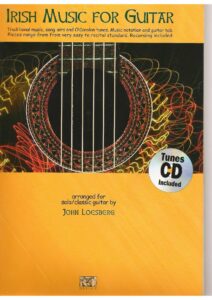 |
Irish Music for Guitar TABs (John Loesberg (arr.) |
| Irish Music, The Best of (Complete Sheet Music Editions) |
 |
Irish Music, The Best of (Complete Sheet Music Editions) |
| Iron Butterfly In-gadda-da-vida (full score) | Iron-Butterfly-In-gadda-da-vida-full-score | |
| Iron Butterfly In-gadda-da-vida (piano-vocal-guitar) | Iron Butterfly In-gadda-da-vida (piano-vocal-guitar) | |
| Iron Maiden – Jam With Iron Maiden ( PDF with MP3 audio tracks Guitar Tab Songbook) |
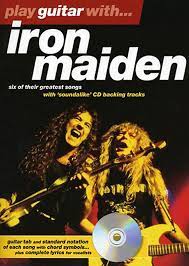 |
Iron maiden |
| Iron Maiden – Anthology (Guitar Tab Songbook) |
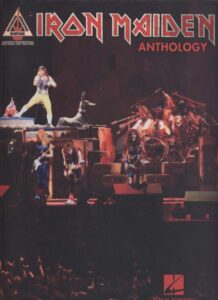 |
Iron Maiden – Anthology (Guitar Tab Songbook) |
| Iron Maiden – Brave New World (Full Album Guitar Score & Tab) |
 |
Iron Maiden – Brave New World (Full Album Guitar Score & Tab) |
| Iron Maiden – The Number Of The Beast |
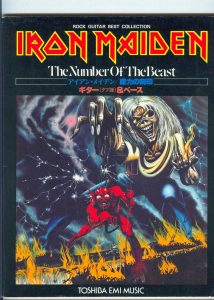 |
Iron Maiden – The Number Of The Beast |
| Irving Berlin – Alexander’s Ragtime Band (Emma Carus) |
 |
|
| Irving Berlin – Alice in Wonderland (The Centyry Girl) |
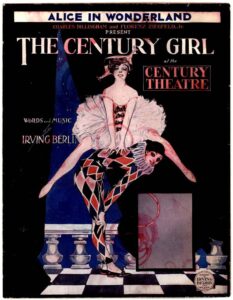 |
|
| Irving Berlin – Blue Skies (jazz lead sheet) | Berling, Irving – Blues Skies | |
| Irving Berlin – Puttin’ On The Ritz | Irving Berlin Puttin’ On The Ritz (piano solo) | |
| Irving Berlin – Sisters (Sheet Music) – sheet music |
 |
|
| Irving Berlin – White Christmas – Movie Holiday Inn |
 |
|
| Irving Berlin – White Christmas (from the film Holiday Inn) lyrics and piano |
 |
|
| Irving Berlin – White Christmas (From The Film Holiday Inn) Lyrics And Piano (Musescore File).mscz | ||
| Irving Berlin – White Christmas (from the film Holiday Inn) piano solo arr. |
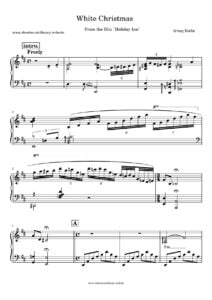 |
|
| Irving Berlin – White Christmas (Jazz Piano cover) | Irving Berlin – White Christmas (Jazz Piano cover) | |
| Irving Berlin All Alone Vintage sheet music piano vocal |
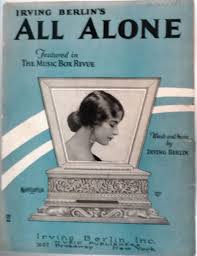 |
|
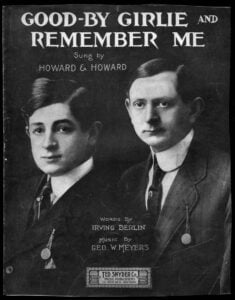
| Irving Berlin and G. W. Meyer – Good-Bye, Girlie, and Remember Me |
 |
|
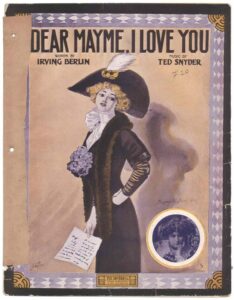
| Irving Berlin and Ted Snyder – Dear Mayme. I Love You |
 |
|
| Irving Berlin Annie Get Your Gun Piano Vocal Guitar Chords Selections |
 |
Irving Berlin Annie Get Your Gun Piano Vocal Guitar Chords Selections |
| Irving Berlin Anthology 2nd Edition Piano Vocal Guitar Chords |
 |
Irving Berlin Anthology 2nd Edition Piano Vocal Guitar Chords |
| Irving Berlin Collection 2nd Edition Easy Piano |
 |
Irving Berlin Collection 2nd Edition Easy Piano |
| Irving Berlin Fake Book, The |
 |
Irving Berlin Fake Book, The |
| Irving Berlin Holiday Inn The New Irving Berlin Musical Piano Vocal Selections |
 |
Irving Berlin Holiday Inn The New Irving Berlin Musical Piano Vocal Selections |
| Irving Berlin How Deep Is The Ocean |
 |
|
| Irving Berlin How Deep Is The Ocean 1932 Irving Berlin Jazz Standard (Vintage sheet music) |
 |
|
| Irving Berlin I love piano | Irving Berlin I love piano | |
| Irving Berlin Puttin’ On The Ritz (piano solo) | Irving Berlin Puttin’ On The Ritz (piano solo) | |
| Irving Berlin Song Book |
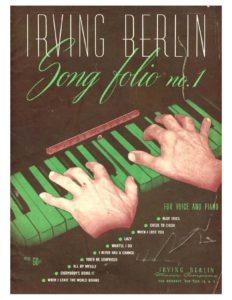 |
Irving Berlin Songbook |
| Irving Berlin White Christmas The Musical Piano Vocal Selections |
 |
Irving Berlin White Christmas The Musical Piano Vocal Selections |
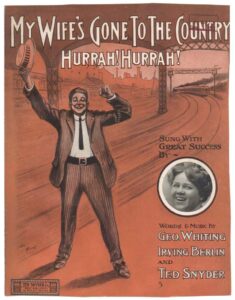
| Irving Berlin, Geo. Whiting and Ted Snyder – My Wife’s Gone to the Countrey Hurrah |
 |
|
| Irving Berln – White Christmas (Jazz Piano Cover) (Musescore File).mscz | ||
| Irving Burgie Day O! Banana Boat Song Sheet Music Harry Belafonte | Irving Burgie Day O! Banana Boat Song Sheet Music Harry Belafonte | |
| Irving Gordon – Unforgettable | Irving Gordon – Unforgettable | |
| Isaac Albeniz – Asturias Leyenda Guitar arr..mscz | ||
| Isaac Albeniz – Asturias – Leyenda (Guitar TAB sheet music, partitura) | Isaac Albeniz – Asturias – Leyenda (Guitar TAB sheet music, partitura) | |
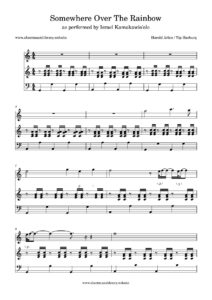
| Israel Kamakawio Ole Somewhere Over The Rainbow |
 |
|
| It Could Happen To You Jimmy Van Heusen Johnny Burke From The Film “and The Angels Sing” 1944 Jazz Standard (Vintage sheet music) |
 |
|
| It Had To Be You – Gus Kahn And Isham Jones (Musescore File).mscz | ||
| It Had To Be You (Jazz Standard)- Gus Kahn And Isham Jones | It Had To Be You (Jazz Standard)- Gus Kahn And Isham Jones | |
| It Never Entered My Mind – Rodgers And Hart (Musescore File).mscz | ||
| It’s A Beautiful Day With Mister Rogers Easy Piano Songbook Piano Solos |
 |
Its A Beautiful Day With Mister Rogers Easy Piano Songbook Piano Solos |
| It’s Always You Chet Baker (Lead Sheet Fake Book) (Musescore file).mscz | Musescore File | |
| It’s Christmas Piano Favorites For Advanced Piano Dan Coates |
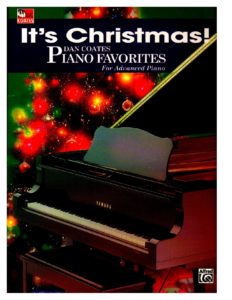 |
Its Christmas Piano Favorites For Advanced Piano Dan Coates |
| It’s Easy To Play 90s Film Songs by Duro S. |
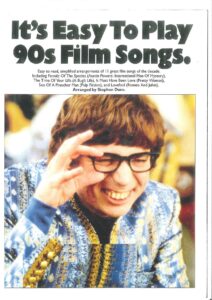 |
Its Easy To Play 90s Film Songs by Duro S. |
| It’s Easy To Play Ballads |
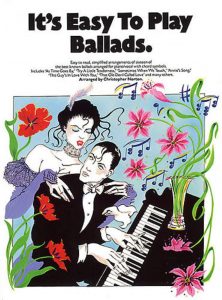 |
Various Artists – It’s Easy To Play Ballads |
| It’s easy to play Blues |
 |
Various Artists – It’s Easy To Play Blues |
| It’s Easy To Play Children’s Songs |
 |
It’s Easy To Play Children’s Songs |
| It’s Easy To Play Christmas Songs |
 |
Various Artists – It’s Easy To Play Christmas Songs |
| It’s Easy To Play Classic Film Themes |
 |
Various Artists – It’s Easy To Play Classic Film Themes |
| It’s easy to play Classics |
 |
Its easy to play Classics |
| It’s Easy To Play Classics 2 |
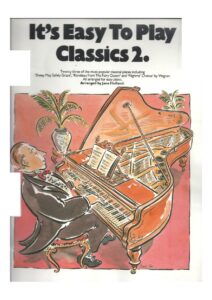 |
Its EasyTo Play Classics 2 |
| It’s Easy To Play Folk |
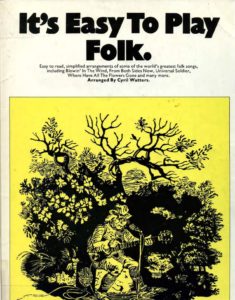 |
It’s Easy To Play Folk |
| It’s Easy To Play Gospels |
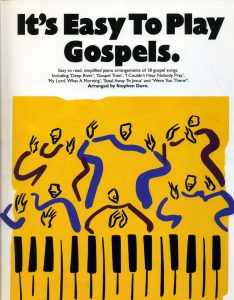 |
Play Gospels |
| It’s Easy to Play Jazz |
 |
It’s Easy to Play Jazz |
| It’s Easy To Play Jerome Kern by Booth F. |
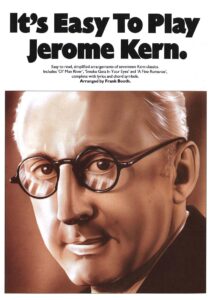 |
Its Easy To Play Jerome Kern by Booth F. |
| It’s Easy To Play Latin |
 |
It’s Easy To Play Latin |
| It’s Easy To Play Love Songs |
 |
Love songs |
| It’s Easy To Play Marches |
 |
It’s Easy To Play Marches |
| It’s Easy To Play More Jazz (arranged by Christopher Norton) |
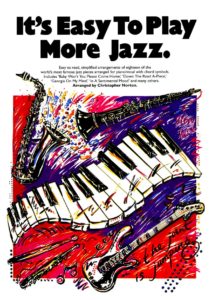 |
It’s Easy To Play More Jazz (arranged by Christopher Norton) |
| It’s Easy To Play Music Hall by Booth F. |
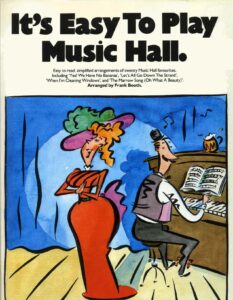 |
Its Easy To Play Music Hall by Booth F. |
| It’s Easy To Play New Film Themes |
 |
It’s Easy To Play New Film Themes |
| It’s Easy To Play New TV Themes |
 |
Various Artists – It’s Easy To Play New TV Themes |