
Table of Contents
Remembering Juan Tizol (1900-1984), jazz trombonist and composer.

Best Sheet Music download from our Library.
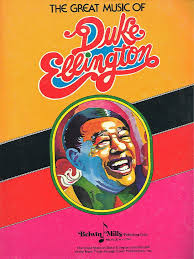
Juan Tizol (short biography)
Juan Tizol Martínez (22 January 1900 – 23 April 1984)[1] was a Puerto Rican jazz trombonist and composer. He is best known as a member of Duke Ellington’s big band, and for writing the jazz standards “Caravan”, “Pyramid”, and “Perdido”.
Juan Tizol was born on January 22, 1900 in the city of Vega Baja, Puerto Rico, into an illustrious family. The impact of the Tizols on the island is confirmed by several streets and squares that bear the name of eminent members of the lineage: doctors, politicians and musicians. In this last section is Manuel Tizol Márquez.
Come join us now, and enjoy playing your beloved music and browse through great scores of every level and styles!
Can’t find the songbook you’re looking for? Please, email us at: sheetmusiclibrarypdf@gmail.com We’d like to help you!
Manuel Tizol is considered by respected musicologists as the main personality of instrumental music in Puerto Rico during the first half of the 20th century, both in the classical and popular genres. In the first section he founded the San Juan Concert Society , which had an orchestra capable of performing the repertoires of all the great European masters of classical music. In addition, he established and directed the first Puerto Rico Symphony Orchestra official . In the second field he formed a dance orchestra and led the San Juan Municipal Band . With both groups he made recordings for the Columbia and Victor labels , becoming one of the pioneering national artists in the recording industry.
Manuel Tizol was Juan Tizol ‘s uncle and he took care of his musical training. He taught him to play the violin and euphonium, as well as to read and write music. From the age of 10, Juan was a member of his uncle’s dance orchestra, playing the violin or euphonium at all types of social events.
Please, subscribe to our Sheet Music Library.
If you are already a subscriber, please, check our NEW SCORES’ page every month for new sheet music. THANK YOU!
Around 1916, a German orchestra visited Puerto Rico and it is very possible that Juan Tizol heard a piston trombone played by a musician for the first time. Whatever the case, at that time it is documented that Juan played the aforementioned instrument in the orchestra of the Old San Juan Teatro Apolo .
In 1920, Juan Tizol was part of a band made up entirely of Puerto Rican musicians with the aim of touring the US. Once they arrived in Washington they were hired by the Howard Theater to play at the shows and to accompany the bands. silent movies Once they ran out of this work, the band disbanded.
Juan Tizol remained in Washington and there were several bands that required his services. One of them was the White Brothers’ Band , whose members included trumpeter Arthur Whetsol . This musician was the one who told Duke Ellington about Juan Tizol . The result was that he hired him for his orchestra. It was the year 1929 .
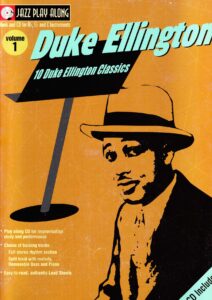
The first thing Duke Ellington did when Juan Tizol joined his orchestra was to name him “ chief copyist . ‘s music into sheet music ” He was in charge of transcribing Duke . The trumpeter, Rex Stewart , summed it up this way:
“ Tizol ‘s orchestra was an important wheel in the gear that moved Duke . He had to transcribe into sheet music the ideas that his boss tried to make clear. This was not an easy job since there were times when these avant-garde concepts could not be written. Tizol then wrote a kind of sketch and later spent hours trying to faithfully interpret what the “boss” had tried to explain to him and translate it into a score.”
In 1933, musicologist HA Overstreet stayed with the Ellington Orchestra on one of its tours. As a result of his observations he wrote a book titled The Duke Reader in 1995. And among other things he says:
“…Juan Tizol had been busy writing the score for each musician’s arrangement of the trombone, saxophone and trumpet sections. Sometimes indicating them schematically for later elaboration. This approximate score served as a reference to resolve the discussions, since these appeared several times, until the entire arrangement was completed. These arguments, which are politely called exchanges of ideas, were pure and simple arguments. ‘s scores When the arrangement was finished and Tizol went from schematic to definitive , Ellington detected any deviation from them in the event that a musician did not adhere to them.
The first recording that Juan Tizol made (except for Back and Tan , for the short of the same title) was September 16, 1929. In that session, four songs were performed, one of them being titled The Duke Steps Out composed by Duke Ellington , Johnny Hodges and Cootie Williams .
Juan Tizol ‘s orchestra has an important role in the history of jazz, but not as an instrumentalist in Duke Ellington , but as a composer while he was a member of it.
I will start by naming his composition Caravan, which according to his own words he had already written before leaving Puerto Rico.
Tizol initially failed to appreciate the commercial potential of his song to the point that he sold his rights to Irving Mills ‘s manager, – who, apart from being Duke Ellington owned his own music publishing company – for $25. When Caravan became a big seller, Mills gave Tizol a portion of his royalties.

‘s first recording Caravan was made by a combo called Barney Bigard & His Jazzopaters in which all its members were also members of the Ellington orchestra , including himself: Cootie Williams , trumpet; Juan Tizol , valve trombone; Barney Bigard, clarinet; Harry Carney , baritone sax; Duke Ellington , piano; Billy Taylor, double bass; Sonny Greer , drums. The recording was made on December 19, 1936.
Duke Ellington & His Orchestra: Caravan (1937)
Duke Ellington ‘s composition at the moment had no intention of recording Tizol , but its exotic rhythm led him to perform it at the Cotton Club . The club parades were broadcast on radio throughout the country and listeners were dazzled by the song. This led Ellington to record it with his orchestra and this happened on May 14, 1937: Rex Stewart , cornet; Wallace Jones , Cootie Williams , trumpets; Lawrence Brown , Tricky Sam Nanton , Juan Tizol , trombones; Barney Bigard , clarinet; Johnny Hodges , Otto Hardwick , alto saxes, Harry Carney , baritone sax; Duke Ellington , piano; Fred Guy , guitar; Hayes Alvis or Billy Taylor , double bass; Sonny Greer , drums.
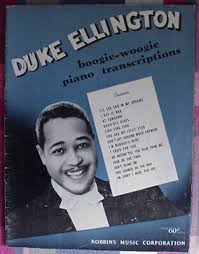
Caravan entered the top 20 and Duke Ellington kept it in the band’s repertoire until the rest of their days. recordings He left more than 100 Caravan . One of them a few weeks before his death.
It would be mid-1941 when several members of Duke Ellington ‘s orchestra were trying to find a jazz club in the alleys of New Orleans (where they had given a concert) and after kicking around for a while, Juan Tizol asked if anyone knew Where they were, one of the musicians answered that on Perdido Street (that’s how it is in Spanish). Tizol , whose native language was Spanish, smiled fangly when he realized that they were lost right on Perdido Street.
Duke Ellington – Perdido
The writer Stuart Nicholson relates in his book Reminiscing in Tempo: A portrait of Duke Ellington that Juan Tizol told him that he wrote a song while riding the train which he titled Perdido in reference to Perdido Street in New Orleans.
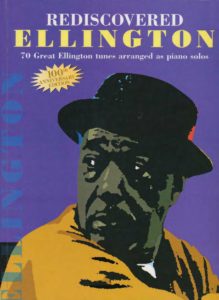
Perdido , given its harmonic structure, is one of the most used by jazz musicians of all eras and styles to perform in jam sessions .
band played it The first time the Ellington was in a radio program held on December 3, 1941. Almost two months later, on January 21, 1942, the aforementioned orchestra entered a Chicago studio where they recorded four songs. . One of them was Lost. When the single that contained it was released, it reached number 21 on the list of best-selling songs.
In all the books, essays, and articles about Juan Tizol, the confrontation he had with Charles Mingus always appears.
In February 1953, the double bassist joined Ellington ‘s band as a replacement. In the subsequent rehearsal, Juan Tizol gave him a sheet of music with the notes he had to play in a certain part of a song. When the time came Mingus ignored the score and played the notes an octave higher . This change infuriated Tizol and he went to the double bassist to tell him that if he wanted the double bass to sound like a cello he would have hired a cellist. A scuffle broke out between them, but it didn’t get any bigger.

However, Charles Mingus ‘s autobiography titled “ Less than a Dog” describes a completely different account of the confrontation. According to the double bassist , when Tizol addressed him, he blurted out: “You, like all blacks, don’t know how to read a score” (an absurd phrase when it comes to the Ellington orchestra) and also showed him a knife. Mingus did not give up and went to a wall where he grabbed a fire axe. Tizol ran away and then Mingus approached the chair where the trombonist was sitting and broke it in two with an ax blow.

‘s book When everything had calmed down, and according to Mingus , Ellington said to the double bassist: “For a moment I hoped that you had decided to start playing, but instead you broke Juan ‘s chair in two with a ax Seriously, Charles , that’s destructive. Everyone knows that Juan has a knife, but no one has taken him seriously. He likes to take it out and show it to people, you understand? I’ve never fired anyone, but you have to leave the band. I have enough problems already. Juan is an old problem, but I know how to handle him, but it seems that you have some new tricks that I don’t know about, so I am forced to ask you to be so kind and tender your resignation.
Charles Mingus ‘s band only lasted three days in Ellington . Scholars of jazz history give little credence to the account of the Tizol/Mingus incident as it appears in the double bassist’s book.
Juan Tizol left the Ellington Orchestra in 1944 because his wife, Rosebud , became ill and he wanted to spend more time with her at their home in Los Angeles. At that time, Harry James had his center of activities in that city and offered the trombonist a position in his orchestra, which he accepted. In the end the musical relationship between James and Tizol lasted until 1951. During that time they recorded several albums together. One of the songs was a composition written by both of them titled Keb-Lah and arranged by Tizol (which has a Caravan feel to it ). The recording was on July 5, 1946.

That same year, 1951, Juan Tizol ‘s band returned to his position in Ellington , and it was for a reason that the latter tells it this way in his book “Music is my Lover” from 1973:
“In 1951, Johnny Hodges , Lawrence Brown and Sonny Greer left the band at the same time. Shortly after, I traveled to Los Angeles and received a call from the Tizols : “Come have dinner with us.” At his house Tizol told me: “All you have to do is ask us and Louis Bellson , Willie Smith and I will leave Harry James to play with you.”
That was the solution they had in mind.
Naturally I was worried about who it might affect and who might be offended by something like that, since I had never had the habit of stealing musicians from other orchestras, but the situation at that moment was a real emergency. The truth is that that sounded too good to be true. If I had been talking to people I didn’t know I would have suspected that they were setting me up of some kind, but I knew Tizol and Rosebud perfectly well . In addition to having Juan Tizol again , Willie Smith was the best alto saxophone player in the world and everyone said the same about drummer Louis Bellson.
We put the plan in motion and everything went well.”
This second stage of Tizol with Ellington lasted three years, after which the trombonist settled on the North American West Coast where he remained until the end of his days. He made sporadic appearances live and in recording studios with the Harry James , Nelson Riddle and Louis Bellson orchestras . There was a third stage of Tizol with Ellington in the 60s and 61s in which he participated in some record recordings.
Juan Tizol left this world on April 23, 1984 in the city of Inglewood, California, two years after losing his wife Rosebud.
Please, subscribe to our Sheet Music Library.
If you are already a subscriber, please, check our NEW SCORES’ page every month for new sheet music. THANK YOU!
According to Will Friedwald, Frank Sinatra’s biographer, Tizol was in fact the first prominent orchestral composer to fuse Latin Music with Big Band Jazz Music.

To demonstrate that the musicians of Ellington’s orchestra, and he himself, learned very well the lessons on hot Latin rhythms that Juan Tizol taught them, I leave you the song composed by the trombonist titled Moon over Cuba and that Ellington and his boys recorded on July 2, 1941 in Hollywood.
Moon Over Cuba (1999 Remastered)
Duke Ellington and His Famous Orchestra.
Personnel:
Trombone: Joe Nanton Trombone: Lawrence Brown Trombone, Composer: Juan Tizol Clarinet, Tenor Saxophone: Barney Bigard Alto Saxophone, Clarinet: Johnny Hodges Alto Saxophone: Otto Hardwick Tenor Saxophone: Ben Webster Alto Saxophone, Baritone Saxophone, Clarinet: Harry Carney Piano, Composer: Duke Ellington Guitar: Fred Guy Bass: Jimmie Blanton Drums: Sonny Greer.
Juan Tizol Discography (on Wikipedia)
As sideman
With Louis Bellson
Journey Into Love (Norgran, 1954)
Drumorama! (Verve, 1957)
Music, Romance and Especially Love (Verve, 1957)
The Brilliant Bellson Sound (Verve, 1960)
Louis Bellson Swings Jule Styne (Verve, 1960)
Live in Stereo June 28, 1959, at the Flamingo Hotel Vol. 1 (Jazz Hour, 1992)
With Duke Ellington
Ellington Uptown (Columbia, 1951)
Ellington '55 (Capitol, 1954)
Seattle Concert (RCA Victor, 1954)
Ellington Showcase (Capitol, 1956)
Liberian Suite and a Tone Parallel to Harlem (Columbia, 1956)
Piano in the Background (Columbia, 1960)
Selections from Peer Gynt Suites Nos. 1 & 2 and Suite Thursday (Columbia, 1960)
The Nutcracker Suite (Columbia, 1960)
Paris Blues (United Artists, 1961)
With Harry James
Dancing in Person with Harry James at the Hollywood Palladium (Columbia, 1954)
Soft Lights, Sweet Trumpet (Columbia, 1954)
Harry James in Hi-fi (Capitol, 1955)
Jazz Session (Columbia, 1955)
Juke Box Jamboree (Columbia, 1955)
More Harry James in Hi-fi (Capitol, 1956)
Requests On-the-Road (MGM, 1962)
With others
Count Basie, First Time! The Count Meets the Duke (Columbia, 1962)
Benny Carter, Cosmopolite (Norgran, 1954)
Nat King Cole, After Midnight (Capitol, 1956)
Nat King Cole, The Piano Style of Nat King Cole (Capitol, 1956)
Maxwell Davis, Compositions of Duke Ellington and Others (Crown, 1960)
Ella Fitzgerald, Get Happy! (Verve, 1959)
Ella Fitzgerald, Ella Fitzgerald Sings the Irving Berlin Song Book Vol. 1 (Verve, 1960)
Peggy Lee, The Man I Love (Capitol, 1957)
Peggy Lee, Jump for Joy (Capitol, 1958)
Frank Sinatra, Frank Sinatra Sings for Only the Lonely (Capitol, 1958)
Juan Tizol Discography (on the Discography of American Historical Recordings)
| Artist or Composer / Score name | Cover | List of Contents |
|---|---|---|
| John Williams Greatest Hits Piano (1969-1999) |
 |
John Williams Greatest Hits Piano (1969-1999) |
| John Williams Harry Potter – Hedwig’s Theme Easy Piano Solo | John Williams Harry Potter – Hedwig’s Theme Easy Piano Solo | |
| John Williams Harry Potter Hedwig’s Theme Advanced Virtuosic Piano Solo Arr. By Jarrod Radnich | John Williams Harry Potter Hedwig’s Theme Advanced Piano Solo Arr. By Jarrod Radnich | |
| John Williams Hook OST Songbook Piano Solo |
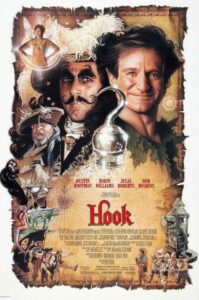 |
John Williams Hook OST Songbook Piano Solo |
| John Williams Hook OST The Flight To Neverland (Full Band Score) |
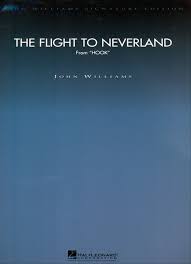 |
John Williams Hook OST The Flight To Neverland (Full Band Score) |
| John Williams Indiana Jones and the Temple of Doom |
 |
John Williams Indiana Jones and the Temple of Doom |
| John Williams Jazz Autographs From The Terminal OST Piano Solo |
 |
|
| John Williams Jurassic Park Main Theme (Piano Solo arr.) | Jurassic-Park-Main-Theme-John-Williams | |
| John Williams Jurassic Park Main Theme Piano Solo |
 |
|
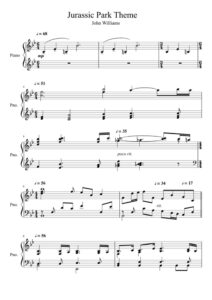
| John Williams Jurassic Park Theme Easy Piano Arr. |
 |
|
| John Williams Lincoln Songbook Music From The Motion Picture Soundtrack |
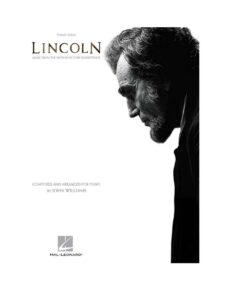 |
John Williams Lincoln Songbook Music From The Motion Picture Soundtrack |
| John Williams Memoirs of a Geisha (piano book) |
 |
John Williams Memoirs of a geisha (book) |
| John Williams Merry Christmas, Merry Christmas – from Home Alone 2 Lost In New York |
 |
|
| John Williams Schindler’s List Score for Violin and Piano |
 |
John Williams Schindler’s List Score for Violin and Piano |
| John Williams Schindler’s List Theme – Virtuosic Piano Cover by Charles Szczepanek | John Williams Schindler’s List Theme – Virtuosic Piano Cover by Charles Szczepanek | |
| John Williams Schindler’s List Theme arr. for violin, clarinet or flute solo and band | John Williams Schindler’s List Theme arr. for violin, clarinet or flute solo and band | |
| John Williams Somewhere In My Memory from Home Alone Piano Solo | John Williams Somewhere In My Memory from Home Alone Piano Solo | |
| John Williams Star Wars Episode I – The Phantom Menace Main Theme Piano | John Williams Star Wars The Phantom Menace Flag Parade | |
| John Williams Star Wars Episode III – Revenge Of The Sith |
 |
|
| John Williams Star Wars For Beginning Piano Solo (John Williams) |
 |
John Williams Star Wars For Beginning Piano Solo (John Williams) |
| John Williams Star Wars Symphonic Suite Piano Reduction |
 |
John Williams Star Wars Symphonic Suite Piano Reduction |
| John Williams Star Wars The Empire Strikes Back – Han Solo and the Princess | John Williams Star Wars The Empire Strikes Back – Han Solo and the Princess | |
| John Williams Star Wars The Phantom Menace Flag Parade | John Williams Star Wars Episode I – The Phantom Menace Main Theme Piano | |
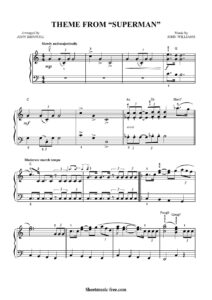
| John Williams Superman Theme Sheet Music piano solo Arr. John Brimhall |
 |
|
| John Williams Versus Hans Zimmer Piano Duet |
 |
|
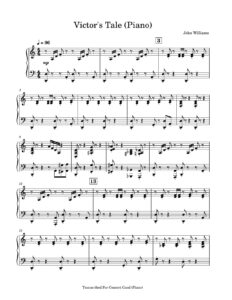
| John Williams Viktor’s Tale Piano Solo |
 |
|
| John Williams’s Film Music Jaws, Star Wars, Raiders of the Lost – Classical Hollywood Music Style |
 |
John Williamss Film Music Book |
| Johnny Cash Memorial Songbook |
 |
Johnny Cash Memorial Songbook |
| Johnny Cash – The Essential (Guitar) |
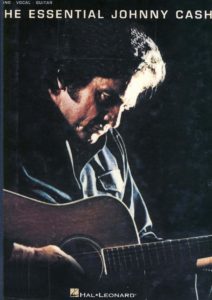 |
Johnny Cash – The Essential (Guitar) |
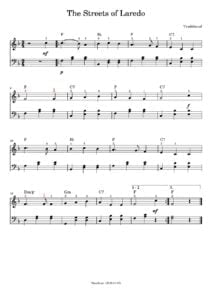
| Johnny Cash – The Streets Of Laredo – American Cowboy Song |
 |
|
| Johnny Cash American III Solitary Man Piano Vocal Guitar Songbook |
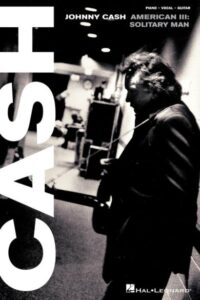 |
Johnny Cash American III Solitary Man Piano Vocal Guitar Songbook |
| Johnny Cash Anthology (Songbook ) |
 |
Johnny Cash Anthology (Songbook ) |
| Johnny Cash Best Of Johnny Cash Guitar recorded versions with Tablature |
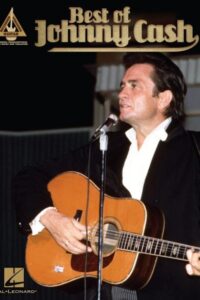 |
Johnny Cash Best Of Johnny Cash Guitar recorded versions wth Tablature |
| Johnny Cash Collection Sheet Music |
 |
Johnny Cash Collection Sheet Music |
| Johnny Cash For Fingerpicking Guitar with Tablature By Fred Sokolow The Music Of |
 |
Johnny Cash For Fingerpicking Guitar By Fred Sokolow The Music Of |
| Johnny Cash Guitar Chord Songbook |
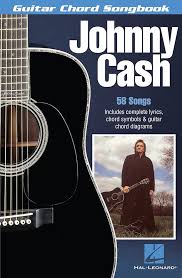 |
Johnny Cash Guitar Chord Songbook |
| Johnny Cash The Best Of Johnny Cash 2nd Edition Easy Guitar TAB |
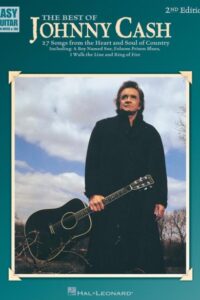 |
Johnny Cash The Very Best Of Johnny Cash Guitar And Lyrics |
| Johnny Cash The Hits Easy Piano |
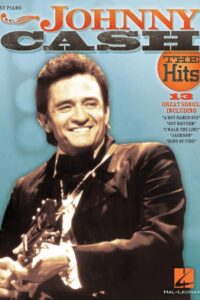 |
Johnny Cash The Hits Easy Piano |
| Johnny Cash The Very Best Of Johnny Cash Guitar And Lyrics Strump it |
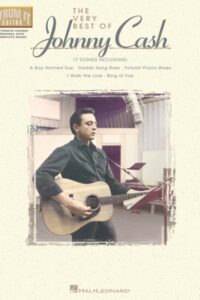 |
Johnny Cash The Very Best Of Johnny Cash Guitar And Lyrics |
| Johnny Flynn The Water | Johnny Flynn The Water | |
| Johnny Green Body And Soul Theme |
 |
|
| Johnny guitar (Peggy Lee) | ||
| Johnny Mandel The shadow of your smile |
 |
|
| Johnny Smith Guitar Interpretations |
 |
Johnny Smith Guitar Interpretations |
| Johnny Winter Guitar Tab Book Best Of |
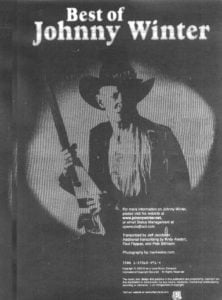 |
Johnny Winter Guitar Tab Book Best Of |
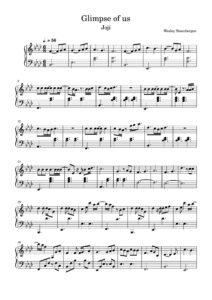
| Joji Glimpse Of Us |
 |
|
| Jon Bon Jovi – It’s my life – |
 |
|
| Jon Bon Jovi – Livin’ on a Prayer |
 |
|
| Jon Lord – Aria from Sarabande |
 |
|
| Jon Schmidt All of me | Jon Schmidt All of me | |
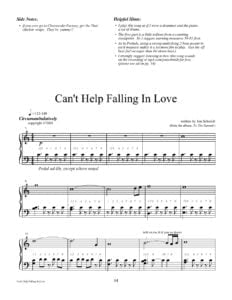
| Jon Schmidt Cant Help Falling In Love |
 |
|
| Jon Schmidt Christmas Book sheet music pdf |
 |
Jon Schmidt Christmas Book sheet music pdf |
| Jon Schmidt Hymns Without Words |
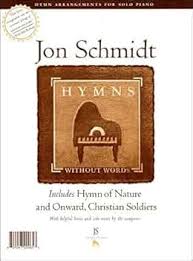 |
Jon Schmidt Hymns Without Words |
| Jon Schmidt New Age Classical Piano Solos Vol I (The Piano Guys) |
 |
Sheet music |
| Jon Schmidt New Age Classical Piano Solos Vol II (The Piano Guys) |
 |
Jon Schmidt New Age Classical Piano Solos Vol 2 |
| Jon Schmidt New Age Classical Piano Solos Vol III (The Piano Guys) |
 |
Jon Schmidt New Age Classical Piano Solos Vol 3 |
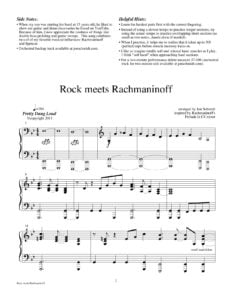
| Jon Schmidt Rock Meets Rachmaninoff |
 |
|
| Jonas Brothers – Sucker Sheet Music – sheet music |
 |
|
| Jonas Brothers Happiness Begins Piano Vocal guitar songbook |
 |
Jonas Brothers Happiness Begins Piano Vocal guitar songbook |
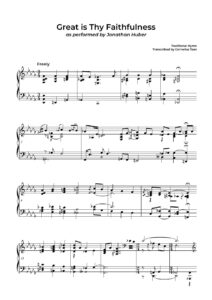
| Jonathan Huber Great is Thy Faithfullness Traditional Hymn |
 |
|
| Joni – The Creative odyssey of Joni Mitchell by Katherine Monk (Book) |
 |
|
| Joni Michell – Big Yellow Taxi | ||
| Joni Mitchell Collection |
 |
Joni Mitchell Collection |
| Joni Mitchell Complete Songbook Vol 1 1966 1970 (Piano vocal and guitar chords) |
 |
Joni Mitchell songbook |
| Joni Mitchell Complete Songbook Vol 2 (Piano Vocal And Guitar Chords) |
 |
Janis Joplin – A Collection of 16 Janis Joplin Classics Piano Vocal Guitar Chords |
| Jonny Lang – Wander This World Authentic Guitar Tab Authentic ediiton |
 |
Jonny Lang – Wander This World Authentic Guitar Tab Authentic ediiton |
| Jonny May Baby Im A Wishin Intermediate advanced piano | Jonny May Baby Im A Wishin Intermediate dvanced piano | |
| Jonny May Handy St. Louis Blues as arranged by Jonny May (Piano Solo) | Jonny May Handy St. Louis Blues as arranged by Jonny May (Piano Solo) | |
| Joplin Scott – The Entertainer |
 |
|
| Joplin – Elite Syncopations | Joplin Elite Syncopations | |
| Joplin – Maple Leaf Rag 1899 | Joplin Maple Leaf Rag | |
| Joplin – March Majestic | Joplin – March Majestic | |
| Joplin – Pleasant Moments | Joplin – Pleasant Moments | |
| Joplin – School of Ragtime | Joplin – School of Ragtime | |
| Joplin – Solace | Joplin-Solace 1st page | |
| Joplin – The Easy Winners | Joplin easy winners ragtime | |
| Joplin – The Entertainer 1902 (Theme from the film The Sting) |
|
|
| Joplin Complete Piano Rags Book (Incl School Of Ragtime) – Sheet Music – Piano – Book |
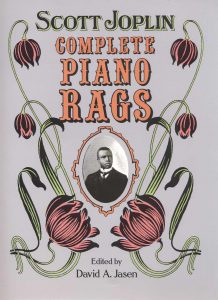 |
Joplin complete |
| Joplin, Scott – The best of |
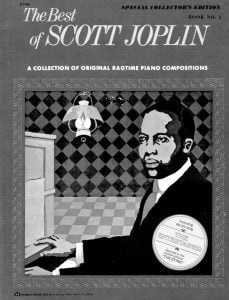 |
Scott Joplin |
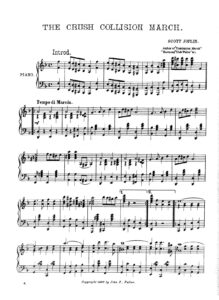
| Joplin, Scott Great Crush Collision March |
 |
|
| Jordan Hill – Remember Me This Way | ||
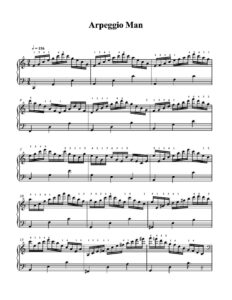
| Jordan Rudess Arpeggio Man Etude |
 |
|
| Jordin Sparks – No Air | ||
| Jordin Sparks – One Step At A Time | ||
| Jordon He And Twoset Violin – Prelude (Arr. Luca Savo) |
 |
|
| Jorge Morel Tangos And Milongas For Solo Guitar |
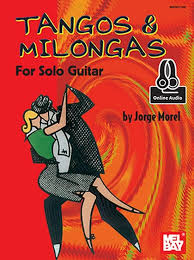 |
Morel, Jorge – Tangos And Milongas For Solo Guitar |
| Jorge Morel Virtuoso South American Guitar Vol. 2 |
 |
Jorge Morel Virtuoso South American Guitar Vol. 2 |
| Jorge Morel Virtuoso South American Guitar Vol. 5 |
 |
Jorge Morel Virtuoso South American Guitar Vol. 5 |
| Jose Feliciano Affirmation |
 |
|
| José González Stay Alive By Ryan Adams And Theodore Shapiro Piano Vocal Guitar |
 |
|
| José Mario Cano – Hijo De La Luna | ||
| Joseph Forestier 12 Duets |
 |
|
| Joseph Kosma – Autumn Leaves (Les feuilles mortes) Easy Piano Solo Jazz Standard |
 |
|
| Joseph Lamb American Beauty Rag | Joseph Lamb American Beauty Rag | |
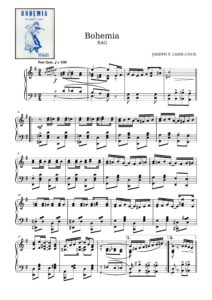
| Joseph Lamb Bohemia Rag |
 |
|
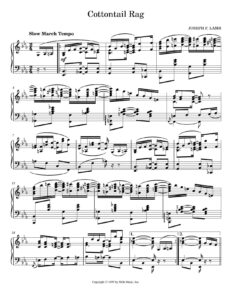
| Joseph Lamb Cottontail Rag |
 |
|
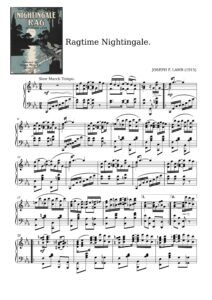
| Joseph Lamb Ragtime Nightingale |
 |
|
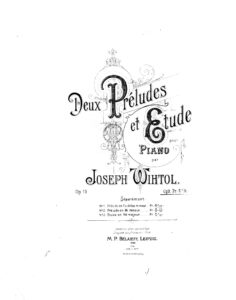
| Joseph Wihtol Deux préludes et étude pour piano |
 |
|
| Joseph Wihtol Op.6 Variations Sur Un Theme Lette |
 |
|
| Josh Groban – The Mystery Of Your Gift |
 |
|
| Josh Groban – Awake (sheet music book ) |
 |
Josh Groban – Awake BOOK |
| Josh Groban – Broken Vow | ||
| Josh Groban – Hymne A L’Amour | Josh Groban Hymne à ‘LAmour | |
| Josh Groban – Noel Thankful | ||
| Josh Groban – Remember When It Rained | ||
| Josh Groban – You Are Loved (Don’t Give Up) Sheet Music |
 |
|
| Josh Groban – Youre Still You | ||
| Josh Groban Biran Byrne – The Mystery Of Your Gift Piano Vocal Guitar Chords |
 |
|
| Josh Groban Broken Vow | Josh Groban Broken Vow | |
| Josh Groban Canto Alla Vita by Dettori, Galibatu and Rapetti | Josh Groban Canto Alla Vita by Dettori, Galibatu and Rapetti | |
| Josh Groban Closer Piano Vocal Guitar Chords |
 |
Josh Groban Closer Piano Vocal Guitar Chords |
| Josh Groban Illuminations Songbook Piano Vocal Guitar Chords |
 |
Josh Groban Illuminations Songbook Piano Vocal Guitar Chords |
| Josh Groban Let Me Fall from Cirque du Soleil Piano Solo |
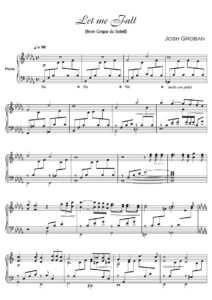 |
|
| Josh Groban Noël songbook Piano Vocal Guitar Chords |
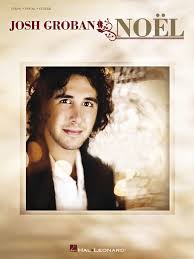 |
Josh Groban Noël songbook Piano Vocal Guitar Chords |
| Josh Groban Oceano by Leo Z Andrea Sandri | Josh Groban Oceano by Leo Z Andrea Sandri | |
| Josh Groban Original Keys For Singers Songbook (Vocal and Piano) |
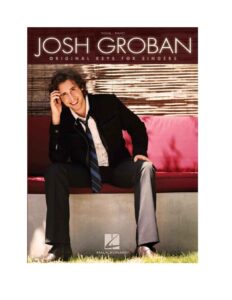 |
Josh Groban Original Keys For Singers Songbook |
| Josh Groban Panis Angelicus by Cesar Frank | Josh Groban Panis Angelicus by Cesar Frank | |
| Josh Groban Remember When It Rained | Josh Groban Remember When It Rained | |
| Josh Groban The Impossible Dream from the Musical Man of La Mancha Joe Darion Mitch Leigh | Josh Groban The Impossible Dream from the Musical Man of La Mancha Joe Darion Mitch Leigh | |
| Josh Groban The Prayer Carle Bayer Sager David Foster Tony Renis Alberto Testa | Josh Groban The Prayer Carle Bayer Sager David Foster Tony Renis Alberto Testa | |
| Josh Groban To Where You Are by Richard Marx and Linda Thompson Piano Vocal Guitar |
 |
Josh Groban To Where You Are by Richard Marx and Linda Thompson Piano Vocal Guitar |
| Josh Groban You Raise Me Up (Piano Vocal Chords) |
 |
|
| Joshua Redman Songbook Guitar Solos |
 |
Joshua Redman Songbook Guitar Solos |
| Joshua Redman The Music of (Sax Solo Transcriptions) by Trent Kynaston |
 |
Joshua Redman The Music of (Sax Solo Transcriptions) by Trent Kynaston |
| Journey – Dont Stop Believin | ||
| Journey – Faithfully | ||
| Journey – Open Arms | ||
| Journey Complete Songbook |
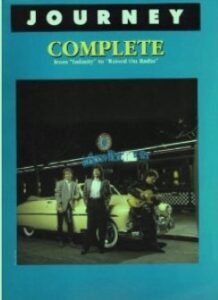 |
Journey Complete Songbook |
| Journey Faithfully (Piano Solo) | Journey Faithfully (Piano Solo) | |
| Journey Faithfully (Piano Solo) (Musescore file).mscz | Musescore File | |
| Journey Greatest Hits Book (piano & Guitar) |
 |
Journey Greatest Hits Book (piano & guitar |
| Journey The Guitar Collection Guitar Tabs |
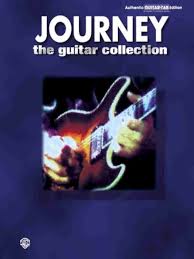 |
Journey The Guitar Collection Guitar Tabs |
| Joy Enriquez – How Can I Not Love You | ||
| Joy To The World – Handel (Musescore File).mscz | ||
| Js Bach – Air On The G String Jazz Play Along Vol 1 (Musescore File).mscz | ||
| Juan Tizol Perdido Jazz Standard arr. Carsten Gerlitz |
|
|
| Judas Priest – Vintage Hits (Guitar Tab Songbook) |
 |
 |
| Judas Priest The Early Years Guitar songbook |
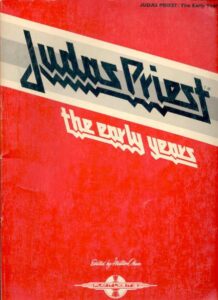 |
Judas Priest The Early Years Guitar songbook |
| Judy Garland Complete Souvernir Piano-Vocal-guitar songbook |
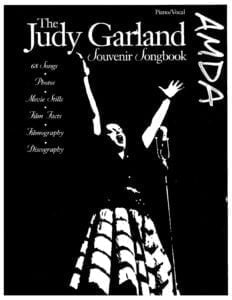 |
Judy Garland Complete Souvernir Piano-Vocal-guitar songbook |
| Judy Garland Sings Piano Vocal Chords (Vintage sheet music) |
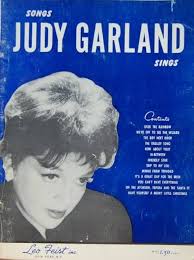 |
Judy Garland Sings Piano Vocal Chords |
| Jule Styne Songbook |
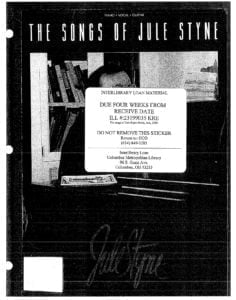 |
Jule Styne Songbook |
| Julia (Emm Gryner) | ||
| Julian Bream The Best Of Bream 12 Solos For Classical Guitar |
 |
Julian Bream The Best Of Bream 12 Solos For Classical Guitar |
| Julio Iglesias C’est ma vie Songbook |
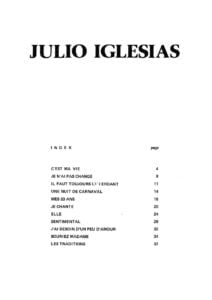 |
Julio Iglesias C’est ma vie Songbook |
| Julio Iglesias Lo Mejor De Julio Iglesias Vol 2 Songbook |
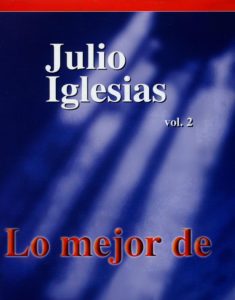 |
Julio Iglesias Lo Mejor De Julio Iglesias Vol 2 Songbook |
| Julio Iglesias Rafael Ferro Abrazame (Arreglo Para Guitarra, Guitar arr.) |
 |
|
| Julio Iglesias Rafael Ferro – Abrazame (arreglo para Guitarra) (Musescore File).mscz | ||
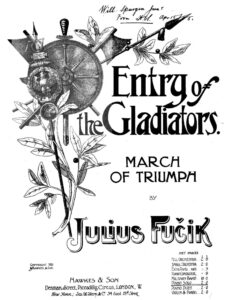
| Julius Fucik Entry Of The Gladiators March Of Triumph Piano Solo |
 |
|
| Julius Fuck Entry Of The Gladiators Piano Solo Musescore File.mscz | ||
| Jumbo Easy Piano Song- Book 200 Songs For All Occasions |
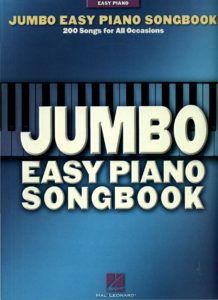 |
Jumbo Easy Piano Song- Book 200 Songs For All Occasions |