Come join us now, and enjoy playing your beloved music and browse through great scores of every level and styles!
Can’t find the songbook you’re looking for? Please, email us at: sheetmusiclibrarypdf@gmail.com We’d like to help you!
Table of Contents
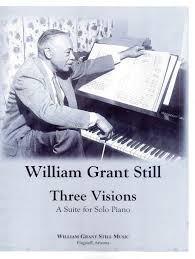
William Grant Still: Three Visions (Suite for piano solo)
Best Sheet Music download from our Library.

Please, subscribe to our Library.
If you are already a subscriber, please, check our NEW SCORES’ page every month for new sheet music. THANK YOU!
0:00 – Dark Horseman 1:30 – Summerland 6:00 – Radiant pinnacle
Browse in the Library:
Or browse in the categories menus & download the Library Catalog PDF:
William Grant Still
William Grant Still (1895 – 1978) was an American composer, arranger, conductor, and multi-instrumentalist, often called “the Dean of African American composers.” He was the first African American to have a symphony performed by a major orchestra in the United States, the first to conduct a major symphony orchestra, and the first to have an opera produced by a major opera company.

Early Life and Education
- Born on May 11, 1895, in Woodville, Mississippi, and raised in Little Rock, Arkansas.
- His father died when he was an infant, and his mother, a teacher, encouraged his musical interests.
- Studied at Wilberforce University, where he initially pursued medicine but shifted to music.
- Later trained at the Oberlin Conservatory of Music, then studied composition with George Whitefield Chadwick and later with avant-garde composer Edgard Varèse in New York.
Career and Achievements
- Worked as an arranger for popular and jazz bands in New York, including for W. C. Handy and Paul Whiteman.
- Became involved with the Harlem Renaissance, blending African American musical traditions with classical forms.
- His Symphony No. 1 “Afro-American” (1930) was the first symphony by an African American to be performed by a major U.S. orchestra (Rochester Philharmonic, 1931).
- Conducted the Los Angeles Philharmonic at the Hollywood Bowl in 1936, making him the first African American to lead a major orchestra in the U.S.
- His opera Troubled Island (1939, libretto by Langston Hughes and Verna Arvey) was the first by an African American staged by a major company (New York City Opera, 1949).
Musical Style
- Fused classical European traditions with African American idioms: blues, spirituals, jazz, and folk tunes.
- Emphasized lyricism, accessibility, and cultural expression rather than strict modernist abstraction.
- Advocated for a distinctly American classical music rooted in Black cultural traditions.
Notable Works
- Symphonies: Afro-American Symphony (No. 1), Song of a New Race (No. 2), The Sunday Symphony (No. 3), Autochthonous Symphony (No. 4), Western Hemisphere Symphony (No. 5).
- Operas: Troubled Island, A Bayou Legend, Highway 1, U.S.A.
- Chamber & Vocal Music: Lyric Quartette, Danzas de Panama, many art songs.
- Also wrote for radio, film, and popular ensembles.
Legacy
- Broke multiple racial barriers in American classical music.
- Opened doors for later generations of African American composers and performers.
- His works are increasingly studied and performed, recognized as cornerstones of 20th-century American music.
- Died in Los Angeles, California, on December 3, 1978.
William Grant Still’s music stands out for celebrating African American heritage within the classical tradition, offering a unique and dignified voice at a time when systemic racism excluded many Black composers from mainstream recognition.
Three Visions (1935) is one of William Grant Still’s most powerful works for solo piano. It is a short suite in three movements, deeply symbolic, written during the Harlem Renaissance period when Still was developing a distinctive African American voice within classical idioms. The suite is often regarded as a spiritual and philosophical statement on the human soul’s journey after death.
Three Visions (1935) Overview and Musical Analysis
- Title: Three Visions (for solo piano)
- Date: 1935
- Movements:
- Dark Horsemen
- Summerland
- Radiant Pinnacle
- Theme: The cycle represents the progression of the human soul: confrontation with death, passage to spiritual peace, and ultimate ascension.
1. Dark Horsemen
- Character: Turbulent, dissonant, and rhythmically urgent.
- Musical features:
- Rapid ostinati and syncopations drive the texture.
- Dense chords, sharp dynamics, and angular melodies suggest violence and inevitability — the soul’s confrontation with mortality.
- Harmonic language: rooted in tonal centers but heavily chromatic, with influences from early modernism (Still studied with Varèse).
- Strong percussive writing evokes imagery of galloping horses (possibly a reference to the biblical Four Horsemen of the Apocalypse).
Interpretation: This movement symbolizes the struggle and chaos of death, the breaking away of the soul from earthly ties.
2. Summerland
- Character: Gentle, lyrical, and serene — the most frequently performed movement.
- Musical features:
- Lush, hymn-like melody in the middle register, often played with a singing legato.
- Rich Romantic harmonies, influenced by Chopin and Debussy but colored with blues-inflected lines.
- Transparent texture, long sustained chords, and rubato create a meditative atmosphere.
- Tonal stability (often interpreted in D♭ major) provides calmness.
Interpretation: Summerland represents the spiritual paradise the soul reaches after death — peaceful rest and eternal beauty.
This movement is sometimes performed alone as an independent concert piece or even arranged for orchestra.
3. Radiant Pinnacle
- Character: Triumphant, luminous, and ascending.
- Musical features:
- Energetic rhythms, sweeping arpeggios, and brighter harmonies than in the previous movements.
- Builds momentum with a sense of striving upward, often through sequences and rising melodic gestures.
- Tonal clarity, major sonorities, and climactic chords express transcendence.
- Harmonically more consonant than Dark Horsemen, but with modern chromatic coloring.
Interpretation: This final movement depicts the soul’s union with the divine, ascending to its highest state — ultimate illumination.
Stylistic Significance
- Still fuses African American spiritual aesthetics (hymn-like phrasing, blues shadings, and rhythmic vitality) with Romantic piano traditions and 20th-century modernism.
- The three movements form a narrative arc: struggle → peace → transcendence.
- Philosophically, the suite echoes African American religious culture, yet framed in a universal human story of death and renewal.
In short, Three Visions is both a musical poem and a spiritual statement. It demonstrates Still’s ability to merge classical craft with African American cultural expression, creating a deeply humanistic and uplifting work.
Perfect — let’s dive into a harmonic walkthrough of “Summerland” from William Grant Still’s Three Visions. Since this movement is often performed alone and is the most tonal of the suite, it lends itself beautifully to harmonic analysis.
(Note: Exact bar numbers vary depending on the edition, but I’ll give the progression in sections. The piece is most often read in D♭ major.)
“Summerland” — Harmonic Analysis
Opening (mm. 1–4)
- Key: D♭ major
- Chords:
- I (D♭ major) — tonic established gently, hymn-like.
- IV (G♭ major) with added 6th/9th sonorities.
- I again, enriched by suspensions and inner voice motion.
The effect is calm, hymn-like stability. Still avoids strong cadences, instead sustaining a floating atmosphere.
First Phrase (mm. 5–12)
- Melody enters in the middle register, supported by soft chords.
- Progression:
- I → V/vi → vi (B♭ minor) → ii (E♭ minor) → V (A♭ major).
- Resolves back to I (D♭).
This is a classical diatonic motion but with added-color tones (6ths, 9ths), giving a Debussy-like lushness. The move to vi and ii emphasizes a spiritual, tender quality rather than dramatic tension.
Second Phrase (mm. 13–20)
- More chromaticism enters.
- Chords:
- I → ♭VII (C♭ major) → IV (G♭) → ii7 (E♭m7) → V7 (A♭7).
- Resolution: cadences softly back to I.
The use of ♭VII (C♭) is borrowed from folk/blues progressions. It enriches the harmony with a distinctly African American inflection inside an otherwise classical framework.
Climactic Middle Section (mm. 21–32)
- Harmonically more adventurous:
- Alternation between vi (B♭ minor) and IV (G♭ major).
- Sequence through chromatic mediants: I (D♭) → iii (F minor) → V/ii (F7) → ii (E♭ minor).
- Approaches V7 (A♭7) with stronger rhythm and dynamics.
The chromatic mediant shifts (D♭ → Fm → A♭) give the impression of warmth and expansion — the soul ascending in vision.
Return (mm. 33–40)
- Recapitulation of the opening theme.
- Progression largely tonic (I), with embellishments:
- I → IV → ii7 → V7 → I.
- Still decorates the chords with added 9ths and 11ths, keeping the sound lush and modern.
Coda (mm. 41–end)
- Gentle descent, cadencing finally on a pure I (D♭ major).
- Chords sustain with long fermatas, creating timeless stillness.
The coda is essentially a plagal cadence (IV → I), which resonates with the feeling of a hymn or spiritual.
Summary of Harmonic Style in “Summerland”
- Foundation: Firmly tonal, centered in D♭ major.
- Coloration: Use of added 6ths, 9ths, 11ths for lush textures.
- African American inflection:
- Borrowed ♭VII (C♭ major) → I.
- Blues-like coloring of melodic lines (flattened 3rd, 7th inflections).
- Narrative arc: Gentle tonic → chromatic expansion → luminous return.
- Effect: A meditative vision of paradise — serenity, lyricism, timeless rest.
So, harmonically, Summerland balances European Romanticism (Chopin, Debussy) with African American idioms (bluesy modal borrowing, plagal cadences). This is why it feels both “classical” and “soulful.”
| Artist or Composer / Score name | Cover | List of Contents |
|---|---|---|
| Blues Piano For Beginners by Mark Harrison |
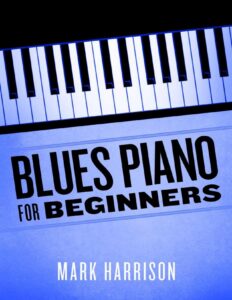 |
Blues Piano For Beginners by Mark Harrison |
| Blues Piano Gustavo Villegas (Spanish- Español) |
 |
Blues.Piano |
| Blues Piano Keyboard arr. Michat Kirkoff |
 |
|
| Blues Piano Legends |
 |
Blues Piano Legends |
| Blues Picking Blues Easy Blues for guitar leichte blues-sätze für gitarre bearbeitet von Dieter Kreider (German, Deutsch) |
 |
|
| Blues Play A Long And Solos Collection For Piano Beginner series by Andrew D. Gordon |
 |
Blues Play A Long And Solos Collection For Piano by Andrew D Gordon |
| Blues Riffs For Piano by Ed Baker (Great Riff series) |
 |
|
| Blues Rock for Classical Guitar | Blues Rock for Classical Guitar | |
| Blues To Jazz GuitarThe Essential by Jack Eskridge The essential guide to chords, progressions and theory |
 |
|
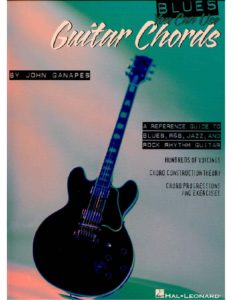
| Blues You Can Use – Guitar Chords – John Ganapes |
 |
|
| Blues-Rock Guitar Bible 35 Blues-Rock Songs (Guitar with TABs) |
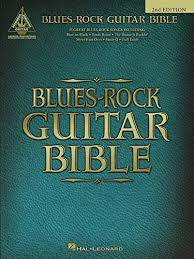 |
Blues-Rock Guitar Bible 35 Blues-Rock Songs (Guitar with TABs) |
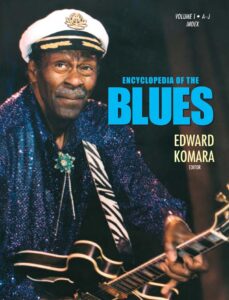
| Blues, Encyclopedia Of The Blues (Edward Komara) Book |
 |
|
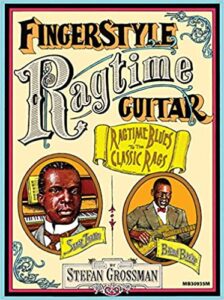
| Blues, Ragtime Blues And Hot Fiddle Tunes & Rags (Fingerstyle Guitar and TAB) Grossman Stefan |
 |
|
| Blues, The – David Baker’s Modern Jazz Series Improvisational Patterns |
 |
|
| Bluestone Alley Piano Tiles 2 Sheet Music | Bluestone Alley Piano Tiles 2 Sheet Music | |
| Blur The Best Of All the songs from the album arr. for voice and guitar with Tablaturef (Guitar songbook) |
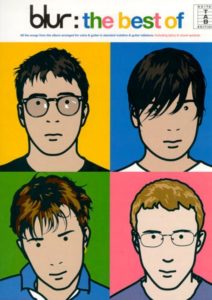 |
Blur The Best Of |
| Bob Ashton – You Can Teach Yourself To Compose Music (with audio MP3) |
 |
|
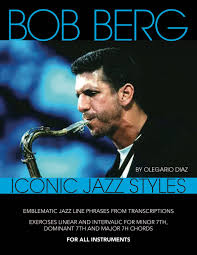
| Bob Berg Iconic Jazz Style for all instruments by Olegario Diaz |
 |
|
| Bob Brookmeyer First Love Song Score And Parts | Bob Brookmeyer First Love Song Score And Parts | |
| Bob Carlisle – Butterfly Kisses | ||
| Bob Chilcott A Little Jazz Mass For Mixed Voices, Piano And Optionall Bass | Bob Chilcott A Little Jazz Mass For Mixed Voices, Piano And Optionall Bass | |
| Bob Chilcott Irish Blessing | Bob Chilcott Irish Blessing | |
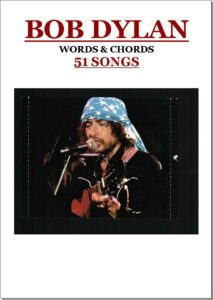
| Bob Dylan Words and Chords (Bob Dylan) Book |
 |
|
| Bob Dylan – Blonde On Blonde Songbook |
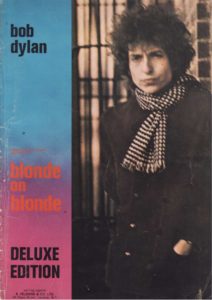 |
Bob Dylan – Blonde On Blonde Songbook |
| Bob Dylan – Blowin In The Wind (Piano and voice) | Bob Dylan – Blowin In The Wind (piano and vocal) | |
| Bob Dylan – Blowin’ In The Wind – Arr. For Guitar (Musescore File).mscz | ||
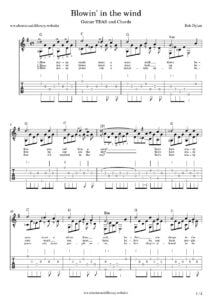
| Bob Dylan – Blowin’ In The Wind (Guitar TABS and chords) |
 |
|
| Bob Dylan – Fingerpicking Style Guitar and TAB |
 |
Bob Dylan – Fingerpicking Style Guitar |
| Bob Dylan – Knockin On Heavens Door | ||
| Bob Dylan – Like A Rolling Stone | ||
| Bob Dylan – Rock Score (Guitar Songbook) |
 |
Bob Dylan – Rock Score (Guitar Songbook) |
| Bob Dylan – The Times They Are A’changin’ – Piano And Voice (Musescore File).mscz | ||
| Bob Dylan – The times they are a’changin’ – Piano solo sheet music with lyrics |
 |
|
| Bob Dylan – To Make You Feel My Love | ||
| Bob Dylan Anthology |
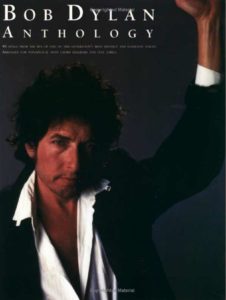 |
Bob Dylan Anthology |
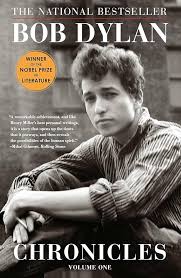
| Bob Dylan Chronicles Volume One (Book) |
 |
|
| Bob Dylan Definitive Songbook Guitar and Lyrics |
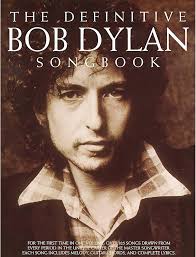 |
Bob Dylan Definitive Songbook Guitar and Lyrics |
| Bob Dylan Desire Songbook |
 |
Bob Dylan Desire Songbook |
| Bob Dylan Down In The Groove Songbook |
 |
Bob Dylan Down In The Groove Songbook |
| Bob Dylan Encyclopedia, The – Michael Gray (Book) |
 |
|
| Bob Dylan For Easy Piano |
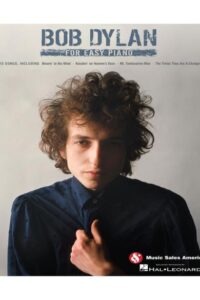 |
Bob Dylan For Easy Piano |
| Bob Dylan Greatest Hits Piano Vocal Guitar Chords |
 |
Bob Dylan Greatest Hits |
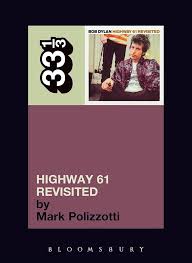
| Bob Dylan Highway 61 Revisited by Mark Polizzotti (Book) |
 |
|
| Bob Dylan In America – Sean Wilentz (Book) |
 |
|
| Bob Dylan Nashville Skyline Piano Vocal Guitar Chords |
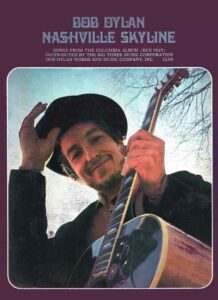 |
Bob Dylan Nashville Skyline Piano Vocal Guitar Chords |
| Bob Dylan No Direction Home The Life And Music Of Bob Dylan (Book biography) by Robert Shelton |
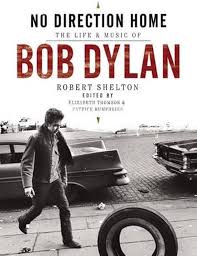 |
|
| Bob Dylan Outlaw Blues (Book) by Spencer Leigh (Biography) |
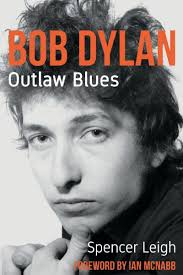 |
|
| Bob Dylan Play Acoustic Guitar With – Book + MP3 audio tracks play along with Tablature |
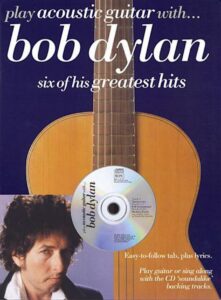 |
Bob Dylan Play Acoustic Guitar With – Book + MP3 audio tracks play along sheet music |
| Bob Dylan Songbook, The |
 |
Bob Dylan Songbook, The |
| Bob Dylan The Songs Of Bob Dylan From 1966 Through 1975 Guitar and Lyrics |
 |
Bob Dylan The Songs Of Bob Dylan From 1966 Through 1975 Guitar and Lyrics_compressed |
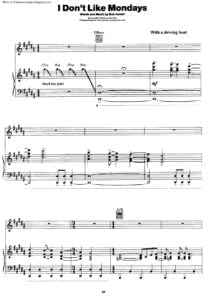
| Bob Geldof – I don’t like Mondays (piano and vocal sheet music) |
 |
|
| Bob Haymes – That’s All Jazz Standard (Piano Solo Sheet Music) |
 |
|
| Bob James And His Music sheet music Book |
 |
Bob James And His Music sheet music Book |
| Bob James The Musical Styles of |
 |
Bob James The Musical Styles of |
| Bob Marley – 1945-1981 Ten greatest hits (piano) |
 |
Bob Marley – 1945-1981 |
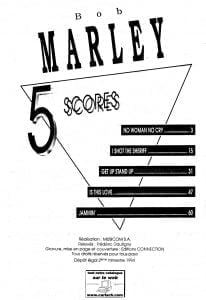
| Bob Marley – Best Of -5 songs (FULL SCORE) |
 |
|
| Bob Marley – No Woman No Cry | Bob Marley – No Woman No Cry | |
| Bob Marley – One Love – The Very Best of Bob Marley and The Wailers (Bob Marley) Guitar Tablature TABs |
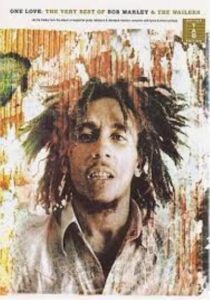 |
Bob Marley – One Love – The Very Best of Bob Marley and The Wailers (Bob Marley) Guitar Tablature TABs |
| Bob Marley – Play Guitar With – incl. MP3 audio tracks Play Along with Tablature |
 |
Bob Marley play with |
| Bob Marley (Guitar chords Songbook) (Marley, Bob) |
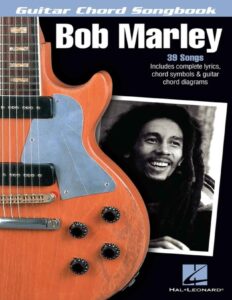 |
Bob Marley (Guitar chords Songbook) (Marley, Bob) |
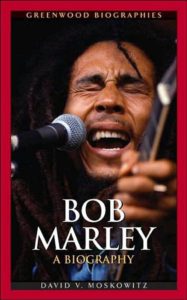
| Bob Marley A Biography by David V. Moskowitz |
 |
|
| Bob Marley Could You Be Loved Easy Piano Solo | Bob Marley Could You Be Loved Easy Piano Solo | |
| Bob Marley Guitar Book with Tablature |
 |
Bob Marley sheet music book |
| Bob Marley Guitar Chord Songbook |
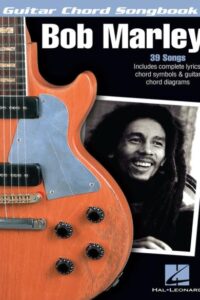 |
Bob Marley Guitar Chord Songbook |
| BOB MARLEY I shot the sheriff | Bob Marley I-Shot-The-Sheriff | |
| Bob Marley Songs Of Freedom |
 |
Bob Marley Songs Of Freedom |
| Bob Marley The Best Of – Easy Guitar Songbook |
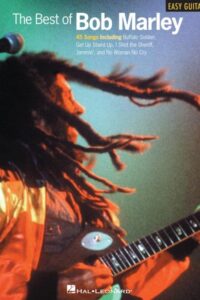 |
the-best-of-bob-marley |
| Bob Marley The Essential Bob Marley Easy Guitar Tablature |
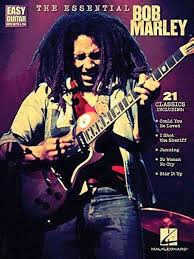 |
Bob Marley The Essential Bob Marley Easy Guitar Tablature |
| Bob Marley The Words And Music Of Bob Marley (by David Moskowitz) Book |
 |
|
| Bob Mintzer – 12 Contemporary Jazz Etudes SAXO Bb (with audio MP3) |
 |
|
| Bob Mintzer 14 Blues And Funk Etudes For C Instruments (Flue, Guitar, Keyboards) |
 |
|
| Bob Mintzer 14 Jazz And Funk Etudes For Bb (Tenor, Soprano Sax , Clarinet) |
 |
|
| Bob Mintzer 14 Jazz And Funk Etudes For Eb (Alto, Baritone Sax) |
 |
|
| Bob Mintzer 15 Easy Etudes Jazz Blues Funk For Bb Intruments |
 |
|
| Bob Mintzer Playing Jazz Piano |
 |
Bob Mintzer Playing Jazz Piano |
| Bob Mintzer The Song Is You (Solo Transcription) |
 |
|
| Bob Mitnzer Elvin S Mambo | Elvin S Mambo Bob Mitnzer Arr Bob Mintzer | |
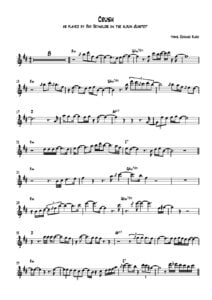
| Bob Reynolds Crush |
 |
|
| Bob Reynolds Swedish Blues |
 |
|
| Bob Seger anthology piano guitar vocal |
 |
Bob Seger anthology piano guitar vocal |
| Bob Taylor – Sight Reading Jazz – For Treble Clef | Book Theory | |
| Bob Zurke Boogie Woogie Piano Transcriptions |
 |
|
| Bobby Cronin Dear Daddy from the Bratt Camp Musical | Bobby Cronin Dear Daddy from the Bratt Camp Musical | |
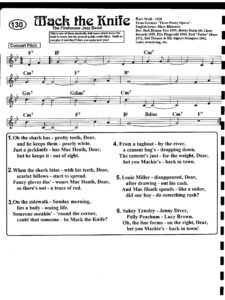
| Bobby Darin Mack The Knife |
 |
|
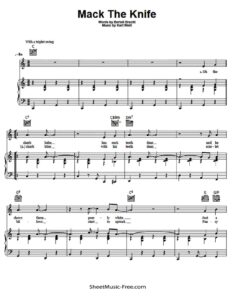
| Bobby Darin Mack The Knife Sheet Music Piano Vocal guitar Chors |
 |
|
| Bobby Darin The Best Of Bobby Darin Piano Vocal guitar Chords |
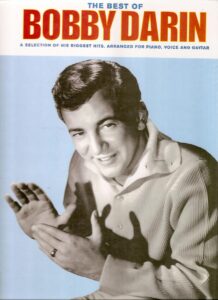 |
Bobby Darin The Best Of Songbook |
| Bobby Hackett – Stardust (transcription) | Bobby Hackett – Stardust (transcription) | |
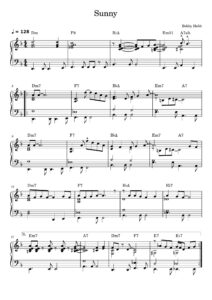
| Bobby Hebb Sunny |
 |
|
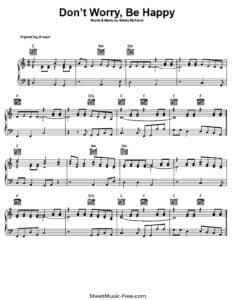
| Bobby Mcferrin – Don’t Worry Be Happy Piano Solo Sheet Music |
 |
|
| Bobby Mcferrin – Dont Worry Be Happy | ||
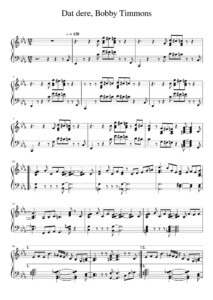
| Bobby Timmons Dat Dere Piano Solo sheet music |
 |
|
| Bobby Timmons Dat Dere as played by Cannonball Adderley (full score) |
 |
|
| Bobby Timmons Moanin (Oscar Peterson) |
 |
|
| Bohemian Rhapsody (Queen) | ||
| Boig Per Tu (Musescore File).mscz | ||
| Bola Sete Around And Back Again | Bola Sete Around And Back Again | |
| Bola Sete Flowers On Mt Tam | Bola Sete Flowers On Mt Tam | |
| Boleros Favoritos Romance Songbook (Piano, vocal, guitar chords) |
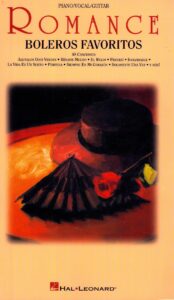 |
Boleros Favoritos Romance Songbook |
| Boleros Y Otras Canciones Vol 2 |
 |
Boleros Y Otras Canciones Vol 2 |
| Boleros Y Otras Canciones Vol 3 |
 |
Boleros Y Otras Canciones Vol 3 |
| Boleros Y Otras Canciones Vol 4 |
 |
Boleros Y Otras Canciones Vol 4 |
| Boleros Y Otras Canciones Vol 5 |
 |
Boleros Y Otras Canciones Vol 5 |
| Boleros Y Otras Canciones Vol 6 |
 |
Boleros Y Otras Canciones Vol 6 |
| Boleros Y Otras Canciones, Vol. 1 |
 |
Boleros Y Otras Canciones, Vol. 1 |
| Boleros, mambos, tangos, sones (203 compositions) | Boleros, mambos, tangos, sones) | |
| Bolling Concerto For Classic Guitar And Jazz Piano Full Score |
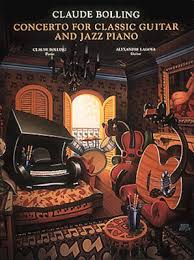 |
|
| Bolling Jazz A La Francaise Piano Bass Drums Full Score |
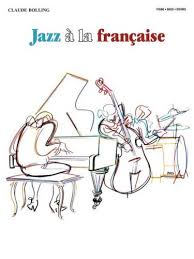 |
|
| Bolling Piano Solo No. 3 With The Help Of My Friends | Bolling Piano Solo No. 3 With The Help Of My Friends | |
| Bolling Sonata For Two Pianists No. 1 Full Score Piano |
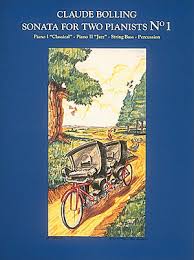 |
|
| Bolling Suite For Flute And Piano and Jazz Piano Trio (Jean-Pierre Rampal Claude Bolling) Full score |
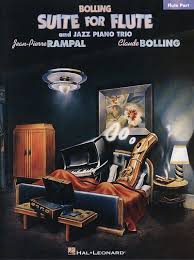 |
|
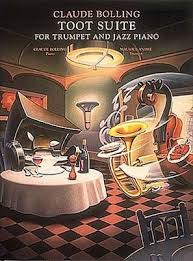
| Bolling Toot Suite For Trumpet And Jazz Piano Full Score |
 |
|
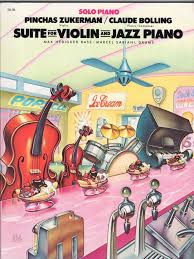
| Bolling, Claude Suite For Violin And Jazz Piano |
 |
|
| BOLT – Music From The Motion Picture |
 |
BOLT – Music From The Motion Picture |
| Bon Iver 22 A Million |
 |
Bon Iver 22 A Million |
| Bon Iver Complete Songbook |
 |
Bon Iver Complete Songbook |
| Bon Jovi Greatest Hits Guitar Recorded Versions With Tablature |
 |
Bon Jovi Greatest Hits Guitar Recorded Versions With Tablature |
| Bon Jovi – Always | ||
| Bon Jovi – Bed Of Roses | ||
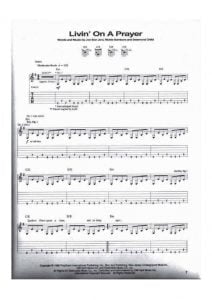
| Bon Jovi – Crossroad – Guitar Songbook Tab |
 |
 |
| Bon Jovi – Guitar Play Along 114 – with MP3 audio tracks with Tablature |
 |
Bon Jovi – Guitar Play Along 114 – with MP3 audio tracks Contents |
| Bon Jovi – If I Cant Have Your Love | ||
| Bon Jovi – Ill Be There For You | ||
| Bon Jovi – Runaway | ||
| Bon Jovi – Santa Fe | ||
| Bon Jovi – Thank You For Loving Me | ||
| Bon Jovi Anthology Songbook |
 |
Bon Jovi Anthology Songbook |
| Bon Jovi Best Of (Full score) |
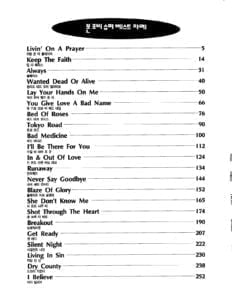 |
Bon Jovi Best Of (Full score) |
| Bon Jovi Greatest Hits (Songbook) Piano, Vocal, guitar Chords |
 |
Bon Jovi Greatest Hits (Songbook) – Bon Jovi sheet music |
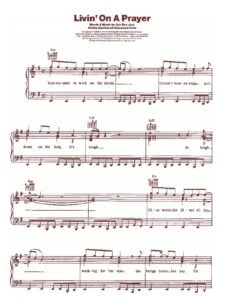
| Bon Jovi Livin’ On A Prayer (sheet music) |
 |
|
| Bon Jovi Play Guitar – With |
 |
Bon Jovi Play Guitar-With |
| Bon Jovi Rock Score (Guitar) |
 |
Bon Jovi Rock Score (Guitar) |
| Bon Jovi, Jam With Pdf & Mp3 Audio Tracks |
 |
 |
| Boney M Disco Hits Songbook |
 |
Boney M Disco Hits Songbook |
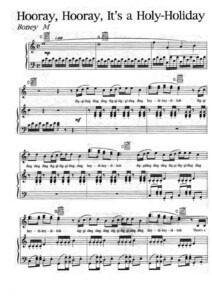
| Boney M Hooray Hooray Its A Holy Holiday |
 |
|
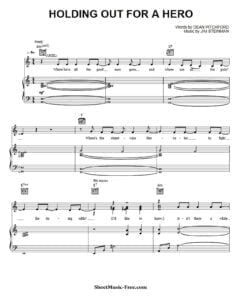
| Bonnie Tyler – Holding Out For An Hero |
 |
|
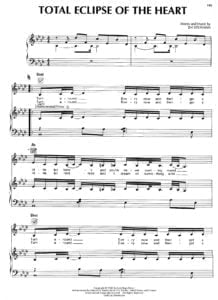
| Bonnie Tyler – Total Eclipse Of The Heart |
 |
|
| Boogie And Blues Easy Piano Vol 1 John L. Philip |
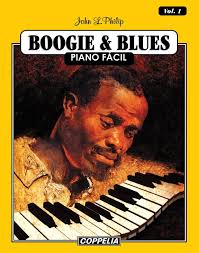 |
Boogie And Blues Easy Piano Vol 1 John L. Philip |
| Boogie And Blues Easy Piano Vol 2 John L. Philip |
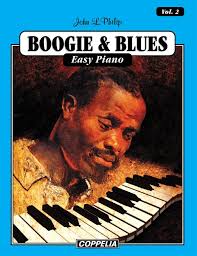 |
Boogie And Blues Easy Piano Vol 2 John L. Philip |
| Boogie And Blues Easy Piano Vol 3 John L. Philip |
 |
Boogie And Blues Easy Piano Vol 3 John L. Philip |
| Boogie Woogie (Easy) Anne Scholl and Rolf Anderson (4 hands piano) Das vierhändige Boogiebuch |
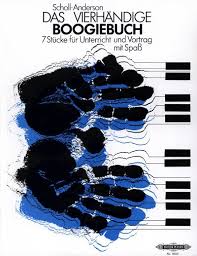 |
Boogie Woogie (Easy) Anne Scholl and Rolf Anderson (4 hands piano) Das vierhändige Boogiebuch |
| Boogie Woogie and how to play it Book One By David Carr Glover |
 |
Boogie Woogie and how to play it Book One By David Carr Glover |
| Boogie Woogie and how to play it Book Two By David Carr Glover |
 |
Boogie Woogie and how to play it Book Two By David Carr Glover |
| Boogie Woogie And The Blues by Andrew D. Gordon |
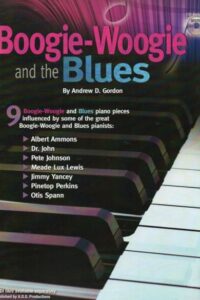 |
Boogie Woogie And The Blues by Andrew D. Gordon |
| Boogie Woogie For Beginners A Piano Method by Frank Paparelli |
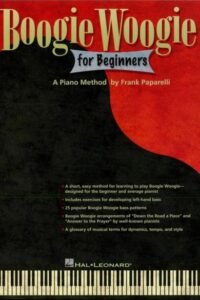 |
Boogie Woogie For Beginners A Piano Method by Frank Paparelli |
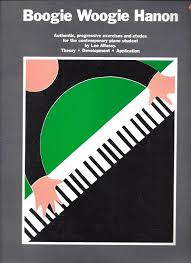
| Boogie Woogie Hanon by Leo Alfassy |
 |
|
| Boogie Woogie Piano – Todd Lowry (The complete guide) |
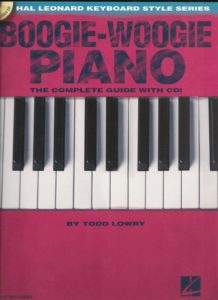 |
Boogie-Woogie piano |
| Boogie Woogie Piano For Beginners by Mark Harrison |
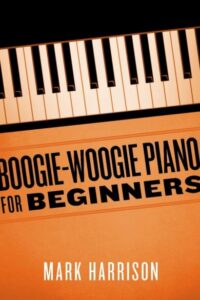 |
Boogie Woogie Piano For Beginners by Mark Harrison |
| Boogie Woogie Stomp By Albert Ammons (Musescore File).mscz | ||
| BOOK OF HARMONIC EXTENSIONS FOR GUITAR – BRET WILLMOTT | Book of Harmonic Extensions | |
| Book of Jazz Guitar Lines and phrases With Tablature By Sid Jacobs |
 |
Book of Jazz Guitar Lines and phrases With Tablature By Sid Jacobs |